SONY Cameras Explained
SONY
Sony has been at the forefront of camera innovation for over a decade. Their Alpha mirrorless series introduced fast autofocus, powerful sensors and compact designs long before competitors caught up. That early start also created one of the largest used markets in the industry, making Sony bodies and lenses more affordable, especially for beginners.
Today, Sony offers a vast lineup of cameras designed for every skill level – from casual hobbyists to professional photographers and filmmakers. This page provides an overview of all Sony’s full-frame and APS-C mirrorless cameras.
Mirrorless since 2010
Sony has come a long way since jumping into the camera world in the early 2000s. Their early DSLRs and point-and-shoots quickly gained some attention, but it was the launch of the Alpha mirrorless line that really changed everything.
Sony entered the mirrorless world in 2010 with the introduction of their first Alpha models – NEX-3 and NEX-5.
The launch of the A7 series in 2013 and the a6000 in 2014 marked a turning point for the brand. The A7 brought full-frame quality to a compact body and was the first full-frame mirrorless camera to truly challenge professional DSLRs, offering great image quality along with several other notable features in a much smaller body, something no one else had done at the time. The a6000 followed as a lightweight, budget-friendly APS-C option that quickly became a favorite among beginners and hobbyists.
E - Mount
Sony introduced the E-mount in 2010 alongside their first mirrorless cameras, giving them a huge head start.
Over a decade later, there are over 100 native lenses – and more than 200 if you include third-party options. Because the mount hasn’t changed, older lenses still work with the newest cameras, creating a huge second-hand market. Compare that to Canon and Nikon, which only introduced new mounts in 2018, Sony users have had years to build and upgrade their kits without starting from scratch. For beginners entering the Sony system that means more options and way better prices.
All cameras on this list have the Sony E lens mount and they are compatible with all E-mount lenses.
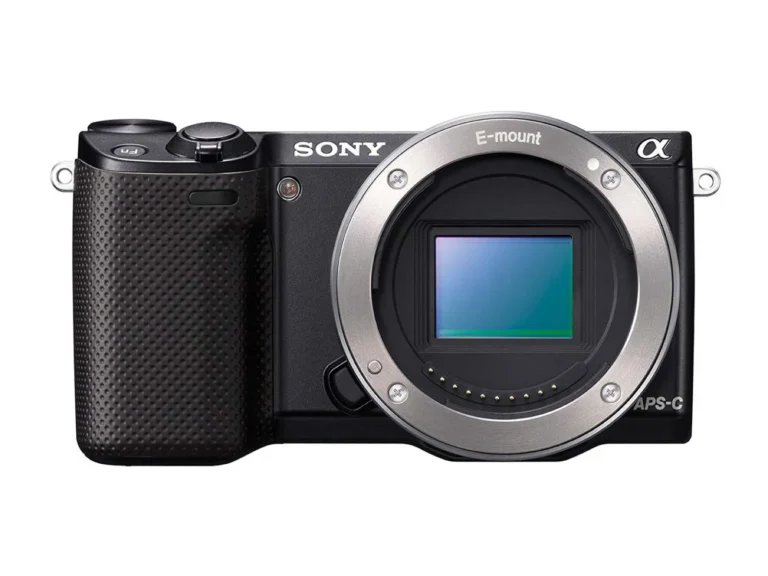
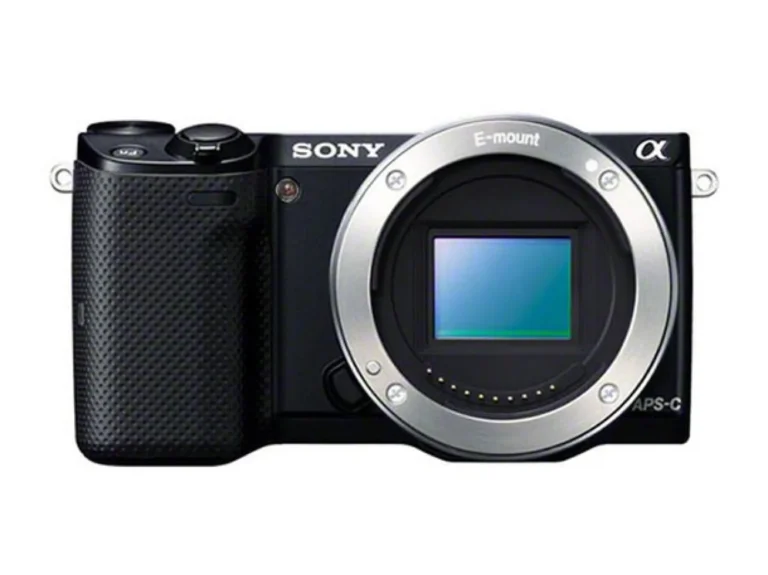
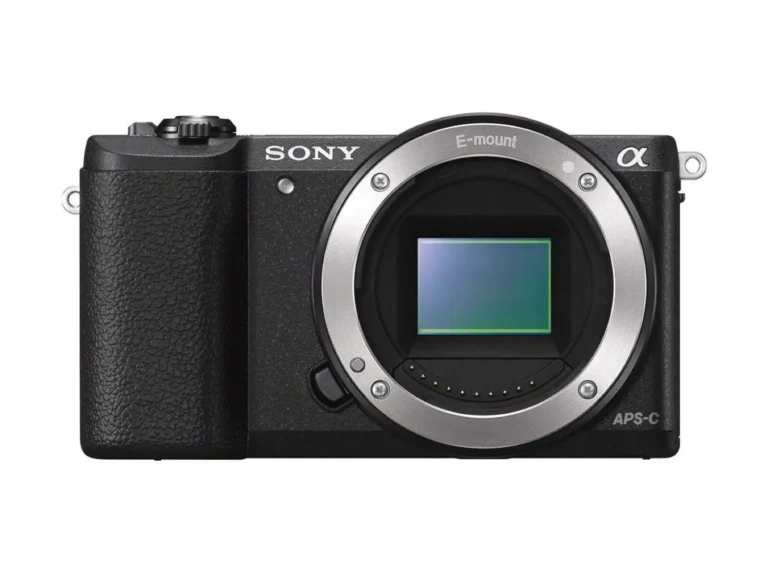
SONY APS-C Cameras 2010 - 2014
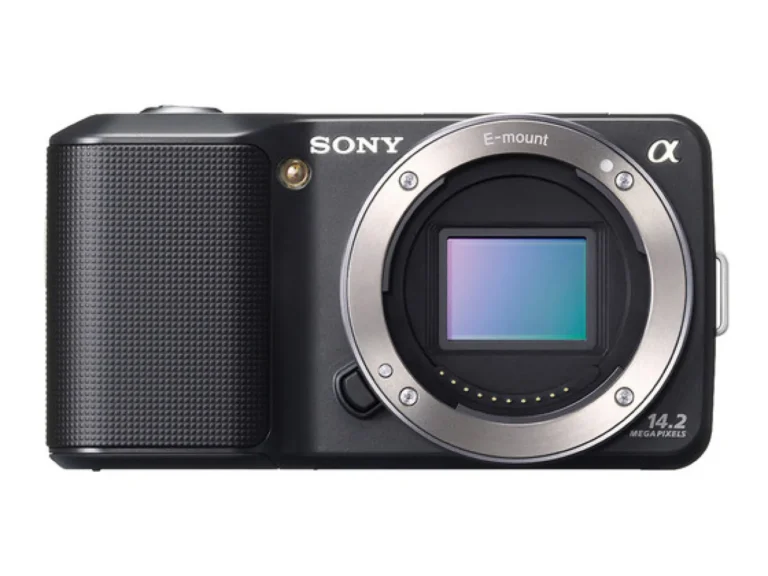
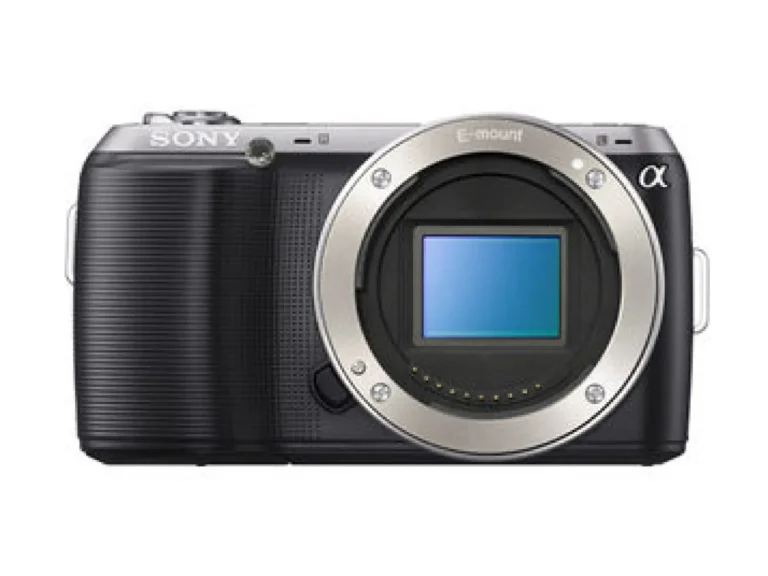
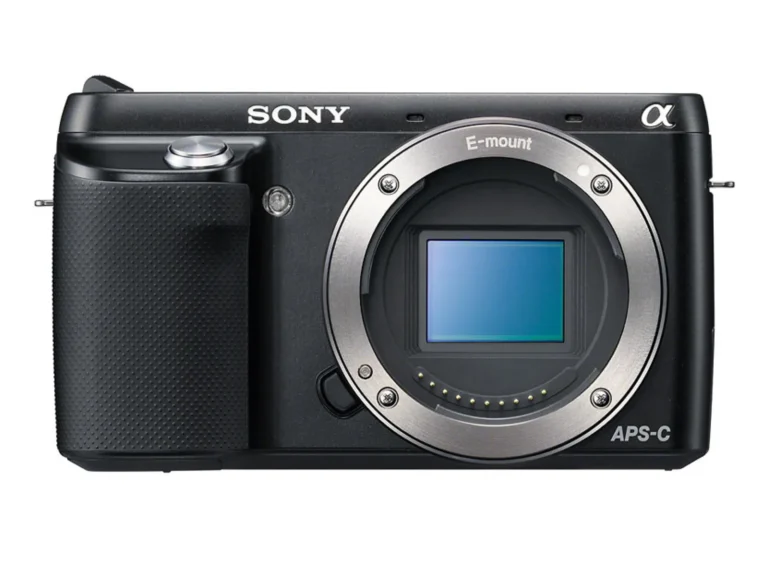
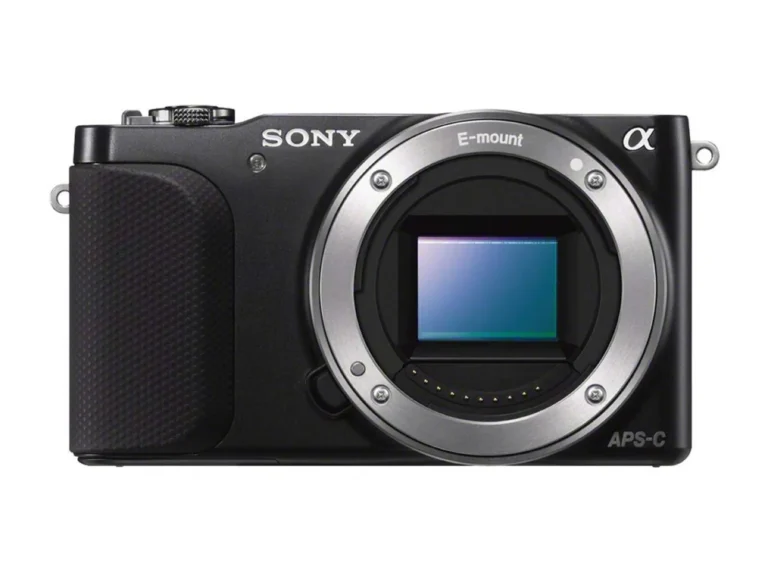
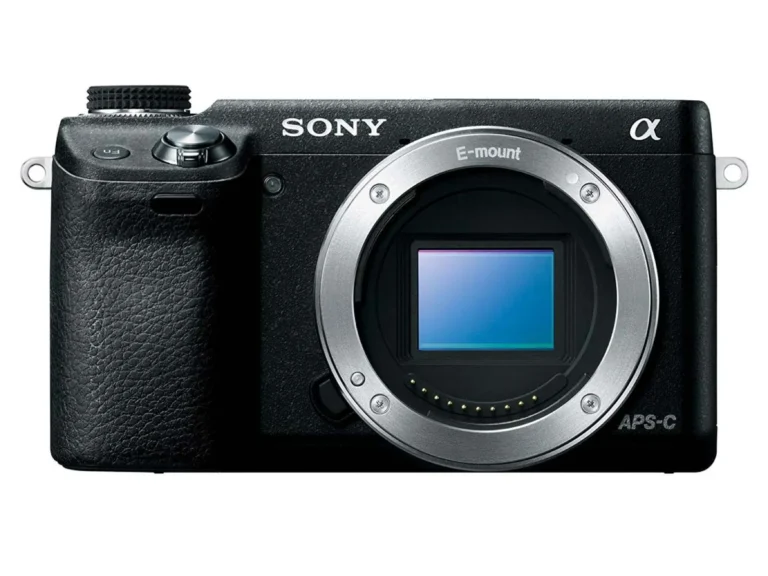
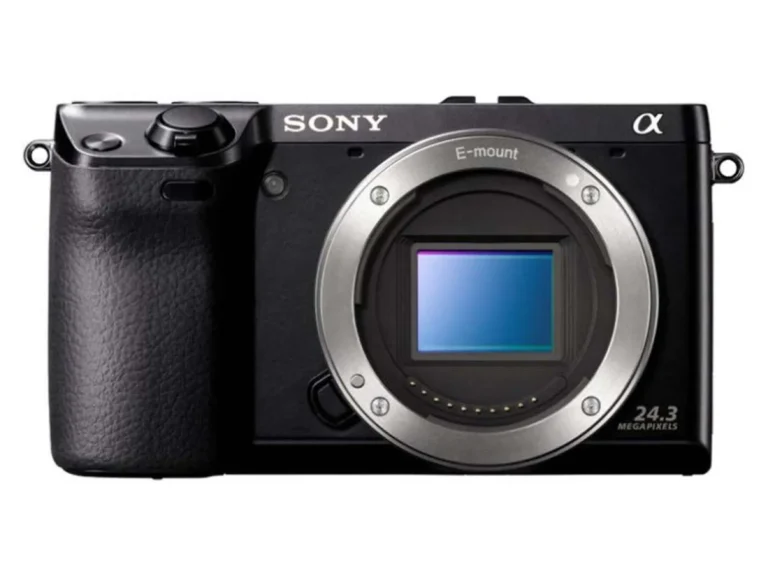
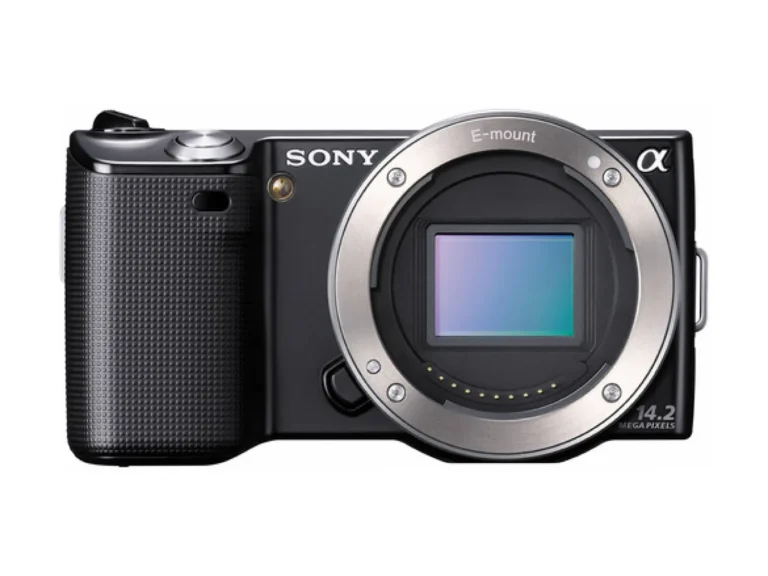
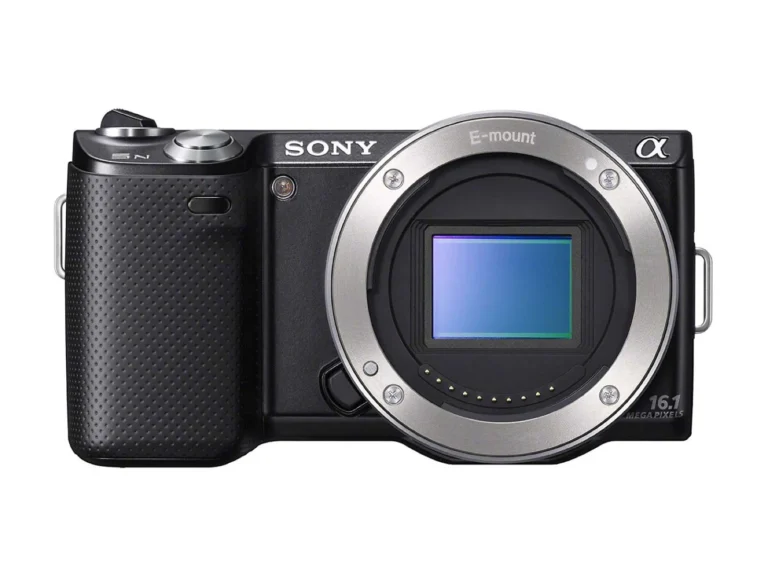
The release of Sony’s first mirrorless cameras, the NEX-3 and NEX-5 in 2010, was quickly followed by the release of slightly upgraded NEX-C3, NEX-5N, NEX-7, NEX-F3, NEX-5R, NEX-3N, NEX-6, NEX-5T and later the a5000 and a5100. With how quickly camera tech has progressed, these early models have been surpassed in every way, so you’re better off looking at newer options mentioned from this point on. All models use the Sony E-mount, but at the time some photographers referred to it as the Sony-NEX mount.
NEX-3
2010, 14 MP
NEX-C3
2011, 16 MP
NEX-F3
2012, 16 MP
NEX-3N
2013, 16 MP
NEX-6
2013, 16 MP
NEX-7
2011, 24 MP
NEX-5
2010, 14 MP
NEX-5N
2011, 16 MP
NEX-5R
2012, 16 MP
NEX-5T
2013, 16 MP
a5000
2014, 20 MP
a5100
2014, 24 MP
SONY APS-C Cameras
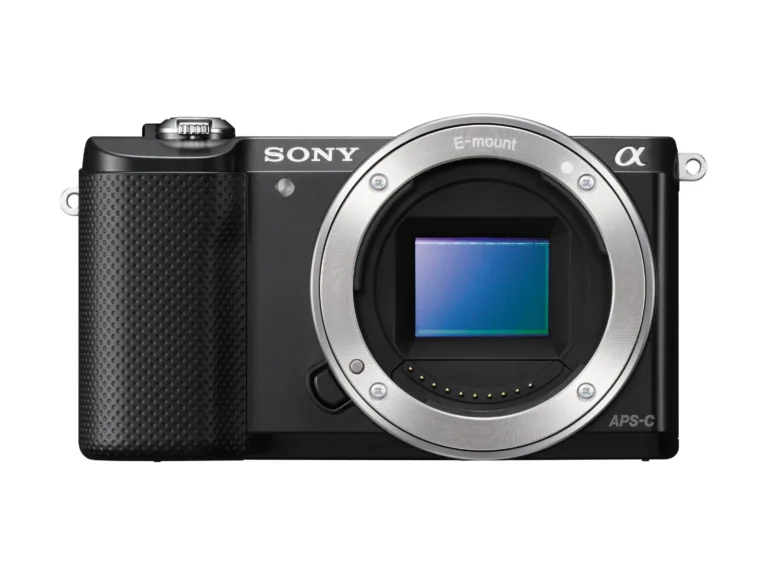
Sony’s modern APS-C mirrorless camera lineup, commonly referred to as the a6000 series, includes some of the most popular beginner and hobbyist cameras on the market. They’re compact, lightweight and offer fast autofocus, great image quality and excellent value – especially on the used market. Paired with the right lens, they can even be a great choice for professionals looking for a compact and lightweight setup. All Sony APS-C cameras have either the older 24 MP sensor or a newer 26 MP BSI sensor. All Sony APS-C cameras have just one card slot.
The 1st Generation:
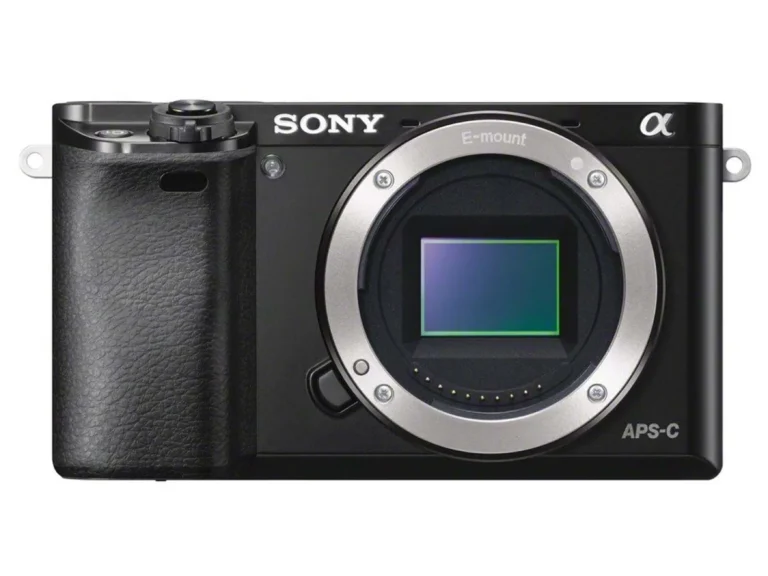
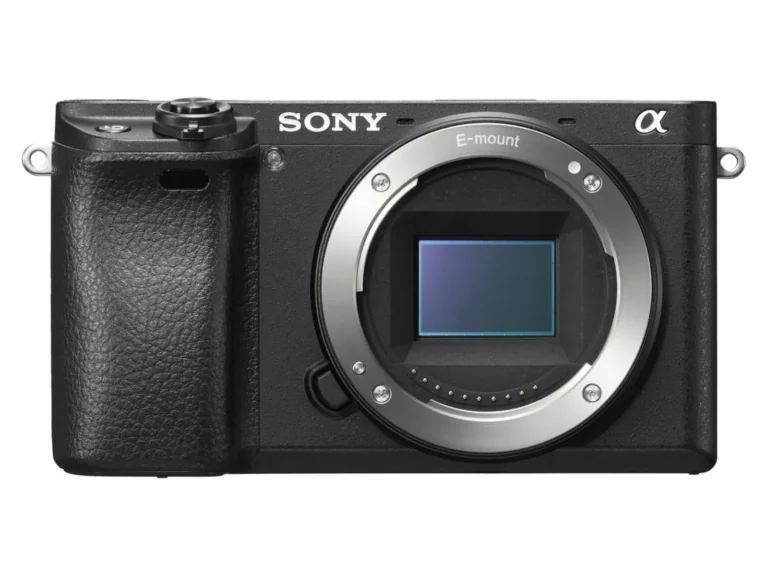
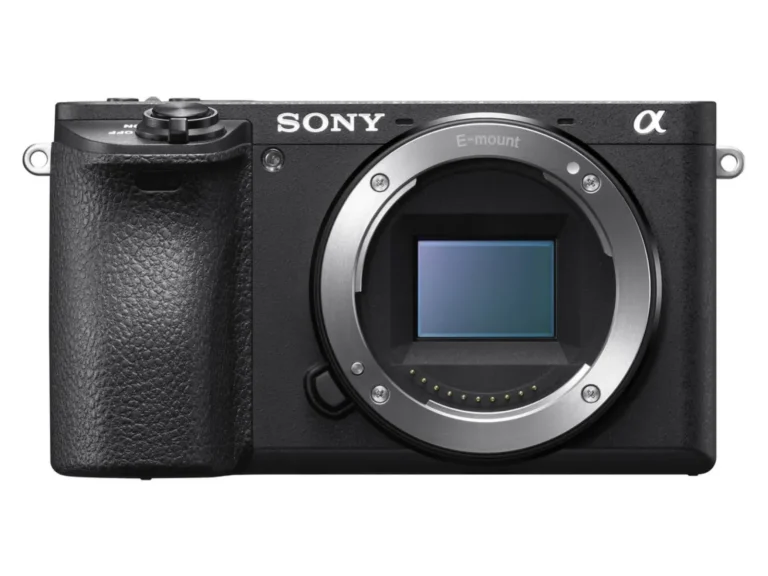
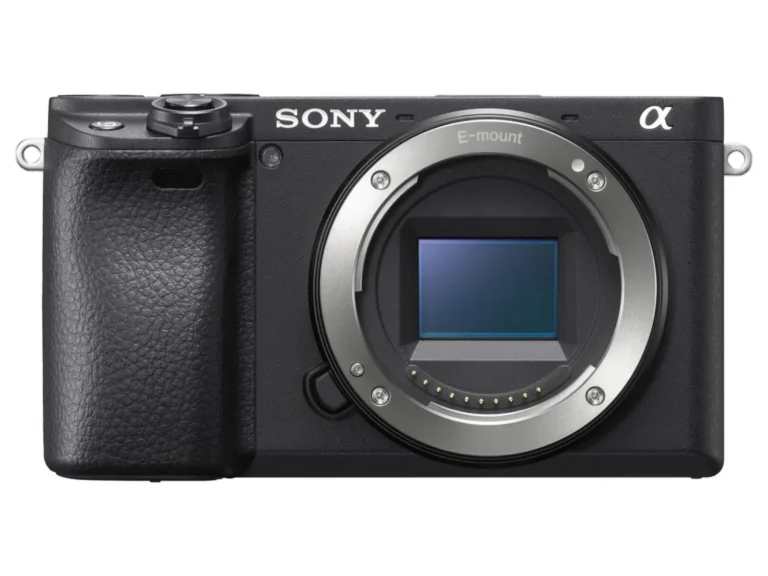
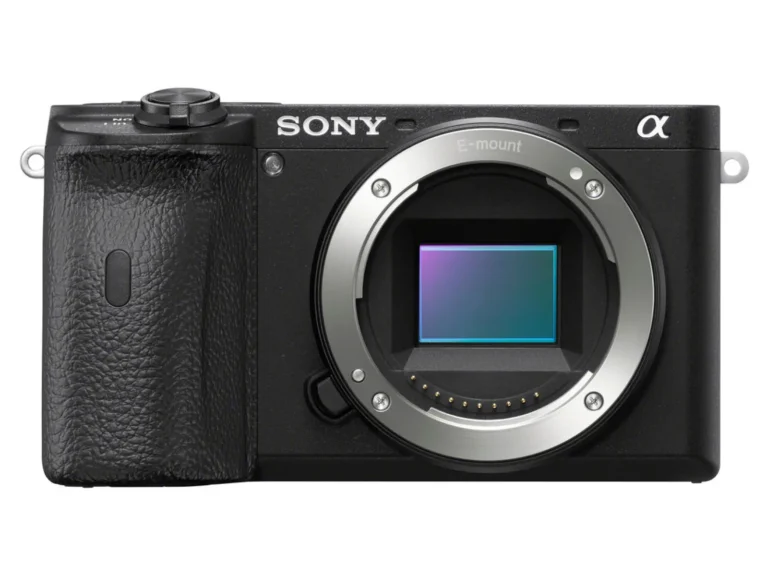
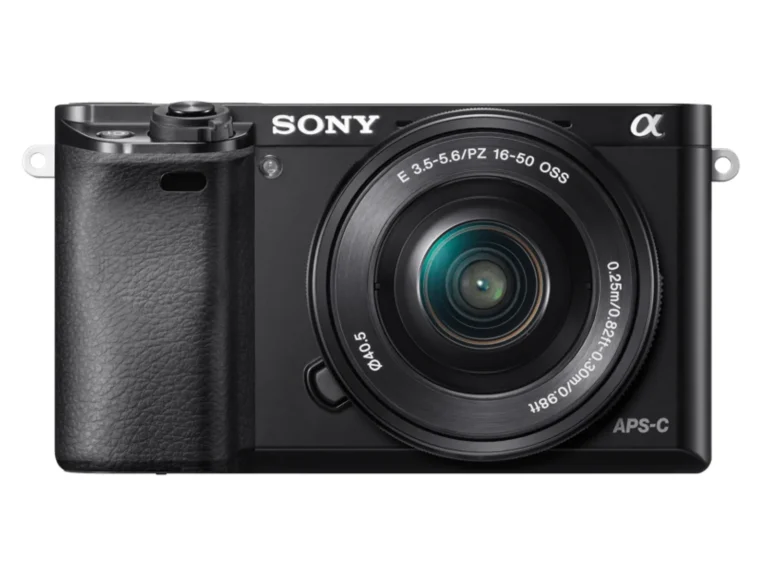
Sony a6000 (2014) was a groundbreaking camera with a newly developed 24 MP APS-C sensor, shooting at up to 11 fps and one of the best AF systems in the industry. Sony a6300 and a6500 were released in 2016. Most notable improvements over the original model are the slightly upgraded sensor, even better AF, the addition of 4K video recording, higher-quality video recording options and a new weather-resistant body. Sony a6500 also added IBIS, an improved buffer, a touch screen and a more rugged weather-sealed camera body.
The 2nd generation:
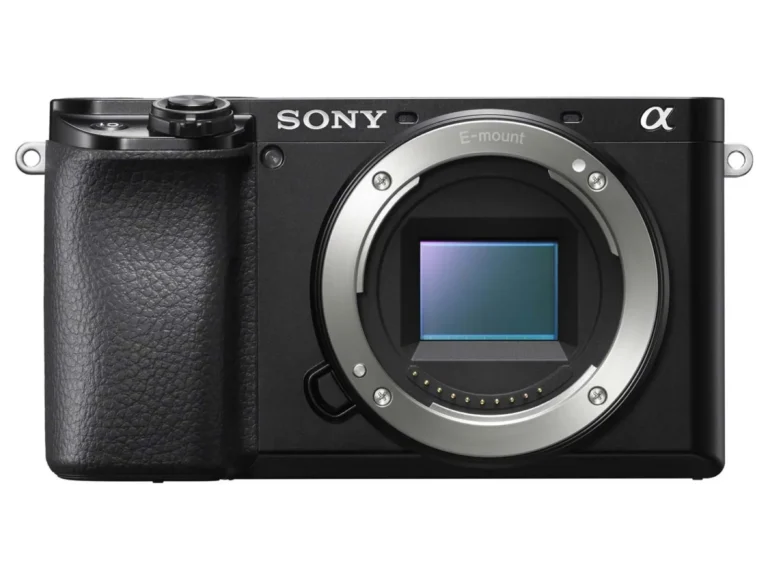
The a6100, a6400 and a6600, released in 2019, basically serve as updated successors to their respective 1st generation models: a6000 was replaced by a6100, a6300 was replaced by a6400 and a6500 was replaced by a6600.
They all still keep the same 24 MP APS-C sensor, but they upgrade to a much better processor taken from the Full-Frame Sony A9 (a new generation BIONZ X processor, but it still keeps the same name). This led to even better autofocus performance, noticeably better color science and more natural-looking skin tones. They all also gained a flip-up screen (instead of a basic tilting screen), improved eye autofocus, a new menu system, 13 hour video recording limit (instead of 30 minutes) and more.
A few key differences worth noting:
– a6000 and a6100 are entry-level models with a cheaper body without weather sealing and IBIS.
– a6300 and a6400 both have a weather-sealed body, neither has IBIS.
– a6500 and a6600 both have IBIS and a durable weather-sealed body, a6600 also adds a larger battery.
What’s the same across all models?
All six cameras use a very similar 24 MP APS-C CMOS sensor, resulting in comparable image quality across the lineup. All can shoot at 11 fps with the mechanical shutter. Video recording is limited to 8-bit and all cameras (except the original a6000) can record high-quality 4K video at up to 30 fps oversampled from 6K.
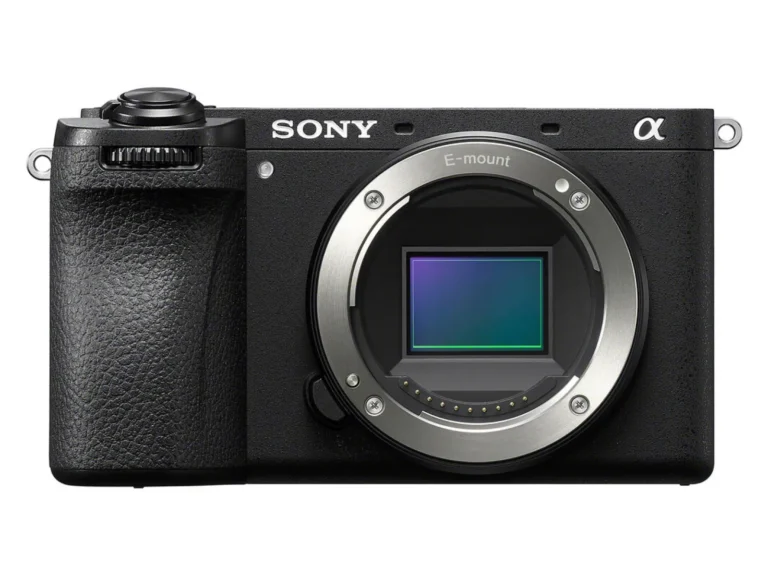
Sony a6700 (2023) is Sony’s most advanced APS-C model yet with new 26 MP BSI sensor, improved color science, Sony’s latest AI-Powered autofocus, IBIS, a fully articulating screen, 4K recording up to 120 fps… A powerful hybrid camera for serious creators.
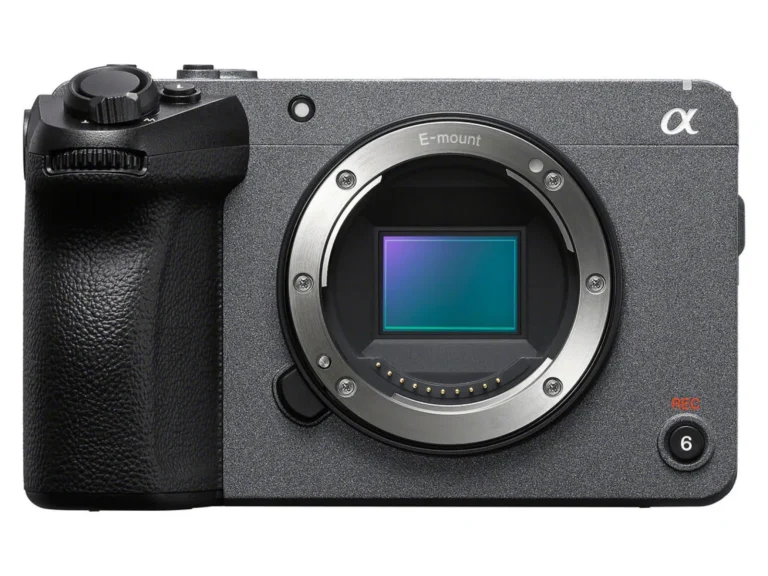
Sony FX30 (2022) is an ‘affordable’ cinema camera with a 26 MP BSI sensor. Most specifications are the same as in a6700. It’s clearly not a dedicated photography camera since it doesn’t have a mechanical shutter or the EVF and it includes numerous additional video-oriented features, such as an active cooling system, additional mounting points and more.
It’s essentially an APS-C version of the extremely popular full-frame Sony FX3 (and for about half the price of the FX3).
ZV-E10
ZV-E10 II
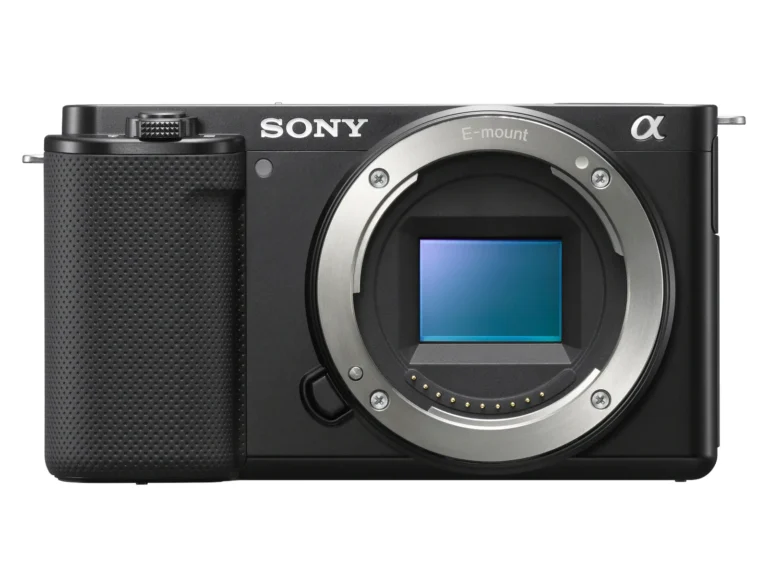
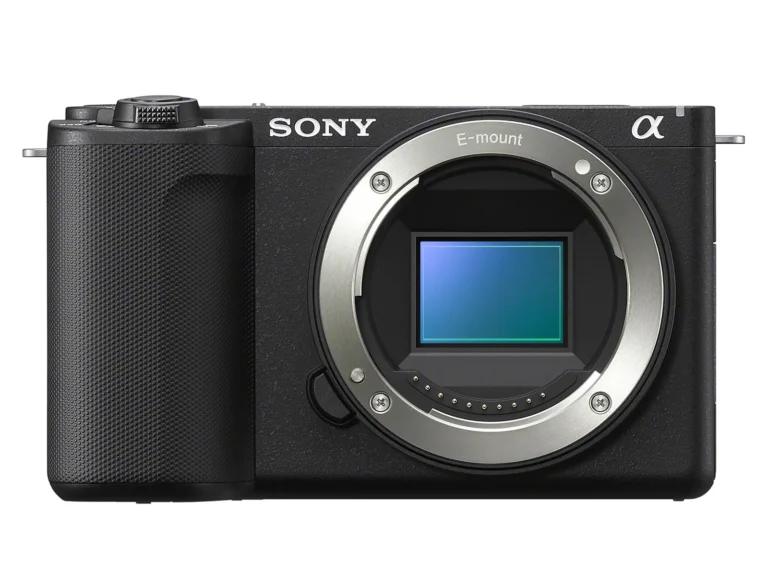
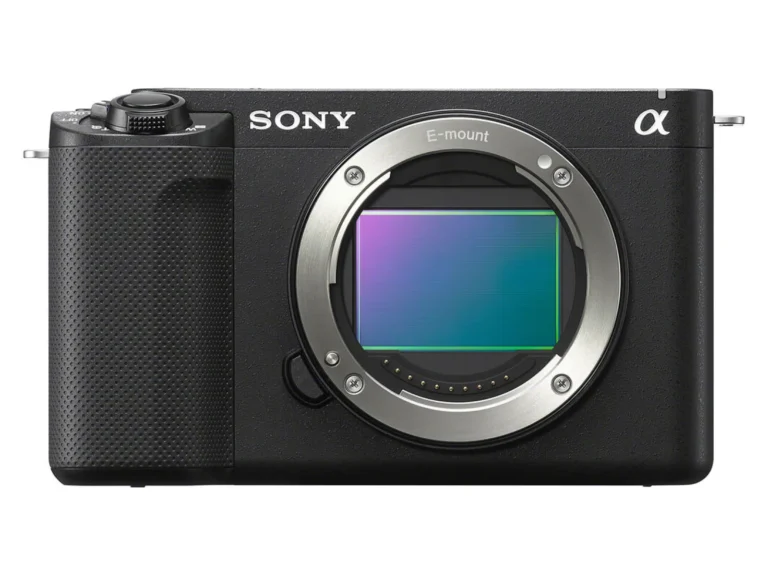
Sony ZV-E10 (2021) and ZV-E10 II (2024) are simpler vlogging and video-focused cameras for creators. Both have a fully articulating screen, electronic image stabilization and a simplified, more affordable and more compact design without an EVF. The Mark I has the same 24 MP sensor as the 1st and 2nd generation of a6000 cameras, the Mark II has a new 26 MP sensor, better autofocus, more video recording options, a new menu system and a bigger battery, but of course at a higher price tag.
SONY Full-Frame Cameras
Sony’s full-frame mirrorless lineup began in October 2013 with the introduction of the Sony A7 and A7R. Today, it offers cameras for virtually every type of photographer and videographer, ranging from versatile all-rounders and high-resolution models to action-focused and video-centric cameras. Sony’s full-frame cameras are widely recognized for their advanced autofocus systems, excellent low-light performance and compact form factors.
A7 - Hybrid
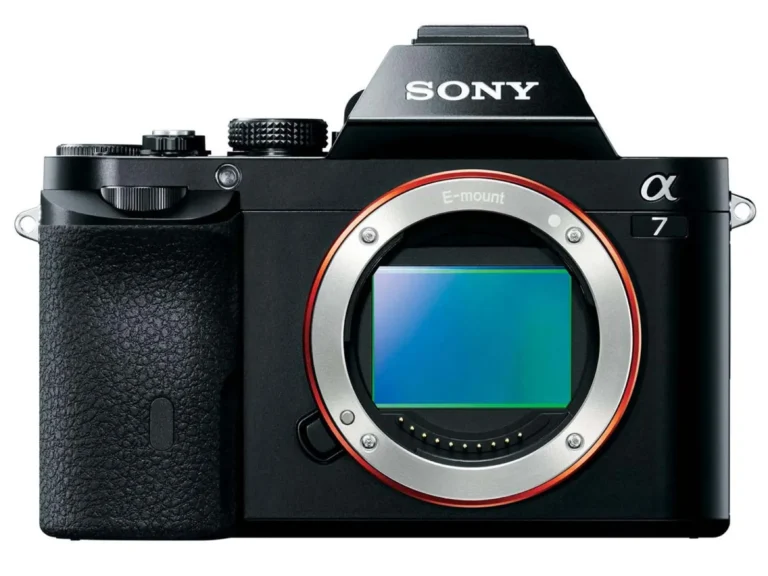
Sony A7 (2013) was the first camera in the lineup. It had a 24 MP sensor. It offered 1080p 60fps recording and continuous shooting at up to 5 fps in 12-bit RAW. It had an outdated autofocus system and weak weather sealing. It didn’t have an electronic shutter.
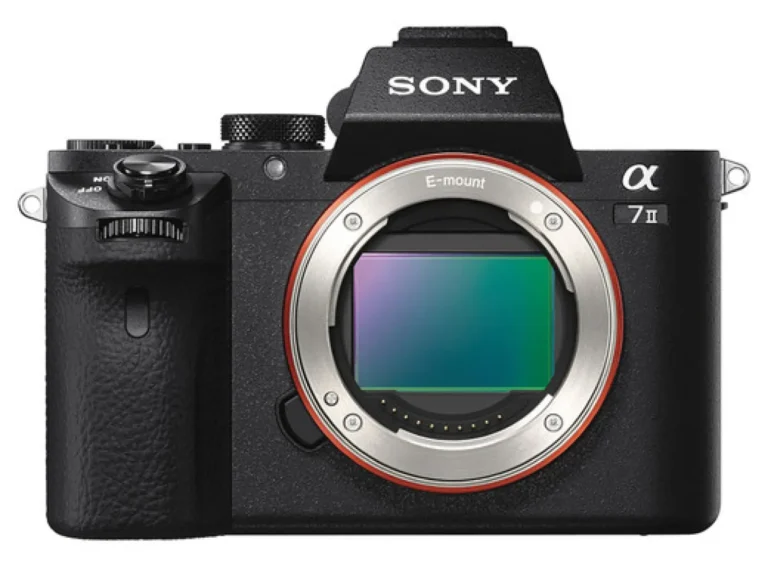
Sony A7 II (2014) uses the same 24 MP sensor. It introduced several key upgrades including IBIS, improved autofocus, a more comfortable grip, enhanced RAW file quality and higher-quality video recording.
Due to outdated autofocus, slower processing, low continuous shooting speeds, limited buffer capacity, poor battery life and without 4K recording, both the A7 and A7 II are now considered extremely outdated.
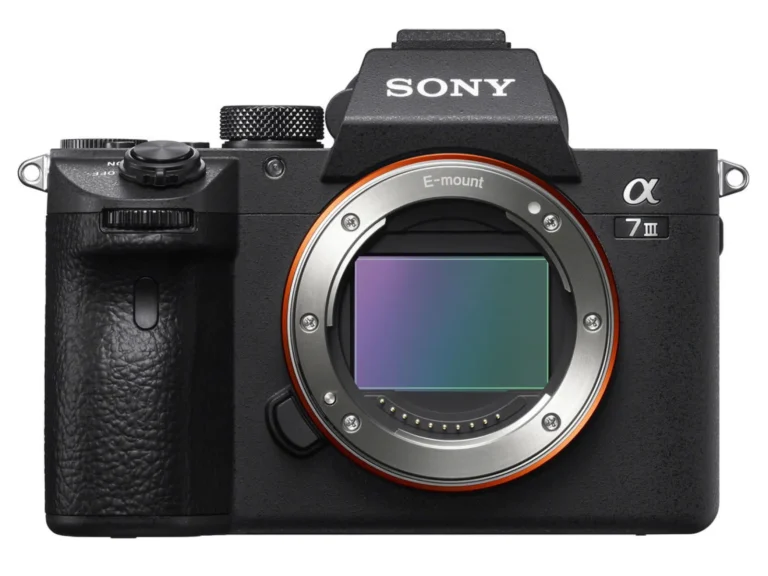
Sony A7 III (2018) was a significant upgrade and remains one of the most popular full-frame mirrorless cameras on the market to this day. It features a new 24 MP BSI (backside-illuminated) sensor, allowing for better low-light performance and more dynamic range. It introduced oversampled 4K video recording, continuous shooting at up to 10 fps, dual UHS-II SD card slots, accurate eye AF and faster overall AF, improved EVF and LCD panels, faster processing, more customizable controls, a new menu system and a new battery extending battery life by more than 2x.
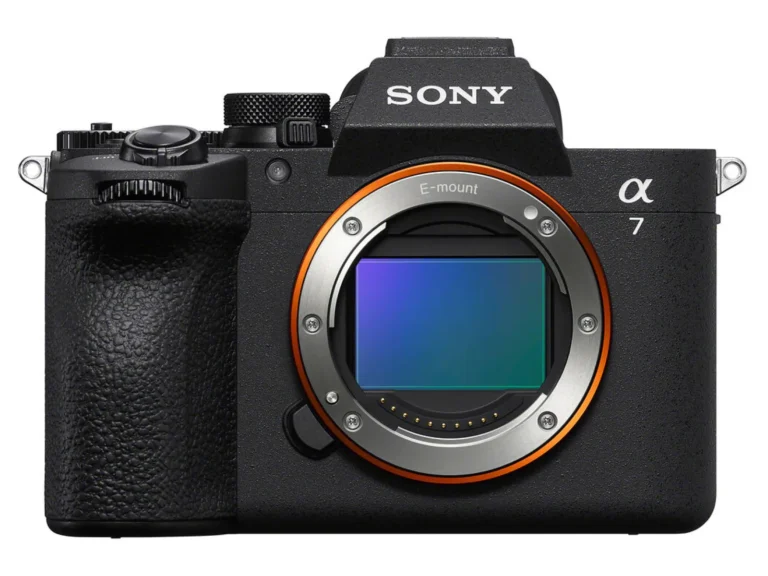
Sony A7 IV (2021) features a new 33 MP BSI sensor, improved AF performance, higher-quality EVF and LCD panels, better IBIS, a deeper buffer and 10-bit 4K recording oversampled from 7K. It doesn’t replace the A7 III – it is sold alongside the A7 III as a significantly upgraded – but also more expensive – option. However, the camera does have some drawbacks. High-speed shooting is limited to just 6 fps in RAW (10 fps compressed RAW) and while video capabilities include 4K 60 fps, rolling shutter can be a serious issue due to the high-megapixel sensor (though dynamic range remains excellent).
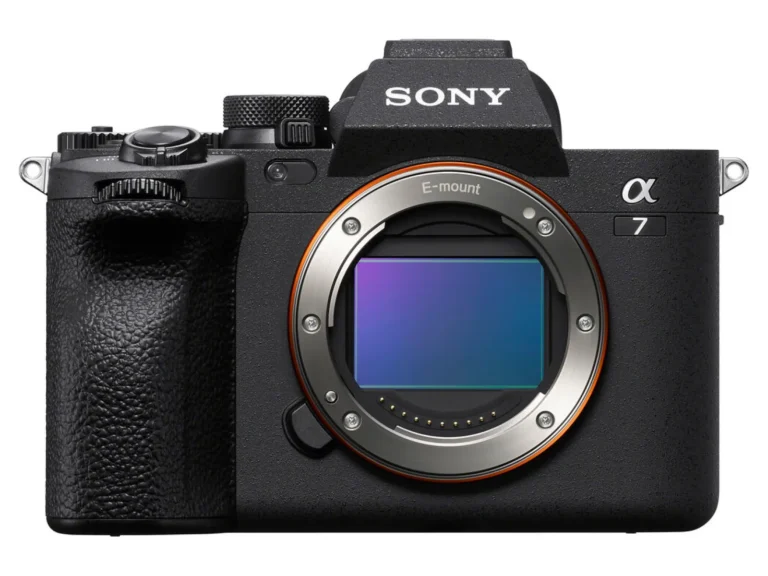
Sony A7 V (2025) replaces the classic 33 MP BSI sensor with a faster partially-stacked 33 MP BSI sensor with faster readout resulting in even better autofocus performance, much less rolling shutter distortion and better high-speed shooting performance (up to 20 fps with the electronic shutter and up to 30 fps with Sony-branded lenses). It also introduces a new BIONZ XR2 processor with a built-in AI processing unit (for enhanced processing when it comes to AI driven tasks) and a new hybrid screen design (tilting and fully articulating). Video recording is limited to 4K and to 10-bit (there is no internal or external 12-bit RAW recording option).
It’s all-around one of the most balanced cameras Sony’s lineup and currently represents great value.

A7R - High Resolution
Sony A7R series is built for incredibly high resolution. Aside from the higher price compared to the regular A7 line, the ultra-high-resolution sensor brings some downsides: slower shooting, reduced burst rates, larger files, weaker low-light performance, but the downsides become less apparent with each new model – while early models focused primarily on megapixels, later generations introduced faster processors, better low-light capabilities, enhanced stabilization and improved continuous shooting speeds, making the A7R series not just a high-resolution powerhouse but also versatile tool for professional workflows.
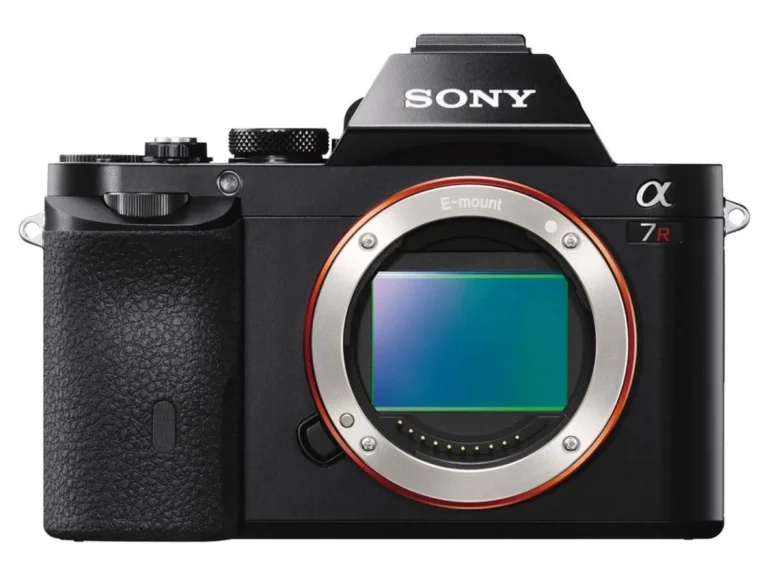
Sony A7R (2014) offered a 33 MP sensor, but it had an extremely outdated AF system and it lacked many modern features.
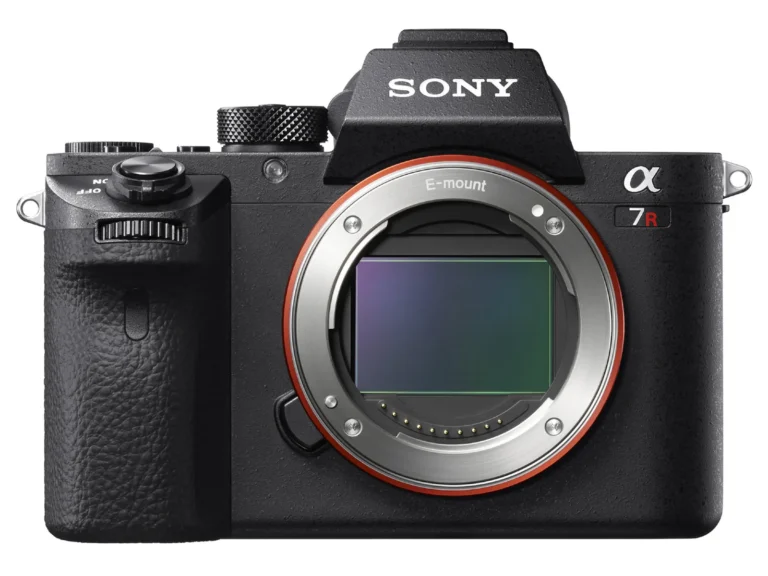
Sony A7R II (2015) introduced several major upgrades: a new 42 MP BSI sensor with better low-light performance and more dynamic range, 5-axis in-body image stabilization (IBIS), 4K video recording and improved autofocus. It offers 4K 30fps video recording and continuous shooting at up to 5 fps.
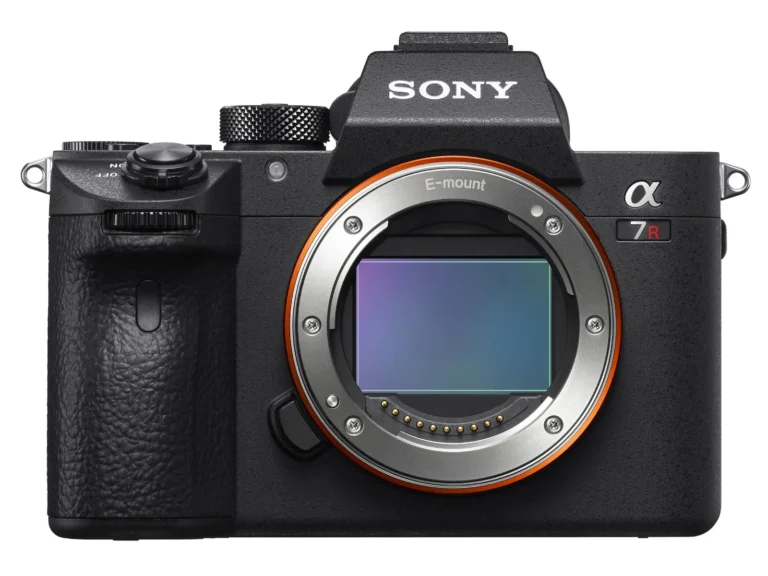
Sony A7R III (2017) kept the same 42 MP BSI sensor but added dual SD card slots, a faster processor, better continuous shooting rate, a larger buffer, improved autofocus system with more focus points and much longer battery life, addressing many of the practical limitations of its predecessors. It can record in 4K at 30 fps and in oversampled 4K at 30 fps by utilizing a 1.5x crop. Continuous shooting is limited to around 6 fps for 14-bit RAW and 10 fps for 12-bit compressed RAW.
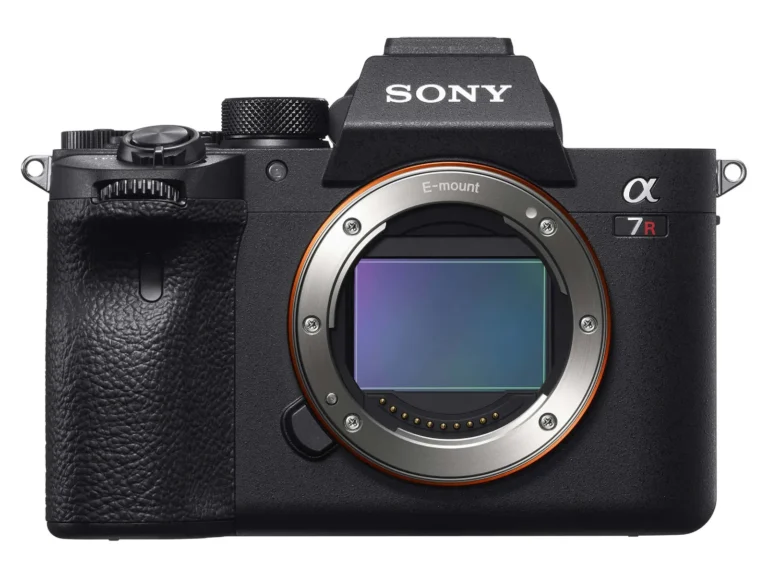
Sony A7R IV (2019) introduced a new 61 MP BSI sensor. It maintained fast autofocus and also added a higher-resolution EVF, better ergonomics and improved connectivity for professional workflows. It also offers continuous shooting at up to 7 fps (10 fps compressed 12-bit RAW), 4K 30 fps video recording and oversampled 4K recording by utilizing a 1.6x crop.
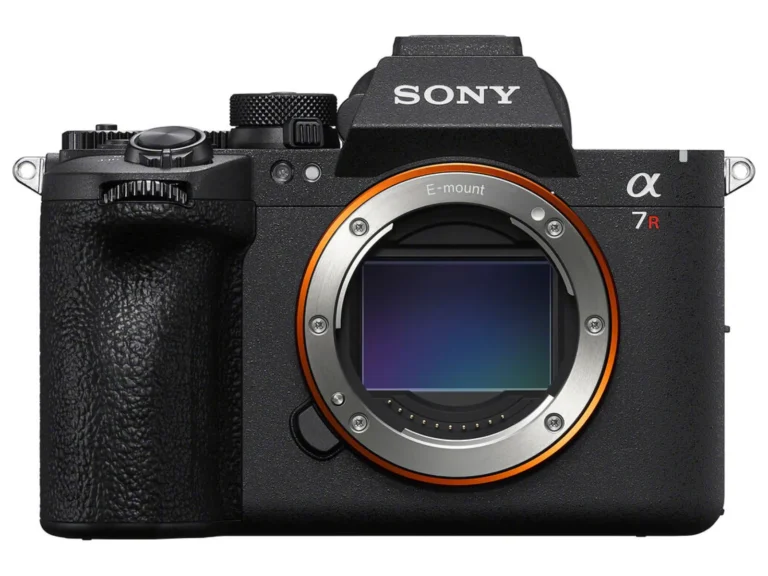
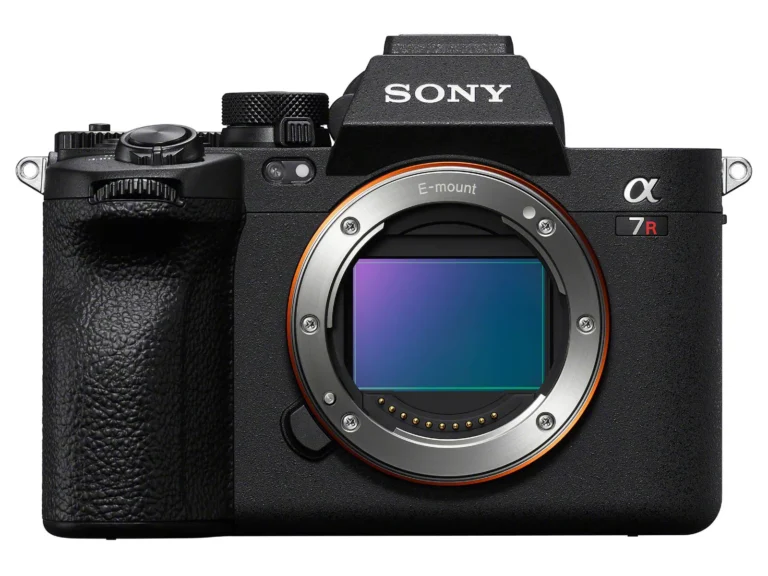
Sony A7R V (2022) keeps the same 61 MP BSI sensor. It introduces several improvements including dual card slots that now both accept either CFexpress Type A or UHS-II SD cards, higher-resolution EVF and LCD panels, a full-size HDMI port and a new extremely practical tilting and fully articulating screen design. It has a new AI processing unit that improves autofocus performance with an AI-based deep-learning engine for enhanced subject recognition and tracking.
Continuous shooting is still limited to around 7 fps for 14-bit RAW and 10 fps for compressed 12-bit RAW. It can record in 8K at 25 fps with a 1.25x crop, in 4K at up to 60 fps with a 1.25x crop and in oversampled 4K at 30 fps by utilizing a 1.5x crop. Internal recording is now limited to 10-bit (instead of 8-bit) with an option for external 16-bit recording.
Sony A7R VI (2026) is Sony’s latest high-resolution full-frame camera and a major upgrade over previous models in the A7R series. It introduces a new 67 MP fully stacked sensor with faster readout speeds paired with Sony’s latest BIONZ XR2 processor with a built-in AI processing unit.
The camera can shoot continuously at up to 10 fps in 14-bit RAW and even up to 30 fps with the electronic shutter, while also offering enhanced video capabilities including 8K recording at 30 fps and 4K recording at up to 120 fps. Internal recording is now limited to 10-bit (instead of 8-bit) with an option for external 16-bit recording. The autofocus system has been upgraded as well, bringing Sony’s latest AI-powered subject detection and tracking features to the high-resolution A7R lineup.
A7C - Compact A7
Sony’s A7C series cameras are essentially A7 series cameras, but in a more compact, cheaper, rangefinder-style body. They’re ideal for beginners and hobbyists, but the absence of dual card slots makes it less suitable for professional use compared to other Sony cameras.
A7CR
A7C II
A7C
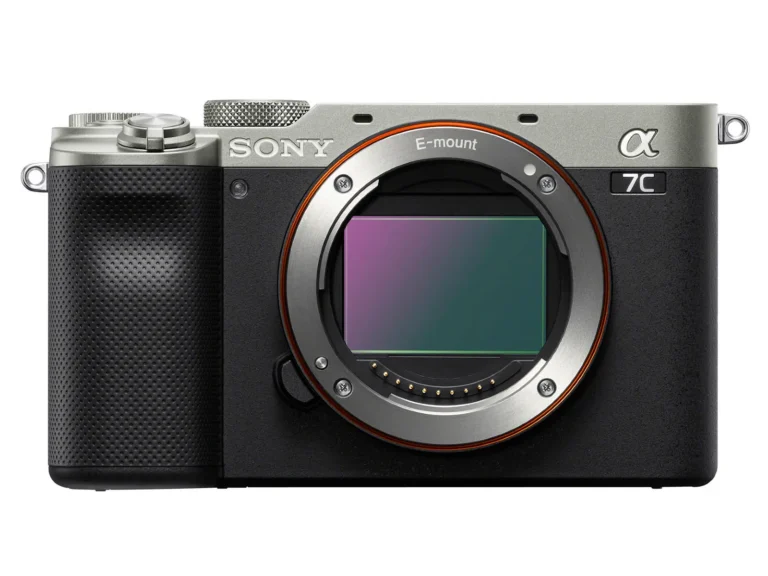
Sony A7C (2020) is essentially the A7 III in a smaller, lighter body with the same 24 MP BSI sensor.
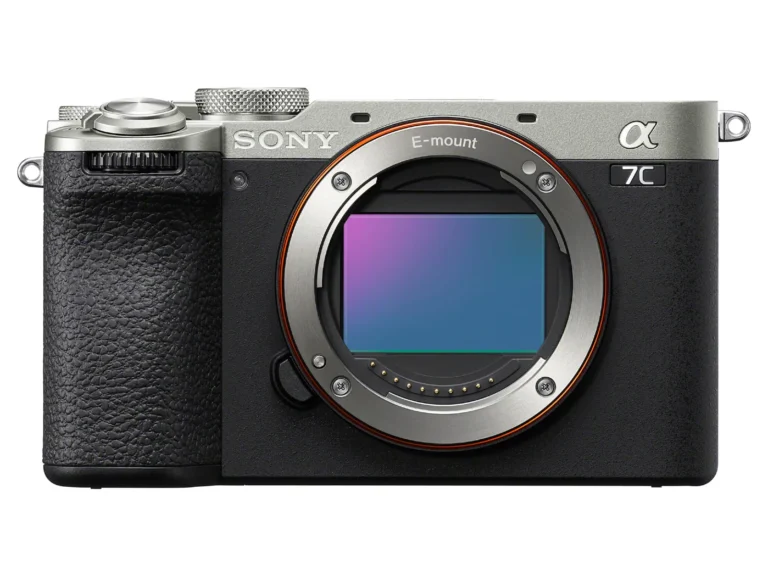
Sony A7C II (2023) is built on the newer A7 IV with a 33 MP BSI sensor.
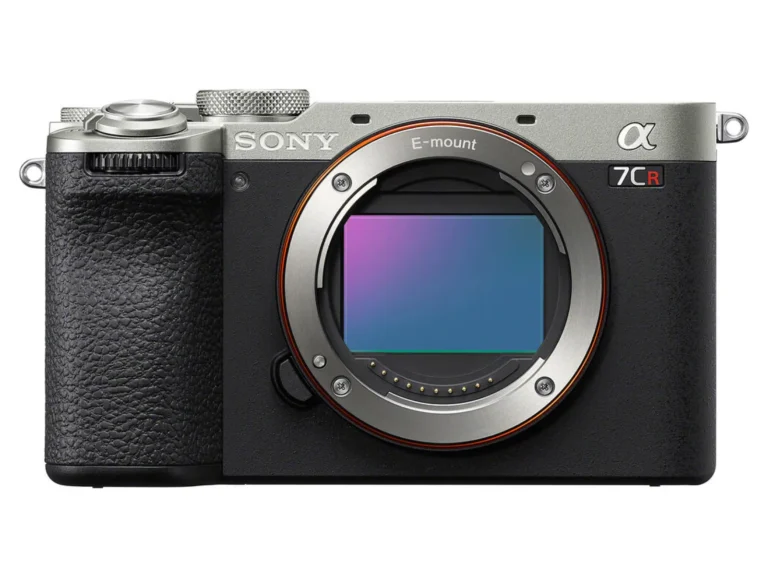
Sony A7CR (2023) is essentially the A7R IV in a smaller, lighter body with the same 61 MP BSI sensor as the A7R IV and A7R V.
A7S - Video Specialist
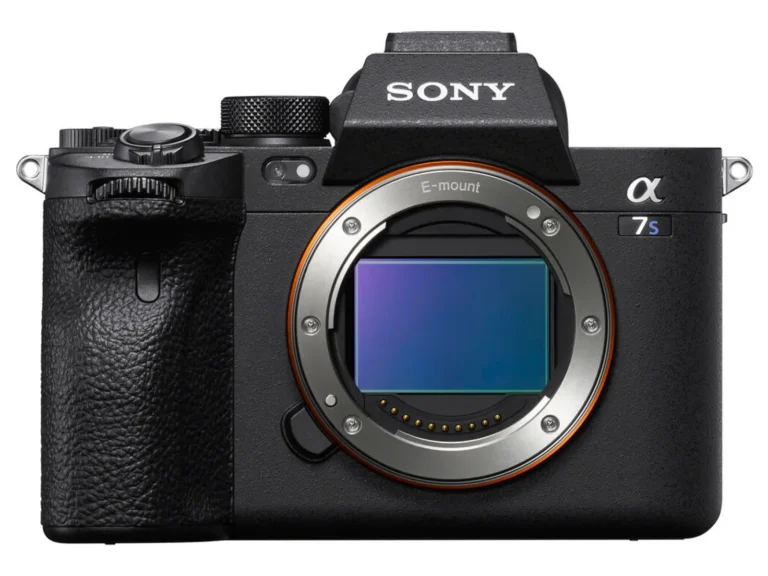
Sony’s A7S series is all about video quality, low-light performance and incredible dynamic range. Instead of chasing high megapixels, these cameras use low-resolution sensors to maximize light sensitivity, making them favorites among filmmakers.
A7S
A7S II
A7S III
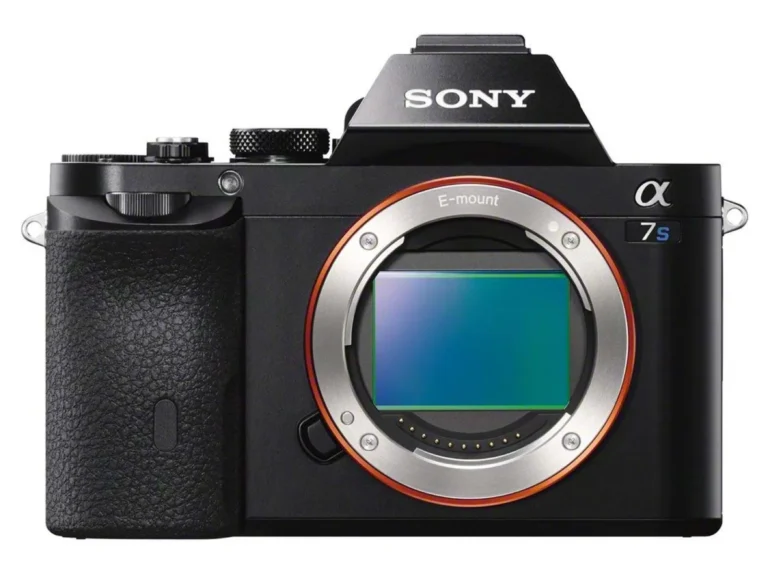
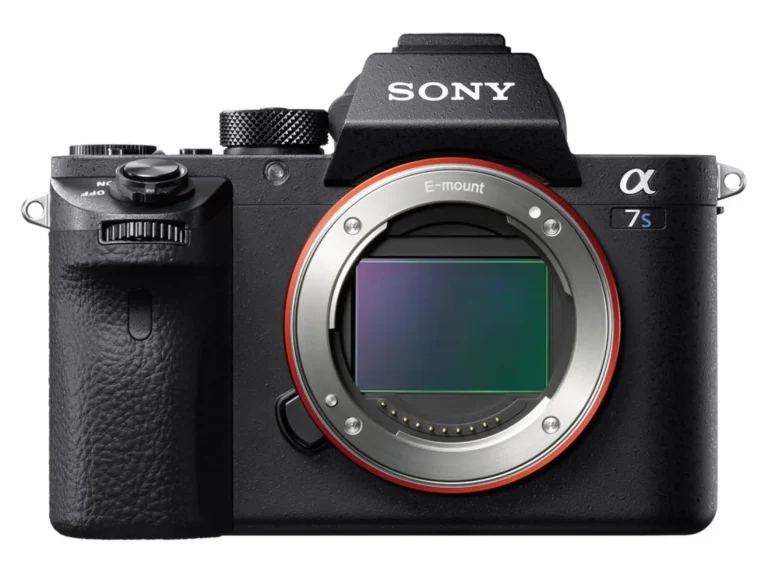
Sony A7S (2014) and Sony A7S II (2015) featured a 12 MP full-frame sensor that offered great high-ISO performance and impressive video quality for its time. The A7S II also features 5-axis IBIS, improved 4K internal recording, better autofocus performance, better color accuracy and refined video settings.
Sony A7S III (2020) introduced a new 12 MP BSI sensor. It features 4K video recording at up to 120 fps, dramatically reduced rolling shutter distortion, a much larger and sharper EVF, a fully articulating touchscreen, dual card slots, faster autofocus, better heat management and one of the best video-focused imaging pipelines Sony has ever released. It’s so far ahead of the earlier models that the original A7S and A7S II are now next to impossible to recommend.
A1 - Flagship
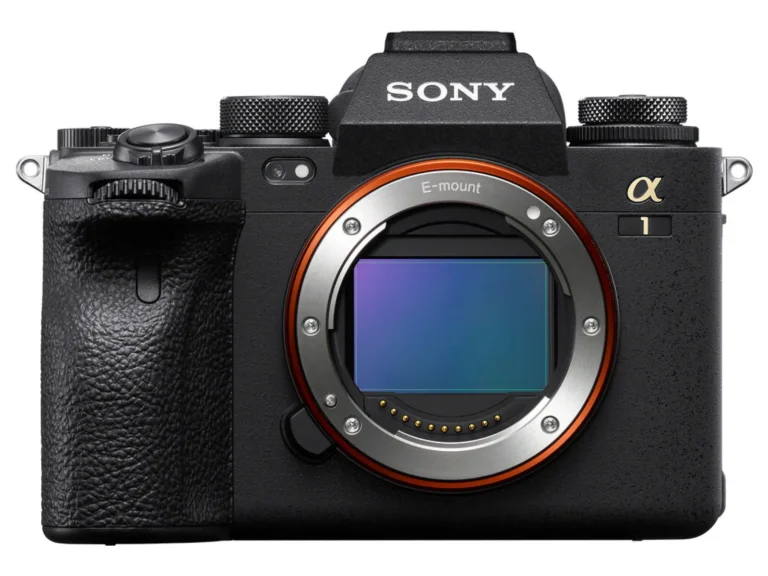
Sony A1 (2021) is Sony’s flagship camera with a 50 MP stacked sensor, offering 30 fps continuous shooting, 8K video recording and advanced autofocus with real-time Eye AF for humans and animals. It’s designed for professionals who need ultimate speed, resolution and versatility for sports, wildlife, studio and high-end video work.
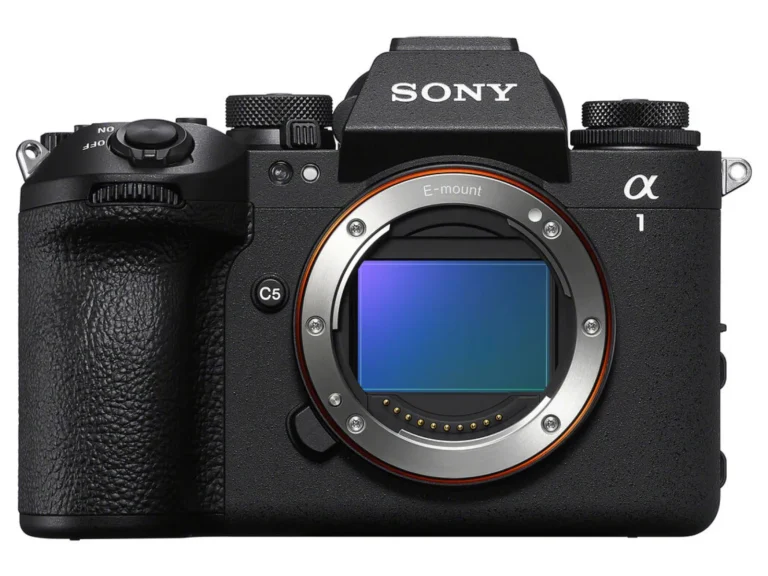
Sony A1 II (2024) keeps the same 50 MP stacked sensor, but it utilizes a new AI processing unit for enhanced subject recognition and tracking. It adds a pre-capture mode, it upgrades to a more rugged and more ergonomic body and it introduces a new extremely practical higher-resolution LCD screen (tilting and fully articulating). Most other specifications remain the same as on the original A1. It’s an even more powerful tool for professionals with one of the best AF systems in the industry.
A9 - Speed-Focused Powerhouse
A9 III
A9 II
A9
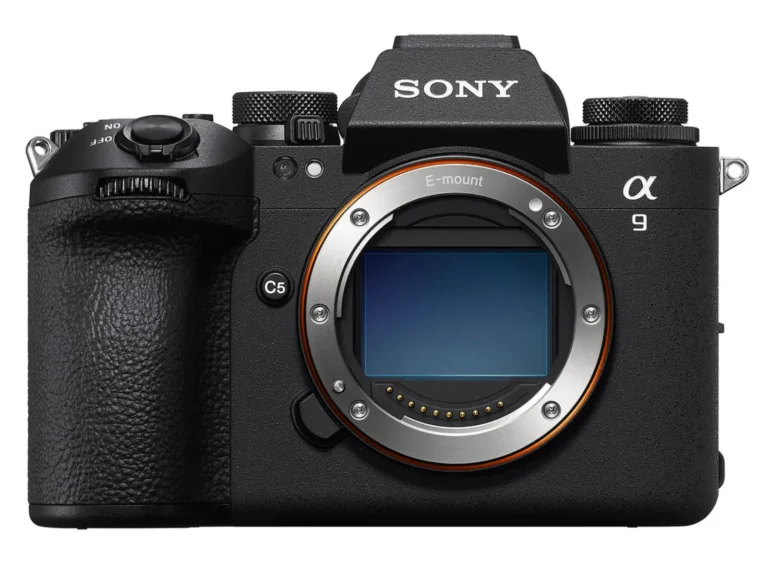
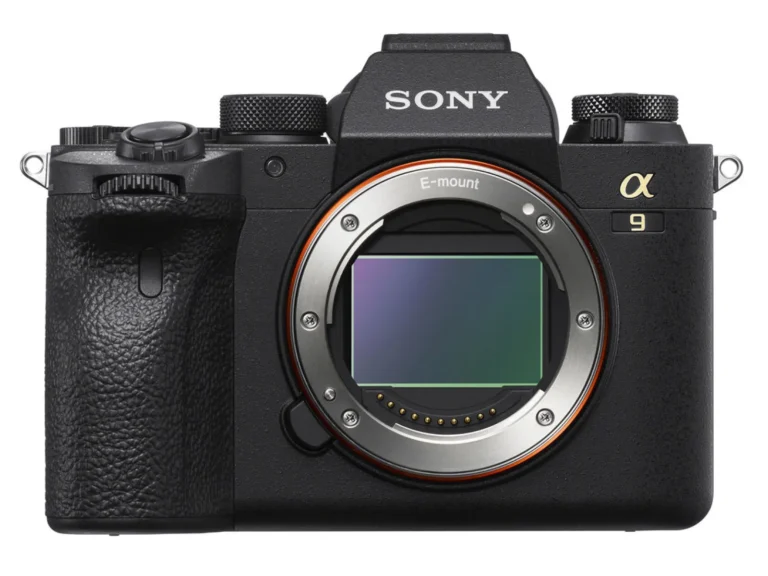
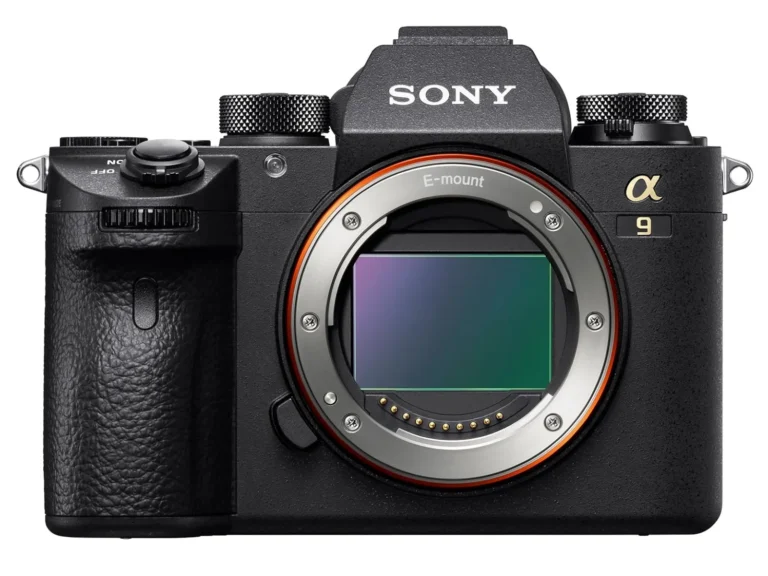
Sony A9 series is built for high-fps photography.
Sony A9 (2017) and Sony A9 II (2019) used a 24 MP stacked sensor. They both feature dual card slots, advanced autofocus and silent shooting at up to 20 fps without viewfinder blackout. The A9 II featured improved AF tracking and professional connectivity.
Sony A9 III (2023) is Sony’s flagship sports and action-focused mirrorless camera. It uses a 24.6 MP stacked global shutter sensor paired with Sony’s BIONZ XR processor, delivering blackout-free shooting with no rolling shutter distortion. The camera can shoot at up to 120 fps with continuous AF tracking, offers shutter speeds up to 1/80,000 sec and features Sony’s advanced AI-powered autofocus system. For video, it supports 4K recording at up to 120 fps and oversampled 4K 60 fps recording, making it a solid hybrid option for professional sports, wildlife and event photographers. Keep in mind that global shutter sensors sacrifice some dynamic range and low-light performance compared to traditional stacked CMOS sensors, since global shutter technology is generally less efficient at gathering light.
FX - Cinema Cameras
FX3
FX2
ZV-E1
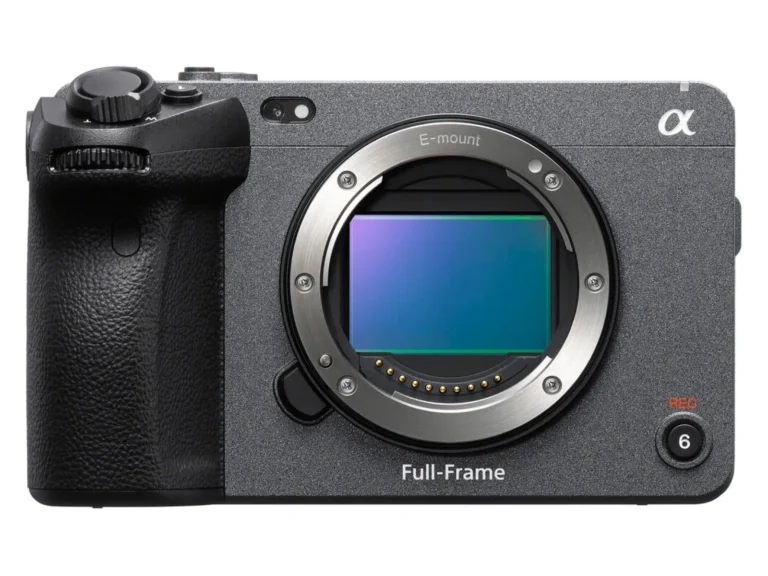
Sony FX3 (2021) is essentially an even more video-optimized version of the A7S III with the same 12 MP BSI sensor. It’s an absolute favorite among videographers. It features advanced autofocus, excellent low-light performance, active cooling, IBIS, tally lights, professional audio recording options and high-quality 4K video recording at up to 120 fps. Its compact design makes it ideal for handheld and gimbal setups while still delivering high-end cinematic quality.
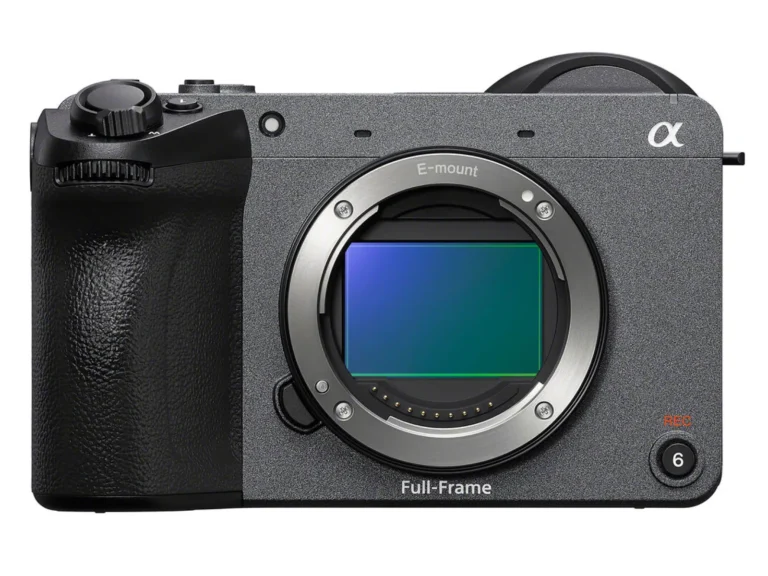
Sony FX2 (2025) features a 33 MP BSI sensor – the same as the A7 IV and A7C II – and shares a similar body design with the FX3, but with notable changes such as a built-in EVF and a slightly revised control layout. The high-resolution sensor brings some downsides: worse low-light performance, more rolling shutter distortion and fewer video recording options (such as cropped 4K video).
Sony ZV‑E1 (2024) features the same 12 MP BSI sensor as the FX3. Unlike the FX3 it is not a cinema camera, but is basically a full-frame version of the very popular ZV‑E10, designed for vloggers and content creators. It offers 4K video recording, fast autofocus and great low-light performance, while keeping the compact, creator-friendly design and that made the ZV‑E10 popular.
SONY Compact Cameras
Alongside its well-known interchangeable-lens cameras, Sony has consistently developed a wide range of compact cameras, offering high-quality performance in small, portable bodies. With so many models released over the years, we will focus on the most recent and important ones.
RX1R III
RX100 VII
ZV-1 II
ZV-1F
ZV-1
The Sony RX1R III (2025) is a premium compact full-frame camera with a 61 MP sensor and fast 35mm f/2 Prime lens. Its high-resolution sensor, excellent low-light performance and pocketable design make it a capable option for travel, street and everyday photography without sacrificing image quality. However, its lack of features like weather resistance or a tilting screen and combined with its astronomical price, it’s not a recommended purchase.
The Sony RX100 VII (2019) is a compact powerhouse with a 1-inch 20 MP sensor, 24-200 mm equivalent f/2.8–4.5 zoom lens, 20fps shooting, real-time Eye AF and 4K video. Its compact size, versatile zoom, fast autofocus and video features make it a great all-in-one option for photographers and content creators who need high-level performance in a pocketable camera.
Sony ZV‑1 (2020) is a compact vlogging camera with a 1-inch 20 MP sensor, fast 24-70mm equivalent f/1.8–2.8 lens, 4K video, excellent autofocus with real-time Eye AF, fully articulating screen, optimized audio and background defocus for effortless content creation.
Sony ZV‑1F (2022) is a simpler, budget-friendly option with a fixed 20mm f/2 wide-angle lens, but it lacks some advanced features of the ZV‑1.
Sony ZV‑1 II (2023) keeps the 1-inch sensor and 24–70mm lens, but adds improved low-light performance, faster processing and enhanced autofocus, making it a more refined vlogging tool for creators.