
SONY Cameras
Sony a6000 Review
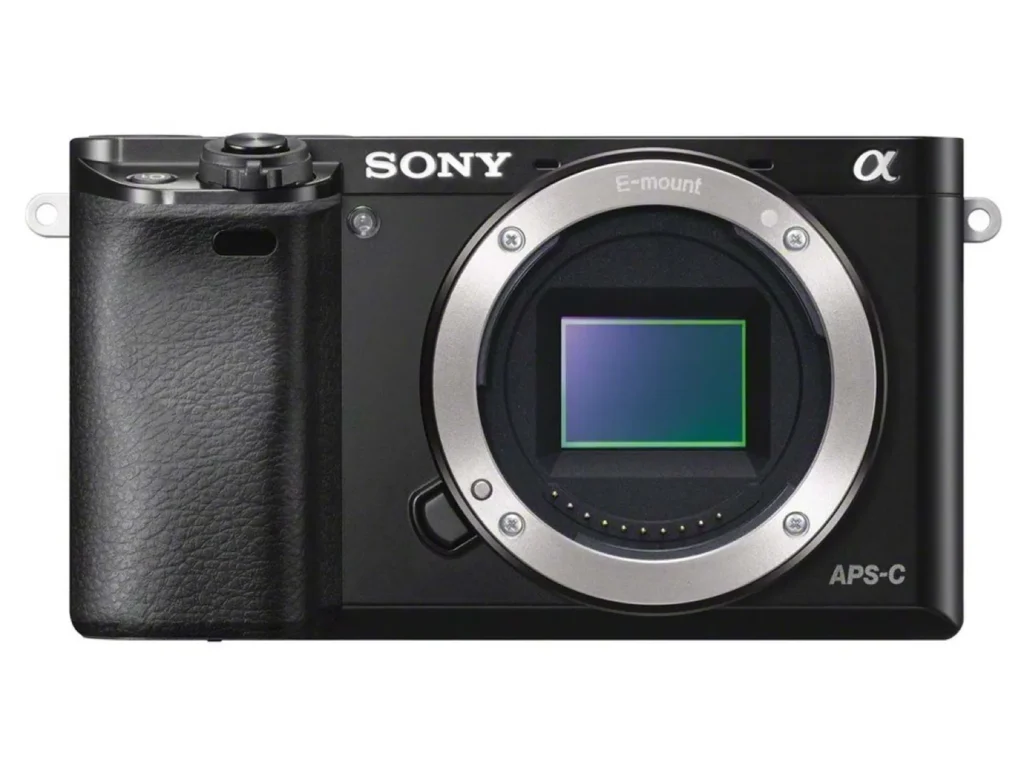
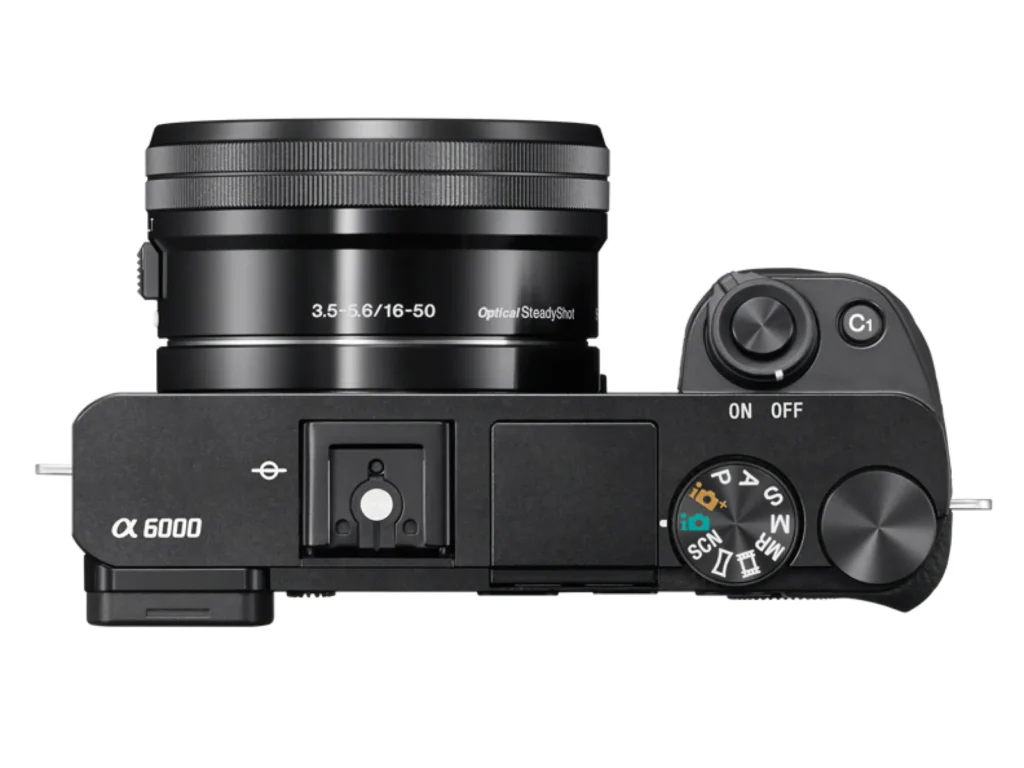
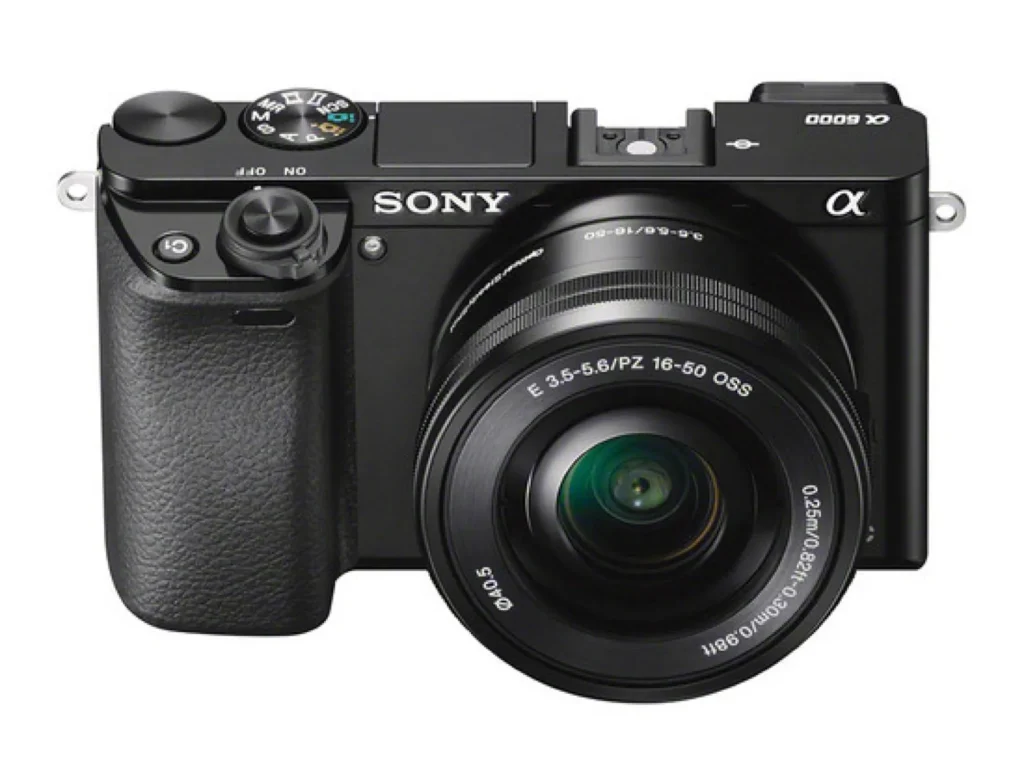
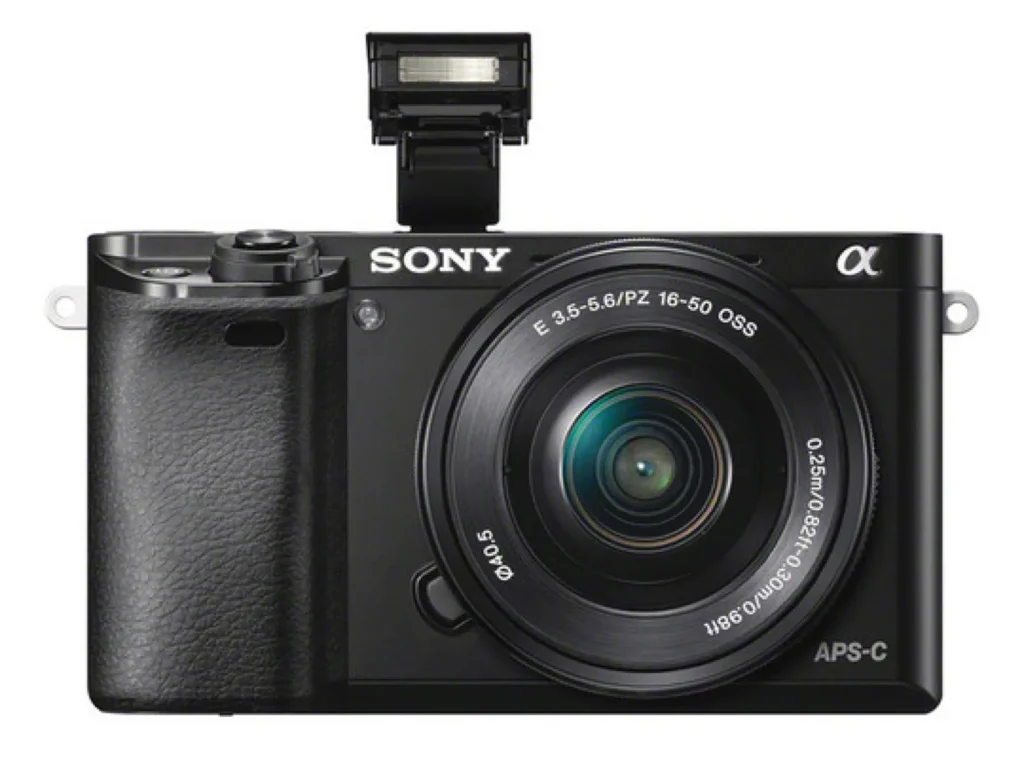
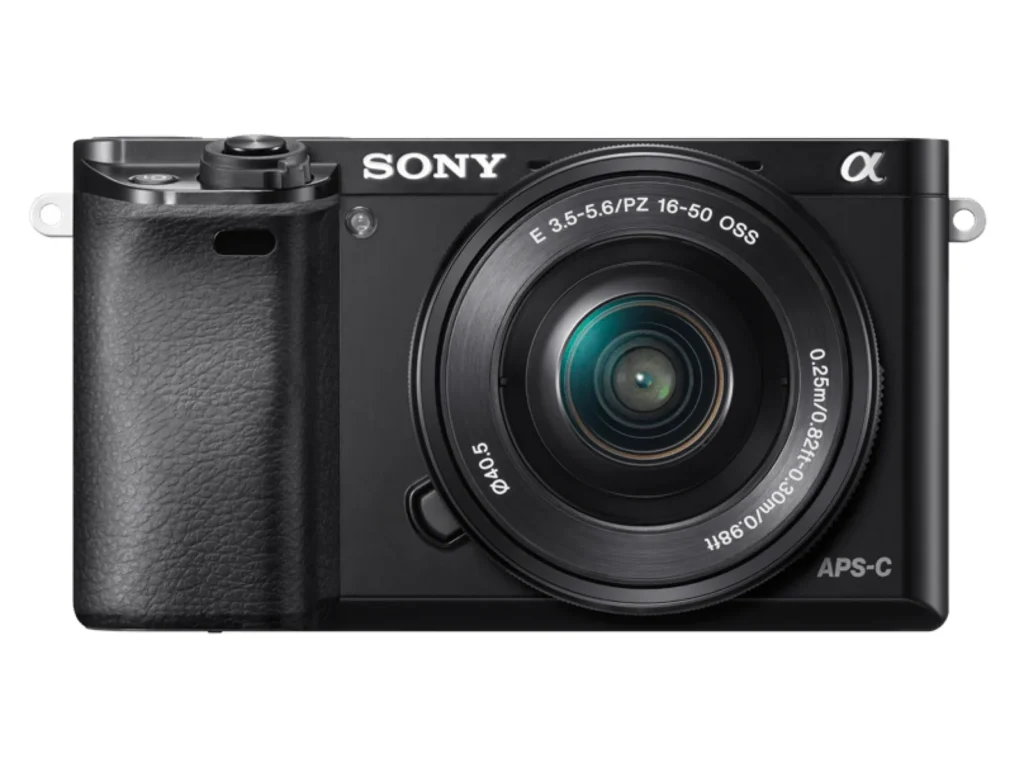
Sony a6000 was one of the most popular APS-C cameras at the time of its release and is still likely among the best-selling mirrorless cameras ever made. While it was not Sony’s first APS-C mirrorless model, the a6000 was the first to feature Sony’s new 24 MP APS-C sensor along with a significantly improved autofocus system.
The a6000 is no longer in production, but it remains popular on the used market, especially among beginners. It was replaced by the Sony a6100, released in 2019.
SONY E-Mount
Sony introduced the E-mount in 2010 alongside their first mirrorless cameras, giving them a huge head start. Over a decade later, there are over 100 native lenses and more than 200 if you include third-party options. Because the mount hasn’t changed, old lenses still work with newer cameras, creating a huge second-hand market. Compare that to Canon and Nikon, which only introduced new mounts in 2018, Sony users have had years to build and upgrade their kits without starting from scratch. For beginners entering the Sony system that means more options and much better prices.
SONY a6000 Price
Sony a6000 Specifications
General
Sony a6000 features a newly developed 24.3 MP APS-C sensor and Sony’s BIONZ X processor. The camera was released in 2014, but a similar sensor was later used in the a6300 and a6500 (both released in 2016), as well as in the a6100, a6400 and a6600 (released in 2019).
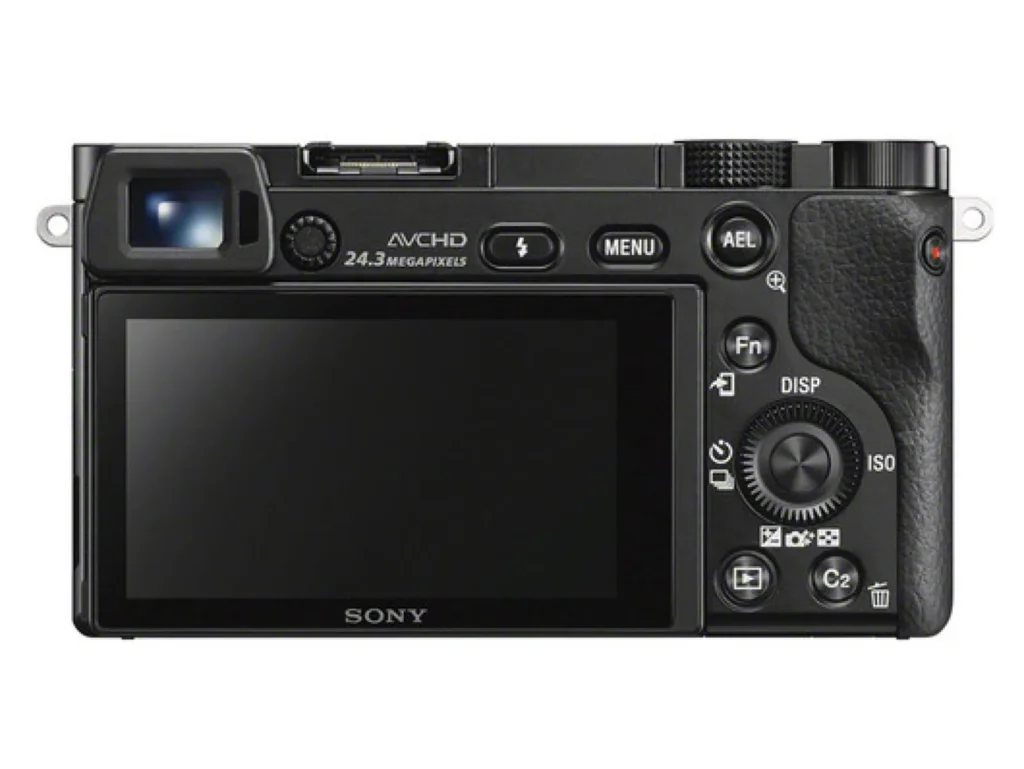
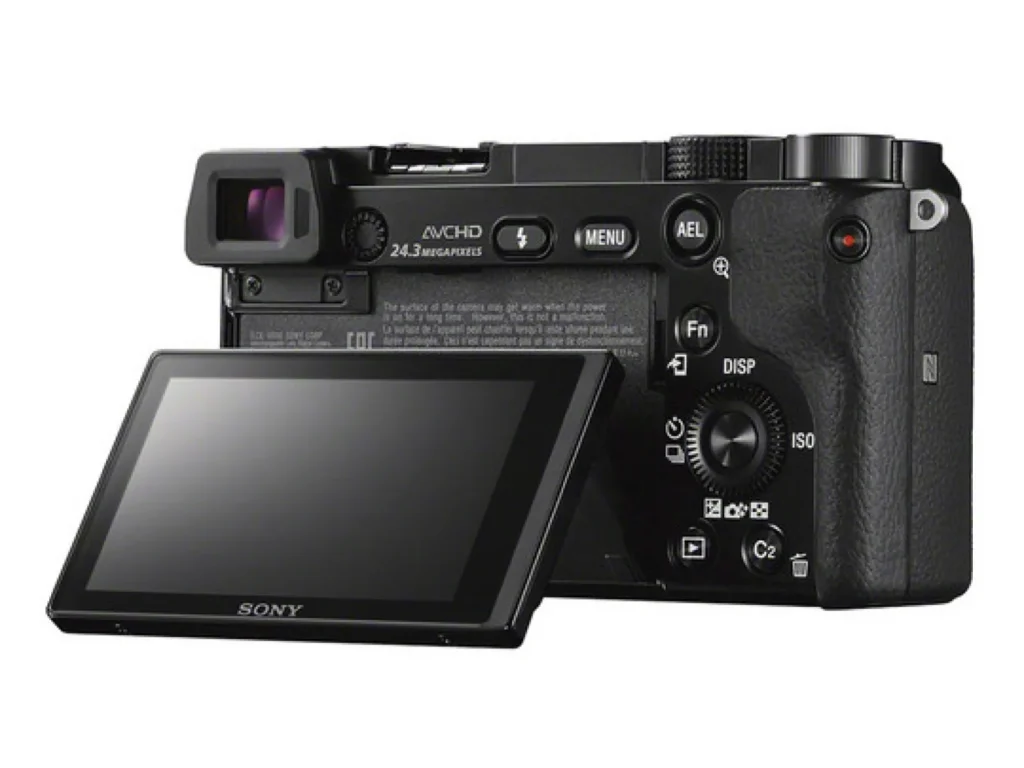
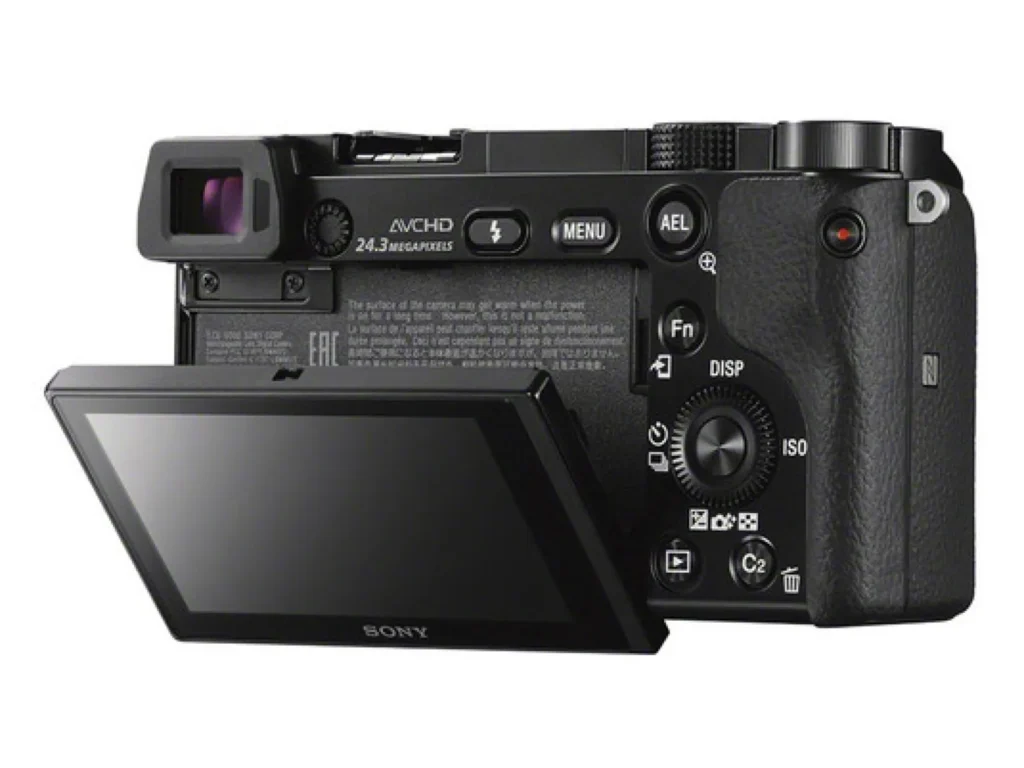
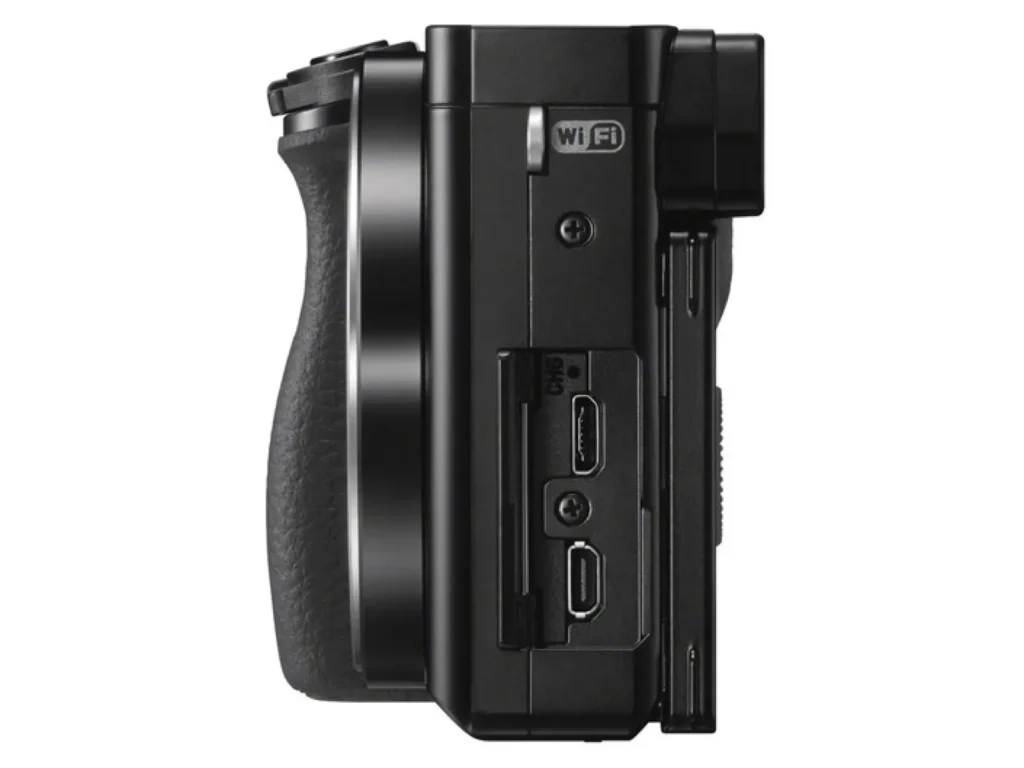
The camera has no in-body stabilization (IBIS), no weather sealing and no microphone or headphone jacks. The body is very compact. There is a tilting screen, but it is not touch-sensitive.
The a6000 features a simple tilting screen, but it is not a touch screen. Modern a6000-series cameras upgrade to a tilting flip-up screen or a fully articulating screen design.
The body is not weather sealed, but same also goes for the new entry-level model, the a6100. Keep in mind that all other a6000-series models do offer weather sealing, but at a slightly higher price point.
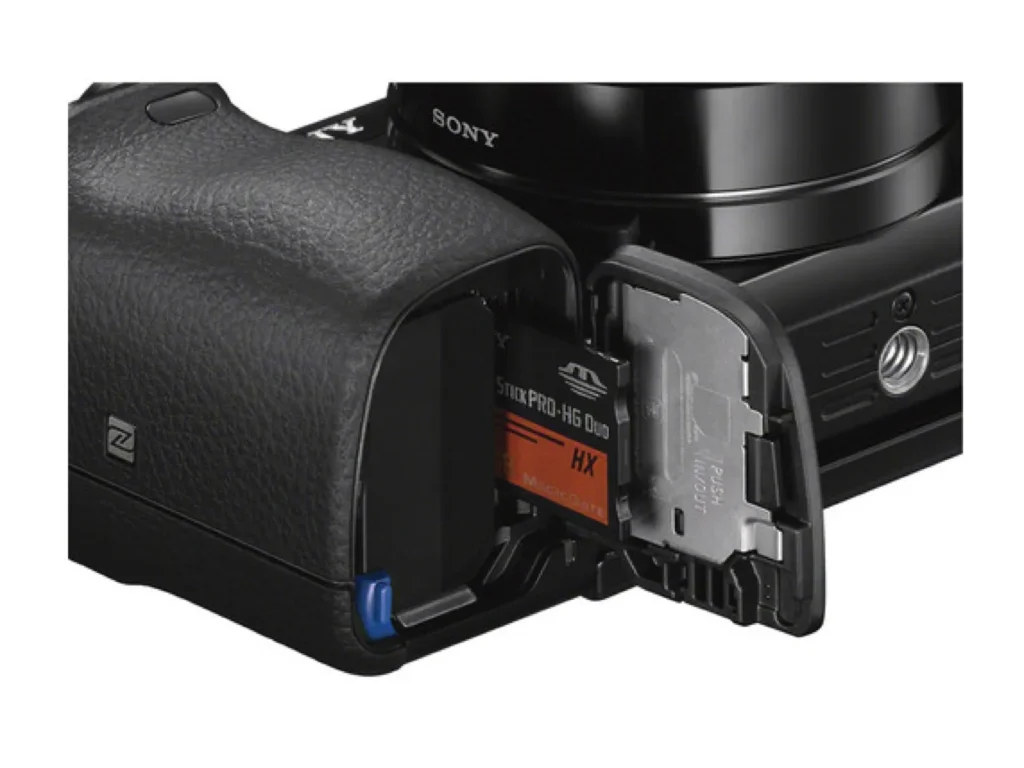
The a6000 has just one card slot, which supports only older and slower UHS-I SD cards. Battery life is very poor, so users need to purchase a few additional batteries for prolonged shooting.
Autofocus
Sony a6000 features Sony’s ‘Fast Hybrid AF’ system. In 2014, it was one of the best autofocus systems in the industry. According to Sony, it delivered 35% faster performance than their previous systems and even today it performs very well for casual photography, but performance clearly degrades in low light-conditions and when in video mode.
Face detection is available and continuous autofocus is also supported in video mode (a significant upgrade compared to its predecessors).
Autofocus performance is further improved in the a6300 (2016) and all other subsequent models.
Photography
Sony a6000 offers only the option of 12-bit RAW photos, while newer cameras always provide the option of higher-quality 14-bit RAW.
Even though newer Sony APS-C cameras still use a similar 24 MP sensor, the a6000 produces images that are noticeably softer and there is more noise at higher ISO values. Still, this is mainly noticeable when viewing images on a larger screen – when it comes to social media, the a6000 can still produce great photos.
Sony a6000 does not have a fully electronic shutter mode. It relies primarily on a mechanical shutter and there is also an option of an electronic first curtain shutter (EFCS).
Sony a6000 is capable of shooting at up to 11 fps in RAW with autofocus tracking, but the buffer is very limited (due to slower processing and the older UHS-I SD card). It allows only about 2 seconds of continuous shooting at that speed or around 21 frames according to official specifications. After that, the shooting speed drops to roughly 1 fps and it can take a while for the buffer to clear, sometimes even more than 30 seconds. You also cannot change settings or review images until the buffer has fully cleared.
Video
Sony a6000 does not offer 4K video recording.
Full HD (1080p) recording is available at up to 60 fps in Sony’s XAVC-S codec. Compared to older Sony APS-C cameras (the NEX series), this was a major improvement, as those models only featured the older AVCHD codec.
At this point it’s important to note that all newer Sony APS-C cameras offer high-quality oversampled 4K video recording.
There is no built-in image stabilization (IBIS) and no electronic stabilization, instead, the a6000 relies only on optical stabilization featured in certain lenses.
The camera has a 30-minute maximum clip length, which was standard for most cameras at the time.
| Feature | Sony A6000 |
|---|---|
| Release Date | February 2014 |
| Megapixels | 24.3 MP |
| Image Resolution | 6000 × 4000 |
| Sensor Size | APS-C |
| Sensor Type | CMOS |
| Image Processor | BIONZ X |
| IBIS | No |
| Weather Sealing | No |
| Lens Mount | Sony E |
| Body Type | Mirrorless |
| PHOTO | |
| Native ISO | 100 – 25,600 |
| Expandable ISO | 100 – 51,200 |
| Shutter Speed | 1/4000 – 30s |
| Burst Rate (Mechanical) | 11 fps RAW (only 12-bit RAW) |
| Burst Rate (Electronic) | / |
| Buffer | 21 RAW |
| Shutter Types | Mechanical, EFCS |
| Silent Shooting | No |
| Exposure Compensation | ±5 EV |
| High-Res (Sensor Shift) | No |
| Pre-Capture Mode | No |
| VIDEO | |
| 4K Video | No |
| Max Frame Rate | 1080p 60fps |
| Bit Depth | 8-bit |
| Recording Limit | 29m 59s |
| Timelapse Recording | No |
| AUTOFOCUS | |
| AF System | 'Fast Hybrid AF' |
| AF Points | 179 |
| AF Coverage | ~ 90% Frame Coverage |
| AF Joystick | No |
| DISPLAY / VIEWFINDER | |
| Articulated Screen | Tilting |
| Touch Screen | No |
| LCD Size | 3.0" |
| LCD Resolution | 921,600 |
| EVF Resolution | 1,440,000 |
| EVF Refresh Rate | 60 fps |
| EVF Coverage | 100% |
| EVF Magnification | 1.05× |
| MORE INFO | |
| Card Slot 1 | SD (UHS-I) |
| Card Slot 2 | / |
| Sensor Protection System | No |
| USB | Micro USB |
| USB Charging | Yes |
| HDMI | Type D (Micro HDMI) |
| Microphone Port | No |
| Headphone Port | No |
| Built-in Flash | Yes |
| Built-in Microphone | Yes |
| Battery | NP-FW50 |
| Battery Life | ~ 350 frames |
| Wi-Fi / Bluetooth | only Wi-Fi |
| Dimensions | 120 × 67 × 45 mm |
| Weight | 344 g |
Understanding Sony's APS-C Camera Lineup
Sony’s modern APS-C camera lineup, commonly referred to as the a6000 series, includes some of the most popular beginner and hobbyist cameras on the market. They’re compact, lightweight and offer fast autofocus, great image quality and excellent value. They benefit from Sony’s long-standing E-mount ecosystem and there are plenty of affordable used options available since they are very popular and has been around for quite a while.
Sony a6000
2014
Sony a6300
2016
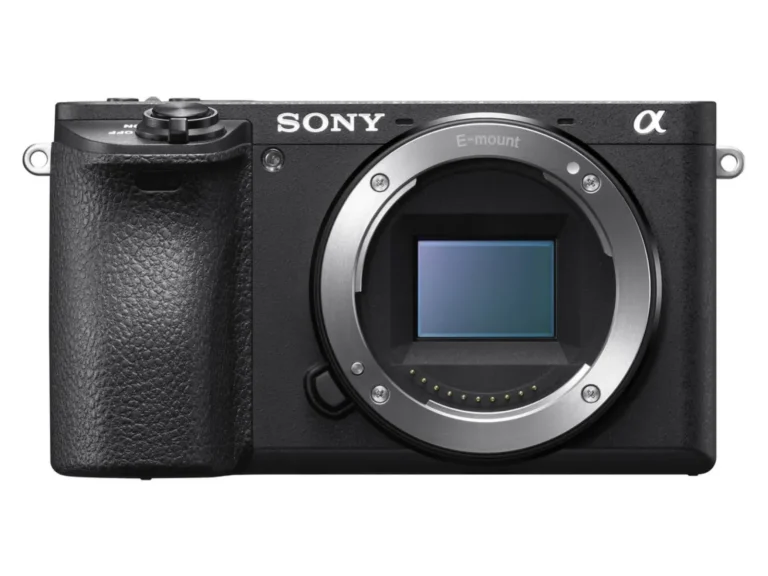
Sony a6500
2016
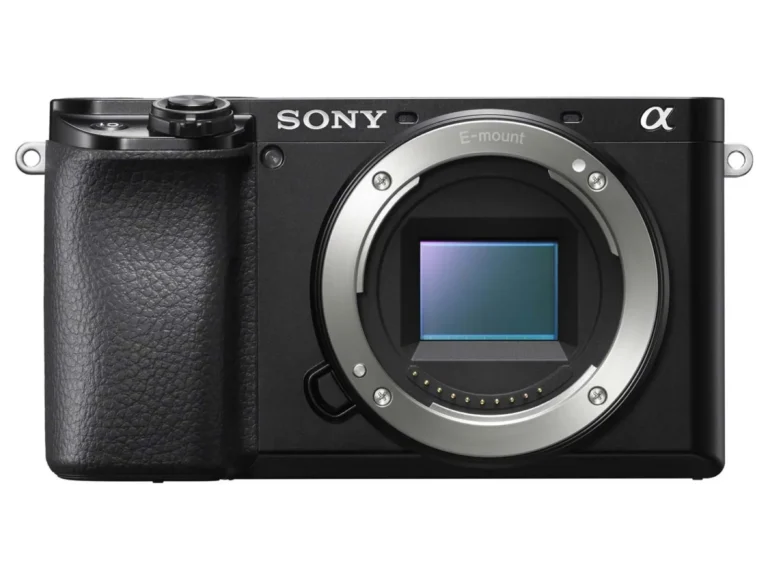
Sony a6100
2019
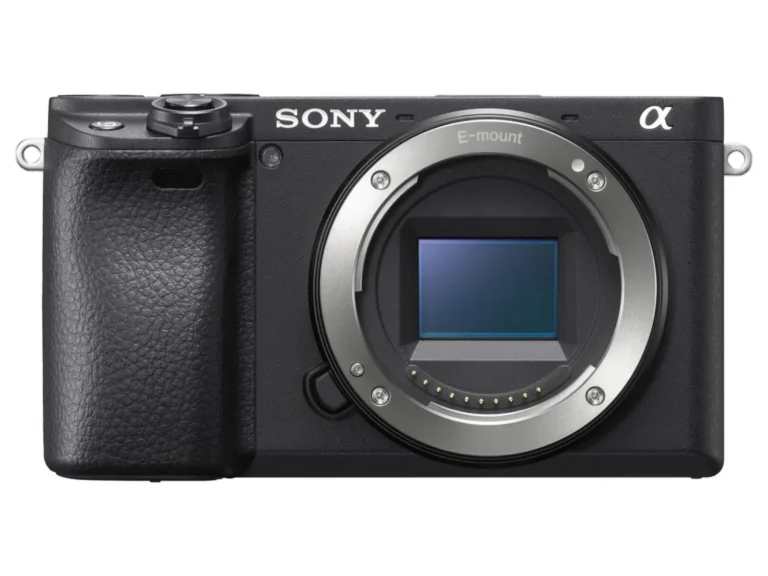
Sony a6400
2019
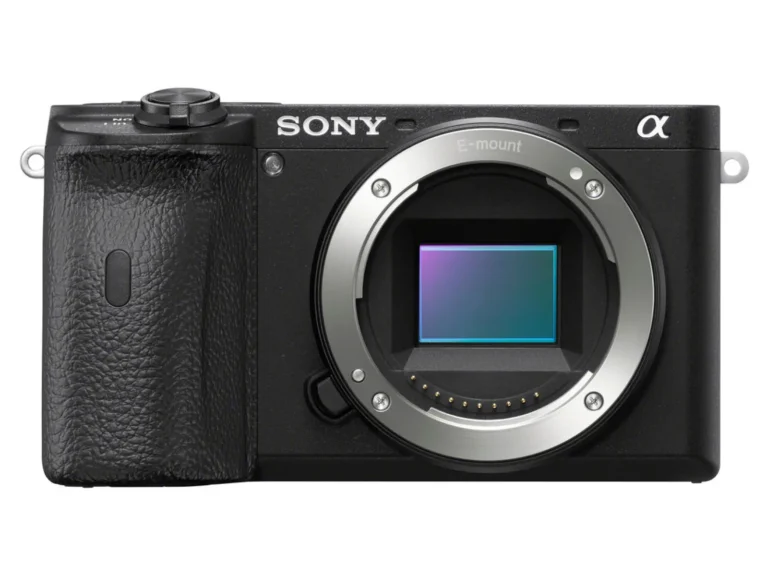
Sony a6600
2019
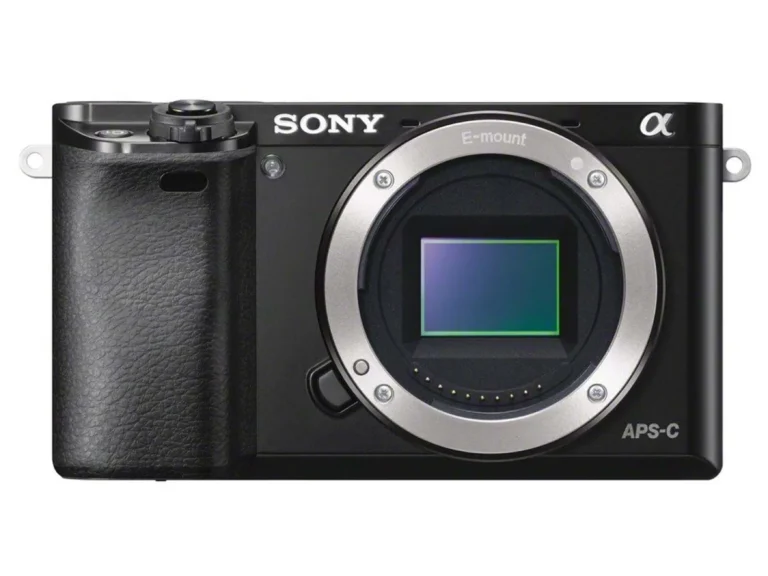
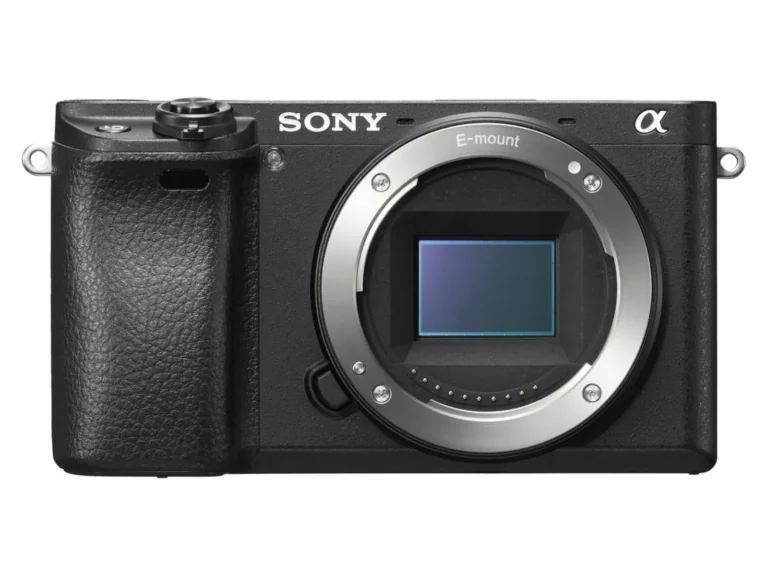
Sony a6000 was released in 2014. The mid-range Sony a6300 and the high-end Sony a6500 were released in 2016. Most notable improvements over the original model are the slightly upgraded sensor design, an even better AF system, higher-quality video recording options, the addition of 4K video recording and a weather-resistant body. The high-end a6500 also added IBIS, an improved buffer, a touch screen and a more rugged weather-sealed camera body.
Sony a6000, a6300 and a6500 are considered the 1st generation of a6000-series cameras. They are no longer in production, but can be found at an affordable price on the used market.
Sony a6100, a6400 and a6600, released in 2019, are the 2nd generation of a6000-series cameras. They basically serve as updated successors to their respective 1st generation models: the entry-level a6000 was replaced by the a6100, the mid-range a6300 was replaced by the a6400 and the high-end a6500 was replaced by a6600.
All 2nd generation models still keep the same 24 MP APS-C sensor, but they upgrade to a much better processor taken from the Full-Frame Sony A9 (a new version of the BIONZ X processor). This led to even better autofocus performance, noticeably better color science and more natural-looking skin tones. They all also gained a tilting flip-up screen (instead of a basic tilting screen), improved eye autofocus, a new menu system, a 13 hour video recording limit (instead of 30 minutes) and more.
All 6 models can shoot at 11 fps with the mechanical shutter. Video recording is always limited to 8-bit and all cameras (except the original a6000) can record high-quality 4K video at up to 30 fps oversampled from 6K. Image quality is comparable across the entire lineup since all six cameras use a very similar 24 MP APS-C CMOS sensor.
A few key differences worth noting:
– a6000 and a6100 are entry-level models with a cheaper body without weather sealing and IBIS.
– a6300 and a6400 both have a weather-sealed body, neither has IBIS.
– a6500 and a6600 both have IBIS and a durable weather-sealed body, a6600 also adds a larger battery.
Sony a6100 and a6400 are still in production and serve as entry-level and mid-range APS-C models. Sony a6600 replaced the a6500 in 2019 and it served as the most advanced APS-C model until the release of the new a6700 which completely replaced the a6600 by introducing a new sensor and processor.
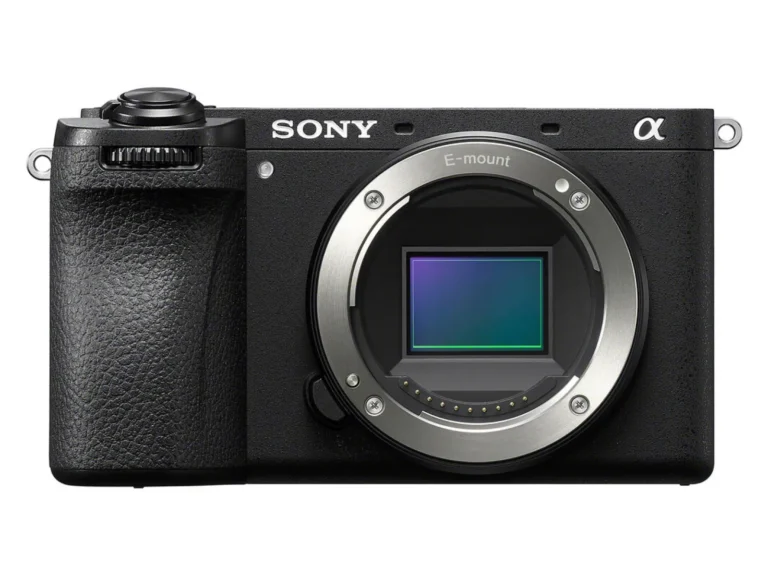
Sony a6700
Sony a6700 (2023) is Sony’s most advanced APS-C model featuring a new 26 MP BSI sensor paired with Sony’s new BIONZ XR processor and Sony’s AI processing unit. It features several notable upgrades like a fully articulating screen and an even more advanced AF system with an AI-based deep-learning engine for enhanced subject recognition and tracking. It offers continuous shooting at up to 11 fps, it can record 4K video at 120 fps and oversampled 4K video at up to 60 fps in 10-bit. It has IBIS and a weather sealed body.
Alternatives to the a6000
Sony a6100
Sony a6400
Sony a6100 (2019) is Sony’s modern entry-level APS-C camera and basically a replacement of the original a6000. It has a similar 24 MP sensor, it offers excellent autofocus performance, it can shoot at 11 fps with the mechanical shutter and it can record oversampled 4K video at 25 fps and at 30 fps with a 1.2x crop. Video recording is limited to 8-bit and the maximum clip length is set to 13 hours. The a6100 uses the same non-weather-sealed body as the original a6000.
Sony a6400 (2019) is Sony’s modern mid-range APS-C model also featuring the same 24 MP sensor. Most specifications are similar to the a6100, but the a6400 uses a weather-sealed body and doesn’t apply a crop in 4K 30 fps recording. Video recording is still limited to 8-bit, but the a6400 includes Sony’s higher-quality S-Log 2 and S-Log 3 picture profiles.
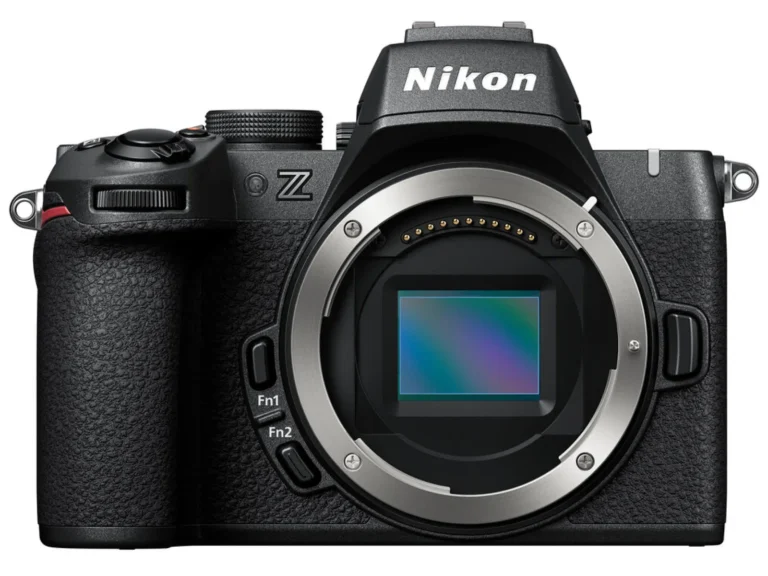
Nikon Z50 II
Nikon Z50 II (2024) could be considered a competitor to the mid-range a6400. It has a 21 MP BSI sensor and uses a new version of Nikon’s hybrid AF system. It can record 4K video at up to 30 fps and at 60 fps with a 1.5x crop in 10-bit, but the footage is not oversampled. It can shoot at up to 11 fps in RAW with the mechanical shutter and up to 15 fps in RAW with the electronic shutter (30 fps in JPEG). The body is weather resistant.
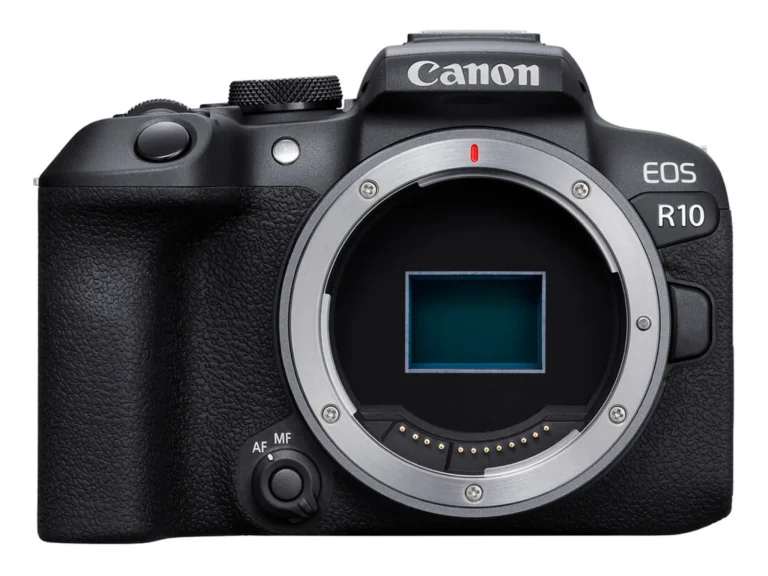
Canon R10
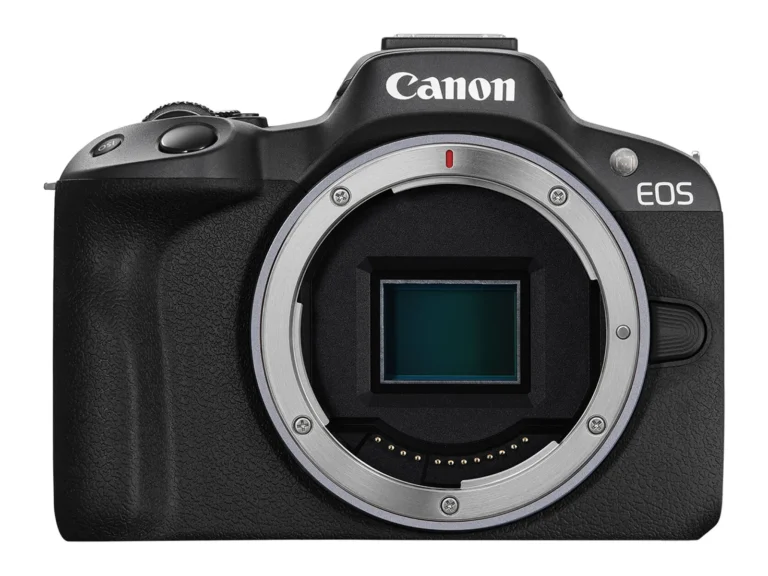
Canon R50
Canon EOS R10 (2022) is a mid-range APS-C camera. It has a 24 MP sensor. It offers continuous shooting at up to 15 fps with the mechanical shutter and 23 fps with the electronic shutter in 12-bit RAW. It can record 4K video at 60 fps with a 1.6x crop and oversampled 4K video at up to 30 fps without a crop, but video recording is limited to 8-bit. It has no IBIS and no weather-sealing.
Canon EOS R50 (2023) is Canon’s entry-level APS-C model. It has the same 24 MP sensor and the same processor as the R10, but it doesn’t have the mechanical shutter. It can record oversampled 4K video at 30 fps. It can shoot up to 12 fps with the EFCS and 15 fps with the electronic shutter in 12-bit RAW, but the buffer is extremely limited (only 7 RAW images) since the R50 accepts only slower UHS-I SD cards. It has no weather sealing and no IBIS. The R50 is clearly inferior to any other camera on this list.
SONY a6000 Price
Final Verdict
Sony a6000 was a capable APS-C camera at the time of its release, but it has since been surpassed by newer models in Sony’s APS-C lineup. Newer generations introduced a more advanced autofocus system, 4K video recording, improved video features, weather sealing on selected models and support for 14-bit RAW, whereas the original a6000 is limited to 12-bit RAW.
If you are looking for an affordable entry-level APS-C camera, the newer a6100 is easily the more compelling option. It uses a similar compact, non-weather-sealed body, but adds an electronic shutter, 4K video recording, a significantly improved autofocus system and a tilting flip-up screen. It is also widely available on the used market at attractive prices.