
SONY Cameras
Sony A7R IV Review
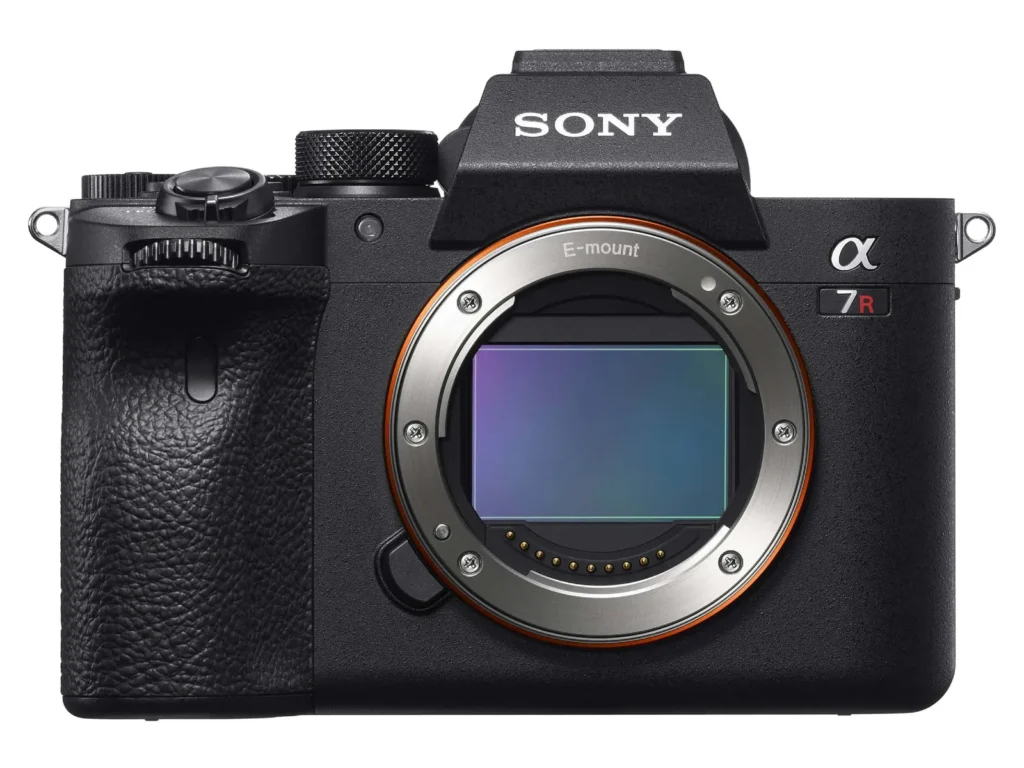
Sony A7R IV was a successor to the A7R III. It replaced the 42 MP sensor with a new 61 MP sensor. It also introduced dual UHS-II SD card slots, a high-resolution EVF, a slightly larger and more ergonomic body and it increased the recording time limit from 30 minutes to 13 hours.
Sony A7R IVA replaced the A7R IV in April 2021. This is still the same camera, it just upgrades to a 2,359,296-dot LCD screen.
SONY E-Mount
Sony introduced the E-mount in 2010 alongside their first mirrorless cameras, giving them a huge head start. Over a decade later, there are over 100 native lenses and more than 200 if you include third-party options. Because the mount hasn’t changed, old lenses still work with newer cameras, creating a huge second-hand market. Compare that to Canon and Nikon, which only introduced new mounts in 2018, Sony users have had years to build and upgrade their kits without starting from scratch. For beginners entering the Sony system that means more options and much better prices.
SONY A7R IV Price
Sony A7R IV Specifications
General
Sony A7R IV uses a new 61 MP BSI full-frame sensor paired with Sony’s BIONZ X processor.
In-body 5-axis image stabilization (IBIS) provides up to approximately 5.5 stops of shake reduction, just like with the A7R III.
The camera is weather sealed and, according to Sony, the A7R series provides better weather sealing than the A7 series along with better build quality and higher mechanical shutter life.
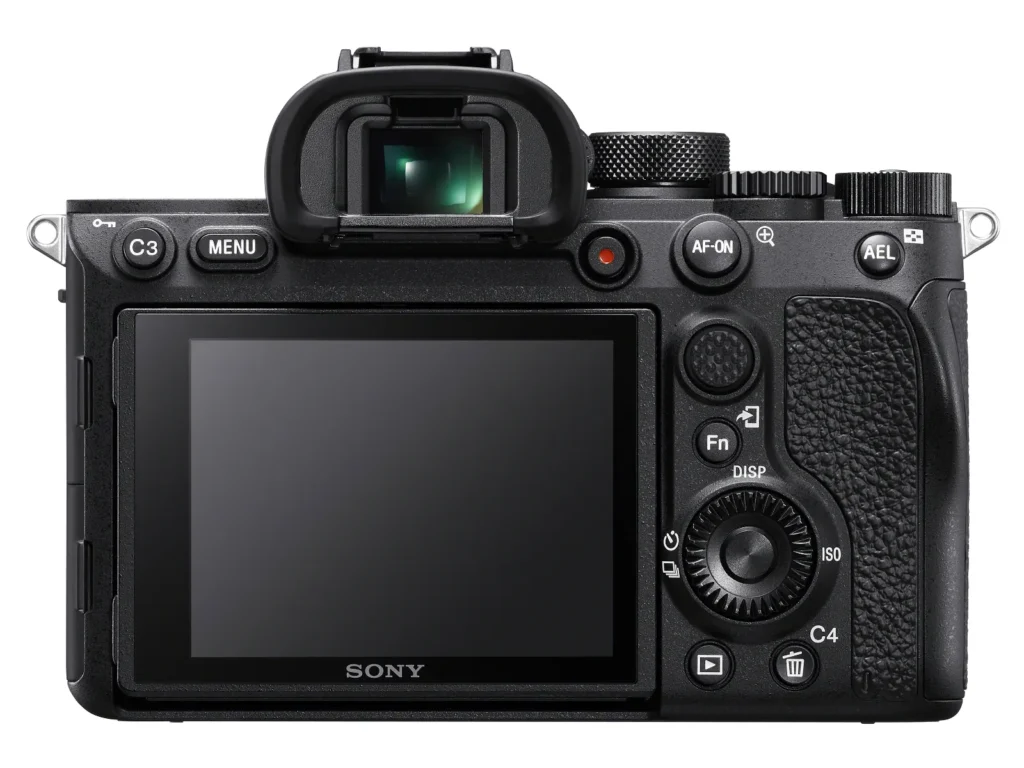
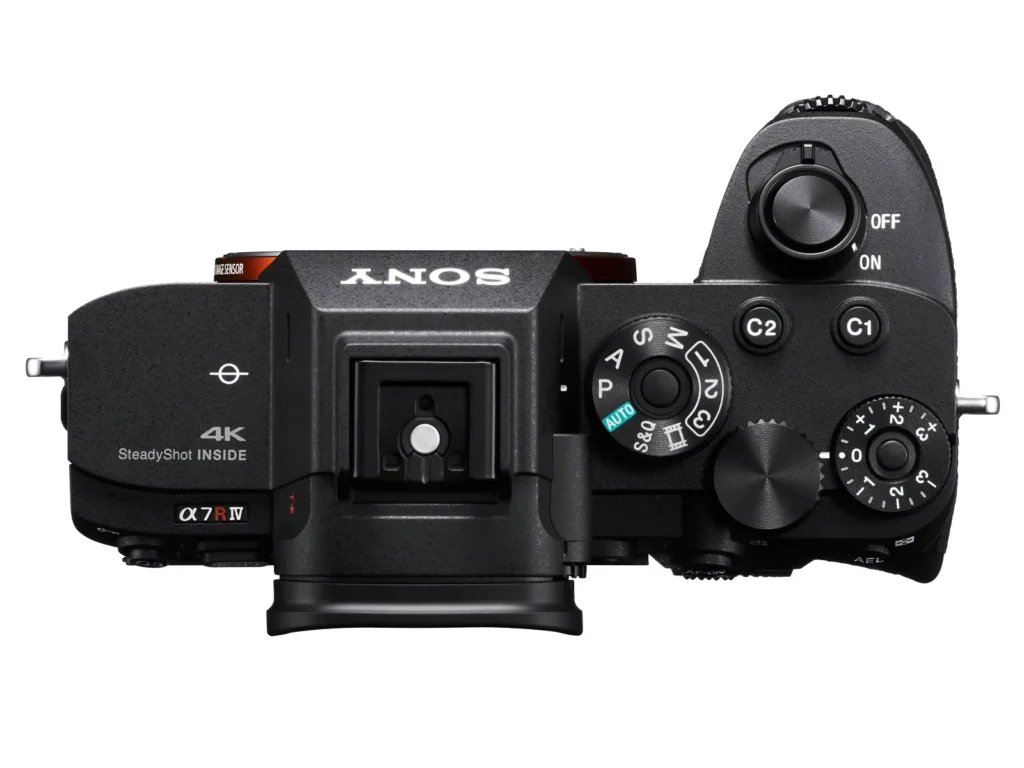
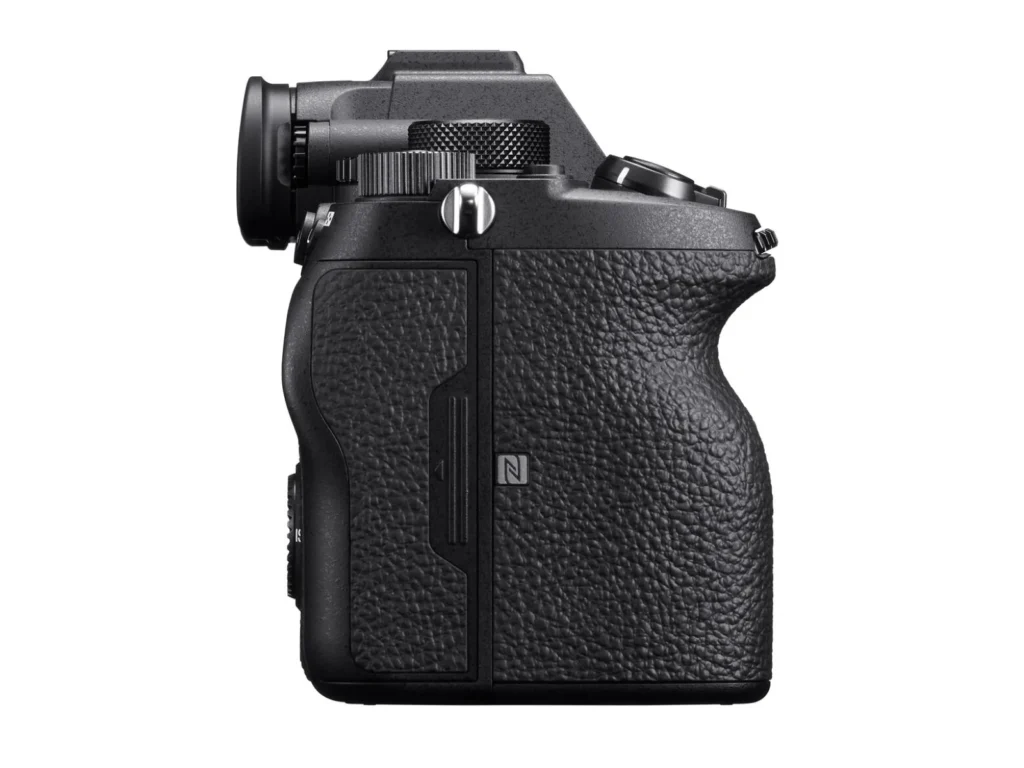
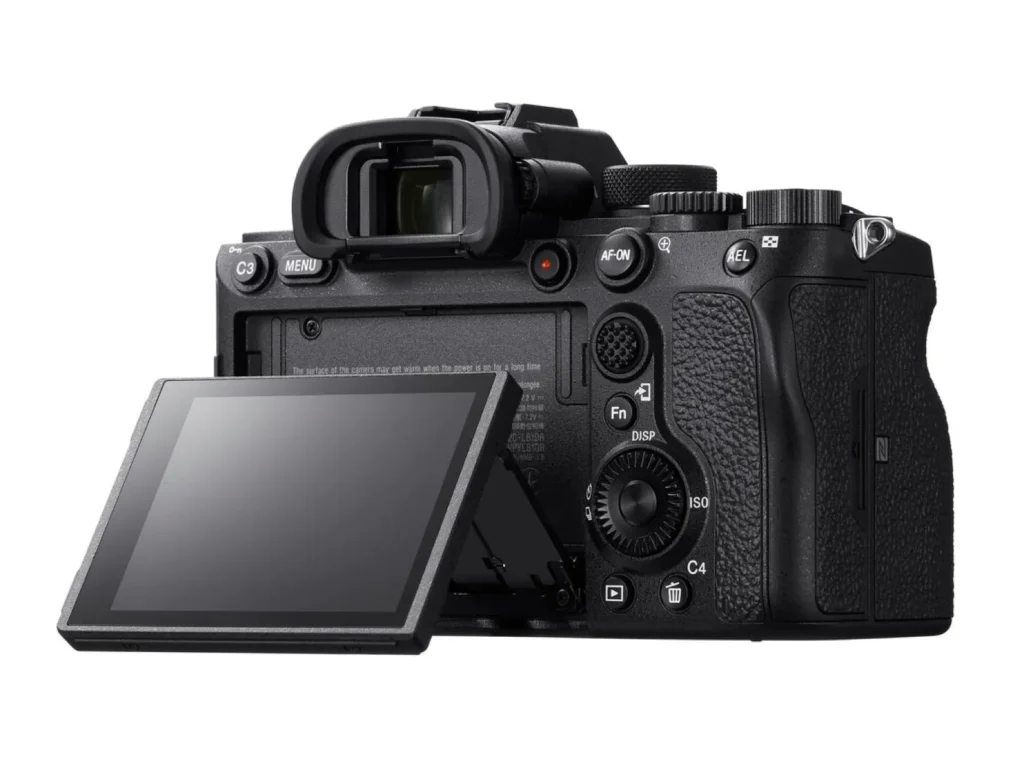
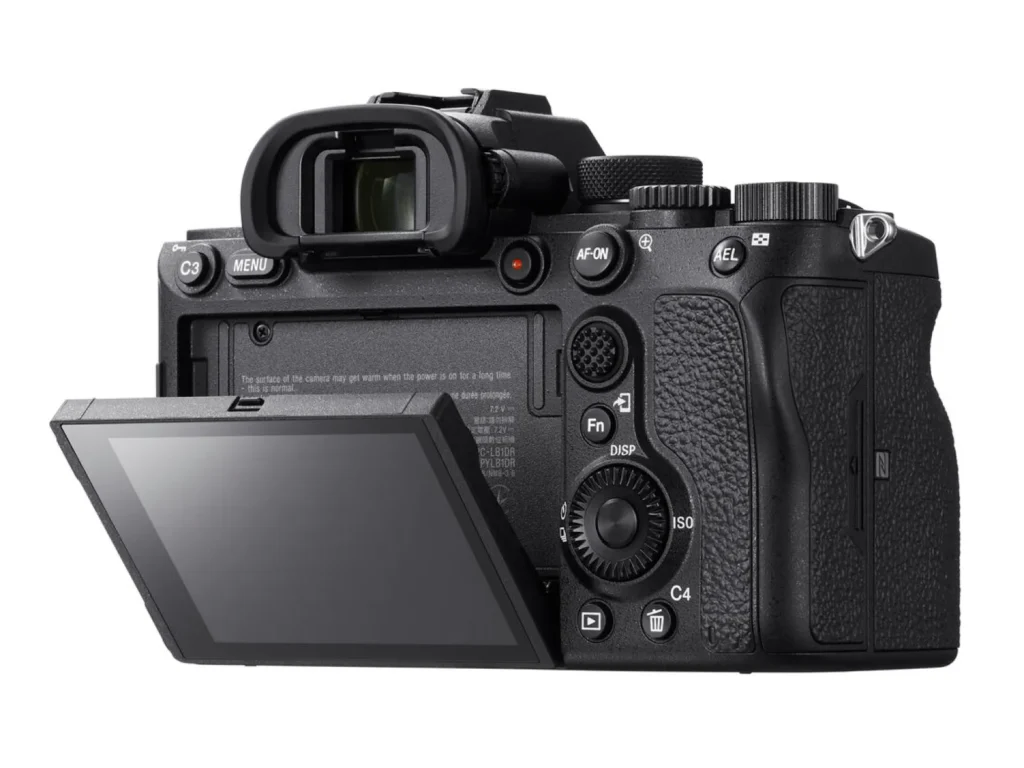
The design of the A7R IV is very similar to the A7R III, but with a more ergonomic grip and repositioned dials. Buttons and the AF joystick are now easier to reach and control. Despite being a full-frame camera, it remains compact for everyday shooting.
The A7R IV still uses a tilting LCD screen. It also keeps the same older menu system and there is no touch functionality when in the menu (the touch screen only works for selecting and moving the focus point).
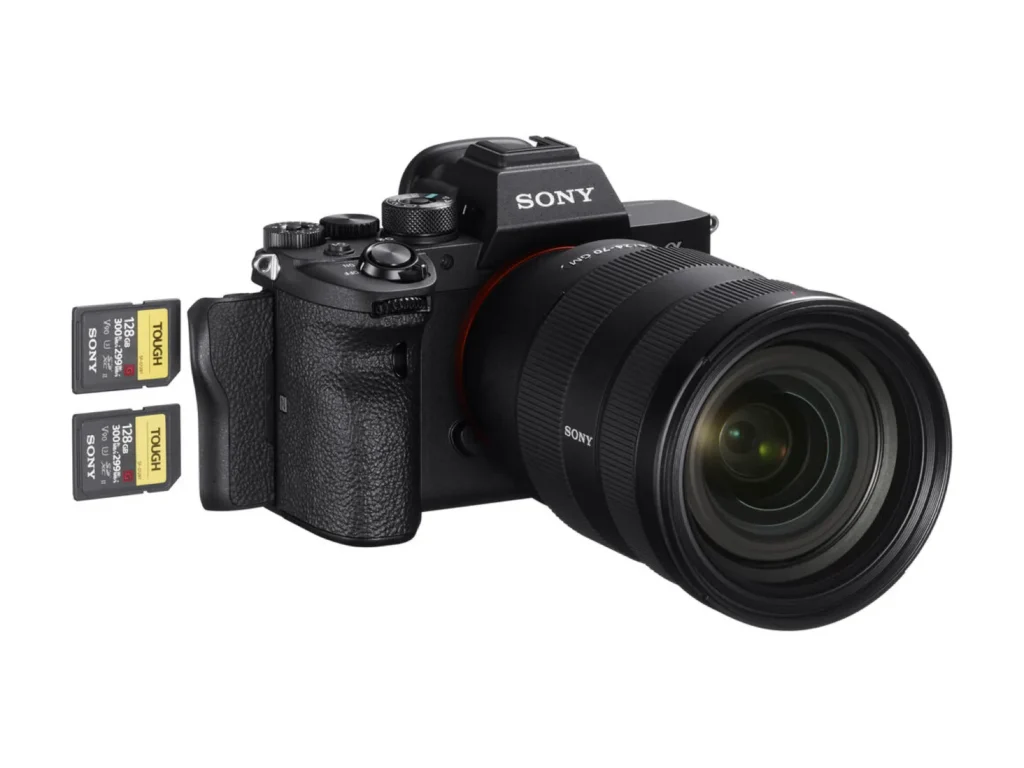
The camera features a dual SD card slots, but this time both slots accept faster UHS-II cards. There is a new OLED high-resolution EVF that allows you to choose between 60 fps and 120 fps refresh rates, though 120 fps negatively impacts battery life. You can also select between ‘Standard’ or ‘High’ quality display options, but when you are focusing the camera automatically drops the EVF resolution to Standard.
Battery life is great. The A7R IV uses the same batteries as the A7R III.
Autofocus
Autofocus performance is improved over the A7R III. The A7R IV now has 567 points for phase-detection that cover roughly 74% of the frame are and 425 points for contrast detection that cover a slightly wider part of the frame.
Eye-Detection is now available for humans and for certain animals and autofocus tracking works well even when the subject is moving. Additionally face and eye detection are now also available in video-mode. It’s important to update the firmware as this brings improved AF performance.
You can select the focus point by tapping the screen and you can move your finger across the screen while looking through the viewfinder to move the focusing point.
Photography
Images are, of course, extremely detailed and offer great dynamic range. Low-light performance is impressive thanks to the BSI sensor, especially when we consider the fact that the camera has 61 MP. The files are extremely large – around 125 MB for each uncompressed RAW photo.
Shutter options include mechanical, electronic front-curtain (EFCS) and fully electronic (silent) shutter modes.
With the mechanical shutter, the A7R IV can shoot at up to around 7 fps in uncompressed 14-bit RAW and at up to 10 fps in compressed 12-bit RAW. With the electronic shutter it can shoot at up to around 5 fps in uncompressed 14-bit RAW and up to 7-8 fps in compressed 12-bit RAW. According to official figures you will get anywhere from 30 to 70 shots before the buffer fills, depending on the shooting mode and settings.
Using the electronic shutter when photographing fast moving objects will result in noticeable rolling shutter distortion due to the high-resolution senor with slower readout speed.
The A7R III also includes a sensor-shift mechanism that enables pixel-shift shooting, combining 4 or 16 exposures with slight sensor movements to produce high-resolution images with up to 240 MP. It’s a useful and modern feature, but files are not processed in-camera, so you will need to create the final image later using dedicated software. Also keep in mind that the final file can be extremely large – up to 2GB.
Video
Sony A7R IV can record in 4K at 30 fps without a crop, but the footage is not oversampled.
The Super 35/APS-C crop mode delivers oversampled 4K footage, but there are two options to choose from.
Oversampled 4K 30 fps recording applies a a 1.84x crop and the footage is oversampled from approximately 5.5K. Oversampled 4K 24 fps recording comes with a 1.58x crop and the footage oversampled from about 6K. Rolling shutter is still noticeable due to the high-resolution sensor with slower readout speed.
Full HD (1080p) recording is available at up to 120 fps.
Picture profiles include S-Log 2 and S-Log 3, but it’s best to avoid S-Log 3 option since the A7R IV does not allow 10-bit recording (only 8-bit).
The A7R IV finally removes the strict 30 minute recording limit and clips are now limited to 13 hours. Battery life allows for more than 2 hours of 4K recording.
| Feature | Sony A7R IV |
|---|---|
| Release Date | July 2019 |
| Megapixels | 61.0 MP |
| Image Resolution | 9504 × 6336 |
| Sensor Size | Full Frame |
| Sensor Type | BSI CMOS |
| Image Processor | BIONZ X |
| IBIS | 5-axis, 5.5 stops |
| Weather Sealing | Yes |
| Lens Mount | Sony E |
| Body Type | Mirrorless |
| PHOTO | |
| Native ISO | 100 – 32,000 |
| Expandable ISO | 50 – 102,400 |
| Shutter Speed | 1/8000 – 30s |
| Burst Rate (Mechanical) | 7 fps RAW / 10 fps compressed 12-bit RAW |
| Burst Rate (Electronic) | 5 fps RAW / 8 fps compressed 12-bit RAW |
| Buffer | 30 - 70 RAW |
| Shutter Types | Mechanical, Electronic, EFCS |
| Silent Shooting | Yes (Electronic Shutter) |
| Exposure Compensation | ±5 EV |
| High-Res (Sensor Shift) | Yes |
| Pre-Capture Mode | No |
| VIDEO | |
| 4K Video | 4K 30fps (no crop) / 4K 30fps (oversampled from 5.5K, 1.84x crop) / 4K 24fps (oversampled from 6K, 1.58x crop) |
| Max Frame Rate | 4K 30fps / 1080p 120fps |
| Bit Depth | 8-bit |
| Recording Limit | 13 hours |
| Timelapse Recording | Yes |
| AUTOFOCUS | |
| AF System | 'Fast Hybrid AF' |
| AF Points | 567 |
| AF Coverage | ~ 80% Frame Coverage |
| AF Joystick | Yes |
| DISPLAY / VIEWFINDER | |
| Articulated Screen | Tilting |
| Touch Screen | Limited (focus only) |
| LCD Size | 3.0" |
| LCD Resolution | 1,440,000 |
| EVF Resolution | 5,760,000 |
| EVF Refresh Rate | 120 fps |
| EVF Coverage | 100% |
| EVF Magnification | 0.78× |
| MORE INFO | |
| Card Slot 1 | SD (UHS-II) |
| Card Slot 2 | SD (UHS-II) |
| Sensor Protection System | No |
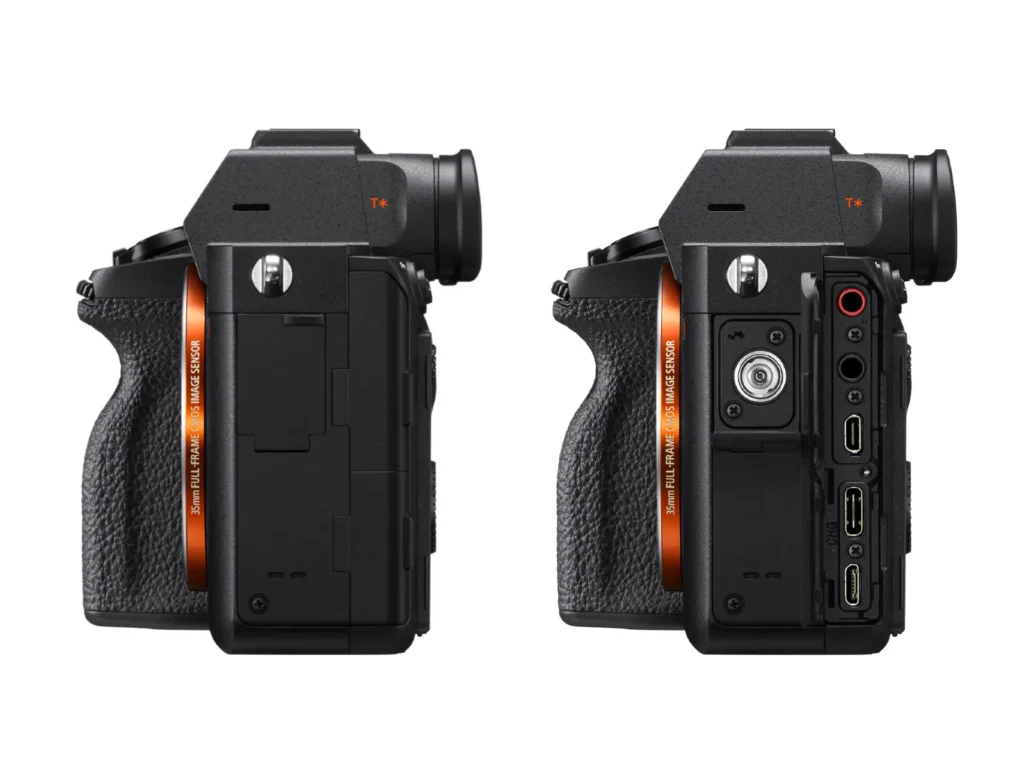
| USB | Type C 3.2 Gen 1 |
| USB Charging | Yes |
| HDMI | Type D (Micro HDMI) |
| Microphone Port | 3.5 mm |
| Headphone Port | 3.5 mm |
| Built-in Flash | No |
| Built-in Microphone | Yes |
| Battery | NP-FZ100 |
| Battery Life | 550 ~ 650 frames |
| Wi-Fi / Bluetooth | Yes |
| Dimensions | 129 × 96 × 78 mm |
| Weight | 665 g |
Sony A7R IV Alternatives
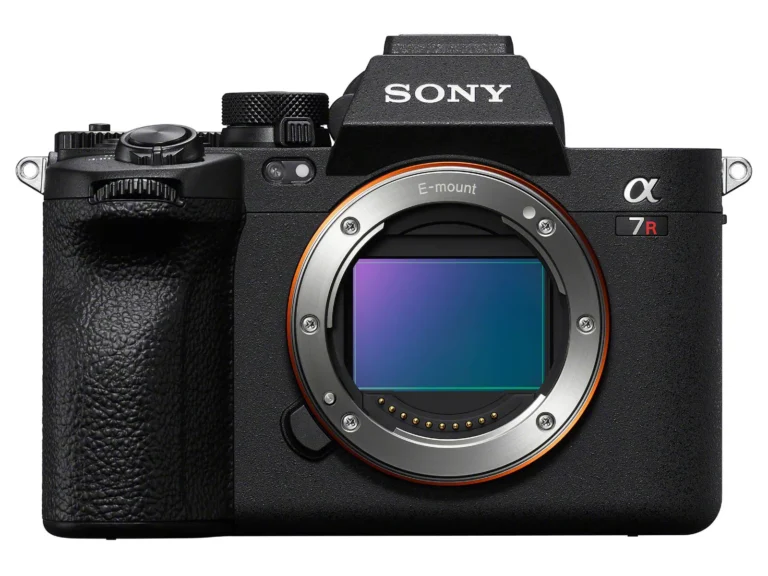
SONY A7R V
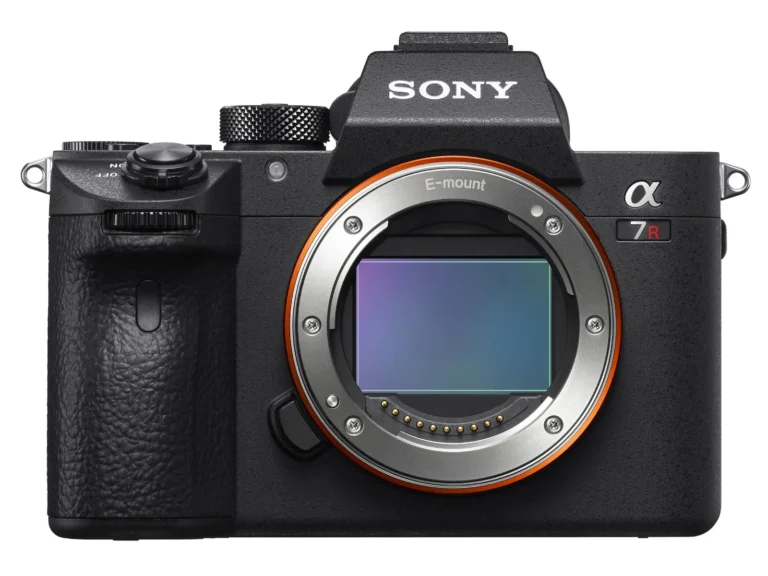
SONY A7R III
Sony A7R V (2022) retains the same 61 MP BSI sensor, but introduces a faster BIONZ XR processor paired with Sony’s AI processing unit, resulting in significantly improved subject recognition and tracking performance. The increased processing power also expands its video capabilities, including 8K 25 fps and 4K 60 fps recording. However, both modes apply a 1.25x crop. Internal recording is now limited to 10-bit (instead of 8-bit on older models), with an option for 16-bit external RAW output.
Other major upgrades include a new hybrid high-resolution LCD screen that combines tilting and fully articulating movement, as well as a high-resolution EVF with refresh rates of up to 240 fps. The camera also features dual card slots that support either UHS-II SD cards or CFexpress Type A cards, resulting in significantly improved buffer performance.
Sony A7R III (2017) has an older 42 MP BSI sensor and an older autofocus system. It’s no longer in production, but it’s still a capable high-resolution camera that can be found at an affordable pride on the used market.
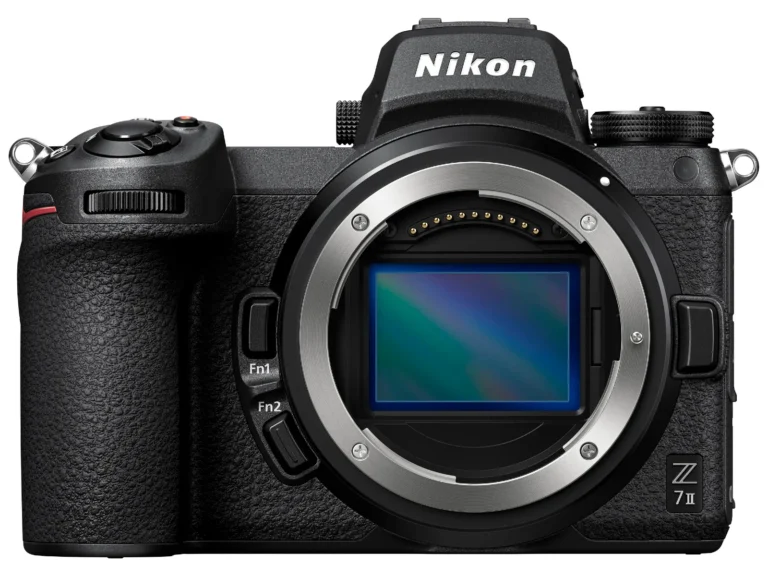
Nikon Z7 II
Nikon Z7 II (2020) is Nikon’s high-resolution full-frame option. It offers a 45 MP BSI sensor with great dynamic range and low-light performance. It features dual card slots (one SD and one CFexpress Type B), continuous shooting at up to 10 fps, 4K 60 fps recording and oversampled 4K 30 fps recording with a 1.5x crop. Video recording is limited to 8-bit with an option for external 12-bit recording.
Nikon Z7 II is also much cheaper than the Sony A7R IV (currently about $800 cheaper).
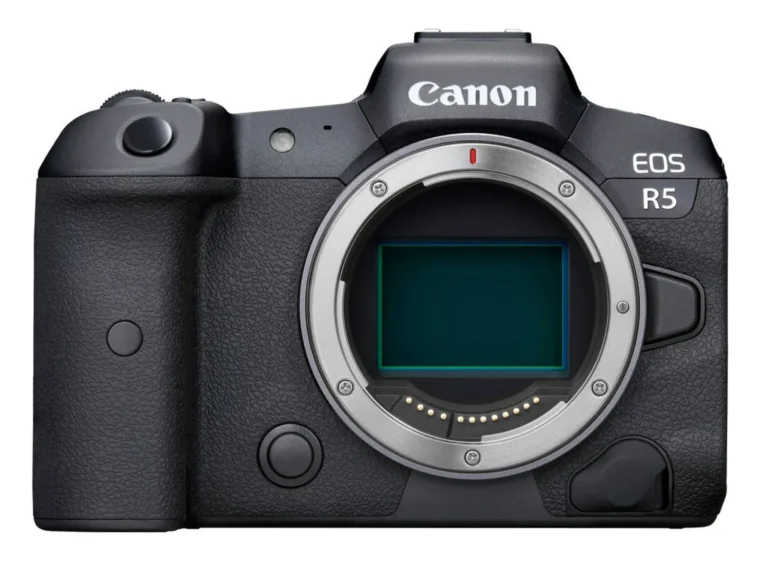
Canon EOS R5
Canon EOS R5 (2020) was Canon’s original high-resolution option and for a while it was the closest alternative to the Sony A7R III or even the A7 IV. It used a 45 MP sensor and offered continuous shooting at up to 12 fps (20 fps with the electronic shutter), dual card slots (one SD and one CFexpress Type B), oversampled 4K 30 fps recording and even 8K recording, but the camera overheated very quickly and it took forever to cool down.
The price of the R5 is very similar to the Sony A7R IV.
Canon R5 is also no longer in production, but it will still be offered as a new product for a while. It has been replaced by the Canon R5 Mark II, that upgrades to a new 45 MP fully-stacked sensor making it Canon’s ‘flagship’ high-resolution model.
It’s more advanced and much more expensive than all other cameras on this list. The price of the R5 II is even higher than the Sony A7R V. It could even be considered a more affordable alternative to the flagship Sony A1.
SONY A7R IV Price
Final Verdict
Sony A7R IV is still a very capable high-resolution camera, but the newer Sony A7R V represents a substantial upgrade and generally offers better overall value. Both cameras use the same 61 MP sensor, but the A7R V improves upon nearly every aspect of the previous model.
Most notably, it introduces the faster BIONZ XR processor paired with Sony’s AI processing unit, resulting in significantly improved subject recognition and tracking performance. Other major upgrades include the new hybrid LCD screen design that combines tilting and full articulation, expanded high-quality video recording options and an upgraded dual card slot setup that supports both CFexpress Type A and UHS-II SD cards.
If you are not specifically looking for a high-resolution Sony camera, or if 61 MP feels excessive for your needs, there are also strong alternatives from other brands that may offer better value. Canon EOS R5 is currently priced similarly to the Sony A7R IV, following the release of the Canon R5 Mark II, while Nikon’s high-resolution alternative, Nikon Z7 II, remains one of the most competitively priced high-resolution cameras on the market and has absolutely no competition at its current price.