
SONY Cameras
Sony A7 IV Review
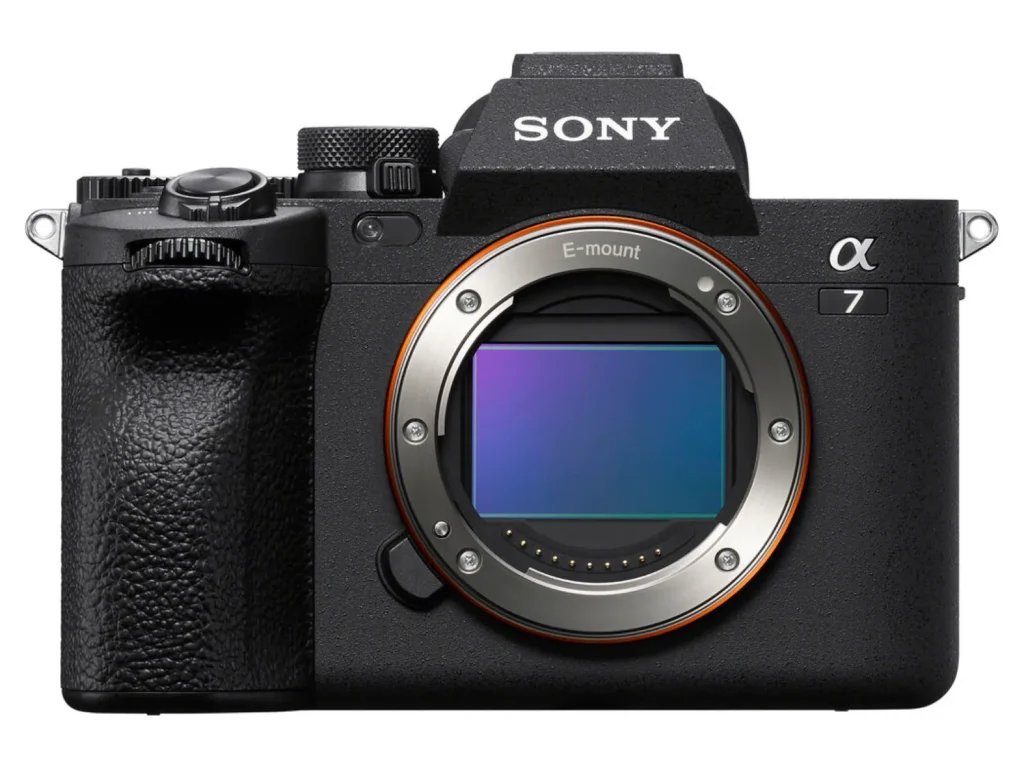
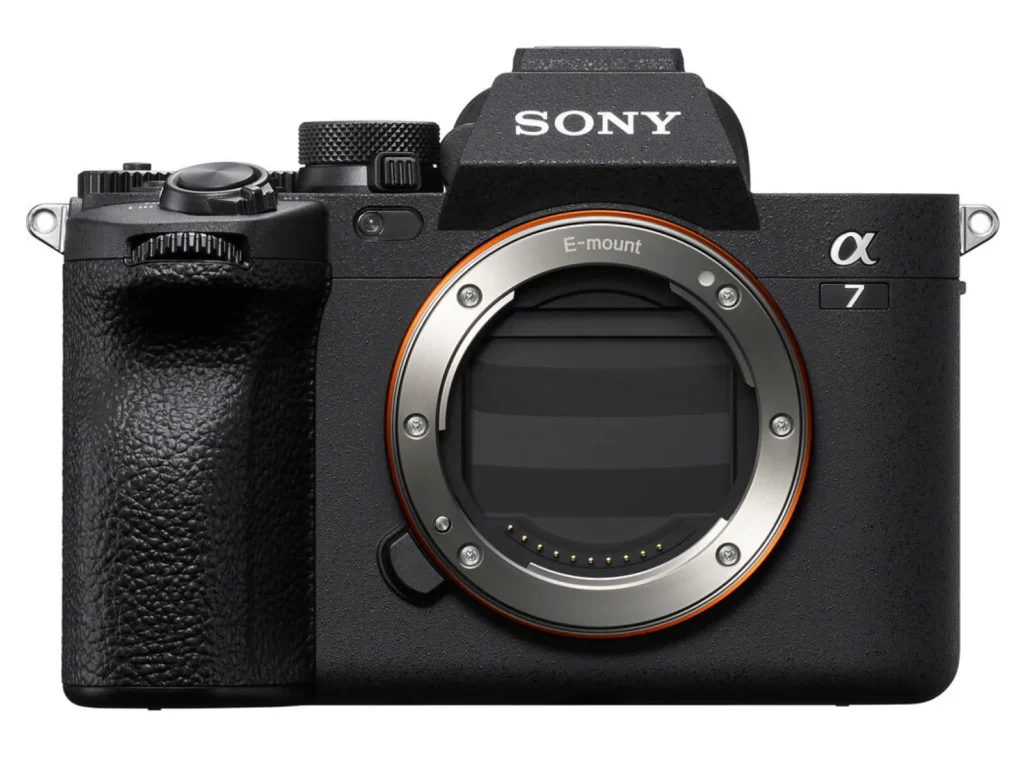
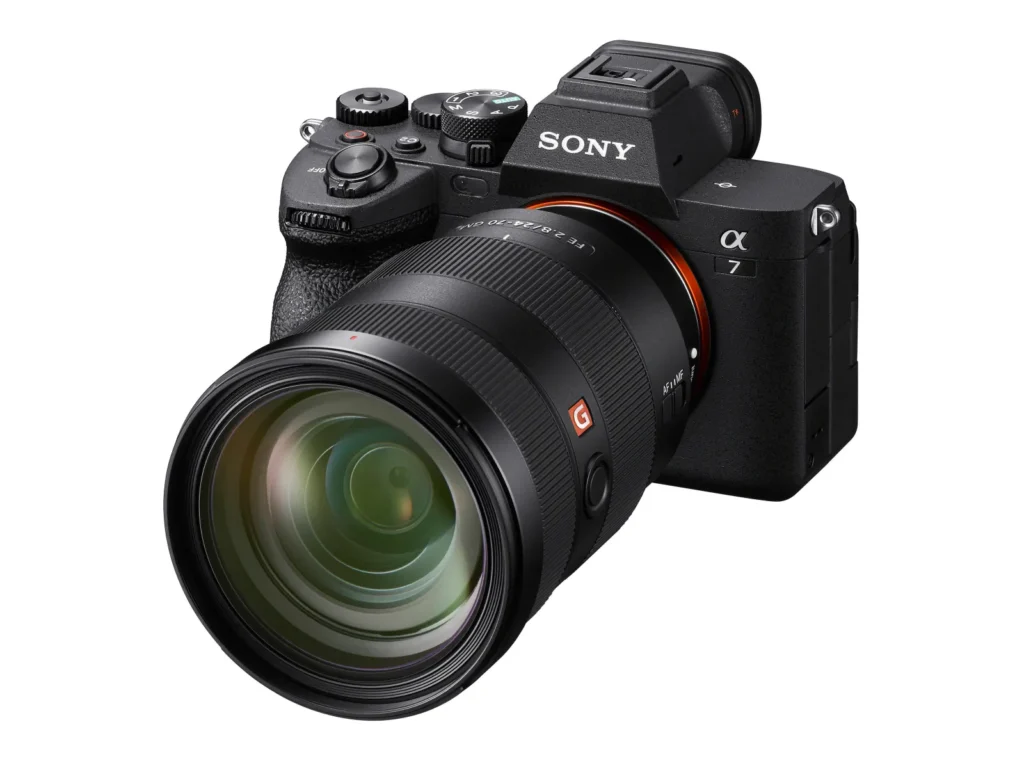
Sony A7 IV is not necessarily a direct successor to the A7 III, instead, it can be seen as an alternative version built around a higher-resolution 33 MP sensor – it’s sold alongside the A7 III as a significantly upgraded, but also more expensive option. It also features improved AF performance, higher-quality EVF and LCD panels, a fully articulating screen, better IBIS system, a deeper buffer and more video recording options including 10-bit 4K recording oversampled from 7K.
SONY E-Mount
Sony introduced the E-mount in 2010 alongside their first mirrorless cameras, giving them a huge head start. Over a decade later, there are over 100 native lenses and more than 200 if you include third-party options. Because the mount hasn’t changed, old lenses still work with newer cameras, creating a huge second-hand market. Compare that to Canon and Nikon, which only introduced new mounts in 2018, Sony users have had years to build and upgrade their kits without starting from scratch. For beginners entering the Sony system that means more options and much better prices.
SONY A7 IV Price
Sony A7 IV Specifications
General
Sony A7 IV uses a new 33 MP BSI full-frame sensor paired with Sony’s new BIONZ XR processor. In-body 5-axis image stabilization provides up to approximately 5.5 stops of shake reduction.
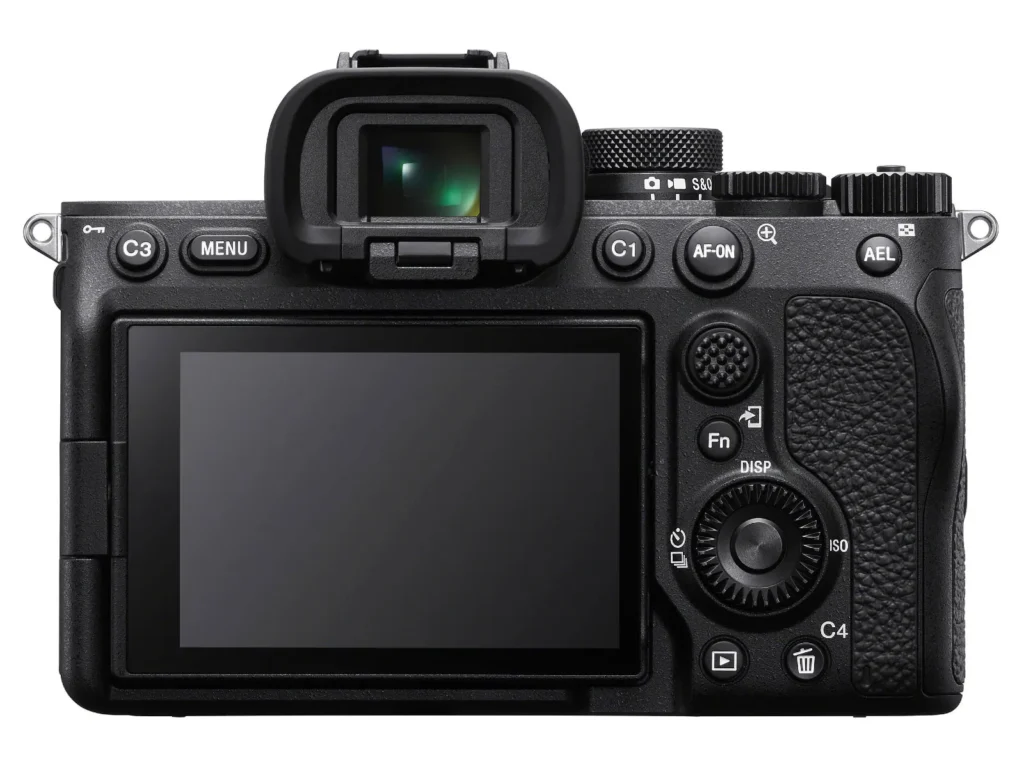
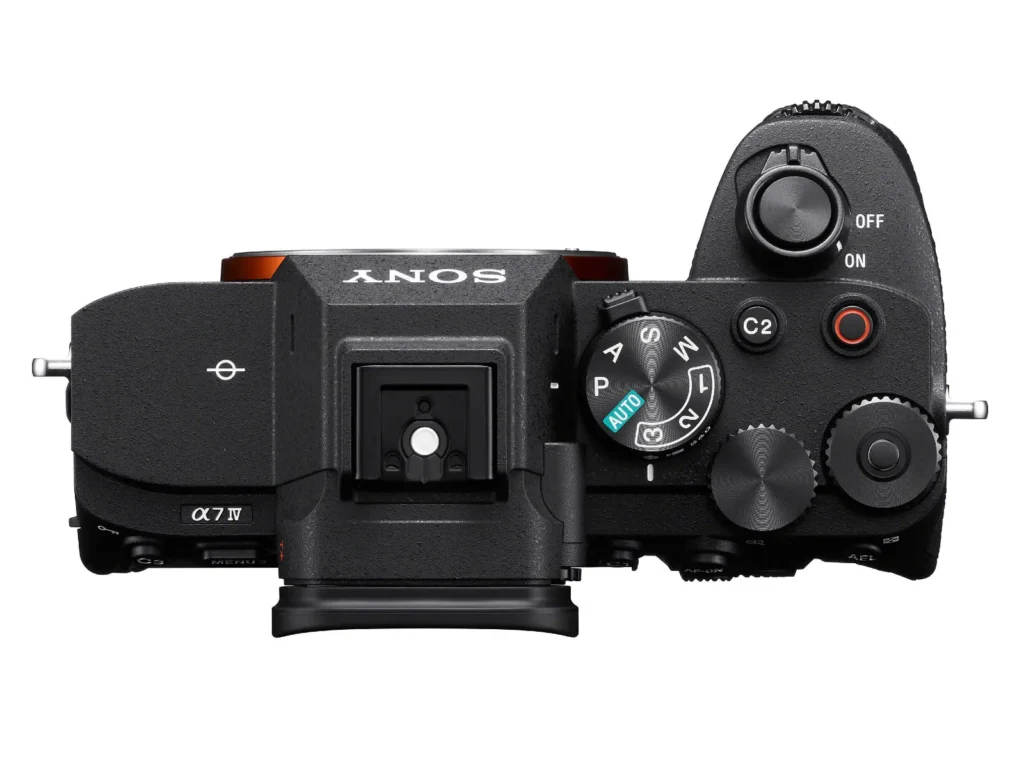
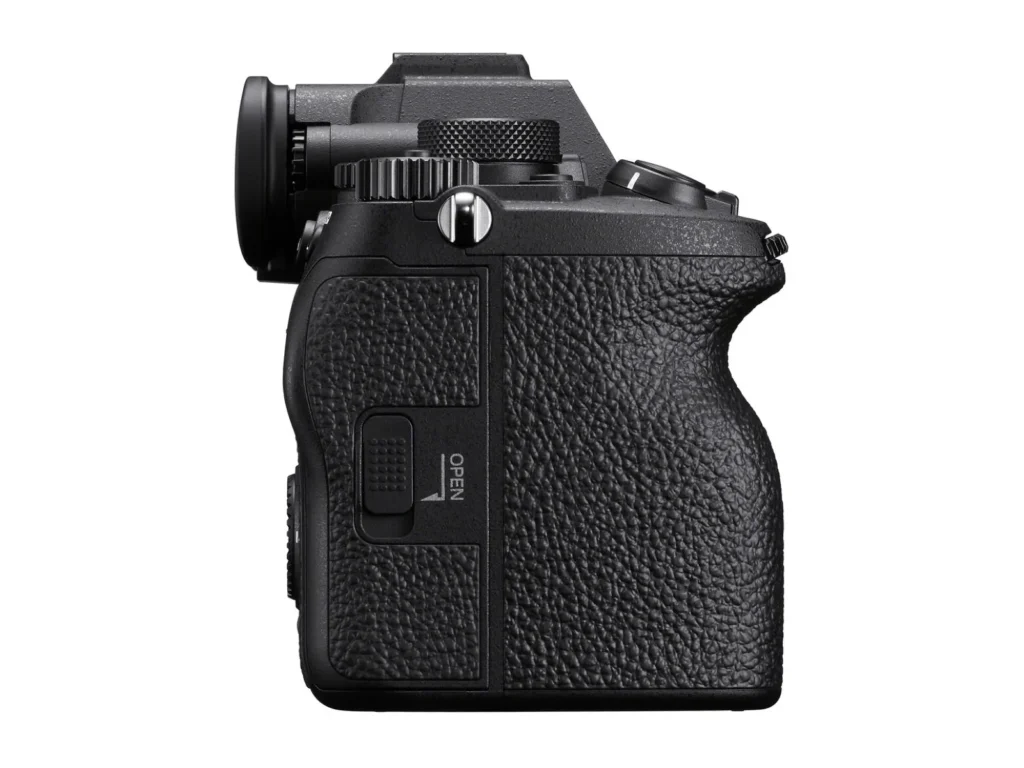
The camera is weather sealed and the body design is similar to the A7 III. There are 4 customizable dials and there is a new separate selector lever to switch between photo and video.
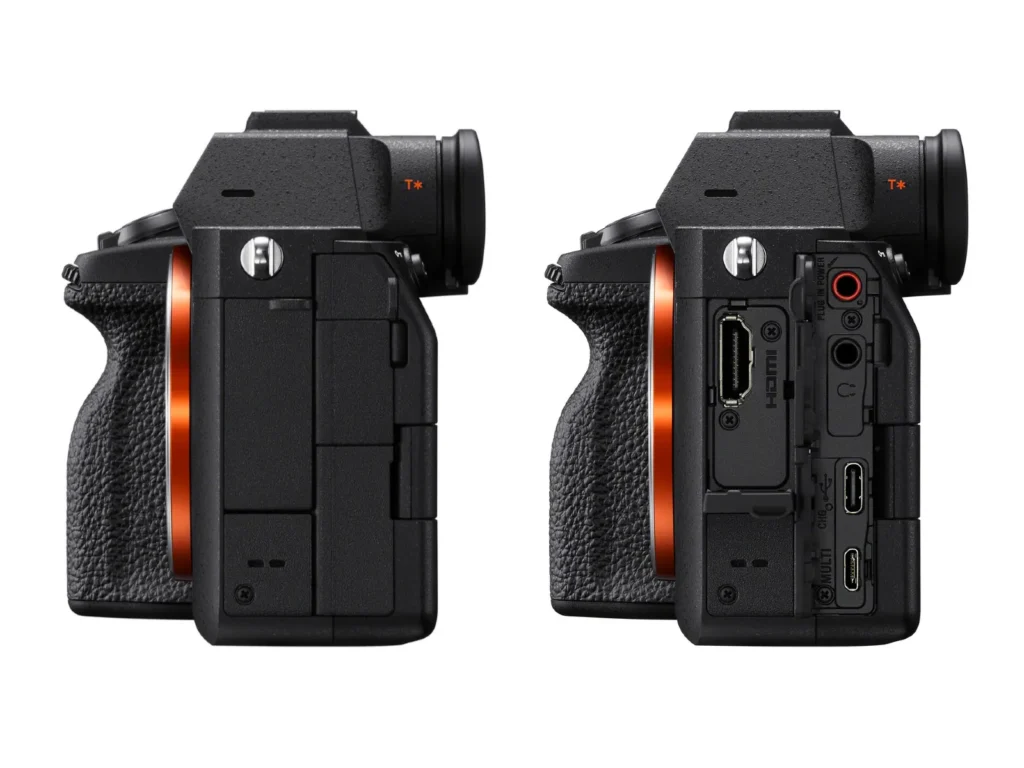
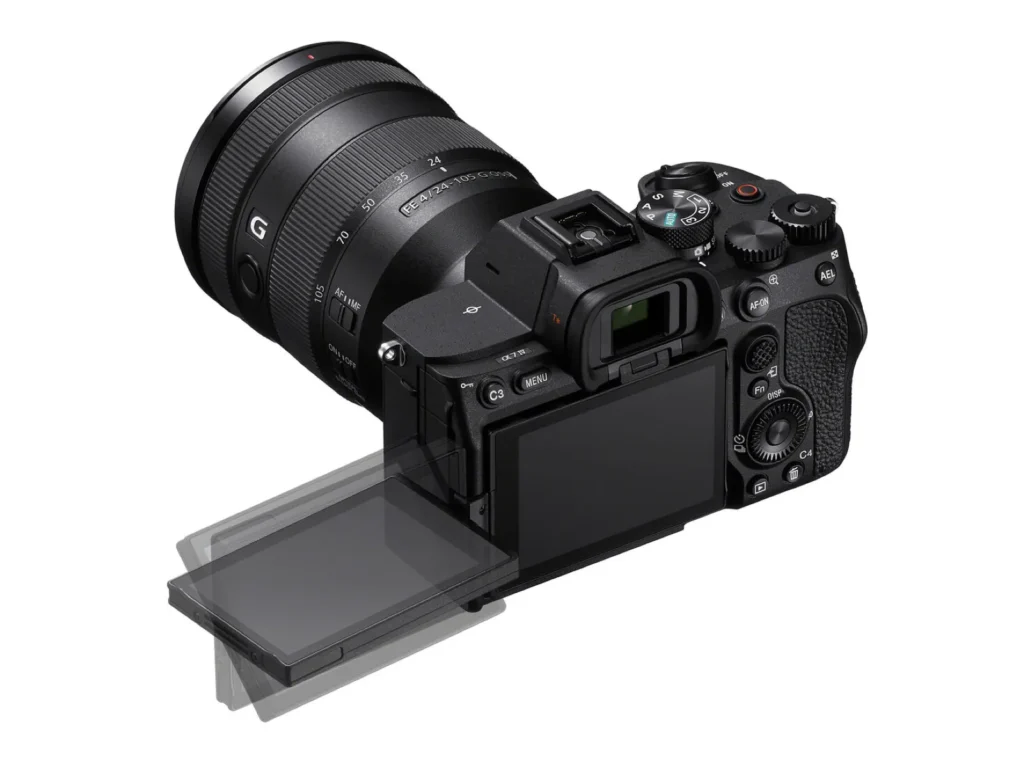
The A7 IV introduces a fully articulating LCD screen (previous models had a tilting screen) and for the first time in the A7 lineup it is fully touch sensitive. It also includes a full size HDMI port instead of an outdated micro HDMI used in older models. The A7 IV also upgrades to a new menu system (already used in the Sony A1 and Sony A7S III).
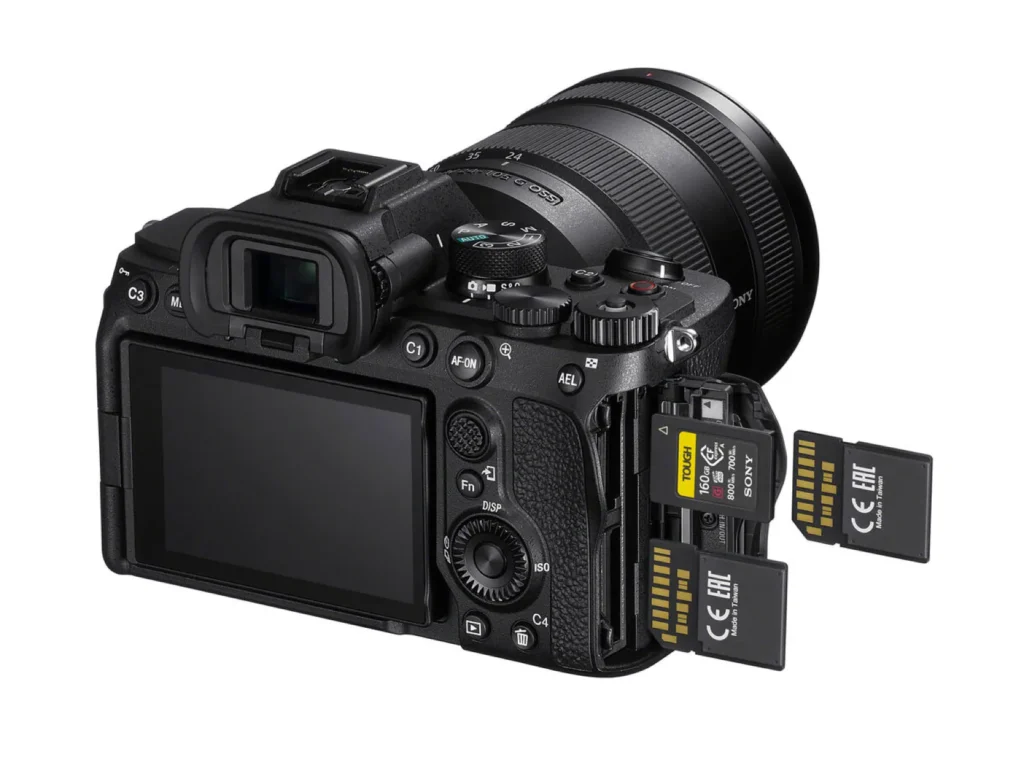
The camera features dual card slots (one for UHS-II SD cards and one that accepts either CFexpress Type A or UHS-II SD cards).
The EVF is large and bright, and you can choose between 60 fps and 120 fps refresh rates, though 120 fps negatively impacts battery life. You can also select between ‘Standard’ or ‘High’ quality options, but when you are focusing the camera automatically drops the EVF resolution to Standard.
Battery life is great. The A7 IV uses the same batteries as the A7 III.
Autofocus
Sony’s autofocus is widely regarded as one of the best in the industry. The A7 IV uses a new version of Sony’s ‘Fast Hybrid AF’ system with a new AI-based deep-learning engine for enhanced subject recognition and tracking. A similar AF system was already used in Sony’s flagship A1.
The camera can recognize and track a wide range of subjects, including people, animals and various vehicles.
Eye-Detection is available for humans, birds and certain animals and AI is used to detect and track the eyes and face of the subject with extremely high precision. The camera maintains focus even in low-light conditions and even when the face is upside down. You can even manually select the preferred right or left eye, switch focus points using the joystick or allow the camera to choose automatically.
To summarize, autofocus performance is very reliable in virtually all situations. It’s further improved in the new A7 V.
Photography
Image quality is excellent, with strong dynamic range and natural color rendering. The sensor is backside-illuminated which results in very clean high-ISO performance, making it well-suited for low-light photography.
Older Sony cameras were know to have some issues with color accuracy, but with this model the issue is completely resolved.
Sony A7 IV can shoot at up to 6 fps in uncompressed 14-bit RAW or lossless compressed RAW, and up to 10 fps in compressed 12-bit RAW, although this comes with a slight reduction in image quality.
This limitation is mainly due to the higher-resolution sensor and its slower readout speed. It is also worth noting that the older Sony A7 III was capable of continuous shooting at up to 10 fps in 14-bit RAW.
The camera had very weak buffer performance at the time of its release. This changed with software updates over the last few years. According to Sony’s official A7 IV specifications, the camera can now shoot more than 800 frames when shooting uncompressed RAW and more than 1000 shots in other modes. If you use an SD card instead of the CFexpress card (or if you save files to both cards simultaneously) this can negatively impact the buffer and clearing times.
Shutter options include mechanical, electronic front-curtain and fully electronic (silent) shutter modes. When photographing fast-moving subjects with the electronic shutter, rolling shutter distortion is clearly visible due to the high-resolution sensor with slower readout.
| Feature | Sony A7 IV |
|---|---|
| Release Date | October 2021 |
| Megapixels | 33 MP |
| Image Resolution | 7008 × 4672 |
| Sensor Size | Full Frame |
| Sensor Type | BSI CMOS |
| Image Processor | BIONZ XR |
| IBIS | 5-axis, 5.5 stops |
| Weather Sealing | Yes |
| Lens Mount | Sony E |
| Body Type | Mirrorless |
| PHOTO | |
| Native ISO | 100 – 51,200 |
| Expandable ISO | 50 – 204,800 |
| Shutter Speed | 1/8000 – 30s |
| Burst Rate (Mechanical) | 6 fps RAW / 10 fps compressed 12-bit RAW |
| Burst Rate (Electronic) | 6 fps RAW / 10 fps compressed 12-bit RAW |
| Buffer | 800+ RAW |
| Shutter Types | Mechanical, Electronic, EFCS |
| Silent Shooting | Yes (Electronic Shutter) |
| Exposure Compensation | ±5 EV |
| High-Res (Sensor Shift) | No |
| Pre-Capture Mode | No |
| VIDEO | |
| 4K Video | 4K 30fps (oversampled from 7K) |
| Max Frame Rate | 4K 60fps (1.5x crop) / 1080p 120fps |
| Bit Depth | 10-bit |
| Recording Limit | 13 hours |
| Timelapse Recording | Yes |
| AUTOFOCUS | |
| AF System | 'Fast Hybrid AF' + AI-based deep-learning engine for enhanced subject recognition and tracking |
| AF Points | 759 |
| AF Coverage | 94% Frame Coverage |
| AF Joystick | Yes |
| DISPLAY / VIEWFINDER | |
| Articulated Screen | Fully Articulating |
| Touch Screen | Yes |
| LCD Size | 3.0" |
| LCD Resolution | 1,036,800 |
| EVF Resolution | 3,686,400 |
| EVF Refresh Rate | 120 fps |
| EVF Coverage | 100% |
| EVF Magnification | 0.78× |
| MORE INFO | |
| Card Slot 1 | CFexpress Type A / SD (UHS-II) |
| Card Slot 2 | SD (UHS-II) |
| Sensor Protection System | Yes |
| USB | Type C 3.2 Gen 2 |
| USB Charging | Yes |
| HDMI | Type A (Full Size HDMI) |
| Microphone Port | 3.5 mm |
| Headphone Port | 3.5 mm |
| Built-in Flash | No |
| Built-in Microphone | Yes |
| Battery | NP-FZ100 |
| Battery Life | ~ 550 frames |
| Wi-Fi / Bluetooth | Yes |
| Dimensions | 131 × 96 × 80 mm |
| Weight | 658 g |
Video
Sony A7 IV can record oversampled 4K 30 fps video without a crop. 4K footage is oversampled from 7K, delivering excellent detail, strong dynamic range and natural colors. Rolling shutter is very noticeable due to the high-resolution sensor with slower readout speed.
4K 60 fps recording is available, but it comes with a 1.5x crop and the footage is less detailed since this mode is not oversampled (according to some reviewers this mode is also oversampled, but just from 4.6K).
Full HD (1080p) recording is available at up to 120 fps.
The A7 IV introduces 10-bit recording to the A7 series. You can record in Sony’s S-Log2, S-Log3 and S-Cinetone for far greater flexibility in grading and post-processing.
The camera features built-in stabilization (IBIS) to help with handheld recording with Active Mode providing much more stable footage than Standard, but it comes with a heavy crop and therefore reduced image quality since it uses digital stabilization on top of mechanical IBIS.
The A7 IV finally removes the strict 30 minute recording limit and clips are now limited to 13 hours for most modes and 6.5 hours for some high-framerate modes. The battery allows for more than 2 hours of 4K 60 fps recording. The USB-C power delivery can be used to extend this time.
Streaming via USB-C is available in 720p at 30 fps, in 1080p at 30 or 60 fps and in 4K at 15 fps (meaning 4K streaming is not really useful).
Overheating is not an issue and the camera usually runs out of battery before overheating even when recording in 4K at 60 fps. It is still advisable to keep the screen flipped out and keep the camera out of direct sunlight.
Sony A7 IV Alternatives
SONY A7 V
SONY A7 III
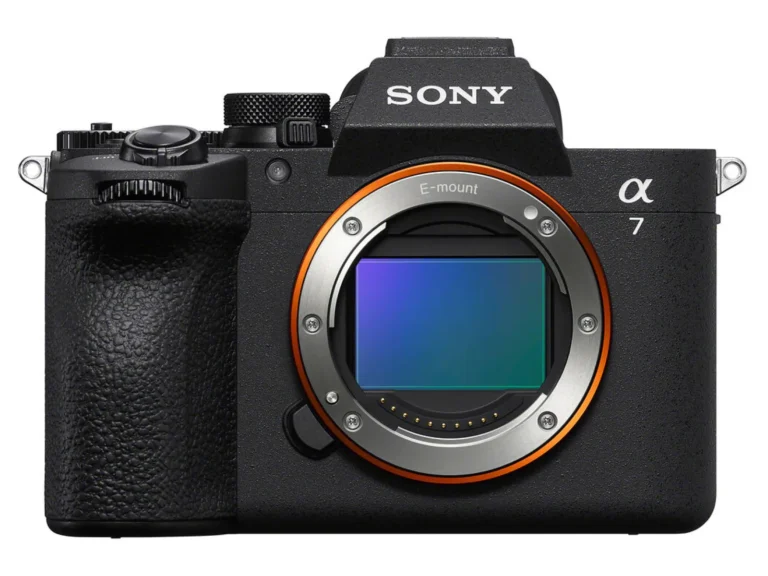
Sony A7 V (2025) replaces the classic 33 MP BSI sensor with a faster partially-stacked 33 MP BSI sensor with faster readout resulting in even better autofocus performance, much less rolling shutter distortion and better high-speed shooting performance (up to 20 fps with the electronic shutter and up to 30 fps with Sony-branded lenses). It also introduces a new BIONZ XR2 processor with a built-in AI processing unit (for enhanced processing when it comes to AI driven tasks) and a new hybrid screen design (tilting and fully articulating). Video recording is limited to 4K and to 10-bit (there is no internal or external 12-bit RAW recording option).
It’s all-around one of the most balanced cameras Sony’s lineup and currently represents great value, especially compared to the A7 IV.
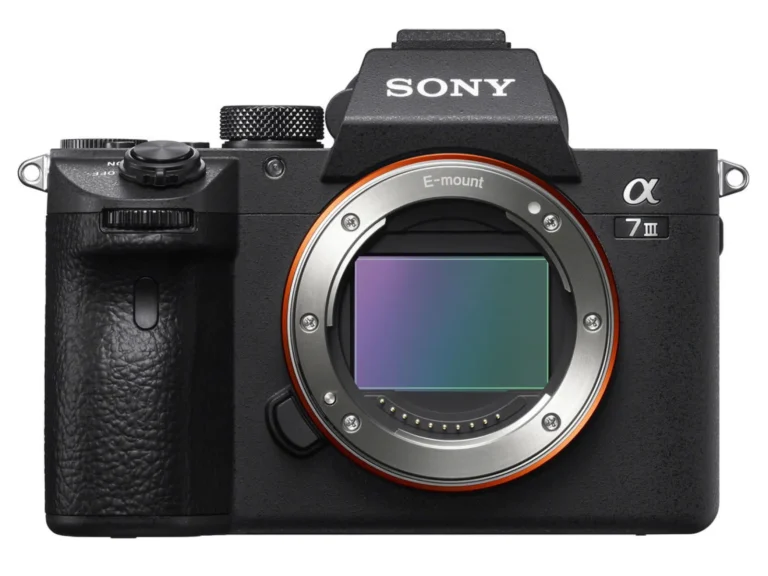
Sony A7 III (2018) is Sony’s modern entry-level option and it remains one of the most popular full-frame cameras on the market. It uses a 24 MP BSI sensor with excellent low-light performance and strong dynamic range. It also offers dual SD card slots, weather sealing, IBIS, 10 fps continuous shooting, oversampled 4K video recording and great autofocus performance.
Canon R6 III
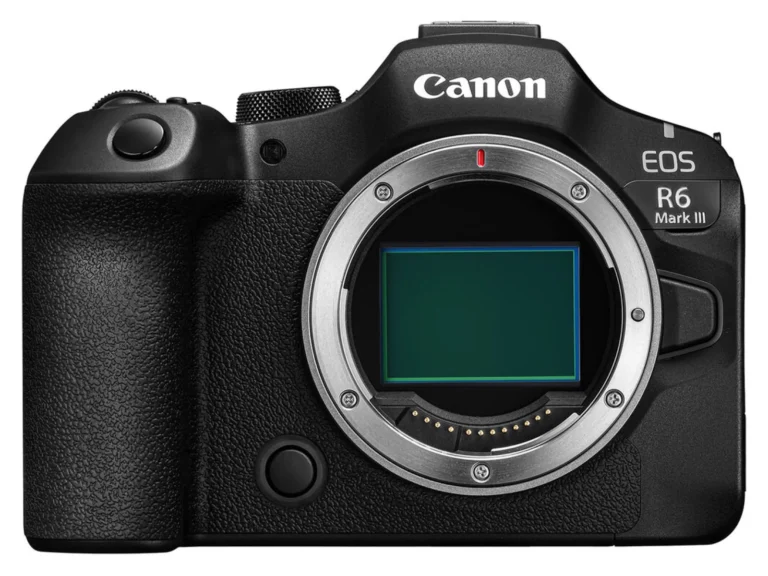
Canon EOS R6 Mark III, EOS R6 V and Canon C50 all use the same 32.5 MP sensor. The R6 III is an extremely capable hybrid camera, while the C50 and R6 V have a video-centric design.
Canon EOS R6 Mark III (2025) is Canon’s most advanced camera in the R6 series and a competitor to the Sony A7 IV. It offers continuous shooting up to 40 fps with the electronic shutter (12 fps mechanically) and extremely reliable autofocus performance. It can record in 7K at 60 fps, 4K at 120 fps and oversampled 4K at 60 fps (all internally in 12-bit RAW). It also offers Open Gate recording in up to 7K 30 fps.
Canon EOS R6 Mark III is more expensive than the Sony A7 IV. The R6 III and the Sony A7 V have the same price.
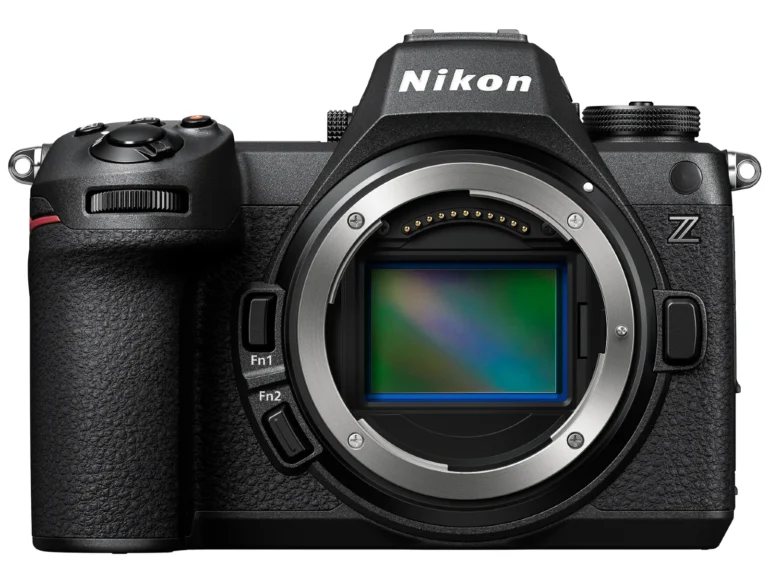
Nikon Z6 III
Nikon has no direct competitor to the Sony A7 IV in terms of megapixels.
Nikon Z6 III (2024) is Nikon’s most advanced 24 MP camera, featuring a partially stacked 24 MP BSI sensor, an EXPEED 7 processor and class-leading autofocus and video capabilities including internal 6K 60 fps 12-bit N-RAW recording, oversampled 4K 60 fps recording and 4K 120 fps recording with a 1.5x crop. It can shoot at 14 fps in RAW with a mechanical shutter and 20 fps in RAW with the electronic shutter (60 fps in full-res JPEG and 120 fps in 11 MP JPEG).
The Z6 III costs less than the Sony A7 IV. It does have a lower-resolution sensor and autofocus might not be quite as advanced as on Sony cameras, but it offers much more video recording features and much better high-speed continuous shooting performance along with a faster partially-stacked BSI sensor with faster readout (resulting in much less rolling shutter distortion).
SONY A7 IV Price
Final Verdict
Sony A7 IV is an extremely capable all-around camera. It produces excellent still images with great dynamic range and video capabilities are significantly improved over its predecessor, the Sony A7 III, mainly thanks to the addition of 10-bit recording.
That said, the A7 III still offers continuous shooting at up to 10 fps in 14-bit RAW, whereas the A7 IV can only reach 10 fps when using compressed 12-bit RAW due to the slower readout speed of its higher-resolution sensor. Beginners will likely still benefit from choosing the A7 III instead, especially if it can be found at a good price on the used market.
On the other hand, the newer Sony A7 V improves on nearly every aspect of the A7 IV and is arguably one of the best-value Sony cameras currently available.
If you are not yet committed to the Sony ecosystem, there are also strong alternatives from other brands, particularly the Canon EOS R6 Mark III and the Nikon Z6 III.