
SONY Cameras
Sony A7R V Review
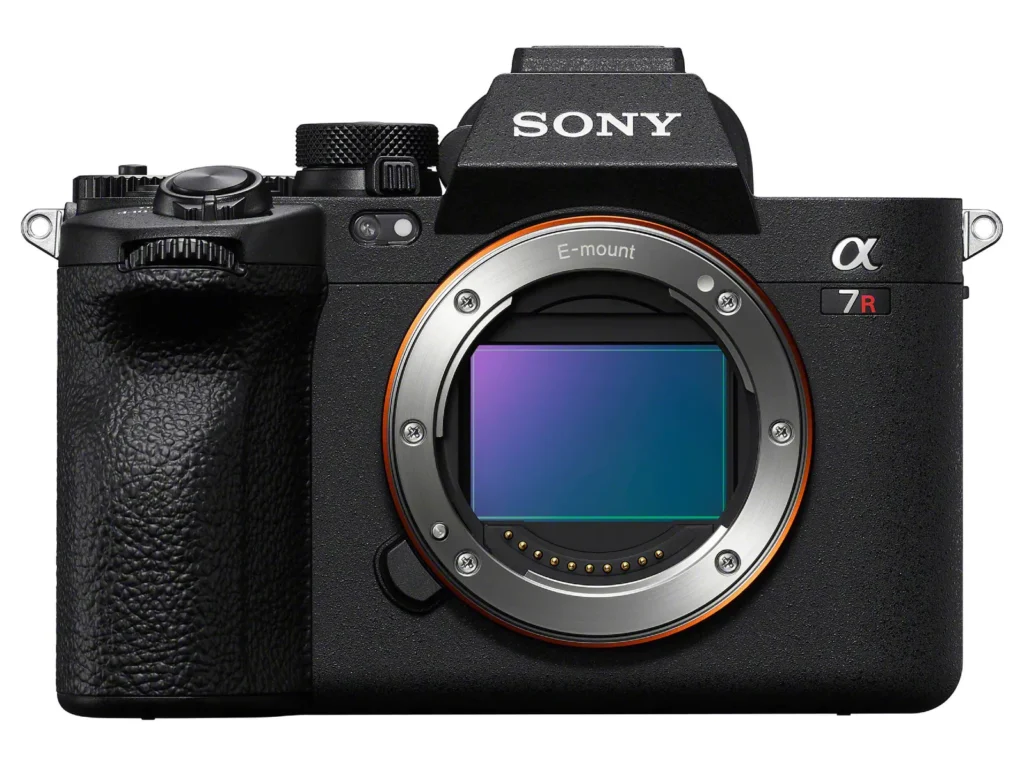
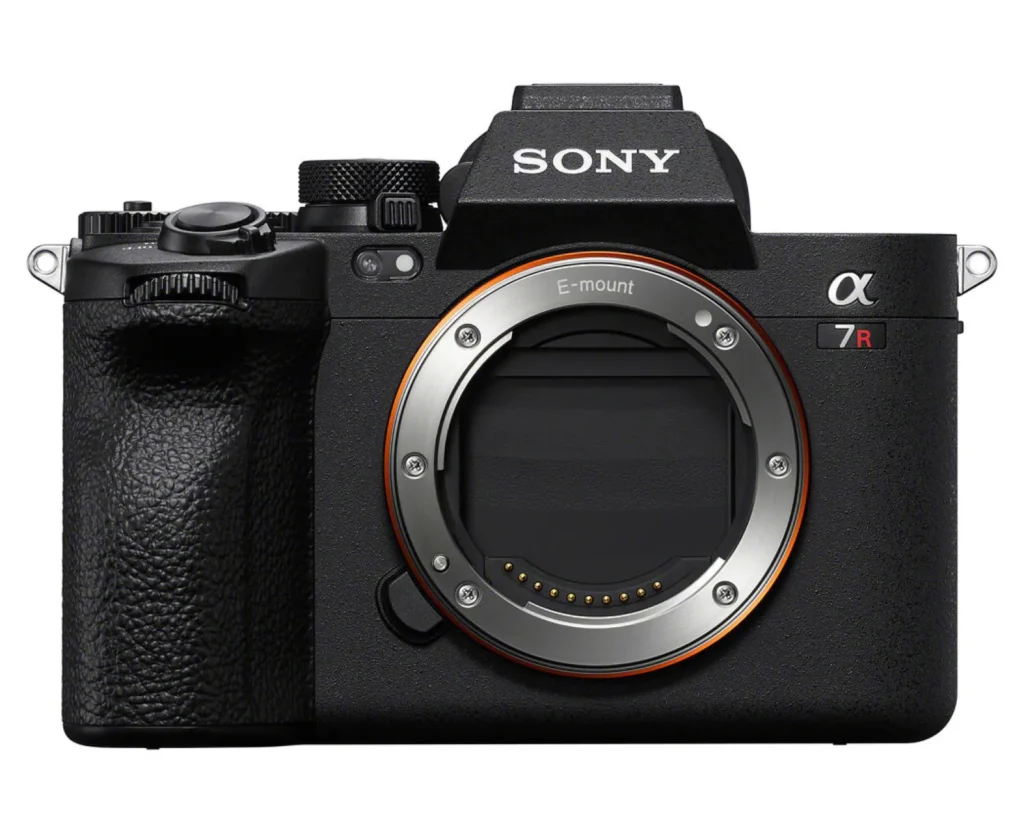
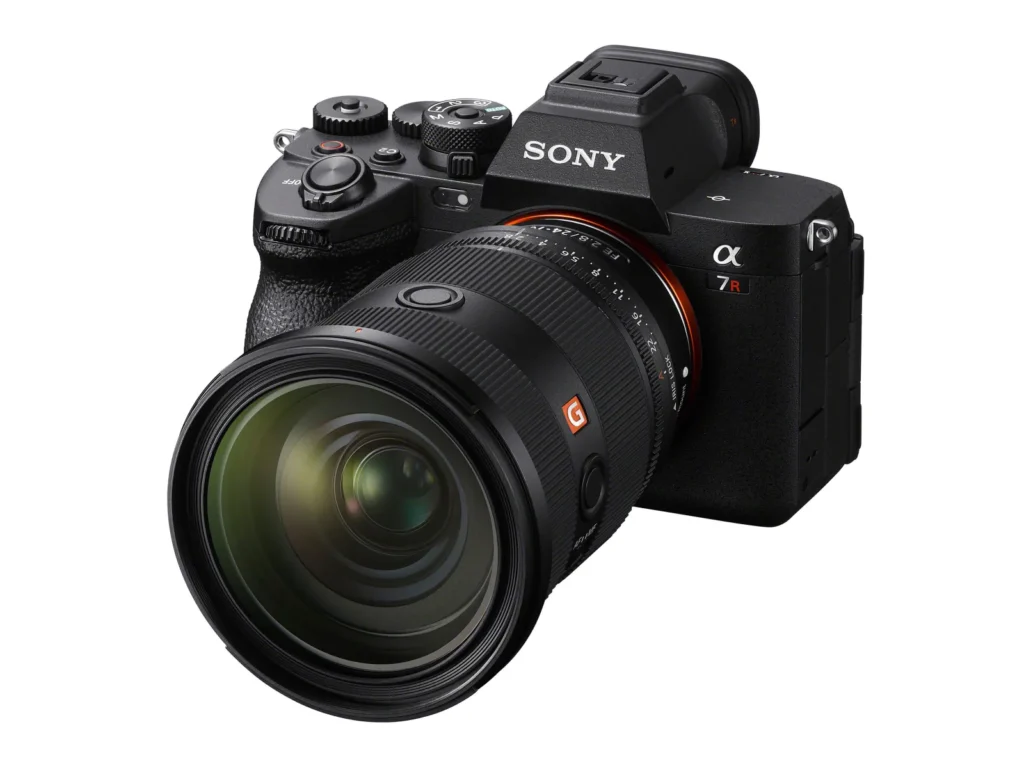
Sony A7R V is a direct successor to the A7R IV. It keeps keeps the same 61 MP sensor, but it introduces a new faster BIONZ XR processor paired with Sony’s AI processing unit. This leads to improved subject recognition and subject tracking and expanded video capabilities including internal 8K video recording.
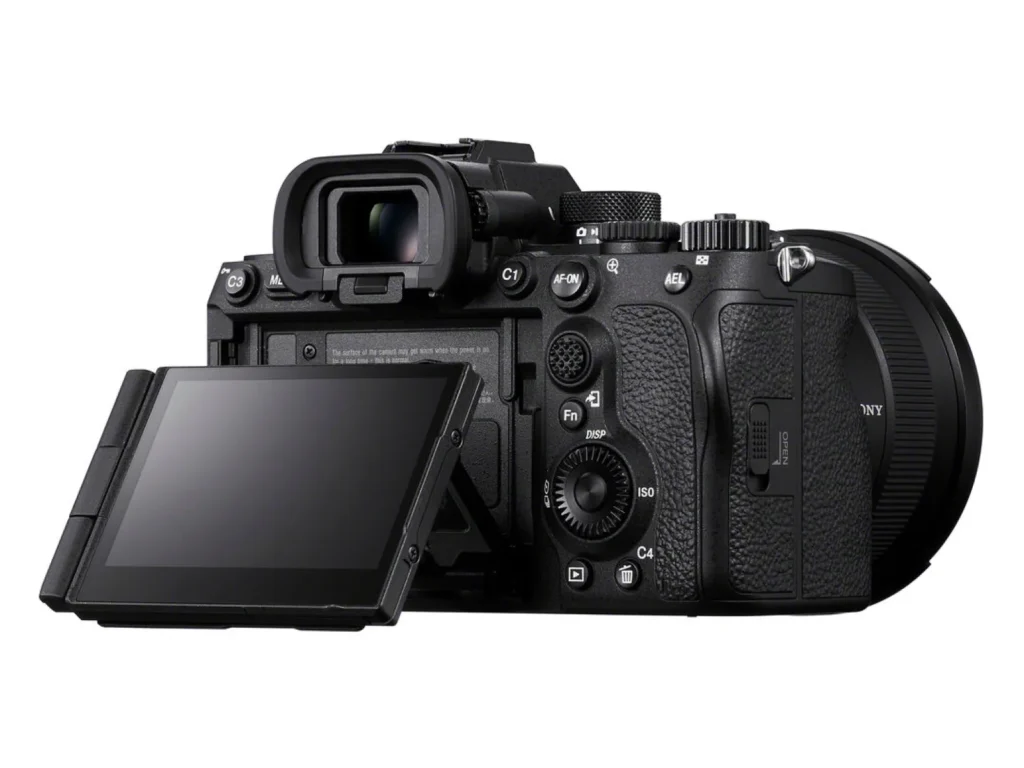
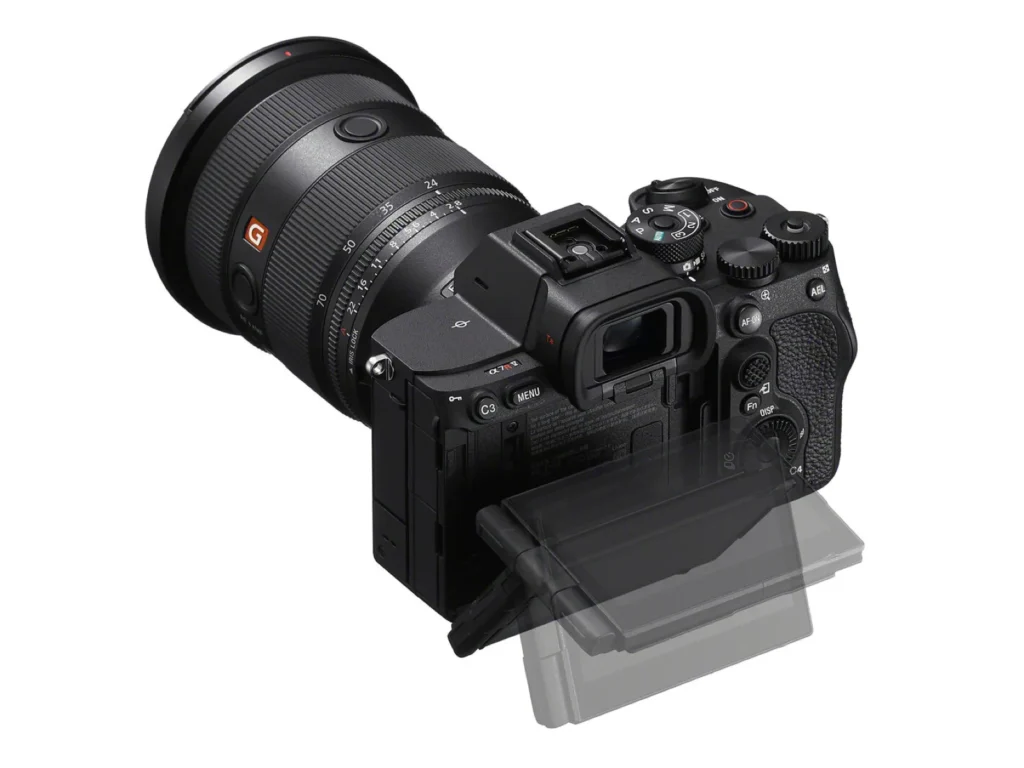
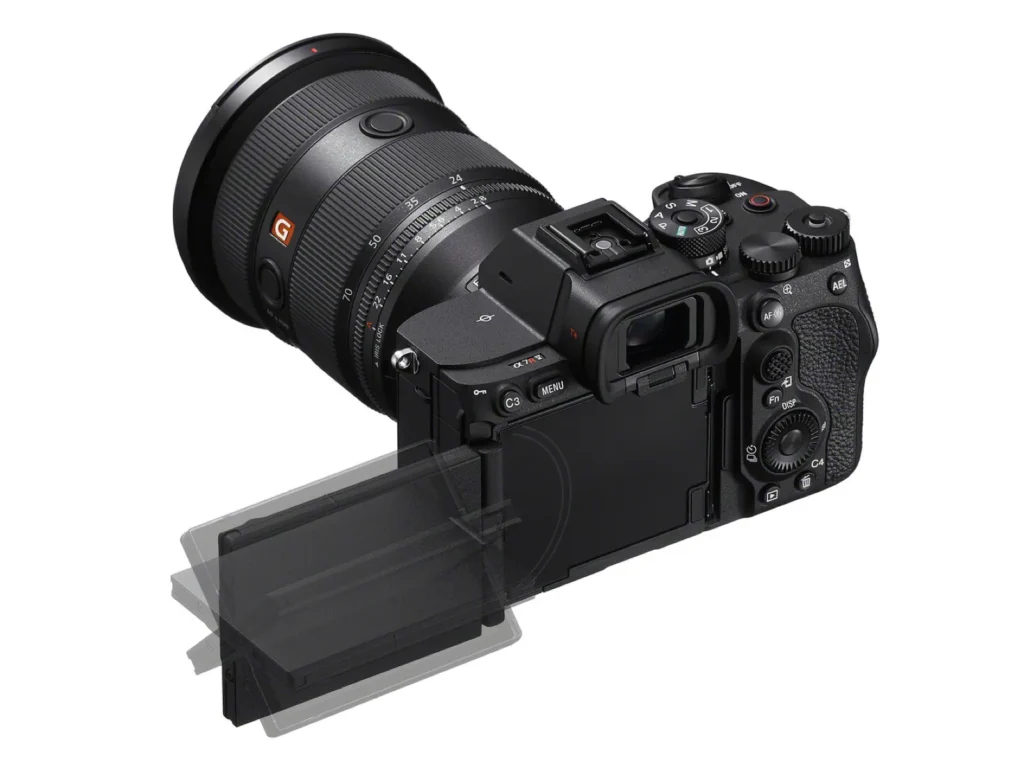
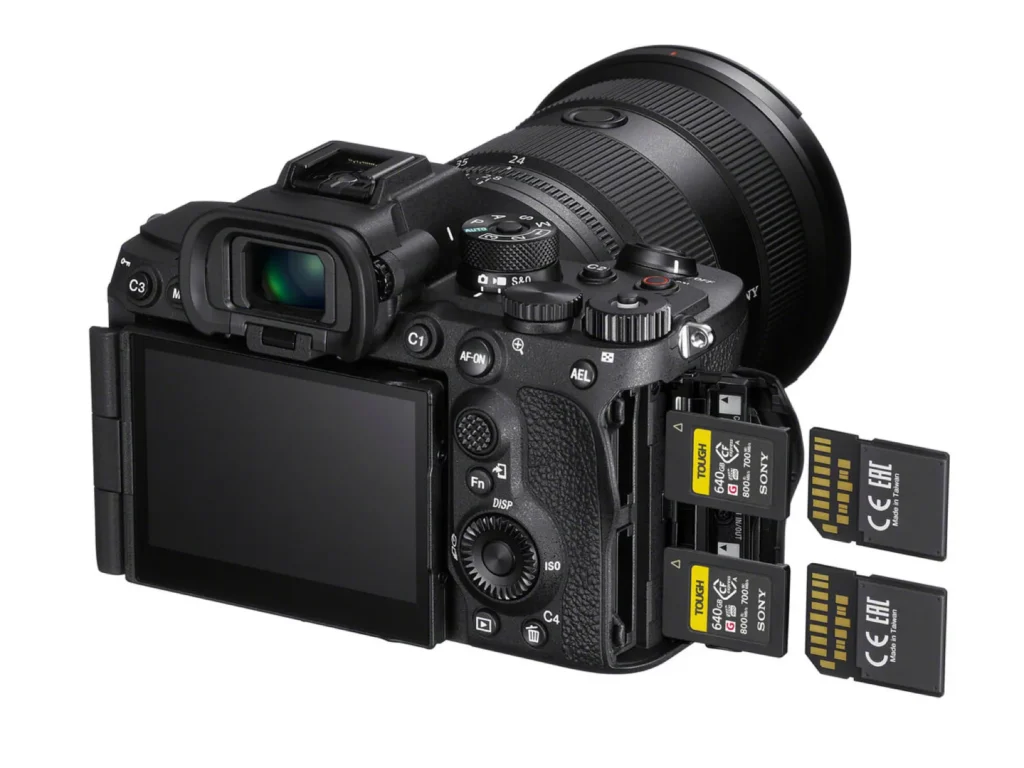
Other major upgrades include a new hybrid high-resolution LCD screen that combines tilting and fully articulating movement, as well as dual card slots that now support either UHS-II SD cards or CFexpress Type A cards, resulting in significantly improved buffer performance.
SONY E-Mount
Sony introduced the E-mount in 2010 alongside their first mirrorless cameras, giving them a huge head start. Over a decade later, there are over 100 native lenses and more than 200 if you include third-party options. Because the mount hasn’t changed, old lenses still work with newer cameras, creating a huge second-hand market. Compare that to Canon and Nikon, which only introduced new mounts in 2018, Sony users have had years to build and upgrade their kits without starting from scratch. For beginners entering the Sony system that means more options and much better prices.
SONY A7R V Price
Sony A7R V Specifications
General
Sony A7R IV uses the same 61 MP BSI full-frame sensor as the Sony A7R IV, but it upgrades to a faster BIONZ XR processor paired with Sony’s new AI processing unit for enhanced processing when it comes to AI-driven tasks.
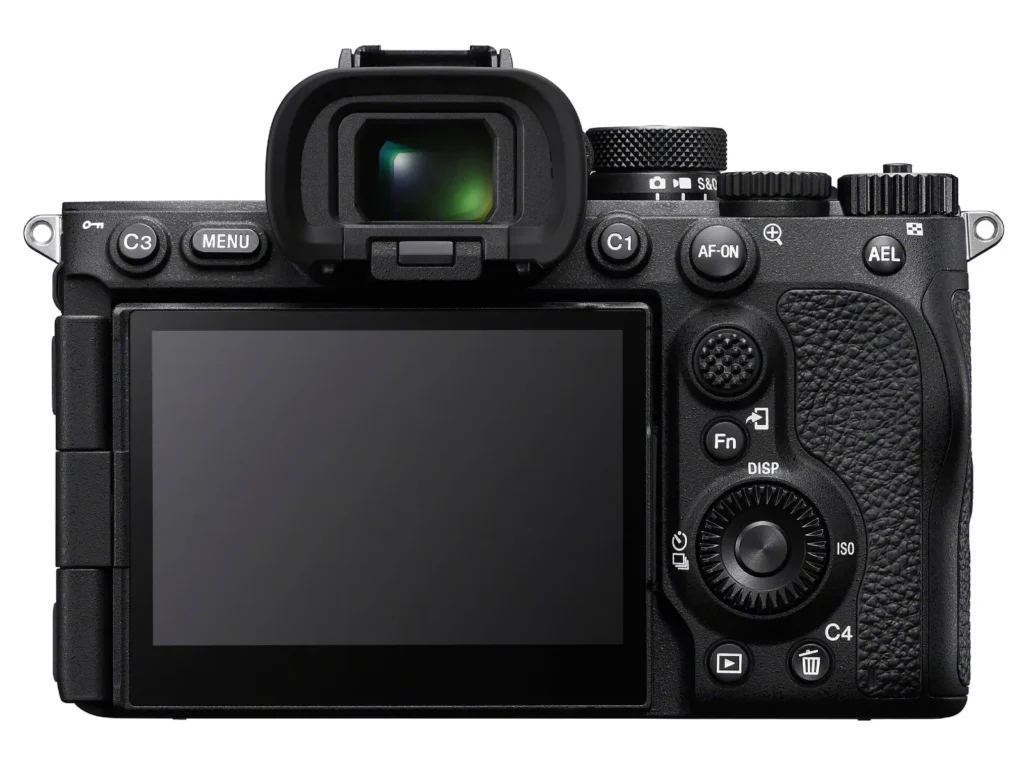
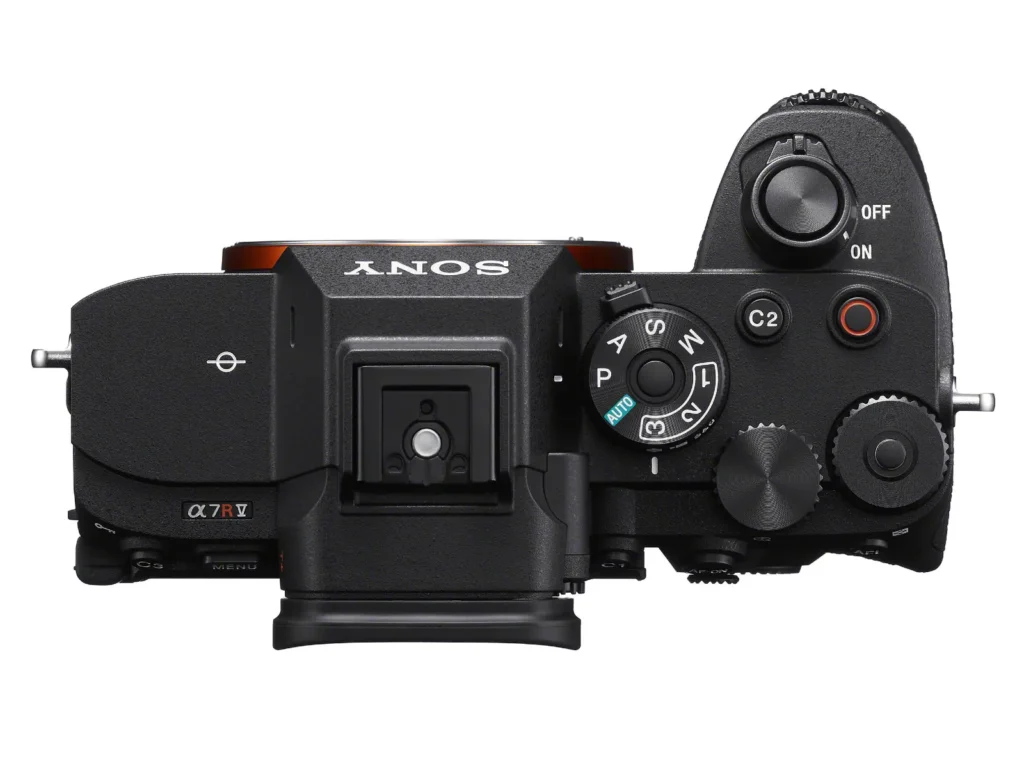
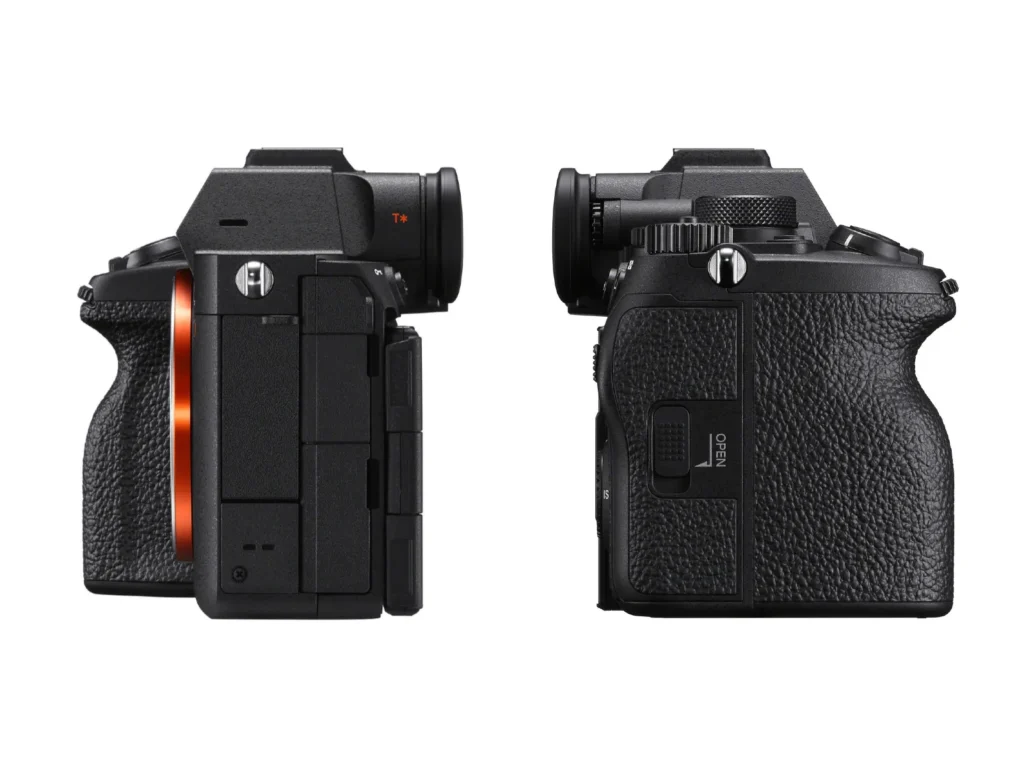
The body design is extremely similar to the A7R IV with a few repositioned buttons and a new separate selector lever to switch between photo and video. It is one of the largest Sony bodies, but still it remains compact compared to older DSLRs or models from other brands.
In-body 5-axis image stabilization provides up to approximately 8 stops of shake reduction, a huge upgrade over the 5.5 stops provided in the A7R IV. Improvement is very noticeable with handheld recording while standing relatively still, but much less with handheld recording while walking.
The shutter automatically closes when you turn the camera off, protecting the sensor from dust and debris.
The A7R V upgraders to a new larger and sharper LCD screen with a new hybrid design that combines tilting and fully articulating movement. For the first time in the A7R series the screen has full touch functionality (before touch capacity was limited just to the touch to focus feature).
Other upgrades include a new high-resolution EVF, a full-size HDMI port and the addition of two identical card slots that accept either CFexpress Type A or UHS-II SD cards. The EVF is the same as the one used on the Sony A1, but there is no option 240 fps refresh rate option.
The A7R V also finally upgrades to Sony’s new Menu system, the same one used in the Sony A1 and A7S III.
Autofocus
Sony’s autofocus is widely regarded as one of the best in the industry. The A7R V uses a new version of Sony’s ‘Fast Hybrid AF’ system with a new AI-based deep-learning engine for enhanced subject recognition and tracking.
The camera can recognize and track 7 different subject types: humans, animals, birds, insects, cars, trains and airplanes. Eye-Detection is available for humans, birds and certain animals and AI is used to detect and track the eyes and face of the subject with extremely high precision.
The camera also maintains focus well in low-light conditions, even when the face is upside down and when a person is wearing a helmet or something else that obscures the face. When the subject turns around and there is no eye to focus on, the camera switches to face-detection, body detection or classic subject tracking and if the subject turns back around again it switches back to eye-AF.
Just like with all Sony ‘flagship’ cameras, autofocus performance is extremely reliable in virtually all situations.
Photography
Images quality is essentially the same as on the A7R IV, since both cameras use the same sensor. Images are very detailed and offer great dynamic range. Low-light performance is also great thanks to the BSI sensor, especially when we consider the fact that the camera has 61 MP with smaller individual pixel size.
Keep in mind that files are extremely large, around 125 MB for each uncompressed RAW photo, but there is also a lossless compressed RAW option.
Shutter options include mechanical, electronic front-curtain and fully electronic (silent) shutter modes.
Sony A7R V can shoot at up to around 7 fps in 14-bit RAW and at up to 10 fps in compressed 12-bit RAW when shooting with the mechanical shutter.
Using the silent shutter option (electronic shutter) it can shoot only at up to around 5 fps in 14-bit RAW and up to around 8 fps in compressed 12-bit RAW.
According to official figures you will get 135 uncompressed RAW photos or more than 500 lossless compressed photos before the buffer fills. If you use slower SD cards, instead of CFexpress cards, that will negatively impact the buffer and clearing time.
Using the electronic shutter when photographing fast moving objects will result in very noticeable rolling shutter distortion due to the high-resolution senor with slower readout speed.
The A7R V also includes a sensor-shift mechanism that enables pixel-shift shooting, combining 4 or 16 exposures with slight sensor movements to produce high-resolution images with up to 240 MP. It’s a useful feature, but files are not processed in-camera, so you will need to create the final image later using dedicated software. Also keep in mind that the final file can have up to 2GB.
| Feature | Sony A7R V |
|---|---|
| Release Date | October 2022 |
| Megapixels | 61.0 MP |
| Image Resolution | 9504 × 6336 |
| Sensor Size | Full Frame |
| Sensor Type | BSI CMOS |
| Image Processor | BIONZ XR + AI Processing Unit |
| IBIS | 5-axis, 8 stops |
| Weather Sealing | Yes |
| Lens Mount | Sony E |
| Body Type | Mirrorless |
| PHOTO | |
| Native ISO | 100 – 32,000 |
| Expandable ISO | 50 – 102,400 |
| Shutter Speed | 1/8000 – 30s |
| Burst Rate (Mechanical) | 7 fps RAW / 10 fps compressed 12-bit RAW |
| Burst Rate (Electronic) | 5 fps RAW / 8 fps compressed 12-bit RAW |
| Buffer | 100 - 583 RAW |
| Shutter Types | Mechanical, Electronic, EFCS |
| Silent Shooting | Yes (Electronic Shutter) |
| Exposure Compensation | ±5 EV |
| High-Res (Sensor Shift) | Yes |
| Pre-Capture Mode | No |
| VIDEO | |
| 4K Video | 4K 30fps (no crop) / 4K 30fps (oversampled from 6.2K, 1.5x crop) |
| Max Frame Rate | 8K 25fps (1.25x crop) / 4K 60fps (1.25x crop) / 1080p 120fps |
| Bit Depth | 10-bit Internal / 16-bit External |
| Recording Limit | 13 hours |
| Timelapse Recording | Yes |
| AUTOFOCUS | |
| AF System | 'Fast Hybrid AF' + AI-based deep-learning engine for enhanced subject recognition and tracking |
| AF Points | 693 |
| AF Coverage | ~ 80% Frame Coverage |
| AF Joystick | Yes |
| DISPLAY / VIEWFINDER | |
| Articulated Screen | Tilting & Fully Articulating |
| Touch Screen | Yes |
| LCD Size | 3.2" |
| LCD Resolution | 2,095,104 |
| EVF Resolution | 9,437,184 |
| EVF Refresh Rate | 120 fps |
| EVF Coverage | 100% |
| EVF Magnification | 0.90× |
| MORE INFO | |
| Card Slot 1 | CFexpress Type A / SD (UHS-II) |
| Card Slot 2 | CFexpress Type A / SD (UHS-II) |
| Sensor Protection System | Yes |
| USB | Type C 3.2 Gen 2 |
| USB Charging | Yes |
| HDMI | Type A (Full Size HDMI) |
| Microphone Port | 3.5 mm |
| Headphone Port | 3.5 mm |
| Built-in Flash | No |
| Built-in Microphone | Yes |
| Battery | NP-FZ100 |
| Battery Life | ~ 500 frames |
| Wi-Fi / Bluetooth | Yes |
| Dimensions | 131 × 97 × 82 mm |
| Weight | 723 g |
Video
Sony A7R V can record in 8K at 25 fps with a 1.25x crop. The footage is very detailed with great dynamic range, but rolling shutter distortion is a huge issue due to the high-resolution sensor with slower readout speed.
4K recording is available at up to 30 fps without a crop and at up to 60 fps with a 1.25x crop.
Oversampled 4K is available in Super 35/APS-C mode (with a 1.5x crop), but only at up to 30 fps. The footage is oversampled from approximately 6.2K delivering excellent detail, strong dynamic range and natural colors, but rolling shutter is still noticeable. This is a huge upgrade over the A7R IV, since it applied a 1.84x crop when recording in oversampled 4K at 30 fps.
Full HD (1080p) recording is available at up to 120 fps.
The A7 IV introduces 10-bit recording to the A7R series. You can record in Sony’s ‘S-Log 3’ and S-Cinetone for greater flexibility in grading and post-processing. There is also an option for 16-bit RAW external recording to selected Atmos devices (Atmos Ninja V).
The camera features 8-stop built-in stabilization (IBIS) to help with handheld recording. Active Mode provides much more stable footage than Standard, but it comes with an additional 1.1x crop and therefore reduced image quality since it uses digital stabilization on top of mechanical IBIS. Active Stabilization Mode is not available when recording in 8K.
Individual clips are limited to 13 hours for most modes. The battery allows for more than 2 hours of 4K 60 fps recording and USB-C power delivery can be used to extend this time.
Streaming via USB-C is available in 720p at 30 fps, in 1080p at 30 or 60 fps and in 4K at 15 fps (meaning 4K streaming is not useful).
Overheating likely won’t be an issue when recording in 4K and the camera usually runs out of battery before overheating. According to Sony, you can record in 8K for about half an hour before thermal shutdown, but in practice this depends on settings and the environment. It is advisable to keep the screen flipped out and definitely keep the camera out of direct sunlight.
Sony A7R V Alternatives
SONY A7R IV
SONY A7R VI
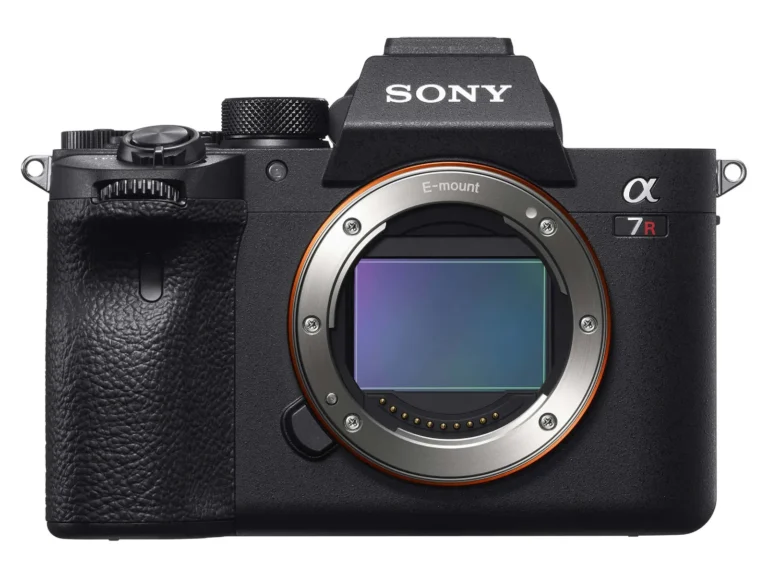
SONY A7R IV (2019) used the same 61 MP BSI sensor as the A7R V, resulting in almost identical image quality, but it had an older autofocus system, lower-resolution EVF and LCD panels, a tilting screen design, a smaller buffer and offered only 4K video recording up to 30 fps and only in 8-bit.
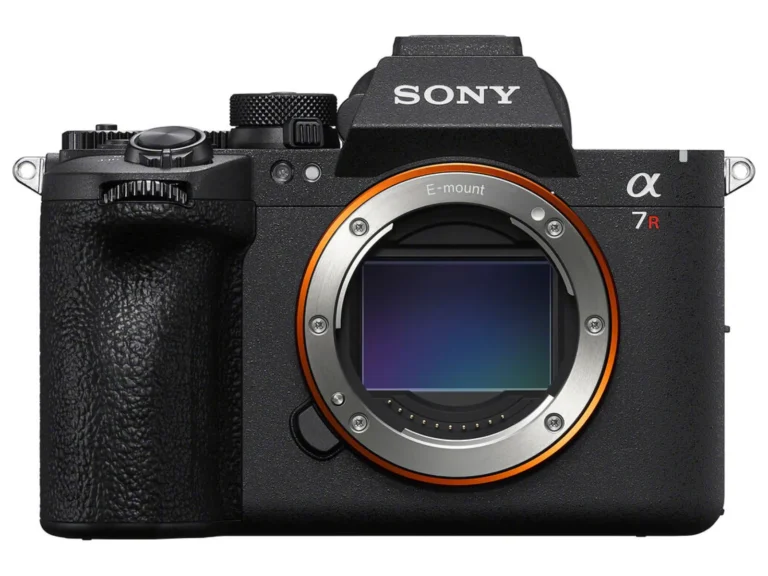
Sony A7R VI (2026) introduces a new 67 MP fully stacked sensor with faster readout speed and Sony’s new BIONZ XR2 processor with a built-in AI processing unit. These upgrades dramatically improve performance compared to previous A7R models.
The camera can shoot continuously at up to 10 fps in 14-bit RAW and even up to 30 fps with the electronic shutter, while also offering enhanced video capabilities. The autofocus system has been upgraded as well, bringing Sony’s latest AI-powered subject detection and tracking features to the high-resolution A7R lineup.
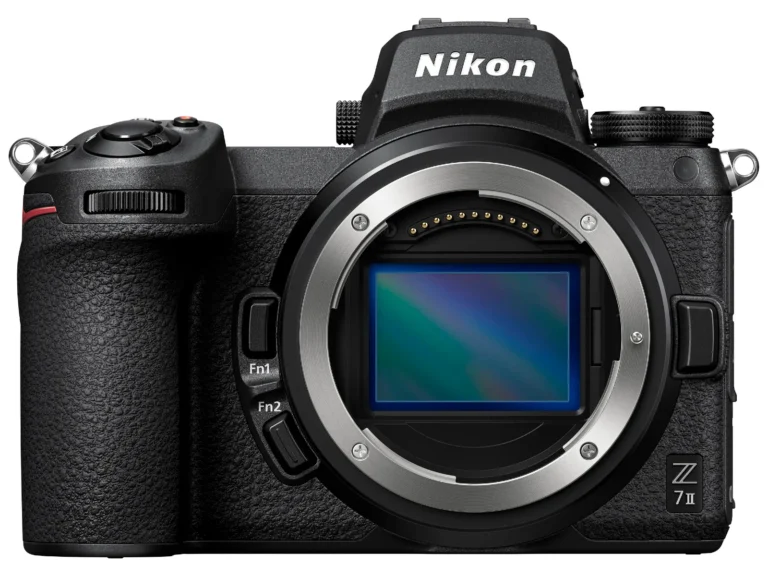
Nikon Z7 II
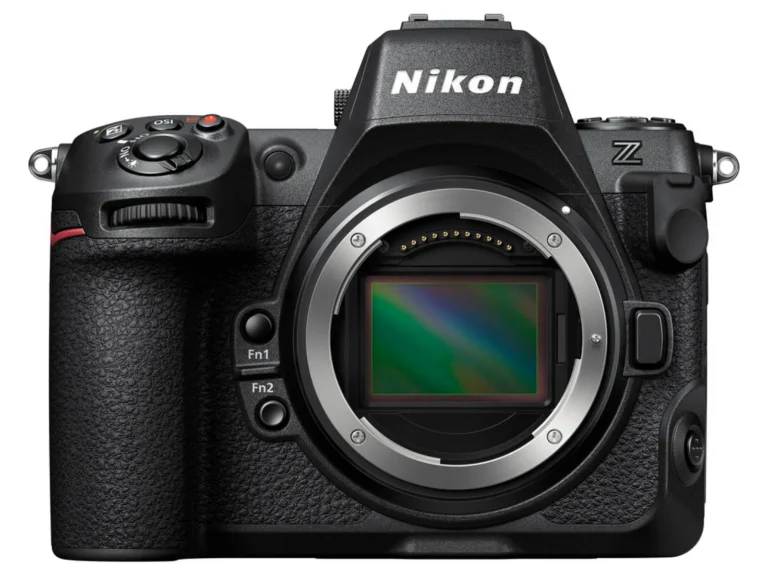
Nikon Z8
Nikon Z7 II (2020) is Nikon’s high-resolution full-frame option. It offers a 45 MP BSI sensor with great dynamic range and low-light performance. It features dual card slots (one SD and one CFexpress Type B), continuous shooting at up to 10 fps, 4K 60 fps recording and oversampled 4K 30 fps recording with a 1.5x crop. Video recording is limited to 8-bit with an option for external 12-bit recording.
Nikon Z7 II is also much cheaper than the Sony A7R V (currently about $1000 – $1500 cheaper). It has absolutely no competition at this price.
Nikon Z8 (2023) uses a 45.7 MP stacked sensor paired with Nikon’s EXPEED 7 processor, delivering class-leading autofocus performance with advanced subject detection, blackout-free 20 fps shooting and extremely fast sensor readout, effectively eliminating the need for a mechanical shutter. It can record 8K at 60 fps in 12-bit N-RAW, 4K up to 120 fps and oversampled 4K at up to 60 fps. It can shoot at up to 20 fps in RAW, 30 fps in full-resolution JPEG and up to 120 fps in 11 MP JPEG. Buffer performance is extremely strong and the Z8 can shoot at 20 fps for approximately 1,000 frames (50 seconds) without viewfinder blackout.
Nikon Z8 is Nikon’s flagship camera that costs about the same as the Sony A7R V. It clearly offers more features at a similar price, but does have 15 MP less.
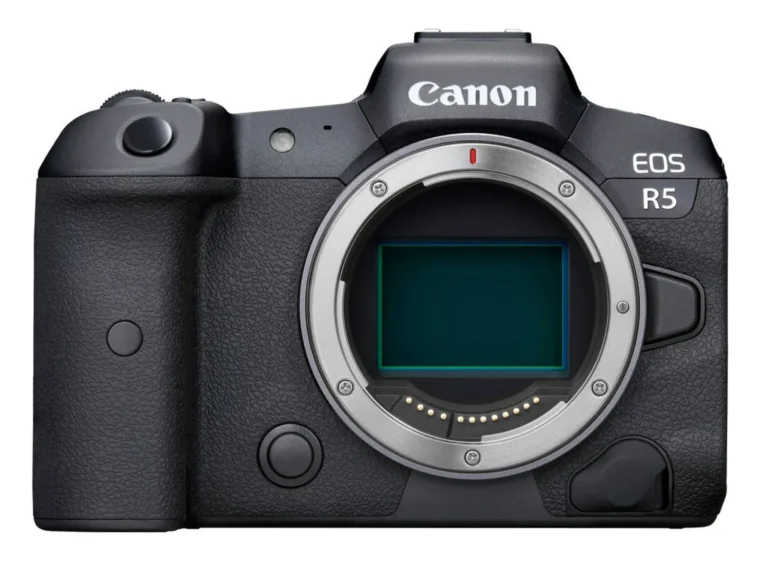
Canon R5
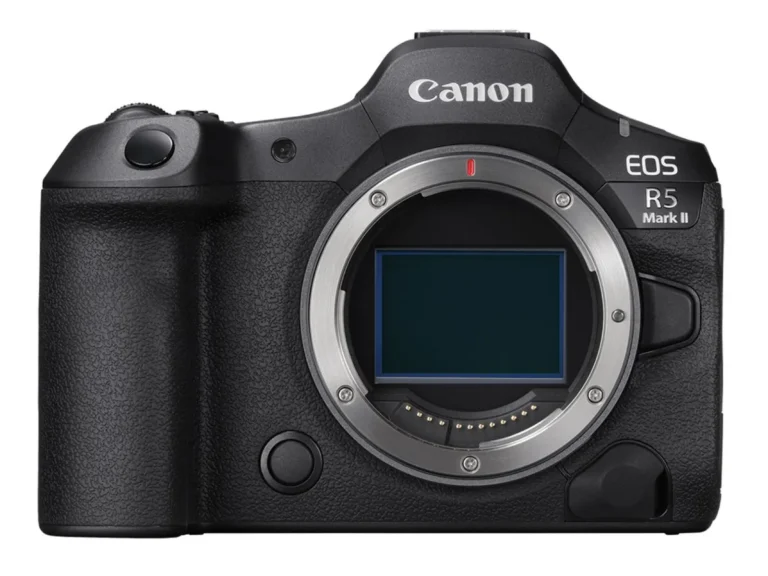
Canon R5 II
Canon EOS R5 (2020) was Canon’s original high-resolution mirrorless option. It used a 45 MP sensor and offered continuous shooting up to 12 fps (20 fps with the electronic shutter), dual card slots (one SD and one CFexpress Type B), oversampled 4K 30 fps recording and even 8K recording, but the camera overheated very quickly and it took forever to cool down.
Canon R5 is priced the same as the older Sony A7R IV. The R5 is no longer in production, but it will still be offered as a new product for a while.
Canon EOS R5 Mark II (2024) upgrades to a new 45 MP stacked sensor and adds a DIGIC Accelerator for faster processing. Just like the original R5, it captures highly detailed photos with excellent dynamic range, pleasing colors and good low-light performance, but with less rolling shutter distortion thanks to faster readout. It uses Canon’s newest AF System (‘Dual Pixel Intelligent AF’) which is widely regarded as one of the strongest systems in the industry. It can shoot at 12 fps with the mechanical shutter for 10-20 seconds and at 30 fps with the electronic shutter for about 3 seconds. It also offers half of a second of Pre-Capture (15 RAW photos). It can record 8K 60 fps in 12-bit RAW and oversampled 4K at 30 fps, but overheating is much more of an issue than with other cameras on this list so users need to record shorter clips or use Canon’s battery grip with a built-in cooling fan.
The R5 Mark II is Canon’s ‘flagship’ high-resolution model. It costs about $500 more than the Sony A7R V, but offers more features, aside from the higher-resolution on the Sony.
SONY A7R V Price
Final Verdict
Sony A7R V is a very capable high-resolution camera that until recently simply didn’t have any competition in the full-frame market in terms of resolution. It was also a huge upgrade over the previous model, the A7R IV, and simply represented better value, because while both cameras use the same 61 MP sensor, the A7R V upgrades nearly every aspect of the previous model.
That said, Sony just recently released the new A7R VI. It offers a slight increase in resolution, but the more significant upgrade is its fully stacked sensor design, which delivers substantial improvements in autofocus performance, continuous shooting capabilities and video features.
If 61 MP feels like overkill, there are several more affordable 45 MP alternatives from other camera brands currently on the market and even some 45 MP stacked-sensor models if you require flagship-level hybrid performance (with a price very similar to the Sony A7R V).