
SONY Cameras
Sony A7R II Review
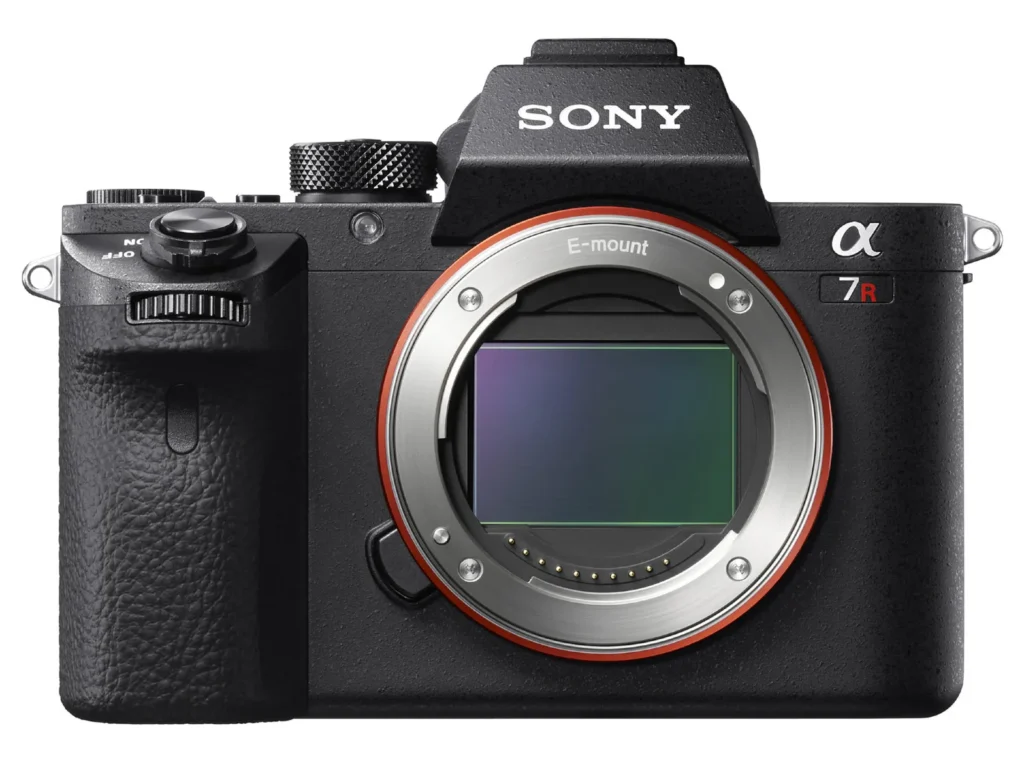
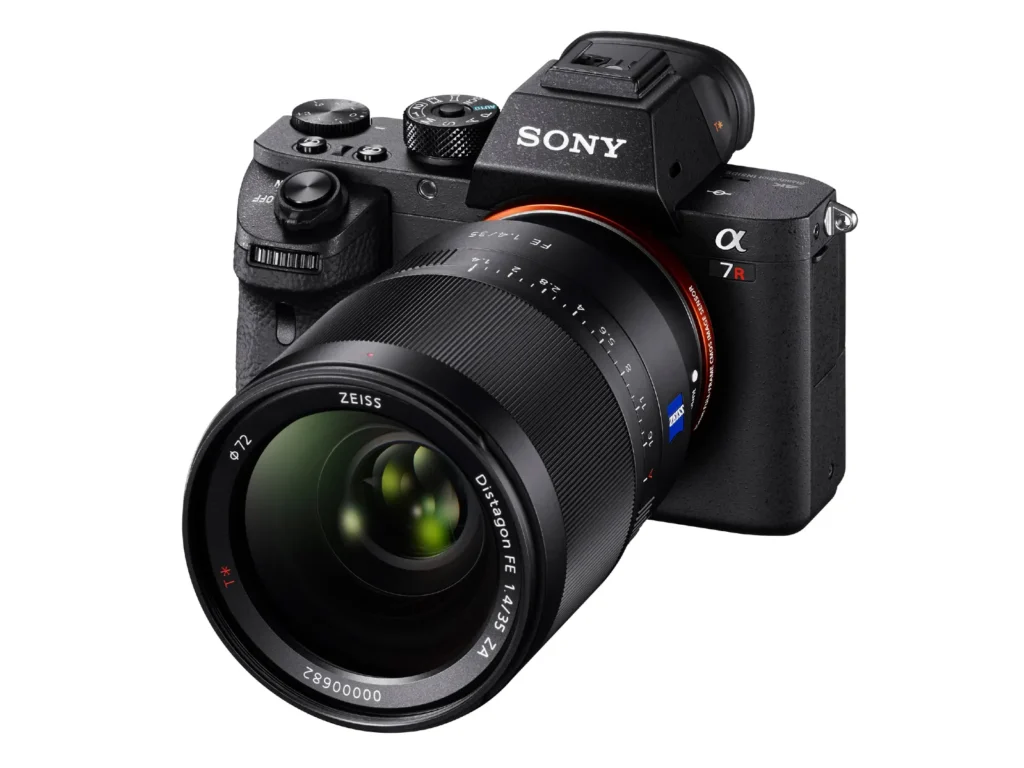
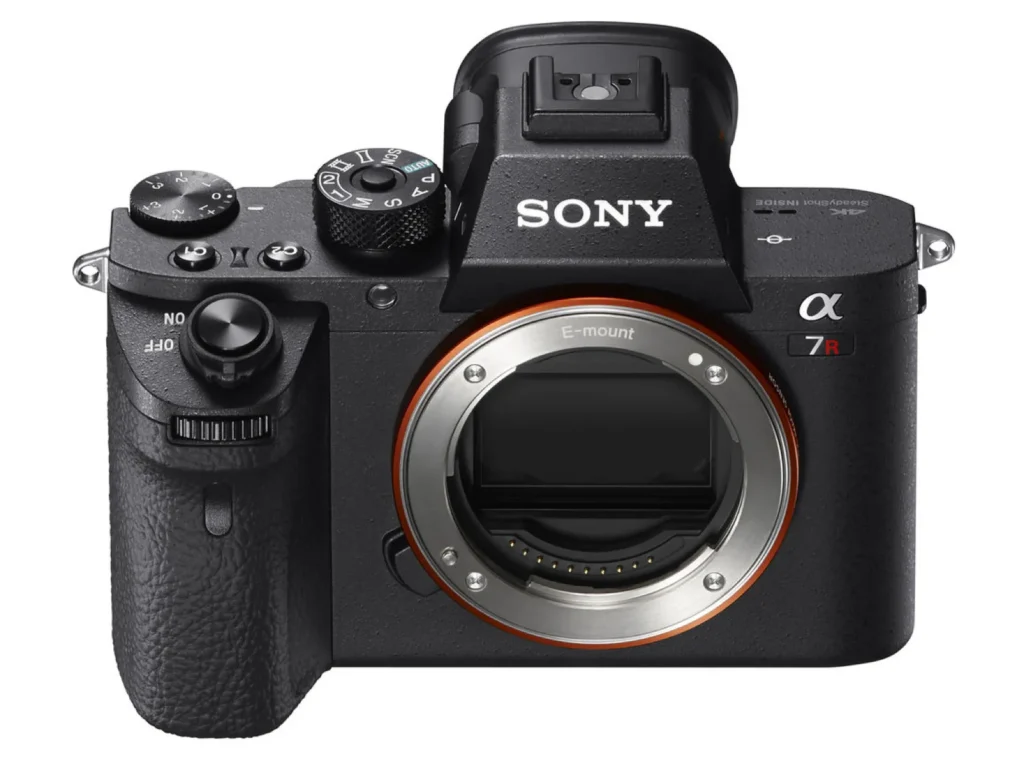
Sony A7R II was a huge upgrade over the original A7R. It introduced a new 42 MP backside-illuminated full-frame sensor and vastly improved autofocus system. It also added in-body image stabilization, 4K video recording and introduced a new more durable and more ergonomic weather-sealed body.
The A7R II is no longer in production. It was replaced by the A7R III, released in 2017.
SONY E-Mount
Sony introduced the E-mount in 2010 alongside their first mirrorless cameras, giving them a huge head start. Over a decade later, there are over 100 native lenses and more than 200 if you include third-party options. Because the mount hasn’t changed, old lenses still work with newer cameras, creating a huge second-hand market. Compare that to Canon and Nikon, which only introduced new mounts in 2018, Sony users have had years to build and upgrade their kits without starting from scratch. For beginners entering the Sony system that means more options and much better prices.
SONY A7R II Price
Sony A7R II Specifications
General
Sony A7R II features a new 42.4 MP BSI full-frame sensor paired with Sony’s BIONZ X processor.
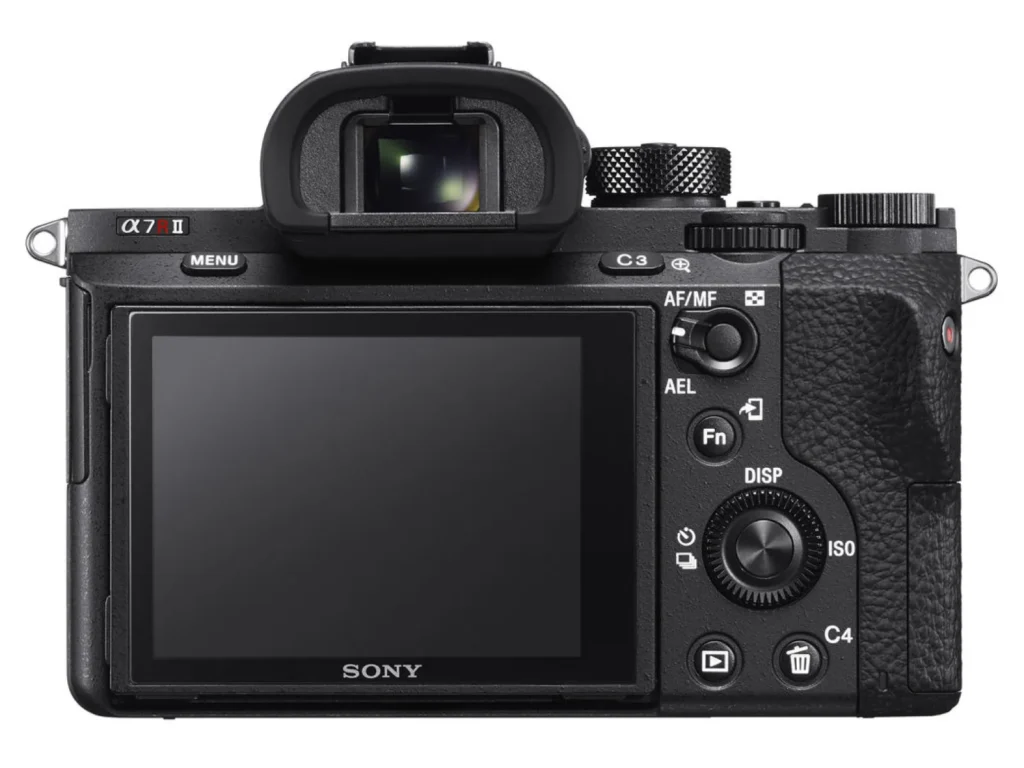
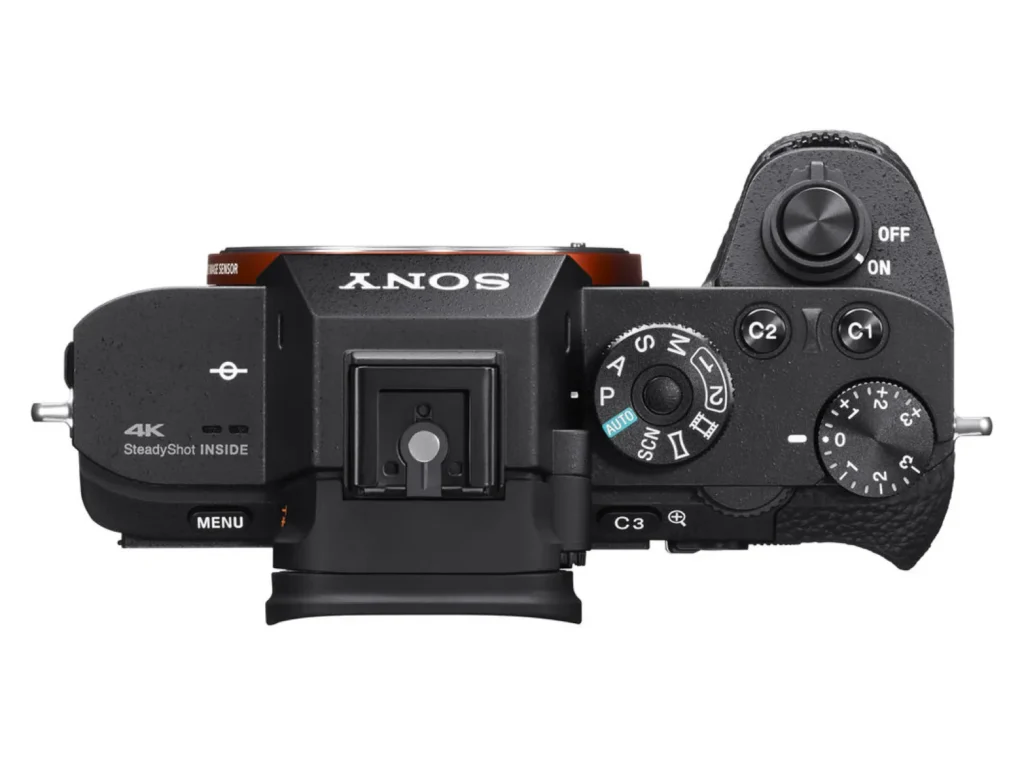
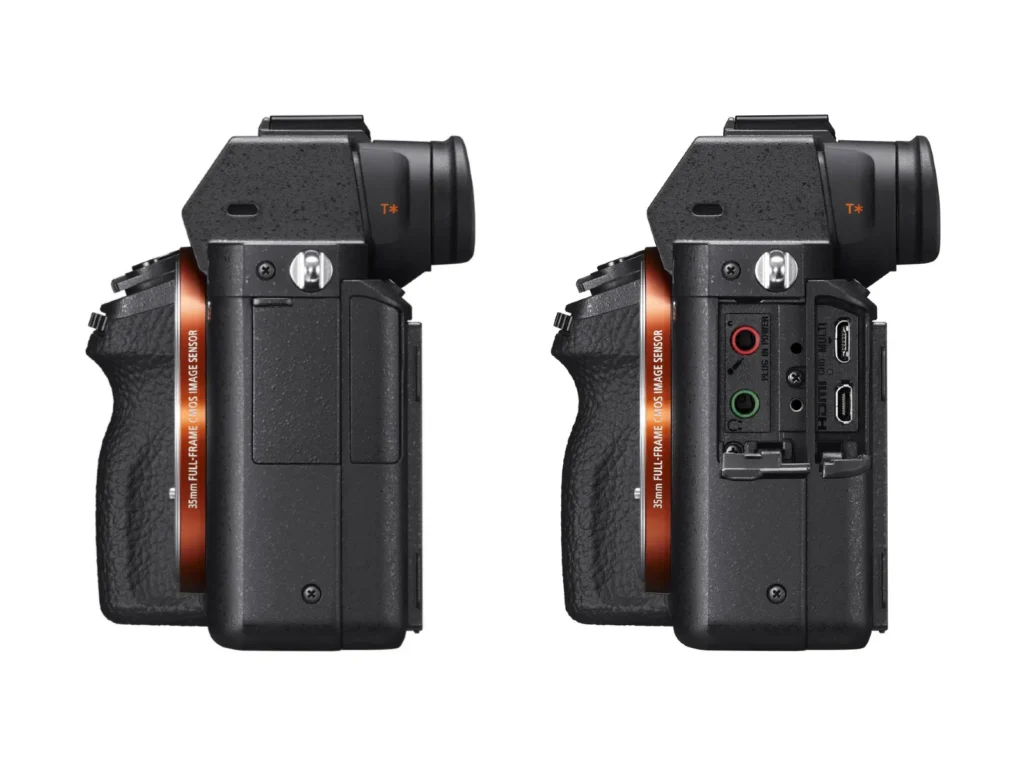
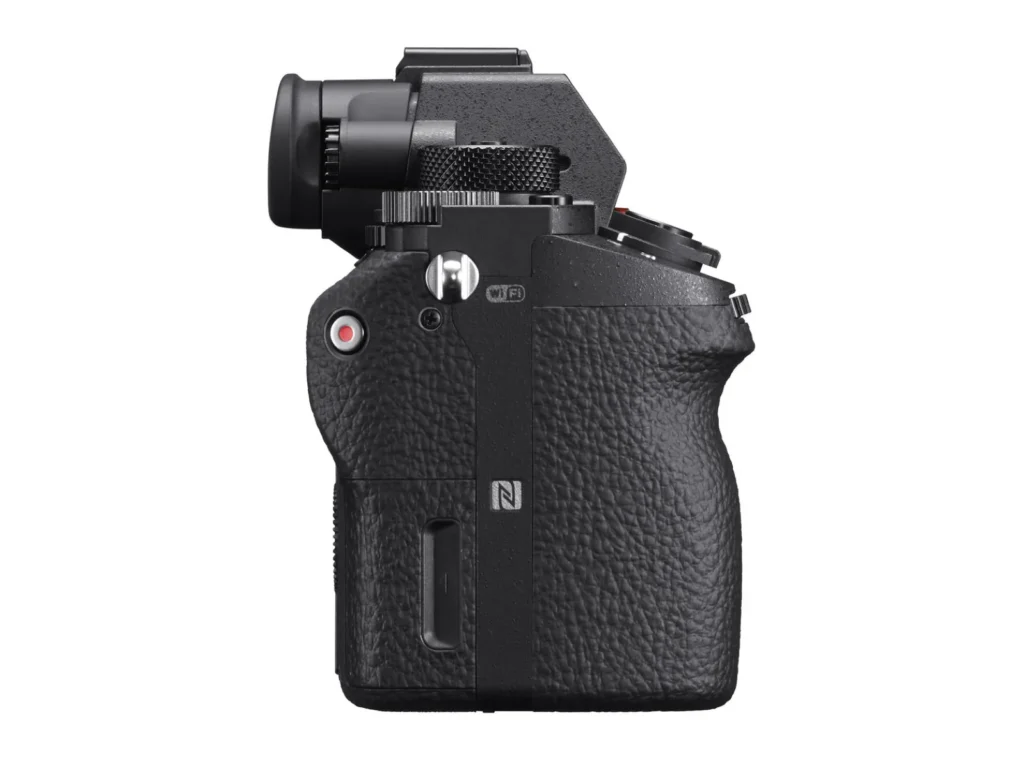
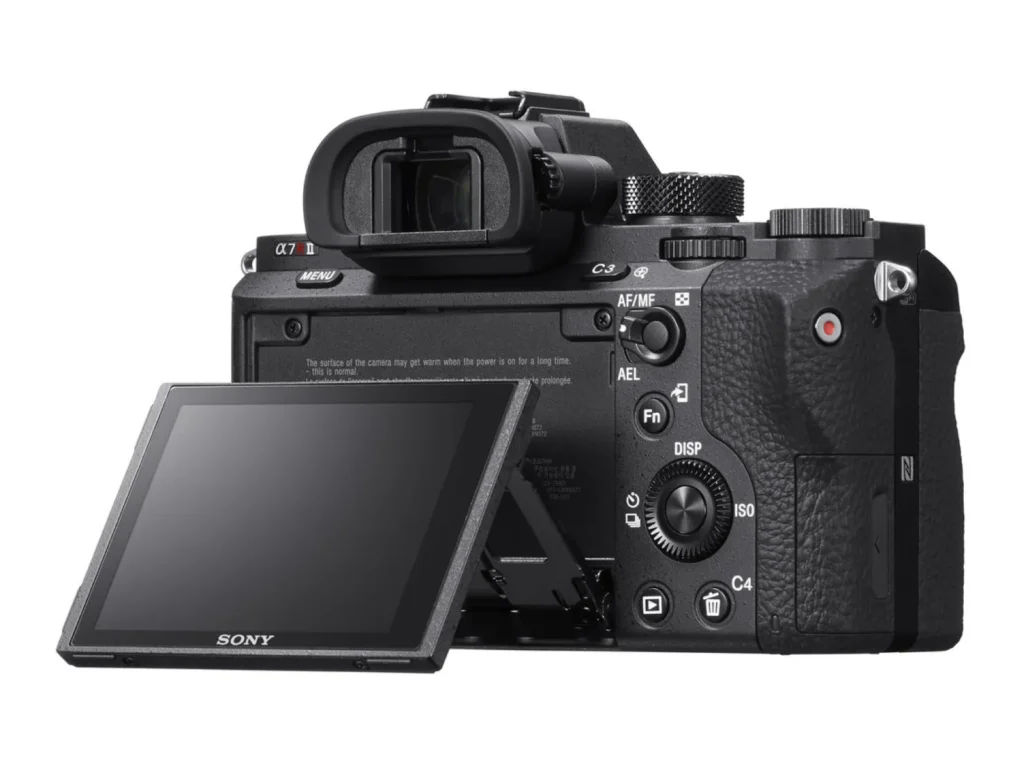
The body of the Sony A7R II was completely redesigned compared to the original Sony A7R. The camera became slightly larger and introduced a much more ergonomic grip. The shutter button was also moved toward the front of the grip, addressing complaints from some users who found the button placement on the original A7R uncomfortable to reach.
Despite the redesign, the camera remained very compact. At the time, competing brands were still primarily focused on much larger DSLR cameras.
The A7R II also improved weather sealing compared to the original A7R. While not nearly as robust as the sealing found on newer models, it still offers a reasonable level of weather resistance.
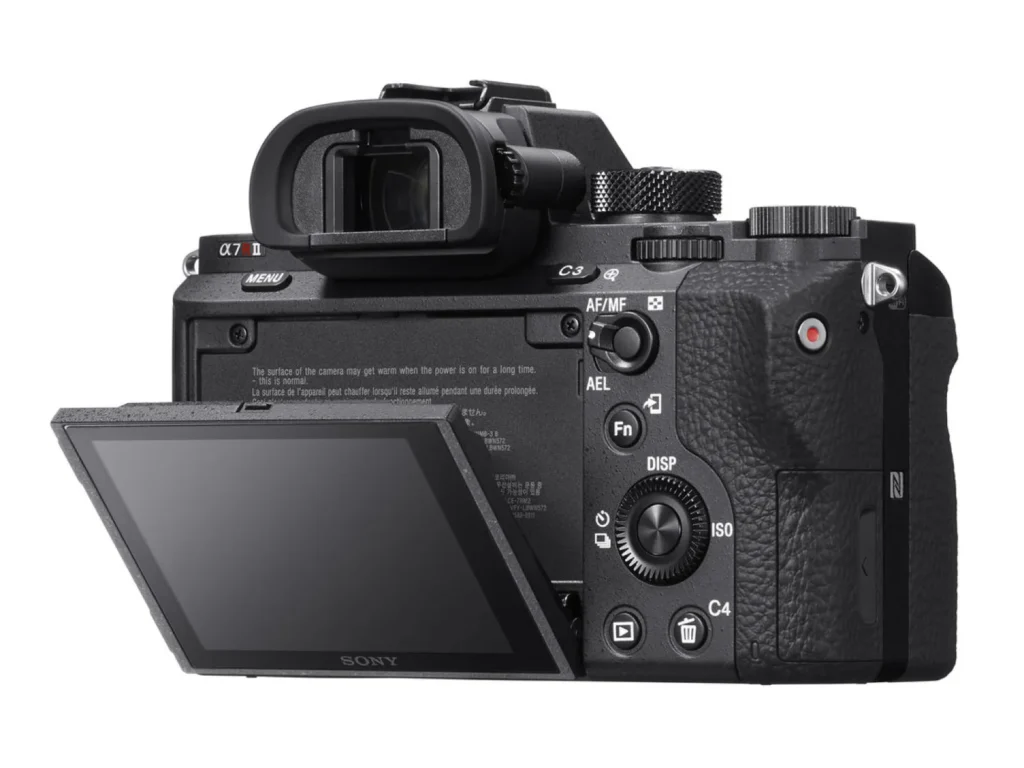
The camera features a tilting LCD screen and a single SD card slot that supports older UHS-I SD cards only. It also includes four customizable buttons and three customizable control dials.
There is no built-in image stabilization (IBIS) and no digital stabilization.
Just like the original A7R, the A7R II still uses the same batteries as Sony APS-C cameras. Battery life is very poor, so users need to purchase a few additional batteries for prolonged shooting.
Autofocus
Autofocus in the A7R II was a huge improvement over the original A7R. The camera now has 399 points for phase-detection AF spread out across the center of the frame (covering roughly 45% of the total image area). It also keeps the original 25 larger points for contrast detection that cover a larger part of the screen.
Nowadays the AF performance trails far behind new models, but at the time of its release it was considered quite reliable. Keep in mind that AF performance also degrades noticeably in low-light and when you enter video recording mode.
Photography
Images are very detailed thanks to the 42 MP sensor. The sensor is also backside-illuminated, resulting in great low-light performance.
Sadly, images have a slight yellow or green hue, especially noticeable in skin tones.
Sony A7R II can shoot 5 fps in 12-bit RAW (14-bit RAW is available only in ‘Single Shooting’ Mode). The buffer allows about 2-4 seconds of shooting depending on the shooting mode and clearing it can take a while. Keep in mind that you cannot enter the menu or playback mode during this process.
Shutter options include mechanical, electronic front-curtain and fully electronic (silent) shutter modes.
According to Sony’s official documentation, enabling Silent Shooting (electronic shutter) forces the camera into 12-bit RAW operation. Using the electronic shutter when photographing fast moving objects will also result in very noticeable rolling shutter distortion due to the high-resolution senor with slower readout speed.
Video
Sony A7R II can record 4K video at 30 fps without a crop. This was one of the first Sony cameras to include 4K, but the quality is not great and even APS-C and Micro Four Thirds cameras produced better looking 4K footage at the time.
Image quality is increased if you switch to a Super 35/APC-C Mode, but this applies a 1.5x crop.
Rolling shutter distortion is also an issue due to the high-resolution sensor.
Full HD (1080p) recording is available at up to 60 fps.
Recording is limited to 8-bit, but you can now record in Sony’s XAVC-S codec (the original A7R only featured the older AVCHD codec). Picture profiles include Sony’s S-Log 2.
The A7R II retains the strict 30-minute recording limit. Battery life allows for about 1 hour of video recording.
| Feature | Sony A7R II |
|---|---|
| Release Date | June 2015 |
| Megapixels | 42.4 MP |
| Image Resolution | 7952 × 5304 |
| Sensor Size | Full Frame |
| Sensor Type | BSI CMOS |
| Image Processor | BIONZ X |
| IBIS | 5-axis, 4.5 stops |
| Weather Sealing | Weather Resistant |
| Lens Mount | Sony E |
| Body Type | Mirrorless |
| PHOTO | |
| Native ISO | 100 – 25,600 |
| Expandable ISO | 50 – 102,400 |
| Shutter Speed | 1/8000 – 30s |
| Burst Rate (Mechanical) | 5 fps 12-bit RAW (14-bit RAW only in 'Single Shooting' Mode) |
| Burst Rate (Electronic) | 5 fps RAW (12-bit) |
| Buffer | 10 ~ 23 RAW |
| Shutter Types | Mechanical, Electronic, EFCS |
| Silent Shooting | Yes (Electronic Shutter) |
| Exposure Compensation | ±5 EV |
| High-Res (Sensor Shift) | No |
| Pre-Capture Mode | No |
| VIDEO | |
| 4K Video | 4K 30fps |
| Max Frame Rate | 4K 30fps / 1080p 60fps |
| Bit Depth | 8-bit |
| Recording Limit | 29m 59s |
| Timelapse Recording | No |
| AUTOFOCUS | |
| AF System | 'Fast Hybrid AF' |
| AF Points | 399 |
| AF Coverage | ~ 70% Frame Coverage |
| AF Joystick | No |
| DISPLAY / VIEWFINDER | |
| Articulated Screen | Tilting |
| Touch Screen | No |
| LCD Size | 3.0" |
| LCD Resolution | 1,228,800 |
| EVF Resolution | 2,359,296 |
| EVF Refresh Rate | 60 fps |
| EVF Coverage | 100% |
| EVF Magnification | 0.78× |
| MORE INFO | |
| Card Slot 1 | SD (UHS-I) |
| Card Slot 2 | / |
| Sensor Protection System | No |
| USB | Micro USB |
| USB Charging | Yes |
| HDMI | Type D (Micro HDMI) |
| Microphone Port | 3.5 mm |
| Headphone Port | 3.5 mm |
| Built-in Flash | No |
| Built-in Microphone | Yes |
| Battery | NP-FW50 |
| Battery Life | ~ 340 frames |
| Wi-Fi / Bluetooth | only Wi-Fi |
| Dimensions | 127 × 96 × 70 mm |
| Weight | 625 g |
Sony A7R II Alternatives
SONY A7R III
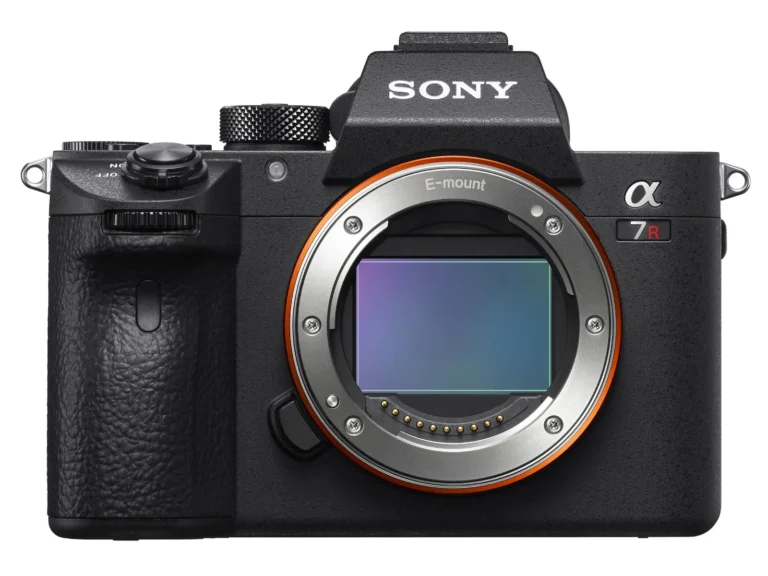
Sony A7R III (2017) retained the same 42 MP BSI full-frame sensor as the A7R II, but introduced improved autofocus tracking, higher burst speeds of up to 10 fps, a significantly larger buffer and expanded video capabilities. By also adding dual SD card slots, it addressed many of the criticisms aimed at the A7R II and overall felt like a much more complete camera.
The A7R III is also no longer in production, but when compared to the A7R II on the used market, it represents much better overall value.
The original A7R (2013) used an older non-BSI 36 MP sensor along with an extremely outdated autofocus system.
SONY A7R II Price
Final Verdict
Sony A7R II was a huge upgrade over the original A7R, but both are considered outdated in todays mirrorless market, even if you find a good deal on the used market.
If you are looking for an affordable high-megapixel camera on the used market and you specifically want a Sony camera, at least search for the Sony A7R III. It did keep the same sensor as the A7R II, but introduces several notable upgrades and still represents a solid entry point into Sony’s full-frame mirrorless system. Keep in mind that the A7R III also faces strong competition from high-resolution cameras made by other brands.