
Canon Cameras Explained
Canon
Canon has been a leading name in photography since 1937, earning a reputation for producing reliable cameras and lenses with outstanding image quality. Over the years, DSLR models like the 1DX and 5D became staples for professionals, enthusiasts and content creators – prized for their robust build, versatile performance and dependable autofocus.
In 2018, Canon began shifting into the mirrorless world with the RF-mount system while continuing production of select high-end DSLR models still using the older EF mount. Today, Canon EOS R System includes everything from affordable APS-C cameras to high-resolution full-frame models and professional flagships.
This page provides an overview of all Canon EOS R Series mirrorless cameras.
Canon DSLRs
Canon EF-mount, introduced in 1987, was Canon’s primary lens mount for its full-frame and APS-C DSLRs.
Canon organized its DSLR cameras into a few most notable series (X representing a number):
– Canon EOS XD: typically (but not always) pro-level models with full-frame sensors, offering top-tier performance and durability,
– Canon EOS XXD: typically more advanced APS-C models which balance performance and affordability, like the 80D or 90D,
– Canon EOS XXXD, EOS XXXXD and EOS Rebel: entry level APS-C models.
In addition, Canon also made other EF-mount cameras:
– Canon CXX, CXXX: video-focused cinema cameras,
– Canon MX, MXX & MXXX: early mirrorless models that used the EF mount.
Some of the most recent and most advanced DSLRs are still in production, but no new DSLR models will ever be released going forward. One major advantage of purchasing an EF-mount camera is access to an extensive range of high-quality EF lenses. As most photographers transition from DSLRs to mirrorless systems, EF lenses and EF cameras are becoming increasingly affordable on the used market.
Canon EF lenses remain compatible with Canon EOS R System cameras via the EF-EOS R adapter.
Canon EOS R System
Canon EOS R System represents the company’s full commitment to the mirrorless era. The release of the Canon EOS R in 2018 introduced the Canon RF-mount. With a larger mount diameter, shorter flange distance and a 12‑pin electronic interface, it allowed Canon to design faster, sharper lenses with better low-light performance. Compared to older DSLRs the system is smaller and lighter while also improving autofocus speed and overall image quality. After nearly a decade, the EOS R System provides a wide selection of lenses for both full-frame and APS-C models.
Canon Full-Frame Mirrorless Cameras
Since the launch of the original EOS R in 2018, Canon has expanded its full-frame mirrorless lineup in every direction. The system now includes everything from affordable entry-level bodies – some of which are already dated – to high-resolution options and professional flagship cameras. All cameras on this list use the Canon RF-mount are are compatible with the full range of RF lenses.
R1 & R3 - Canon Flagship
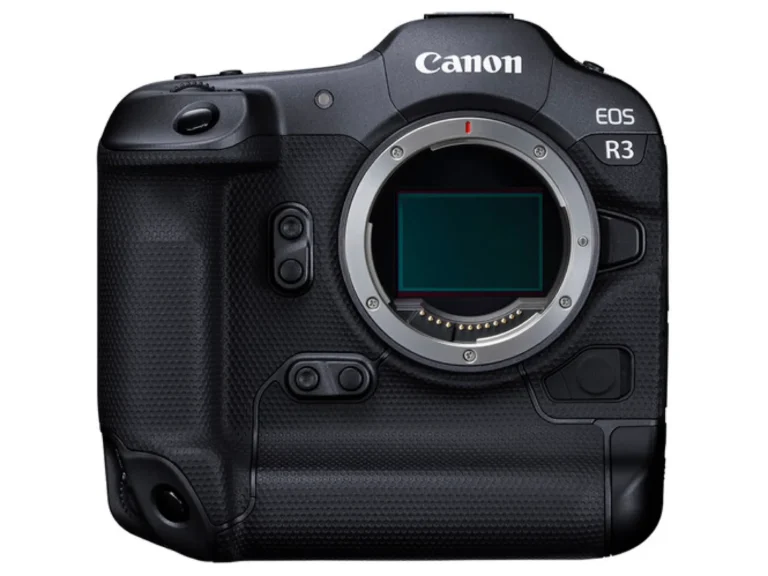
R3
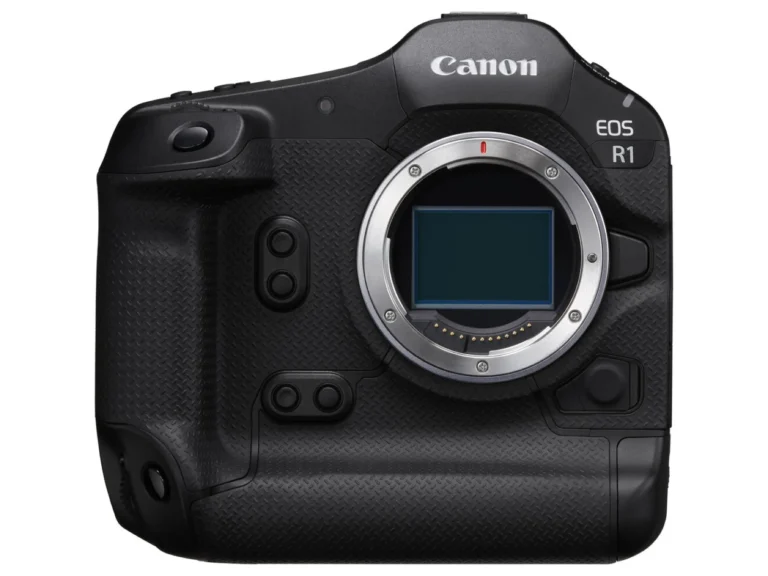
R1
At the top of Canon’s full-frame mirrorless lineup are the EOS R1 and EOS R3 – cameras designed for professionals who require speed, reliability and cutting-edge autofocus. They feature an integrated vertical grip, rugged build and excellent weather sealing.
Canon EOS R3 (2021) uses a 24.1 MP stacked sensor. It effectively served as Canon’s mirrorless flagship before the release of the R1. It features professional-grade weather sealing, excellent autofocus performance, 8 stops of IBIS, 6K 60 fps and 4K 120 fps video recording and dual card slots (one CFexpress Type B and one SD card). It’s capable of shooting up to 30 fps in RAW with the electronic shutter with minimal rolling shutter distortion thanks to the stacked sensor with fast readout.
Canon EOS R1 (2024) is Canon’s flagship camera. It builds on the R3 with a 24.2 MP stacked sensor and faster processing resulting in even less rolling shutter distortion and even better AF performance with an AI-based deep-learning engine for enhanced subject recognition and better tracking. The R1 offers even better IBIS, Canon’s highest-resolution EVF and faster bursts up to 40 fps in RAW with pre-capture. It also upgrades to dual CFexpress Type B slots and maintains full 6K 60 fps RAW and 4K 120 fps video capability.
R5 - High Resolution
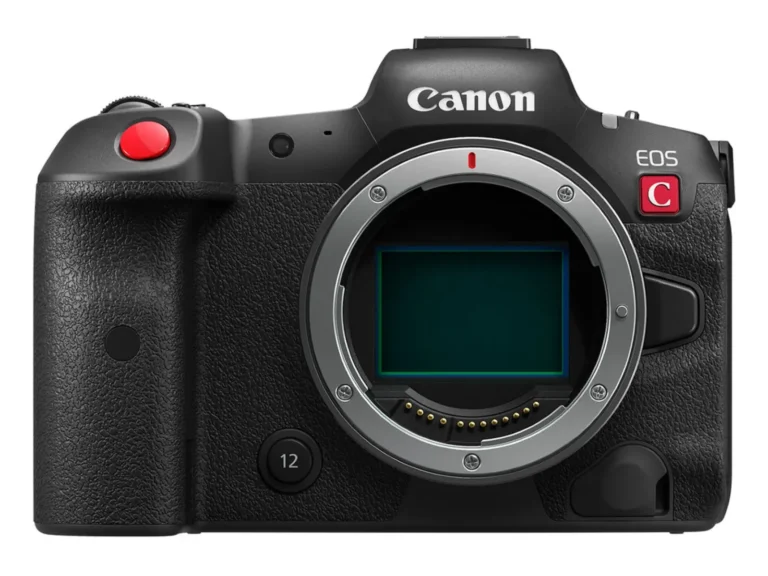
R5C
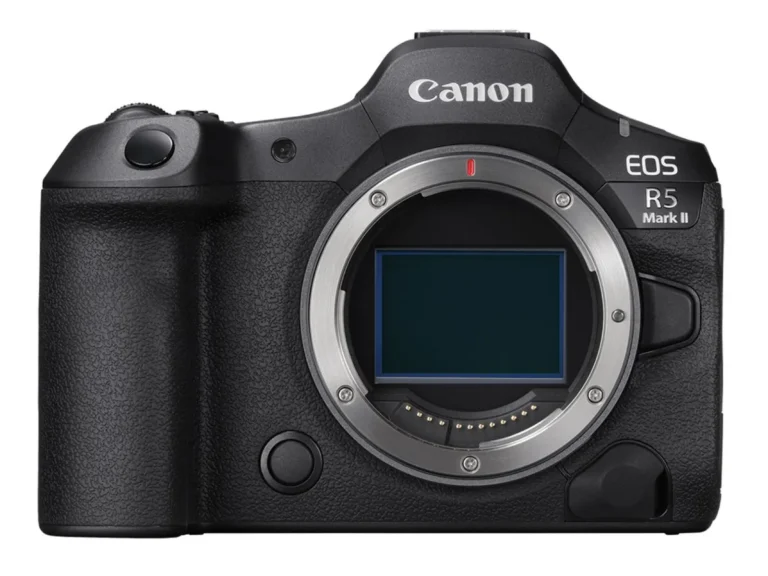
R5 II
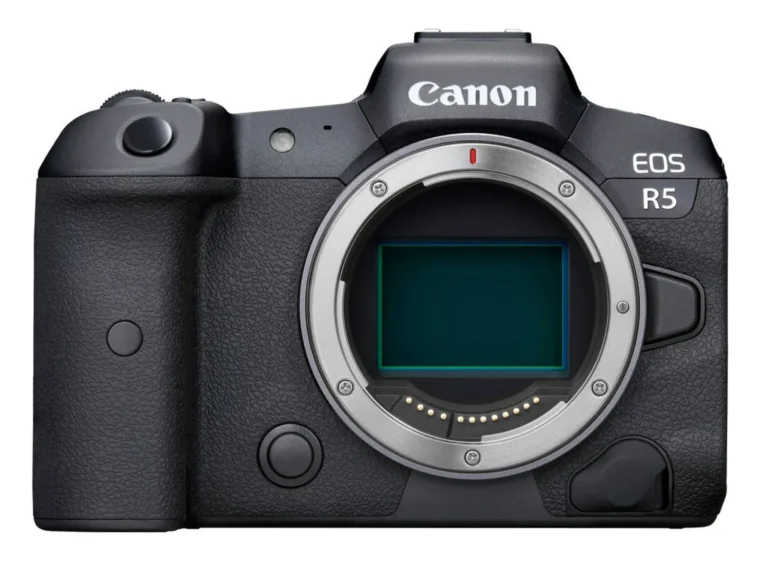
R5
The R5 series represents Canon’s high-resolution full-frame mirrorless cameras – ideal for photographers and hybrid creators seeking exceptional still-image quality.
Canon EOS R5 (2020) features a 45 MP full-frame sensor offering excellent resolution and surprisingly great dynamic range and low-light performance. It includes dual card slots (one CFexpress Type B and one SD card), 12 fps continuous shooting (20 fps with the electronic shutter), 4K 120 fps recording, oversampled 4K 30 fps recording and even 8K recording, but the camera overheated very quickly and it took forever to cool down.
Canon EOS R5C (2022) is a video-centric version of the R5. It uses the same 45 MP sensor but adds active cooling, a dedicated video mode, unlimited recording, 8K RAW recording at up to 60 fps and numerous professional cinema features. It lacks IBIS (technically a trade-off to include the cooling system) making it an excellent choice for filmmakers who also want strong photo performance.
Canon EOS R5 Mark II (2024) replaced the original R5. It upgrades to a new 45 MP stacked sensor and adds a DIGIC Accelerator for faster processing and industry-leading autofocus performance. Just like the original R5, it captures highly detailed photos with excellent dynamic range, pleasing colors and good low-light performance, but with less rolling shutter distortion thanks to faster readout speeds. The R5 Mark II can shoot at up to 30 fps with the electronic shutter (12 fps mechanical) and it can record 8K 12-bit RAW video at up to 60 fps. There is no recording limit and heat management has been improved.
R6 - Versatile Hybrid
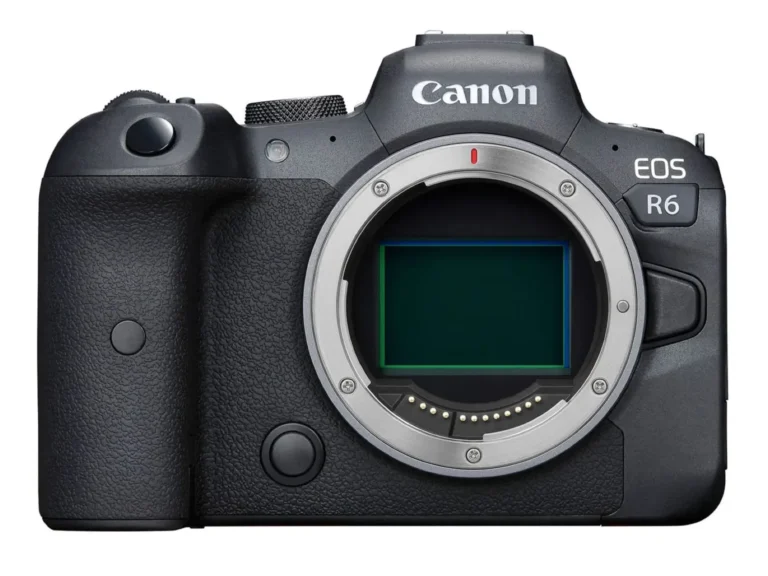
R6
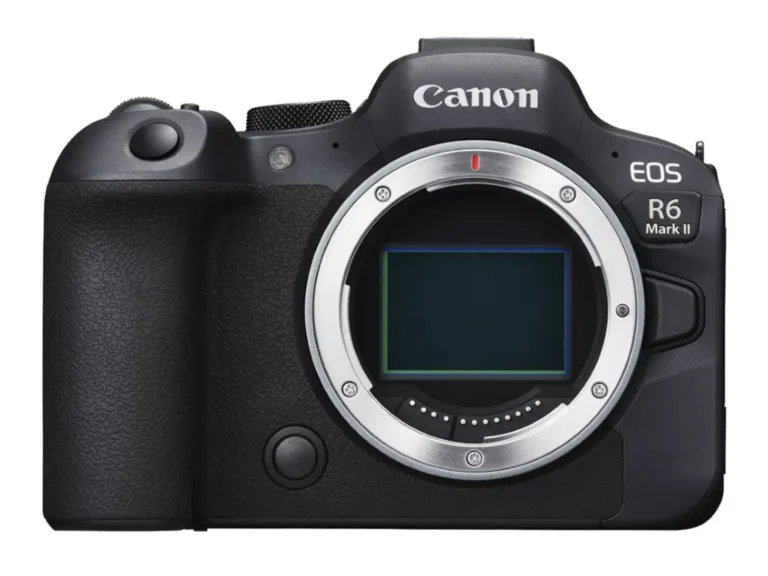
R6 II
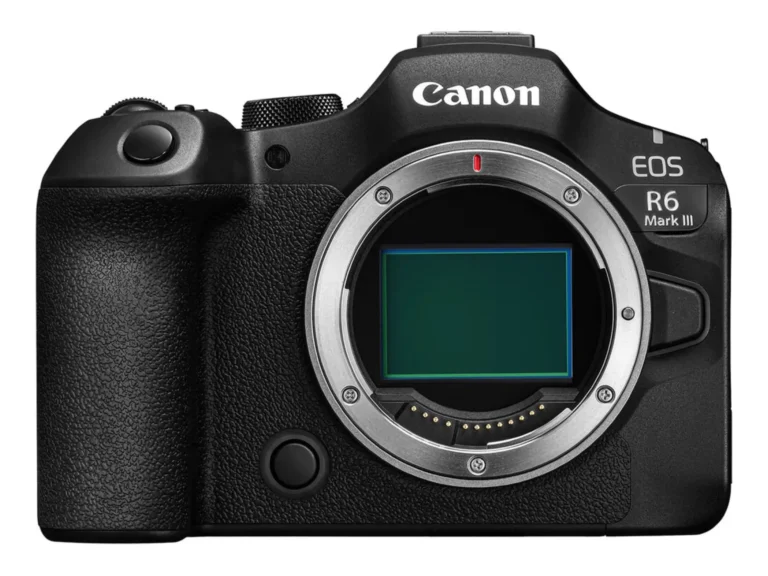
R6 III
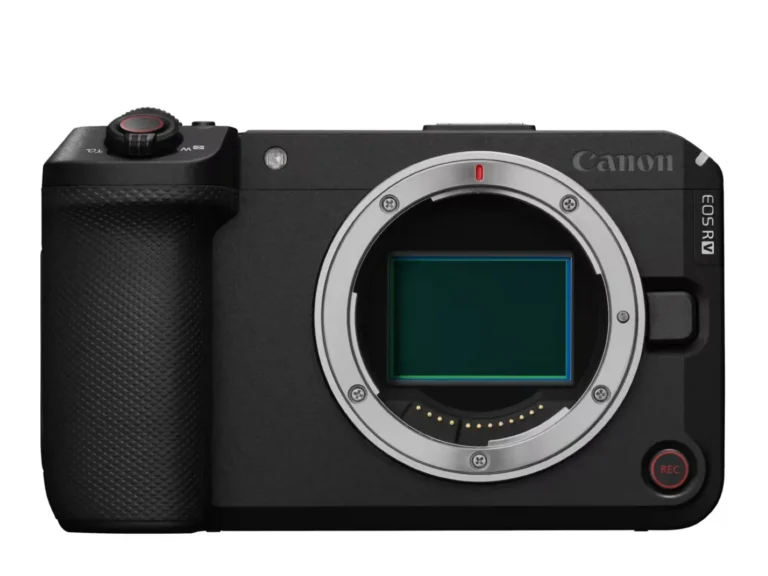
R6 V
Positioned right below the R5 line, the R6 series focuses on versatility, speed and excellent low-light performance with lower-resolution sensors. Each generation increases resolution, improves video performance and refines autofocus.
Canon EOS R6 (2020) uses a 20 MP full-frame sensor derived from the Canon 1DX Mark III, optimized for low light and fast readout. It offers strong ergonomics, good IBIS, dual SD card slots, 12 fps mechanical and 20 fps electronic bursts, oversampled 4K 60 fps recording and reliable weather sealing. The R6 was criticized for overheating during extended 4K recording.
Canon EOS R6 Mark II (2022) is a significant upgrade over the R6. It brings a newer 24 MP sensor with better detail, less rolling shutter distortion and improved dynamic range. It offers amazing autofocus, 40 fps RAW continuous shooting (12 fps mechanical), oversampled 4K 60 fps recording and even 6K 12-bit RAW external recording.
Canon EOS R6 Mark III (2025) is Canon’s most advanced camera in the R6 series. It’s not necessarily a direct successor to the R6 Mark II, instead, it can be seen as an alternative version built around a higher-resolution 32 MP sensor derived from Canon’s C50 Cinema camera. It retains the speed (up to 40 fps 12-bit RAW), extremely reliable autofocus performance and compact design that made the R6 Mark II so popular, while introducing far more high-quality video recording options such as 7K RAW, 4K 120 fps and Open Gate recording.
Canon EOS R6 V (2026) is essentially a videography-focused version of the R6 Mark III, with both cameras sharing the same 32 MP sensor, processor and highly reliable autofocus system. While most of the core specifications remain identical to those of the R6 Mark III, the R6 V introduces several video-focused features, including an active cooling system for improved thermal performance during extended recording sessions. To further streamline the video-oriented design and reduce cost, the R6 V also removes the mechanical shutter and the electronic viewfinder, making the camera slightly more affordable than the R6 Mark III.
Entry-Level Full-Frame
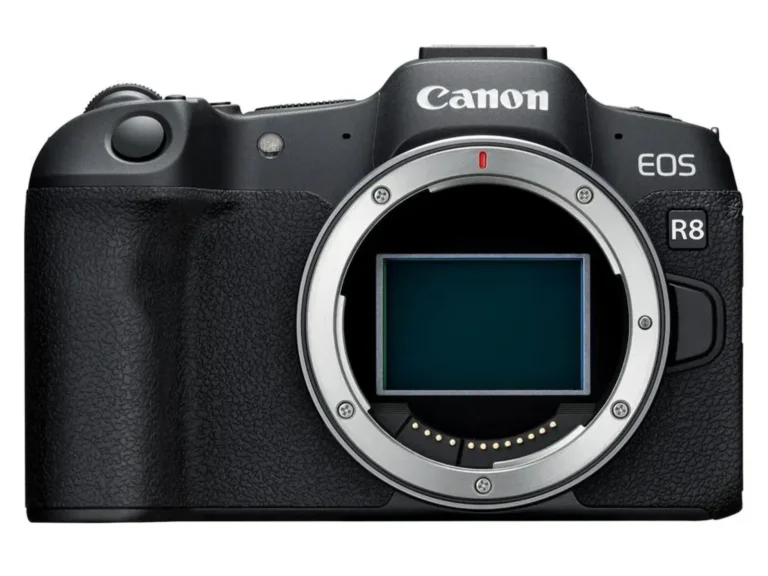
R8
Canon EOS R8 (2023) is Canon’s modern entry-level full-frame model and a major upgrade over the older R and RP. It is essentially a more compact and more affordable version of the extremely popular Canon EOS R6 Mark II, sharing the same 24 MP sensor, the same DIGIC X processor and has the same extremely reliable autofocus system. The R8 offers oversampled 4K 60 fps recording in 10-bit without a crop.
To lower the cost it has no IBIS, has no full mechanical shutter and has only one SD card slot. It can still shoot at up to 40 fps in 12-bit RAW with the electronic shutter (with noticeable rolling shutter distortion).
The R8 is offers good value, making it an excellent entry point into Canon’s full-frame R system for any beginner interested in photography or video.
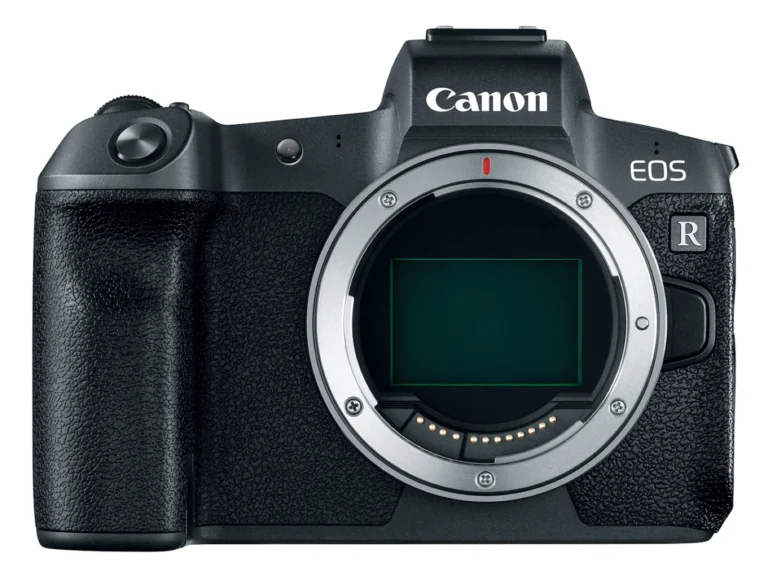
R
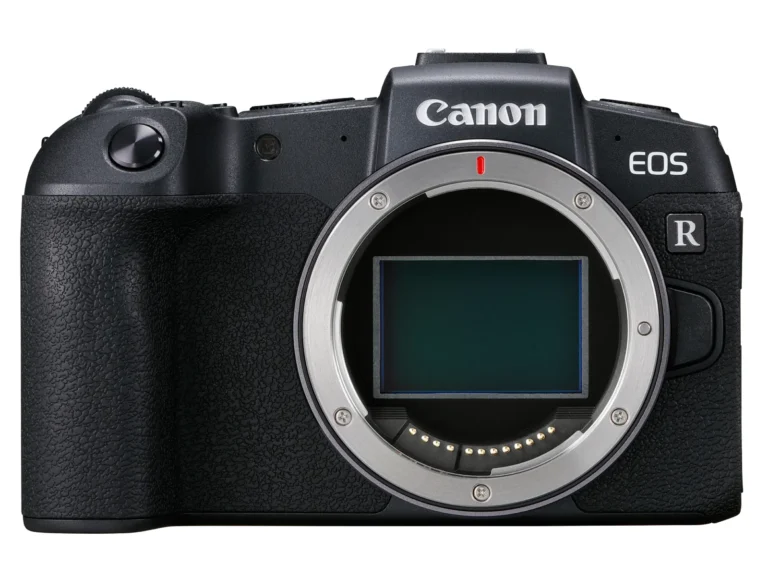
RP
Canon EOS R (2018, 30 MP) and EOS RP (2019, 26 MP) are entry-level full-frame cameras with older sensors and outdated autofocus performance. They lack IBIS, have only a single card slot and offer only low-quality heavily cropped 4K video recording, making either of them a poor alternative to any other camera on this list.
Canon Cinema Cameras
Canon’s Cinema EOS line is built for video creators that need tools engineered specifically for filmmaking. Unlike all of the hybrid mirrorless cameras, Cinema EOS models prioritize what matters in professional production: excellent low-light performance, high dynamic range, reliable all-day recording, active cooling system, built-in ND filters, professional audio inputs and robust connectivity. They use stronger codecs, offer better color control and are designed for long, uninterrupted recording.
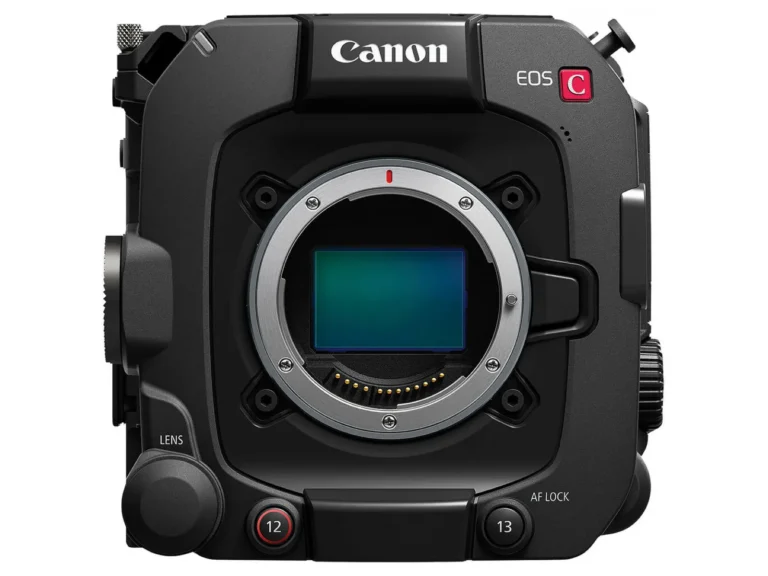
C400
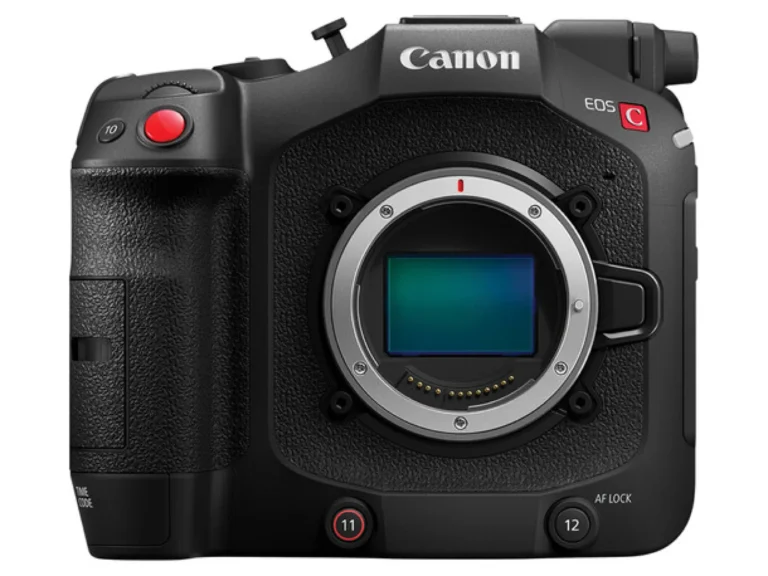
C80
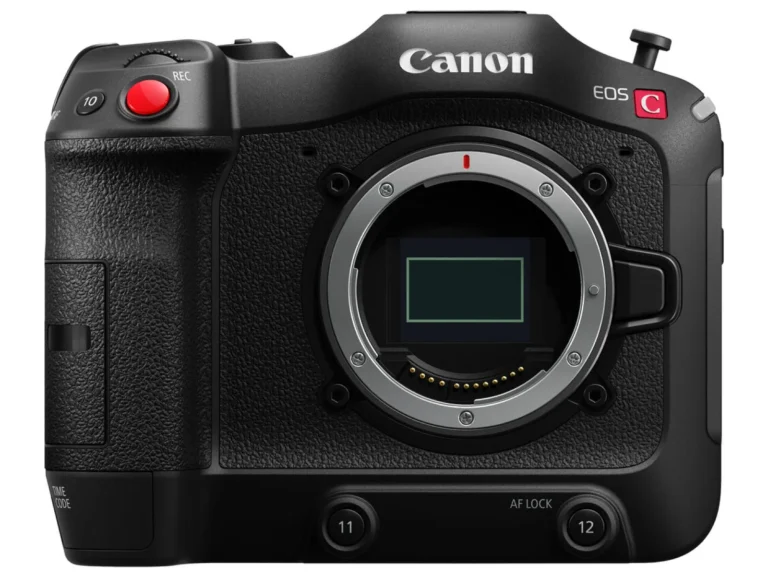
C70
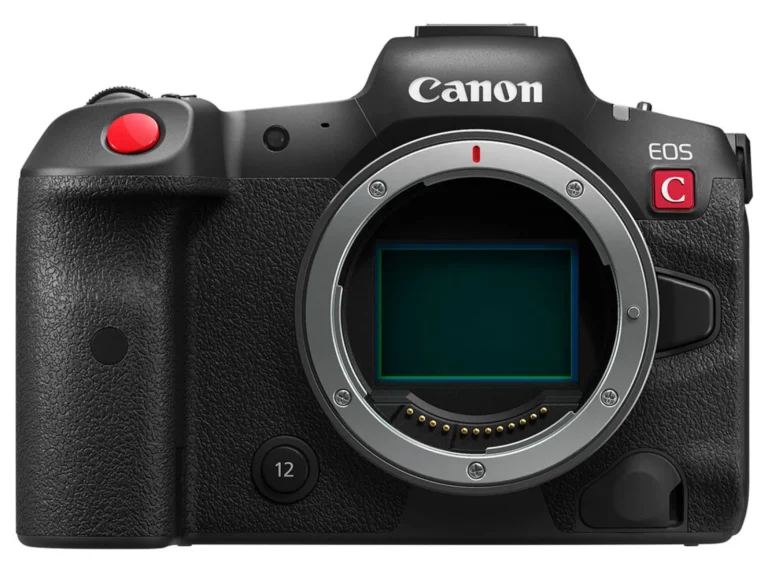
R5C
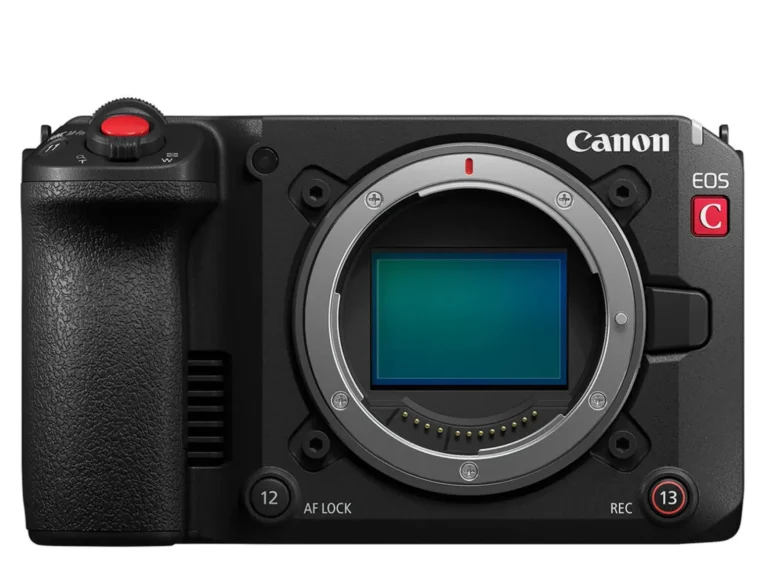
C50
Canon APS-C Mirrorless Cameras
Canon APS-C R-series cameras are ideal for beginners, content creators, vloggers and enthusiasts who want strong image quality, fast autofocus and capable video features without investing in a full-frame body.
Except for the ‘flagship’ R7, they are generally not recommended for any kind of professional work.
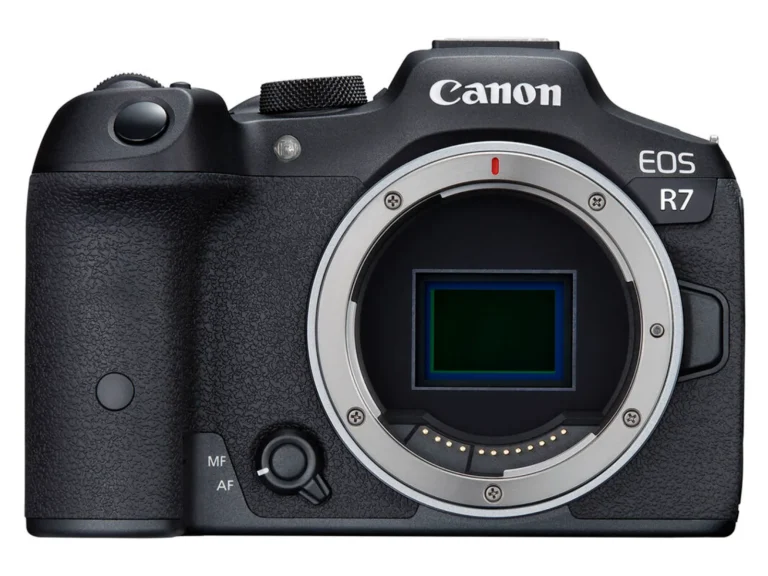
R7
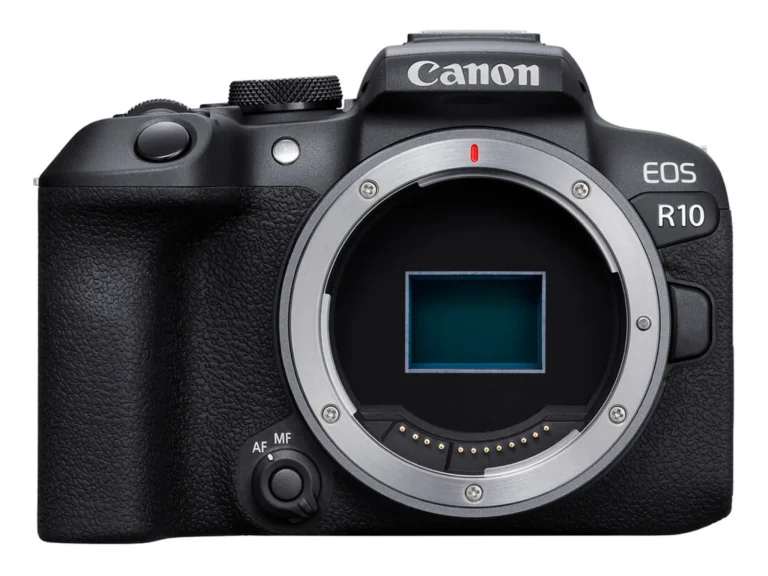
R10
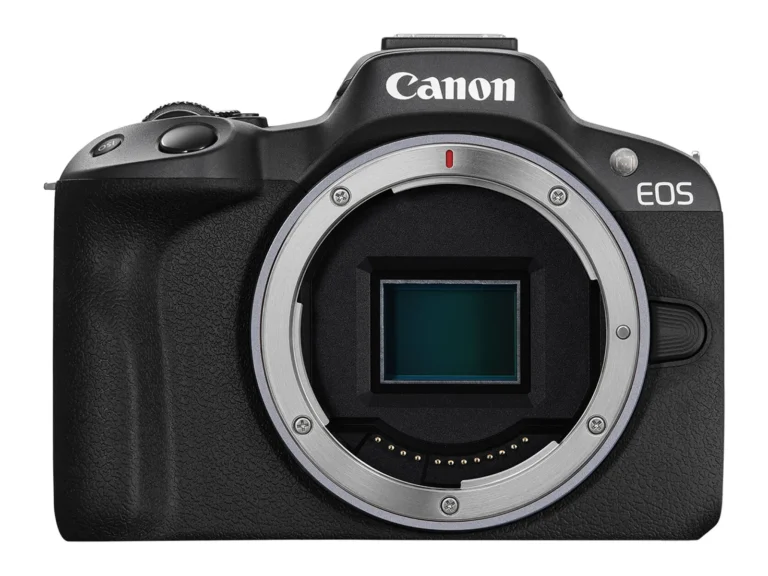
R50
R50 V
R100
Canon R7 (2022) is Canon’s most advanced APS-C camera. It features a 32 MP sensor and reliable AF with excellent subject tracking. It offers weather resistance, IBIS, dual SD card slots, 15 fps mechanical and 30 fps electronic bursts. It can record 4K video at up to 60 fps and oversampled 4K at up to 30 fps (oversampled from 7K, but with visible rolling shutter distortion in all modes).
Canon R10 (2022) is a mid-range APS-C mirrorless camera with a 24 MP sensor. Just like the R7 it uses the same processor and the same reliable AF system. It can record oversampled 4K video up to 30 fps and it can shoot up to 15 fps with the mechanical shutter and 23 fps with the electronic shutter. It lacks IBIS and weather sealing and has only one SD card slot.
Canon R50 (2023) is Canon’s entry-level APS-C mirrorless camera. It has the same 24 MP sensor and the same processor as the R10, but has no mechanical shutter. It can record oversampled 4K video at 30 fps. It can shoot up to 12 fps with the EFCS and 15 fps with the electronic shutter, but the buffer is very limited (only 7 RAW images) since the R50 accepts only slower UHS-I SD cards.
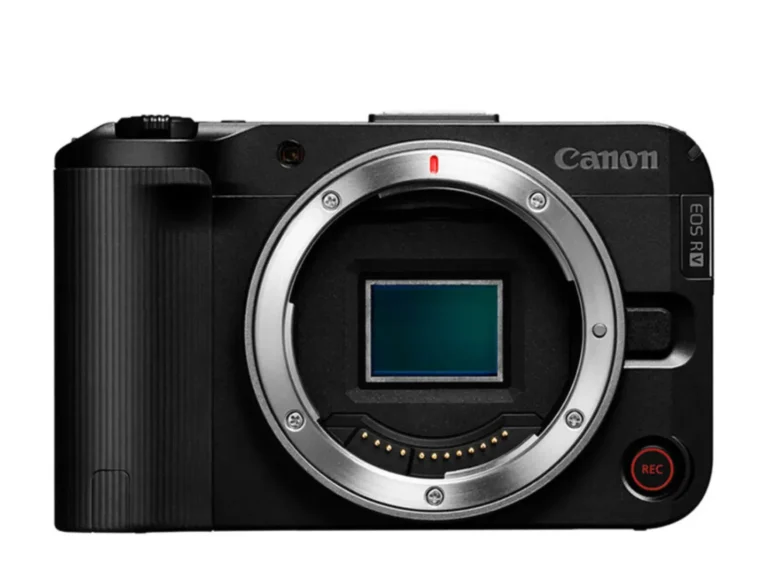
Canon R50V (2023) is essentially a R50 with a simplified, compact design without a viewfinder. It keeps the same 24 MP sensor and the same processor and AF system. Just like the R50, the R50 V also doesn’t have a mechanical shutter. It can also record oversampled 4K video at 30 fps. It’s very lightweight, making it ideal for vloggers and social media content creators. It’s also compatible with faster UHS-II SD cards, significantly increasing the buffer compared to the R50.
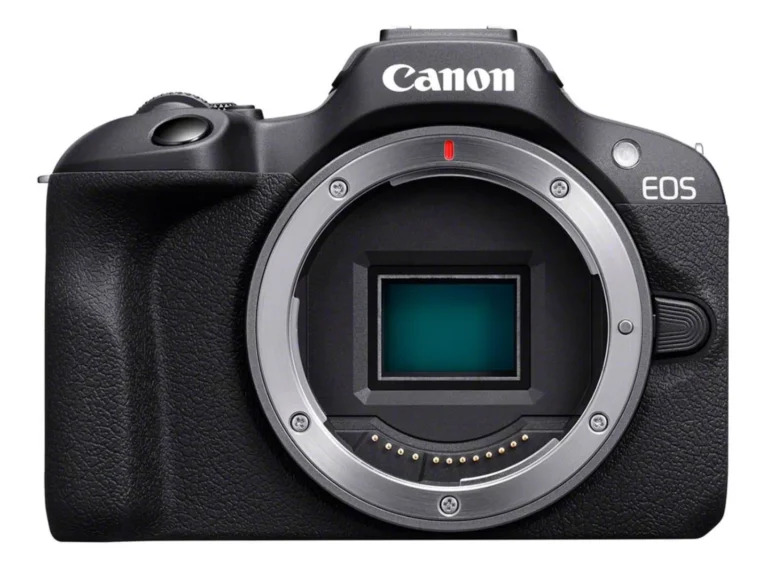
Canon R100 (2023) is Canon’s cheapest camera. It has an older 24 MP sensor, an older processor and a simplified design. It has a fixed screen with no touch screen functionality. It doesn’t have a mechanical shutter and it uses an older autofocus system.
Canon Compact Cameras
Alongside its interchangeable-lens systems, Canon has developed numerous compact cameras offering high performance in pocket-friendly bodies. They are ideal options for travel, daily vlogging and anyone who wants a capable camera that fits in their pocket. With so many models released over the years, this section focuses on the most recent ones.
V1
G7 X III
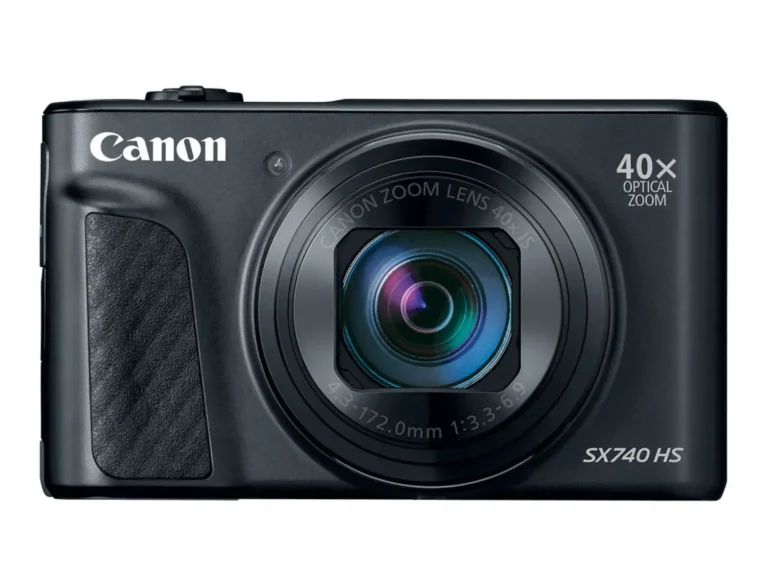
SX740 HS
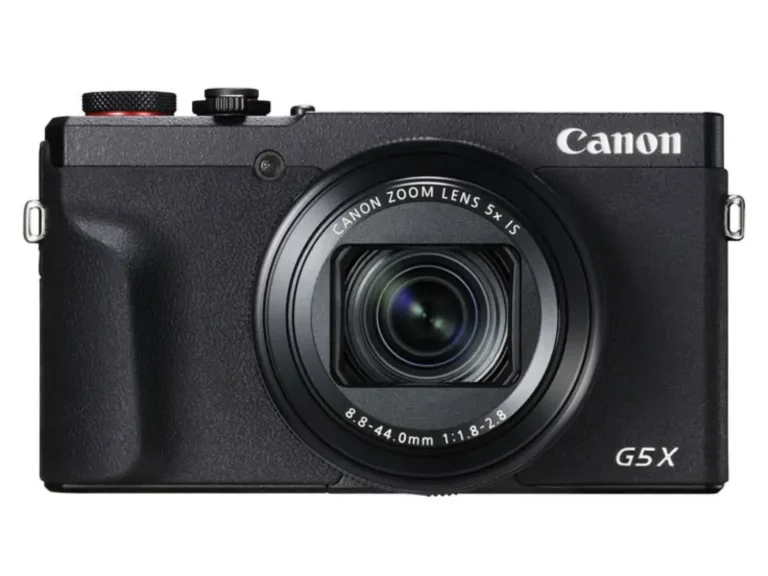
G5 X II
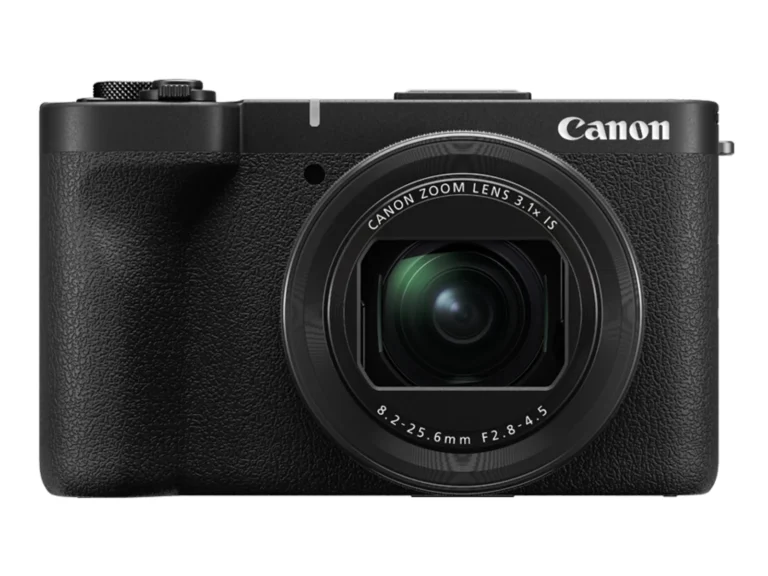
Canon PowerShot V1 is a premium compact camera. It features a 1‑inch 22 MP BSI sensor, a 16-50 mm equivalent f/2.8-4.5 lens, DIGIC 8 processor and Dual Pixel AF. The V1 features up to 30 fps shooting bursts.
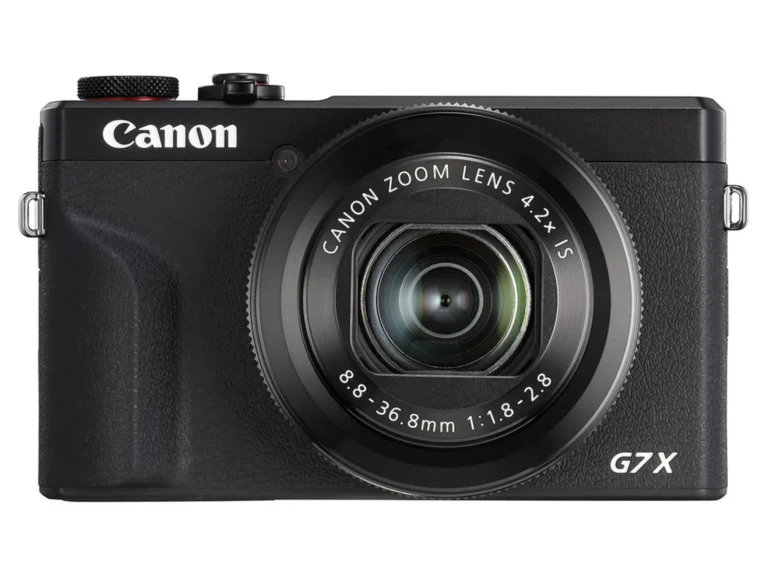
Canon PowerShot G7 X Mark III is a premium compact camera. It features a 1-inch 20 MP stacked sensor, a 24-100 mm equivalent f/1.8-2.8 lens, DIGIC 8 processor and Canon’s Dual Pixel Autofocus. It offers up to 30 fps shooting bursts and has a tilting touchscreen. It can record 4K video at 30 fps and also offers live streaming directly to YouTube.
Canon PowerShot SX740 HS is a compact travel-zoom camera featuring 40x optical zoom (24–960 mm equivalent), a 20 MP sensor, DIGIC 8 processor, 4K video, 4K time-lapse and the ability to extract high-resolution stills from 4K footage.
Canon PowerShot G5 X Mark II is a premium compact camera. It features a 1-inch 20 MP stacked sensor, a 24-120 mm equivalent f/1.8–2.8 lens, DIGIC 8 processor, 20 fps bursts (30 fps in RAW burst mode), 4K video, image stabilization, a pop-up EVF and a tilting screen.