
Canon Cameras
Canon EOS R6 Mark III Review
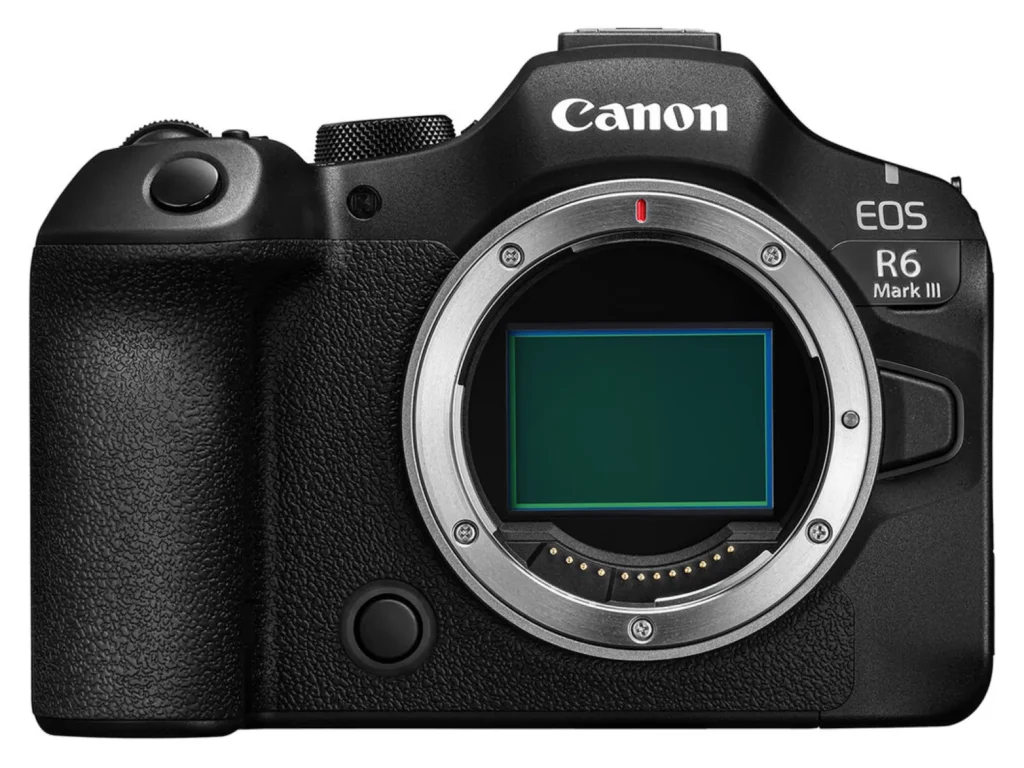
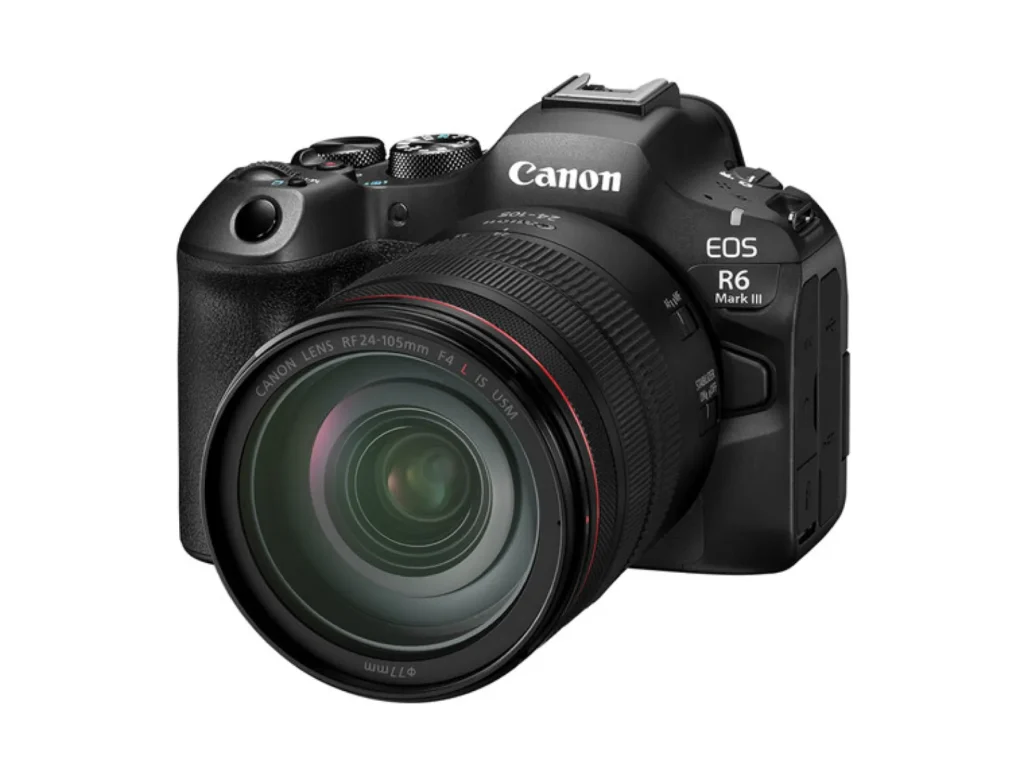
Canon EOS R6 Mark III represents a major evolution in Canon’s full-frame mirrorless lineup. It is not necessarily a direct successor to the R6 Mark II, instead, it can be seen as an alternative version built around a higher-resolution 32 MP sensor derived from Canon’s C50 Cinema camera. It retains the speed (40 fps continuous shooting), extremely reliable autofocus performance and compact design that made the R6 Mark II so popular, while introducing far more high-quality video recording options like 7K RAW, 4K 120 fps and Open Gate recording.
Canon R6 Mark III is one of Canon’s most advanced hybrid cameras ever. It’s aimed at creators who demand strong performance for both photography and filmmaking.
Canon EOS R System
The release of the Canon EOS R in 2018 introduced the Canon RF-mount. With a larger mount diameter, shorter flange distance and a 12‑pin electronic interface, it allowed Canon to design faster, sharper lenses with better low-light performance. Compared to older DSLRs the system is now smaller and lighter while also improving autofocus speed and overall image quality. After nearly a decade, the EOS R System now provides a wide selection of lenses. Canon EF-mount lenses (older DSLR lenses) remain fully compatible with Canon R System cameras via the EF-EOS R adapter.
Canon EOS R6 Mark III Price
Canon EOS R6 Mark III Specifications
General
Canon EOS R6 Mark III features a 32.5 MP full-frame CMOS sensor paired with Canon’s DIGIC X processor. This is a new sensor previously featured only in the Canon C50.
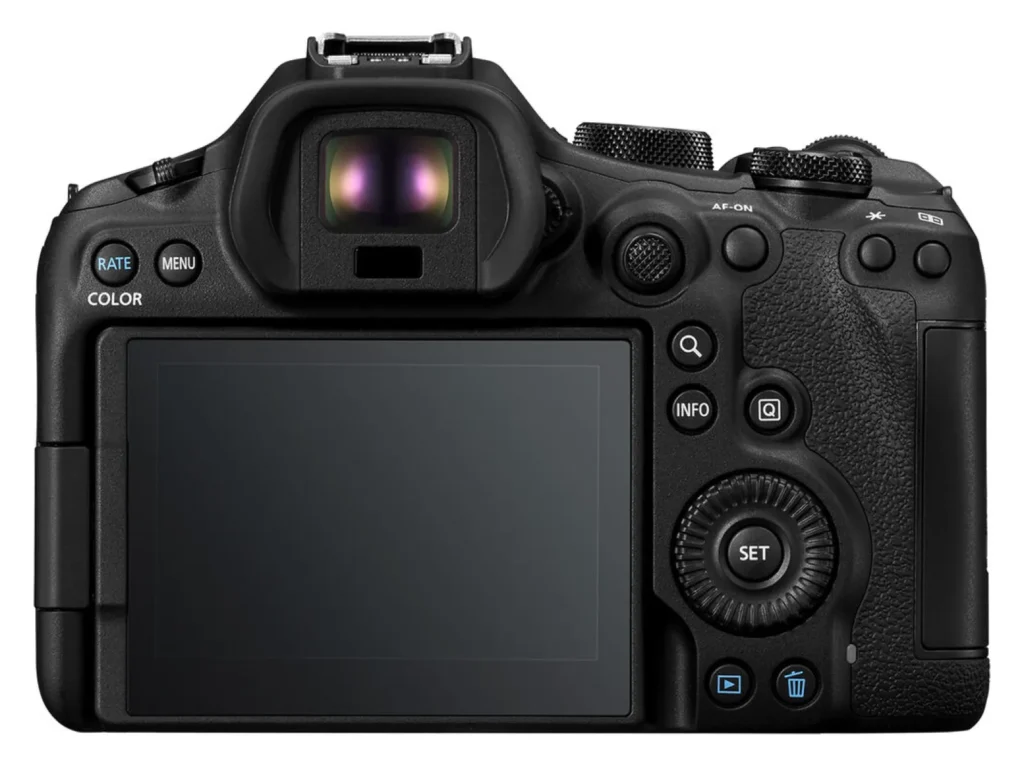
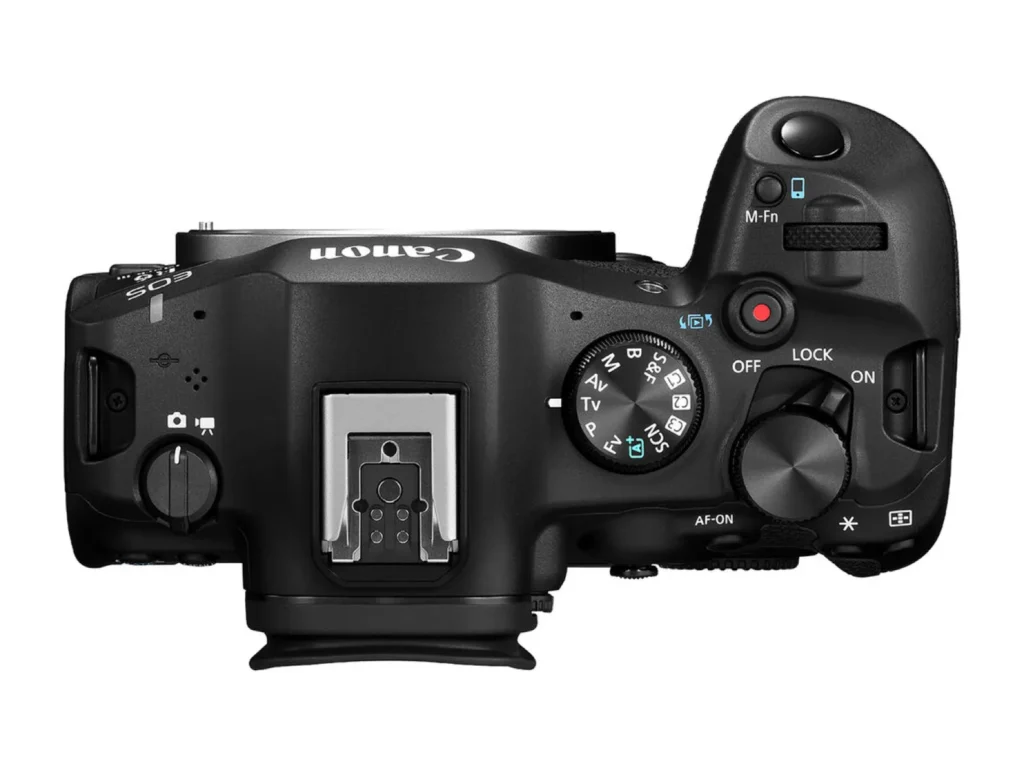
The design of the R6 Mark III is nearly identical to the Mark II. The body remains robust, ergonomic and weather-sealed. The buttons and dials are highly customizable, allowing you to tailor the camera to your workflow.
In-body 5-axis image stabilization (IBIS) provides up to approximately 8.5 stops of shake reduction, benefiting both handheld photography and video.
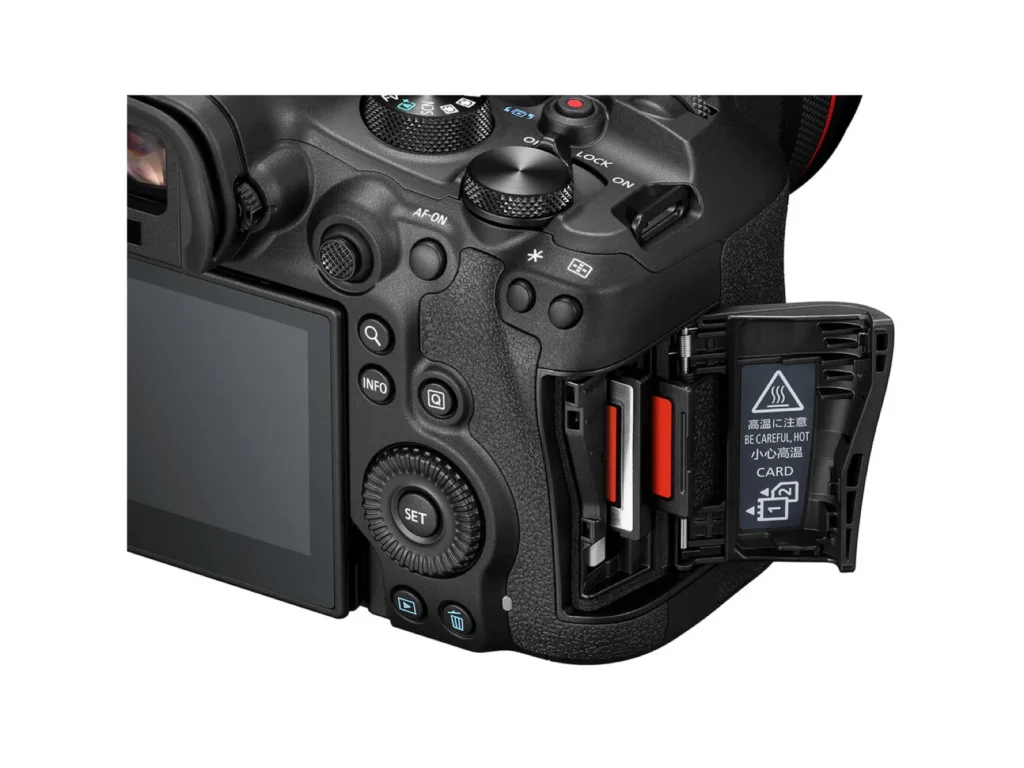
Professional-level flexibility is supported by dual card slots, but this is the first camera in the R6 series to use a faster mixed dual-card setup (one SD and one CFexpress Type B).
It is also the first model in the R6 lineup to feature a full-size HDMI port, meaning Canon is finally moving away from the outdated micro HDMI. It also includes a multi-function digital hot shoe, the same as on the Canon EOS R3 and the Canon EOS R6 Mark II.
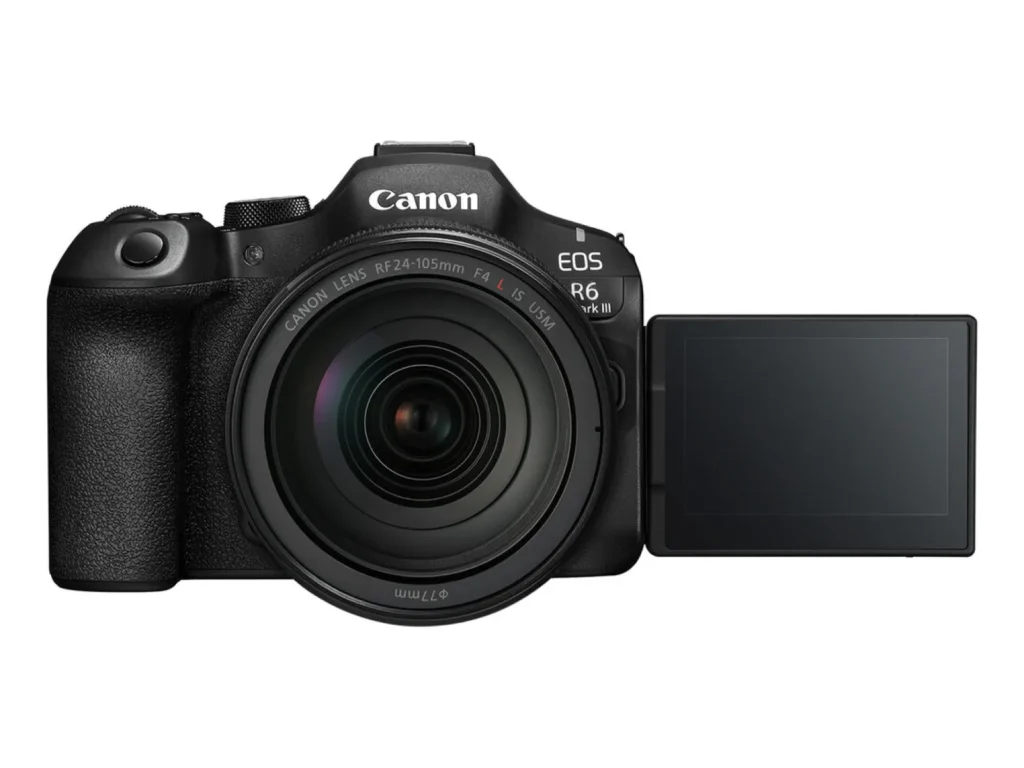
All R6 cameras feature the same fully articulating LCD screen and the same EVF with selectable 60 fps and 120 fps refresh rates, although the higher setting negatively affects battery life.
The R6 Mark III upgrades to bigger LP-E6P batteries also used in the R5 II.
When you open the card slot door the camera automatically shuts off and charging over USB-C also instantly stops.
Autofocus
Canon’s autofocus systems are widely regarded as some of the strongest in the industry. The R6 Mark III uses Canon’s ‘Dual Pixel CMOS AF II’ system. A similar system was already found in the EOS R6 Mark II, EOS R8 and Canon’s ‘flagship’ EOS R3.
The camera can recognize a wide range of subjects, including people, animals (dogs, cats, birds, horses) and various vehicles (cars, motorcycles, bicycles, trains and aircraft).
It supports Eye-Detection AF for both humans and animals and maintains focus reliably even in low-light conditions. You can even manually select the preferred right or left eye, switch focus points using the joystick or allow the camera to choose automatically.
Autofocus performance is extremely reliable in virtually all situations.
Photography
Image quality is excellent, with strong dynamic range and Canon’s natural color rendering. Images are very detailed and low-light performance is excellent.
Shutter options include mechanical, electronic front-curtain (EFCS) and fully electronic (silent) modes.
The mechanical shutter allows continuous shooting at up to 12 fps in 14-bit RAW. Thanks to the fast CFexpress card there is essentially no limited buffer in this mode, but if you also want to save files on the SD card the buffer could be as low as 400 shots or less.
Using the electronic shutter, the R6 Mark III can shoot at 40 fps. In this mode, the buffer fills in approximately 4 seconds (140-150 frames). For just JPEGs the buffer is increased to more than 300. Using older or slower SD cards can negatively impact the buffer and especially waiting times for the buffer to clear.
Information about RAW bit depth on the R6 Mark III is still somewhat unclear. Canon’s specifications list the camera as supporting 14-bit RAW with the mechanical shutter, but Canon does not explicitly state whether the electronic shutter reduces bit depth to 12-bit, as seen on most earlier EOS R-series cameras, like the R6 Mark II.
Most current discussions assume that electronic shutter shooting still uses 12-bit A/D conversion automatically as soon as you switch to the electronic shutter (just like the R6 Mark II).
There is a slight drop in dynamic range and more noise at high-ISO values when shooting with the electronic shutter. Rolling shutter distortion also occurs when photographing fast-moving subjects. This is not an issue when using the mechanical shutter or EFCS.
Pre-Capture mode can record 20 RAW images (half a second) before the shutter button is fully pressed.
| Feature | Canon EOS R6 III |
|---|---|
| Release Date | November 2025 |
| Megapixels | 32.5 MP |
| Image Resolution | 6960 × 4640 |
| Sensor Size | Full Frame |
| Sensor Type | CMOS |
| Image Processor | DIGIC X |
| IBIS | 5-axis, 8.5 stops |
| Weather Sealing | Yes |
| Lens Mount | Canon RF |
| Body Type | Mirrorless |
| PHOTO | |
| Native ISO | 100 – 64,000 |
| Expandable ISO | 50 – 102,400 |
| Shutter Speed | 1/16000 – 30s |
| Burst Rate (Mechanical) | 12 fps RAW |
| Burst Rate (Electronic) | 40 fps RAW (12-bit) |
| Buffer | 150 - 1000 RAW |
| Shutter Types | Mechanical, Electronic, EFCS |
| Silent Shooting | Yes (Electronic Shutter) |
| Exposure Compensation | ±3 EV |
| High-Res (Sensor Shift) | No |
| Pre-Capture Mode | Yes |
| VIDEO | |
| 4K Video | 4K 60fps (oversampled from 7K) |
| Max Frame Rate | 7K 60fps / 4K 120fps / 1080p 180fps |
| Bit Depth | 12-bit |
| Recording Limit | 6 hours |
| Timelapse Recording | Yes |
| AUTOFOCUS | |
| AF System | 'Dual Pixel CMOS AF II' + AI-based deep-learning engine for enhanced subject tracking |
| AF Points | 1053 |
| AF Coverage | 100% Frame Coverage |
| AF Joystick | Yes |
| DISPLAY / VIEWFINDER | |
| Articulated Screen | Fully Articulating |
| Touch Screen | Yes |
| LCD Size | 3" |
| LCD Resolution | 1,620,000 |
| EVF Resolution | 3,690,000 |
| EVF Refresh Rate | 120 fps |
| EVF Coverage | 100% |
| EVF Magnification | 0.76× |
| MORE INFO | |
| Card Slot 1 | CFexpress Type B |
| Card Slot 2 | SD (UHS-II) |
| Sensor Protection System | Yes |
| USB | Type C 3.2 Gen 2 |
| USB Charging | Yes |
| HDMI | Type A (Full Size HDMI) |
| Microphone Port | 3.5 mm |
| Headphone Port | 3.5 mm |
| Built-in Flash | No |
| Built-in Microphone | Yes |
| Battery | LP-E6P |
| Battery Life | 400 ~ 700 frames |
| Wi-Fi / Bluetooth | Yes |
| Dimensions | 138 × 98 × 88 mm |
| Weight | 699 g |
Video
Video is one of the standout strengths of the R6 Mark III. It uses the same sensor as Canon’s C50 cinema camera and offers many of the same video features (while also being an extremely capable photography tool).
Canon EOS R6 Mark III can record 7K 60 fps internally without a crop in ‘Canon’s Cinema RAW format’.
It can also record oversampled 4K 60 fps internally without a crop. 4K footage is oversampled from 7K, delivering excellent detail, strong dynamic range and natural colors; however, rolling shutter is noticeable when tracking fast-moving subjects.
You have the option to select either 4K ‘Fine’ recording or ‘Standard’, with ‘Standard’ offering less detail since the footage is not oversampled (but there is less rolling shutter distortion). Oversampled 4K 60 fps ‘Fine’ footage appears to be slightly less detailed than 4K 30 fps ‘Fine’, likely due to reduced processing time per frame.
4K 120 fps recording with audio is available, but this mode is not oversampled.
If you don’t require 4K, there is also a 2K recording option at up to 60 fps, oversampled from 3K.
Full HD (1080p) recording is available at up to 180 fps.
The R6 Mark III can record internally and externally (via HDMI) in 12-bit. The R6 Mark III allows the use of Canon’s C-Log 3 and even C-Log 2. C-Log 2 footage preserves even more dynamic range and is a feature that was previously reserved for Canon’s Cinema cameras. Using C-Log 2 or C-Log 3 allows you to set the color space to “Cinema Gamut,” enabling the use of Canon’s official LUTs for excellent color reproduction (accessible on Canon’s support pages).
The R6 Mark III supports simultaneous recording to both cards.
This is one of the few Canon cameras that keeps the horizon level and waveforms displayed even after you press the record button (though the histogram will still disappear once recording starts).
Open Gate Recording
This is the first Canon camera to include Open Gate recording option (outside of Canon’s Cinema line). Open Gate captures the entire sensor area to produce a 3:2 image, allowing extensive reframing in post-production. This feature is available in 7K 30 fps and even when recording in 12-bit RAW.
When shooting Open Gate, ‘Aspect Marker’ settings allow you to display multiple custom markers on screen for various aspect ratios to assist with framing while recording.
Heat Management and Recording Limit
Overheating is known to be an issue in Canon cameras (especially in the R5 and the original R6).
As already stated, the R6 Mark III has video features very similar to the Canon C50, but it doesn’t have the C50’s optimized design and of course doesn’t have a built-in fan, so some overheating issues are expected in demanding high-bitrate recording modes.
There are reportedly no overheating issues when recording oversampled 4K at 30 fps. When recording oversampled 4K at 60 fps the camera can overheat in less than 30 minutes and even faster in 7K recording modes. Keep in mind that this can vary based on your settings and the environment. A detailed temperature display with 10 bars shows how close the camera is to thermal shutdown.
The R6 Mark III has a maximum clip length of six hours for most modes and 2 hours for high-framerate modes (100+ fps). Battery life allows for approximately two hours of oversampled ‘Fine’ 4K 30 fps recording.
Canon EOS R6 III Alternatives
Canon R6 II
Canon R8
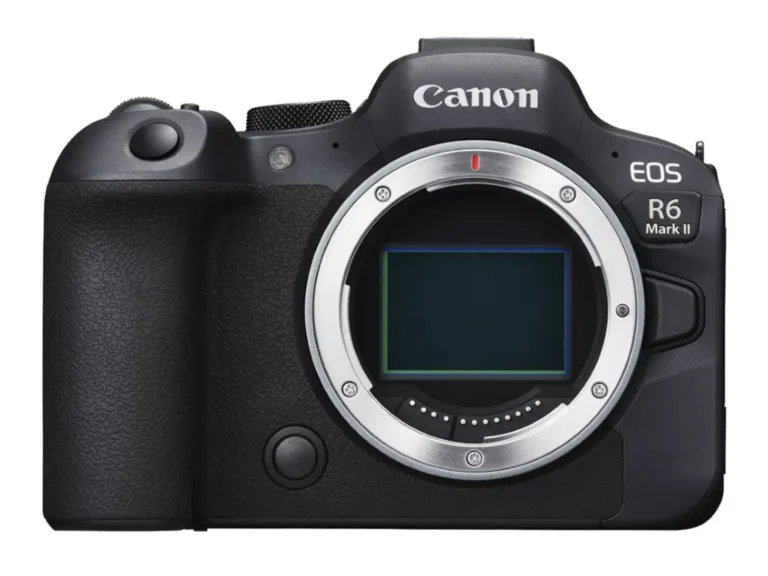
Canon EOS R6 Mark II (2022) was a significant upgrade over the original R6. It brought a new 24 MP sensor with better detail, less rolling shutter distortion and improved dynamic range. It offers amazing autofocus, continuous shooting up to 40 fps, oversampled 4K 60 fps recording and even 6K RAW external recording.
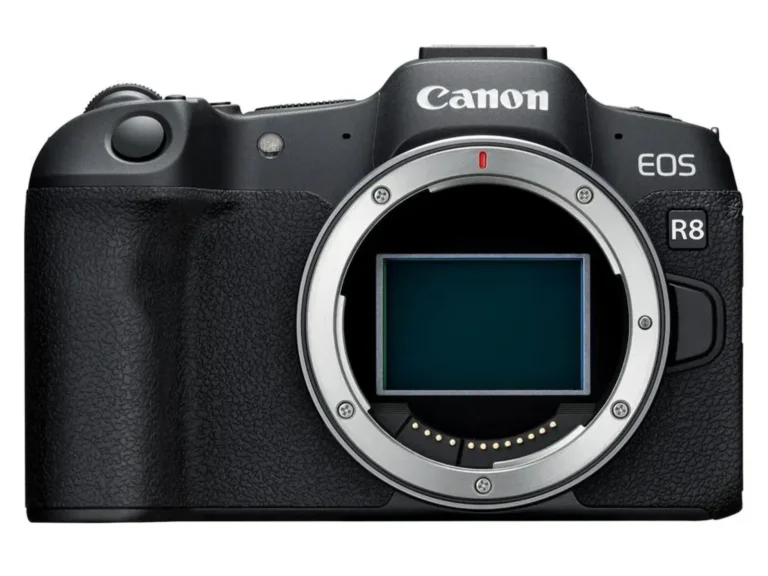
Canon EOS R8 (2023) is Canon’s modern entry-level full-frame model. It’s essentially a more compact and more affordable version of the R6 Mark II, sharing the same 24 MP sensor and highly advanced autofocus system. To lower the cost it lacks IBIS, has no full mechanical shutter and has only one card slot.
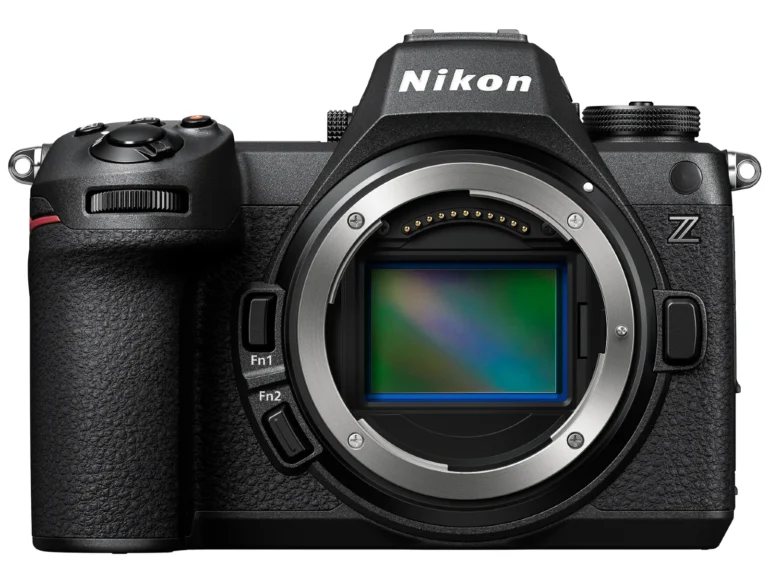
Nikon Z6 III
Nikon Z6 III (2024) is Nikon’s most advanced 24 MP camera, featuring a partially stacked 24 MP BSI sensor, an EXPEED 7 processor and class-leading autofocus and video capabilities including internal 6K 60 fps 12-bit N-RAW recording, oversampled 4K 60 fps recording and 4K 120 fps with a 1.5x crop. It can shoot at 14 fps in RAW with a mechanical shutter and 20 fps in RAW with the electronic shutter (60 fps in full-res JPEG and 120 fps in 11 MP JPEG).
The Z6 III costs less than the Canon R6 Mark III (it costs about the same as the R6 II) while offering extremely similar video recording features along with a faster partially-stacked BSI sensor with faster readout (resulting in much less rolling shutter distortion).
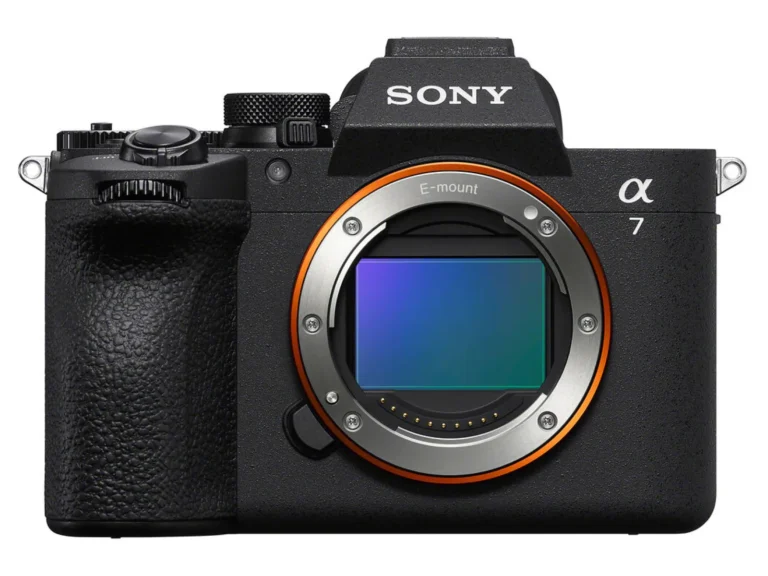
Sony A7 V
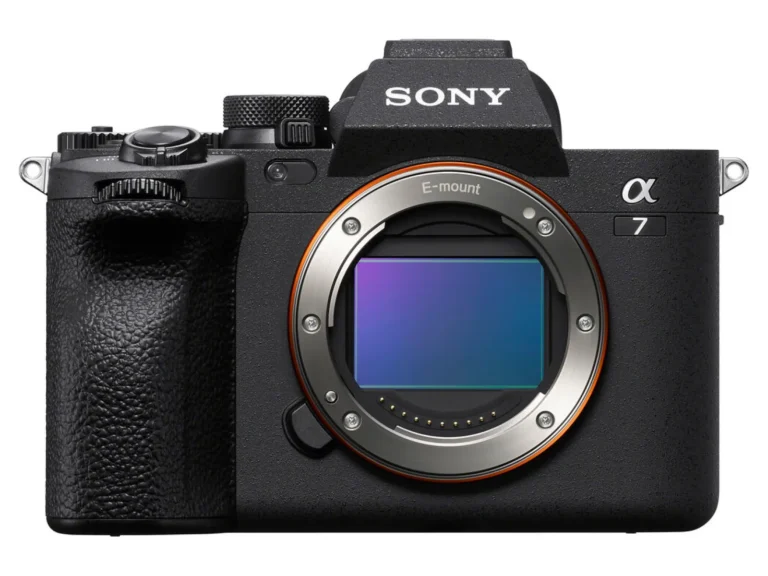
Sony A7 IV
Sony A7 V (2025) uses a partially-stacked 33 MP BSI sensor with faster readout resulting in excellent autofocus performance, less rolling shutter distortion and great high-speed shooting performance (up to 20 fps with the electronic shutter and up to 30 fps with Sony-branded lenses). It also introduces a new BIONZ XR2 processor with a built-in AI processing unit and a new hybrid screen design (tilting and fully articulating). Video recording is limited to 4K and to 10-bit (there is no internal or external 12-bit RAW recording option).
Sony A7 V currently represents great value, especially compared to the Sony A7 IV. Pricing in this segment fluctuates over time, but the Sony A7 V and Canon R6 Mark III current have the same price.
Sony A7 IV (2021) uses a slightly older 33 MP BSI sensor, but it still offers advanced autofocus, making it a powerful hybrid option for both still photographers and video creators. However, the camera does have some drawbacks. High-speed shooting is limited to just 6 fps in RAW (10 fps compressed RAW) and while video capabilities include 4K 60 fps, rolling shutter can be a serious issue due to the high-megapixel sensor (though dynamic range remains excellent).
Canon EOS R6 Mark III Price
Final Verdict
Canon R6 Mark III is clearly one of Canon’s most advanced hybrid cameras ever. It’s aimed at creators who demand strong performance for both photography and filmmaking – excellent image quality, 40 fps continuous shooting, outstanding subject tracking, high-quality 4K and 7K recording options and internal 12-bit RAW recording.
That said, the the R6 mark III is more expensive than the R6 Mark II and its capabilities might even be overkill for casual users.
There are also a few very capable competitors on the market, such as the Sony A7 V and the much more affordable Nikon Z6 III. Ultimately, deciding which of these cameras to choose may come down to which camera system you are willing to invest in.