
Nikon Cameras
Nikon Z8 Review
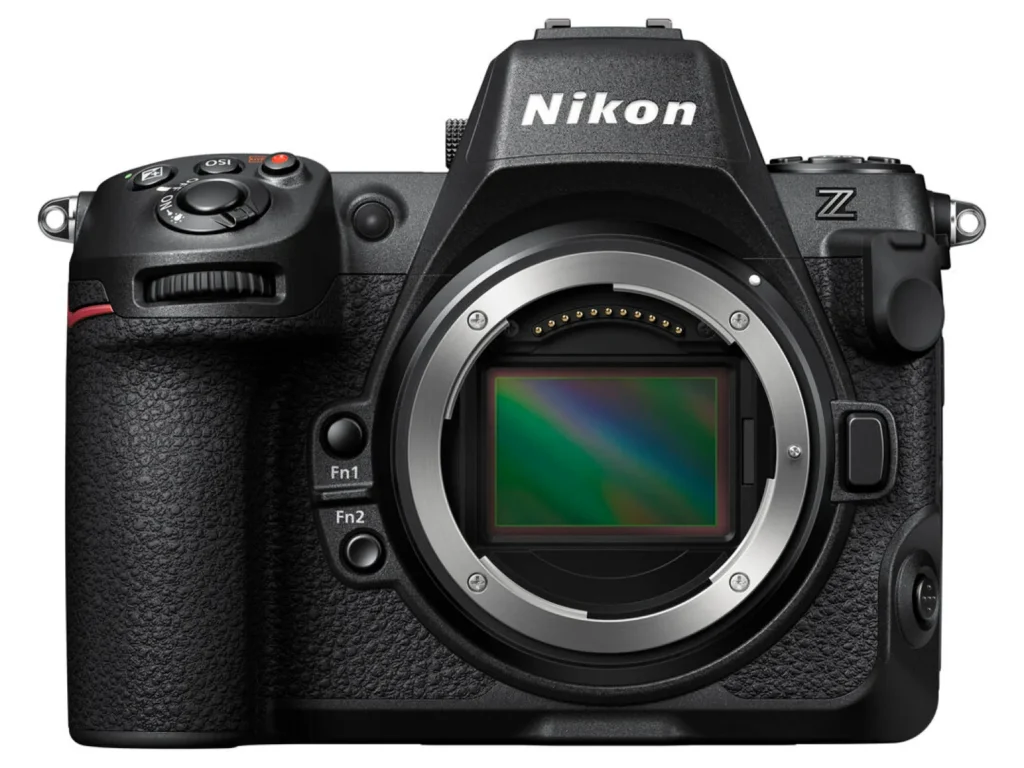
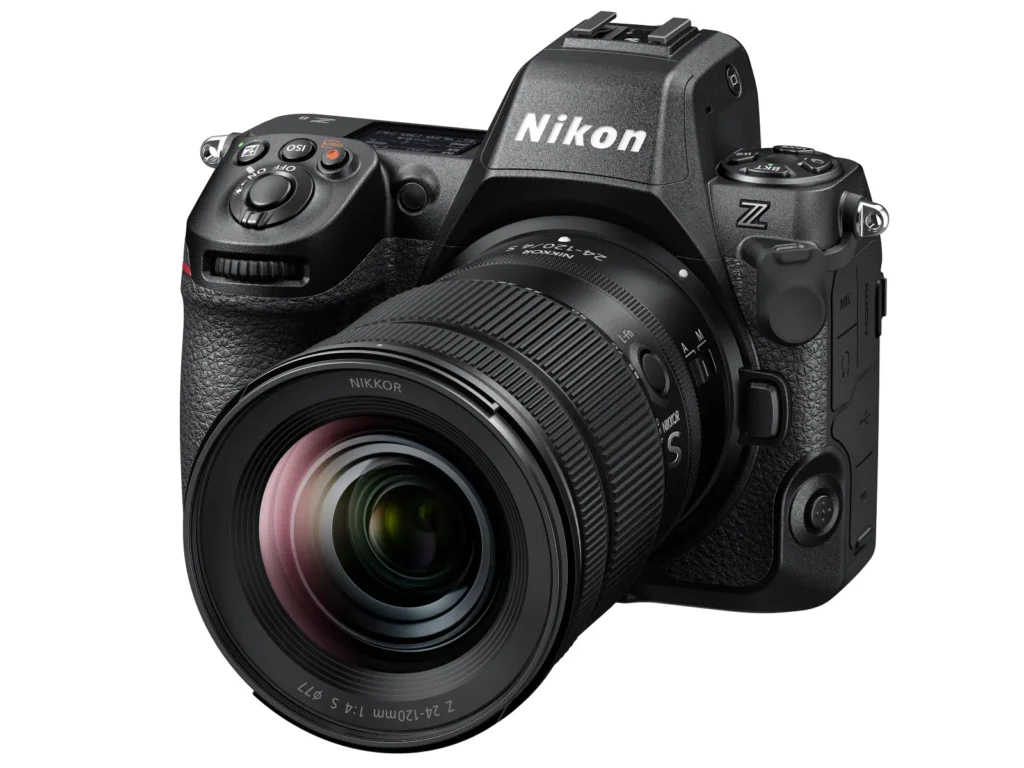
Nikon Z8 is essentially Nikon’s flagship Z9 put into a smaller, lighter body. It features the same 45.7 MP stacked sensor and EXPEED 7 processor, delivering identical image quality, autofocus performance, blackout-free shooting and professional video features. By removing the integrated vertical grip and adopting a more compact form, the Z8 offers the power of a flagship camera at a significantly lower cost in a body that is easier to carry and better suited to a wide range of shooting scenarios.
Nikon Z System
The release of the Z6 and Z7 in 2018 introduced the Nikon Z-mount. With a larger mount diameter and shorter flange distance, the Z system allowed Nikon to design faster, sharper lenses with better low-light performance. Compared to older DSLRs the system is smaller and lighter while also improving autofocus speed and overall image quality. After nearly a decade, the Z-mount system now provides a wide selection of lenses. Nikon F-mount lenses (older DSLR lenses) remain fully compatible with Nikon Z series cameras via the FTZ adapter.
Nikon Z8 Price
Nikon Z8 Specifications
General
Nikon Z8 features a 45.7 MP stacked CMOS sensor paired with Nikon’s EXPEED 7 processor, delivering excellent image quality, fast and reliable autofocus, and professional-grade video performance.
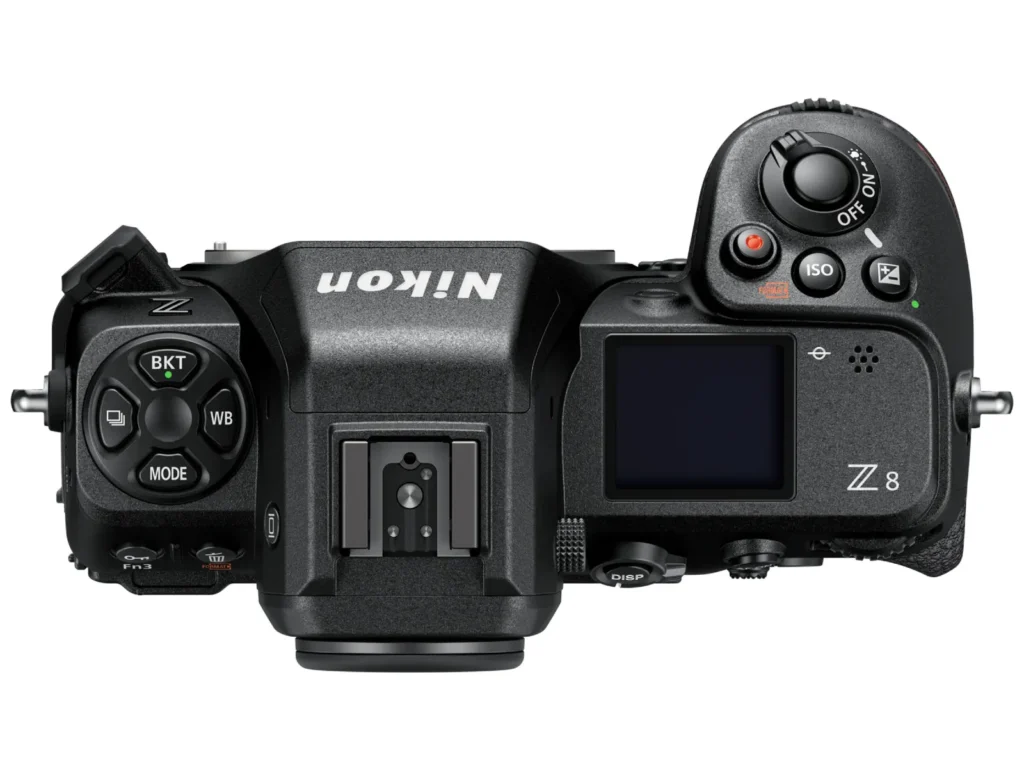
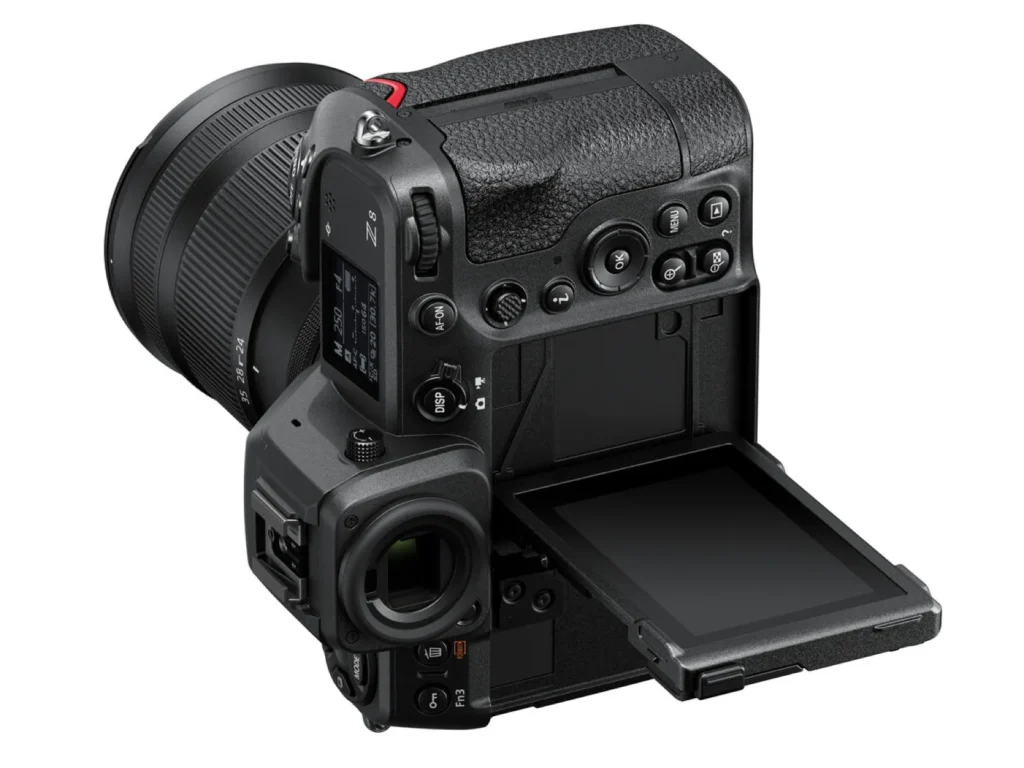
The Z8 has a durable magnesium alloy body with full weather sealing and an ergonomic grip. While much smaller than the Z9, it is still noticeably larger and heavier than other Nikon mirrorless cameras, such as the Z6 or Z7 series.
Just like the Z9, the Z8 also features a sensor shield. It automatically and instantly covers the sensor when you turn the camera off, protecting it from dust and debris.
In-body 5-axis image stabilization (IBIS) provides up to approximately 6 stops of shake reduction. There are two stabilization modes available in the settings menu, with “Sport” mode producing more stable results when tracking fast-moving subjects, especially in continuous shooting scenarios.
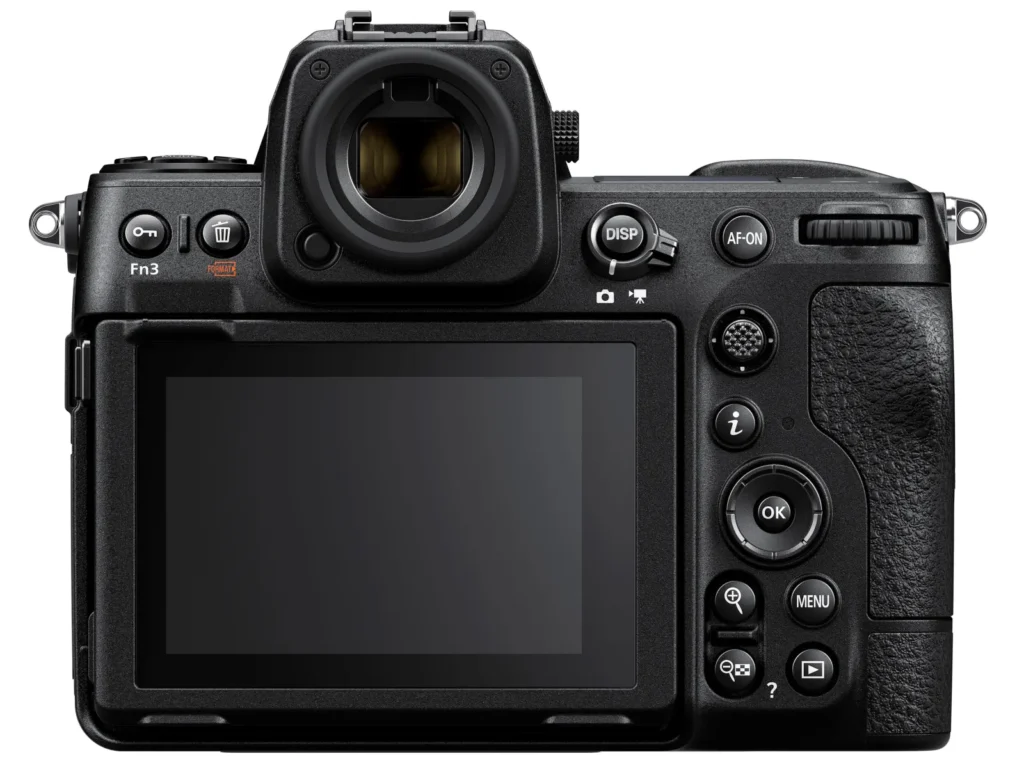
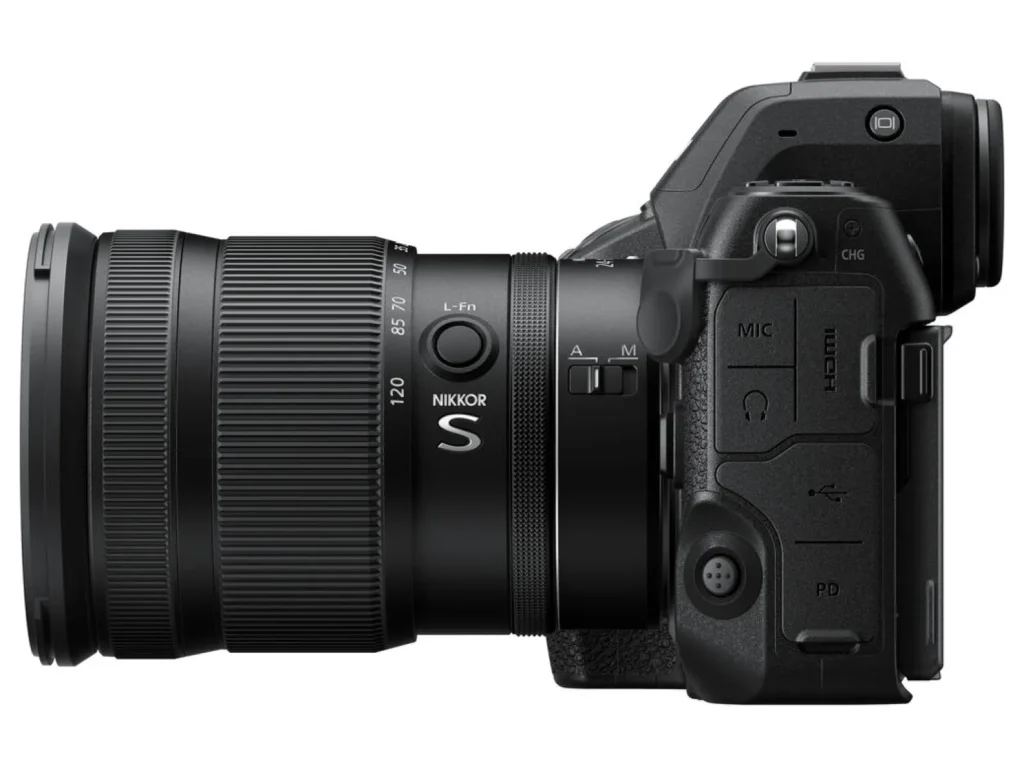
Professional connectivity includes a full-size HDMI port and dual USB-C ports, allowing you to use one for power and the other for video output. You can also use a USB-C to Ethernet adapter, as the Z9 is the only Nikon camera with a built-in Ethernet port. Additionally, the camera includes traditional 3.5 mm microphone and headphone ports for audio monitoring.
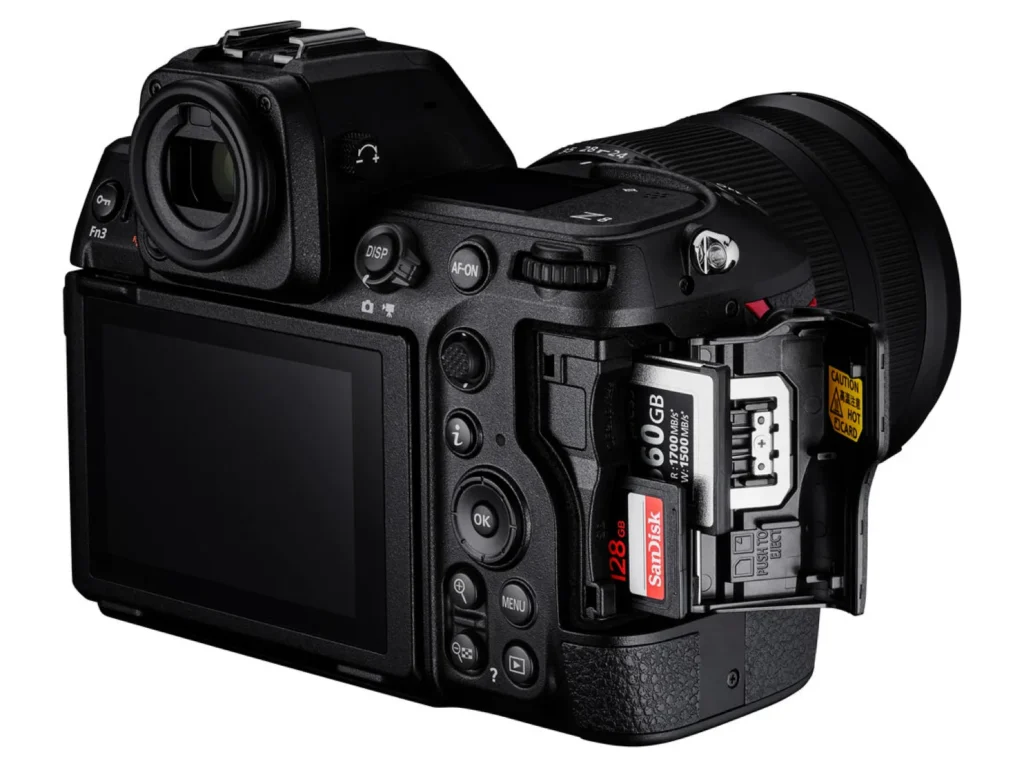
The Z8 features a mixed SD and CFexpress card configuration. Images can be saved to either card or to both simultaneously, but video recordings are still saved to only one card, as is the case with all Nikon cameras.
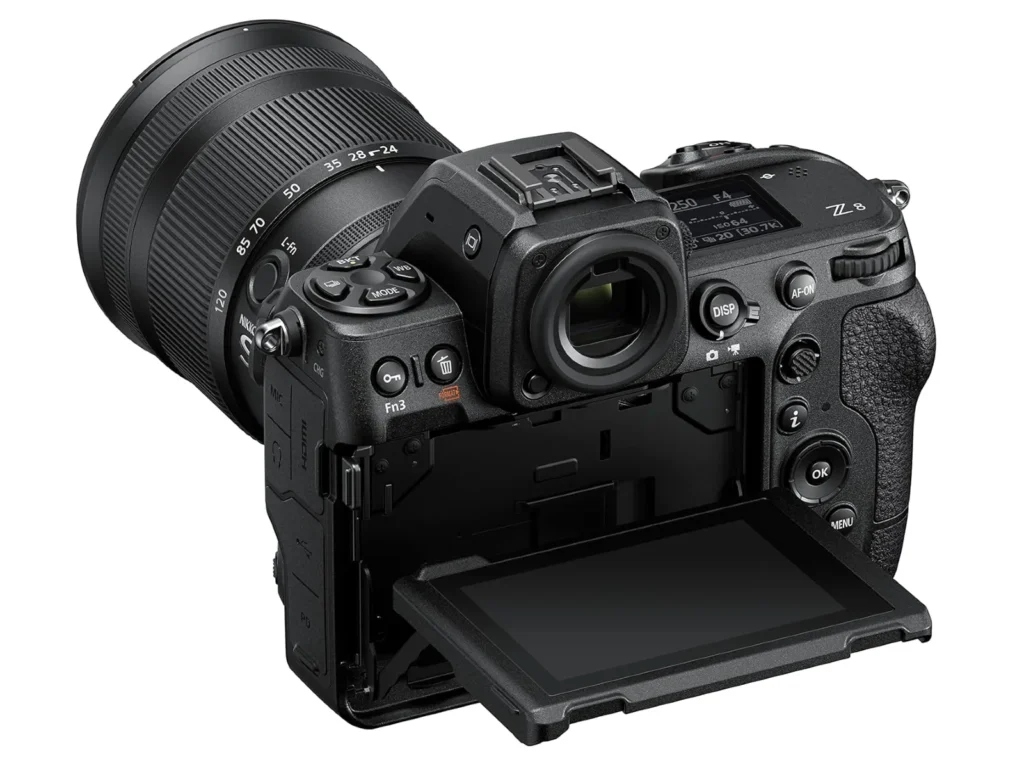
The Z8 has the same dual axis tilting LCD screen as the Z9. The EVF is large and bright and allows for completely blackout-free 20 fps shooting.
Autofocus
Autofocus performance on the Z8 is exactly the same as on the Z9. At launch, the Z9 and the Z8 delivered by far the best autofocus performance Nikon had ever achieved.
Autofocus system features 493 phase-detection autofocus points covering approximately 90% of the frame. It includes AI-based subject detection and can recognize nine different subject types, including people, animals (dogs, cats and birds) and various vehicles (cars, motorcycles, bicycles, trains and airplanes).
The Z8 can track human and animal subjects using Eye-Detection AF and maintains focus even in low-light conditions. 3D Tracking and Wide-area AF modes provide flexibility when photographing unpredictable subjects such as wildlife or sports. Wide-area AF mode allows you to define a custom-sized focus area on the screen if you prefer this approach over moving a single focus point with the joystick.
Keep in mind that, in practice, autofocus varies depending on the lens and settings. Some sports photographers report inconsistencies, where the camera sometimes locks onto the background instead of the intended subject, potentially resulting in missed shots that might be captured more reliably with flagship cameras from brands like Canon or Sony, which offer even more advanced autofocus (but those cameras are also much more expensive). That said, if you haven’t used flagship cameras from other brands, you wont notice any shortcomings – the Z8’s autofocus is still extremely capable for most if not all situations.
Photography
As expected from a flagship camera, the Z8 delivers outstanding image quality across a wide range of shooting scenarios. The 45 MP stacked sensor produces highly detailed images with natural color rendering and strong dynamic range, along with very good high-ISO performance.
Just like the Z9, the Z8 does not have a mechanical shutter – all images are captured with the electronic shutter. At release, the Z9 and Z8 offered one of the fastest sensor readout speeds available, thanks to its stacked sensor design and the fast EXPEED 7 processor. The fast readout significantly reduces rolling shutter distortion, effectively eliminating the need for a mechanical shutter. An additional benefit is that there is no mechanical shutter mechanism to wear out over time.
The Z8 can shoot at up to 20 fps in lossless compressed RAW, up to 30 fps in full-resolution JPEG and up to 120 fps in JPEG with a 1.5x crop and at a reduced 11 MP resolution. Buffer performance is extremely strong. The camera can shoot 20 fps for approximately 1,000 frames (50 seconds) without viewfinder blackout (if you save files to the faster CFexpress card).
Pre-Capture (also referred to as Pre-Shoot Burst Mode) allows the camera to record images for approximately one second before the shutter is fully pressed, helping capture unpredictable moments. This feature works at up to 120 fps, but only with JPEGs.
| Feature | NIKON Z8 |
|---|---|
| Release Date | May 2023 |
| Megapixels | 45.7 MP |
| Image Resolution | 8256 × 5504 |
| Sensor Size | Full Frame |
| Sensor Type | Stacked CMOS |
| Image Processor | EXPEED 7 |
| IBIS | 5-Axis, 6 stops |
| Weather Sealing | Yes |
| Lens Mount | Nikon Z |
| Body Type | Mirrorless |
| PHOTO | |
| Native ISO | 64 – 25,600 |
| Expandable ISO | 32 – 102,400 |
| Shutter Speed | 1/32,000 – 900s |
| Burst Rate (Mechanical) | / |
| Burst Rate (Electronic) | 20 fps RAW / up to 120 fps JPEG |
| Buffer | ~ 1000 RAW |
| Shutter Types | Electronic |
| Silent Shooting | Yes (Electronic Shutter) |
| Exposure Compensation | ±5 EV |
| High-Res (Sensor Shift) | Yes |
| Pre-Capture Mode | Yes (JPEG) |
| VIDEO | |
| 4K Video | 4K 60fps (oversampled from 8K) |
| Max Frame Rate | 8K 60fps / 4K 120fps / 1080p 120fps |
| Bit Depth | 12-bit |
| Recording Limit | 125 min |
| Timelapse Recording | Yes |
| AUTOFOCUS | |
| AF System | Hybrid AF + AI-based deep-learning engine for enhanced subject recognition and tracking |
| AF Points | 493 |
| AF Coverage | ~ 90% Frame Coverage |
| AF Joystick | Yes |
| DISPLAY / VIEWFINDER | |
| Articulated Screen | Dual Axis Tilting |
| Touch Screen | Yes |
| LCD Size | 3.2" |
| LCD Resolution | 2,100,000 |
| EVF Resolution | 3,690,000 |
| EVF Refresh Rate | 120 fps |
| EVF Coverage | 100% |
| EVF Magnification | 0.8× |
| MORE INFO | |
| Card Slot 1 | XQD / CFexpress Type B |
| Card Slot 2 | SD (UHS-II) |
| Sensor Protection System | Yes |
| USB | Type C 3.2 Gen 2 |
| USB Charging | Yes |
| HDMI | Type A (Full Size HDMI) |
| Microphone Port | 3.5 mm |
| Headphone Port | 3.5 mm |
| Built-in Flash | No |
| Built-in Microphone | Yes |
| Battery | EN-EL15c |
| Battery Life | 350 ~ 500 frames |
| Wi-Fi / Bluetooth | Yes |
| Dimensions | 144 × 119 × 83 mm |
| Weight | 910 g |
Video
Video is a major strength of the Nikon Z8, with specifications that are essentially the same as the Z9. Keeping the camera’s firmware up to date is important, as recent updates often add key features such as internal RAW recording modes and improved autofocus performance.
Nikon Z8 can record in 8.3K at up to 60 fps internally, but this mode is limited exclusively to 12-bit N-RAW. N-RAW is Nikon’s extremely high-quality codec, preserving maximum detail, dynamic range and color information. In the past, N-RAW footage could only be edited using DaVinci Resolve. While support has since expanded to some other video editors, compatibility is still not universal, so it’s important to confirm that N-RAW fits into your editing workflow.
N-RAW offers two quality settings: Normal and High Quality. The ‘Normal’ setting produces files that are roughly half the size of High Quality, with little to no noticeable loss of detail.
At 4K and all other recording modes this limitation is removed, allowing also the use of ProRes RAW, which delivers image quality nearly as high as N-RAW.
The Z8 can also record oversampled 4.1K (4K UHD) at up to 60 fps internally without a crop, delivering very detailed footage and excellent image quality. If you want the oversampled mode for 4K 60 fps, you have to manually select that in the menu.
4K 120 fps recording is not oversampled, resulting in slightly reduced sharpness compared to oversampled modes. However, both 4K 120 fps and the non-oversampled 4K 60 fps still maintain natural colors and strong dynamic range.
Full HD (1080p) is available up to 120 fps.
Some rolling shutter distortion is noticeable in 8K and oversampled 4K, but it remains minimal thanks to the fast readout of the stacked sensor. Non-oversampled 4K modes (60 and 120 fps) show very little rolling shutter distortion.
The Z8 records video to only one card at a time (just like all other Nikon cameras). Simultaneous internal and external recording is supported.
When recording externally via HDMI, both the external recorder and the camera’s LCD remain active and responsive. On-screen displays and menu overlays can also be enabled on the external monitor without blacking out either screen – something competing flagship cameras usually do not allow.
Heat Management and Recording Limit
Since the Z8 offers all the high-resolution recording modes available on the Z9, but in a much smaller body, overheating can sometimes become an issue during extended shoots. This applies primarily when using high-bitrate modes such as 8K, 4K 120 fps, or oversampled 4K. Overheating of either the camera or the memory card may lead to a thermal shutdown.
When using the most demanding mode – 8K 60 fps N-RAW internal recording – the camera will shut down after 30-60 minutes due to overheating of either the body or the memory card (similar to what Nikon stated in official marketing). Some users do report that heat warnings appear in just 10 minutes. Keep in mind that, in practice, a 500 GB CFexpress card fills up very quickly in this mode – in around 30 minutes or even less than 15 minutes if you’re using uncompressed High Quality 8K N-RAW.
If you intend to use high-quality recording modes and want to get the most out of your camera, it’s best to record in a controlled environment, keep the camera away from direct sunlight, keep the screen flipped out, use faster and more heat-efficient cards, or use external recorders.
The maximum clip length is set to 125 minutes, however, the presence of any recording limit on a camera of this class feels extremely outdated. Keep in mind that very high-bitrate formats, such as 8K 60 fps N-RAW, generate extremely large files and even large cards will fill up very quickly.
Battery life allows for up to approximately 1 hours of 8K recording, though real-world recording times can vary.
Nikon Z8 Alternatives
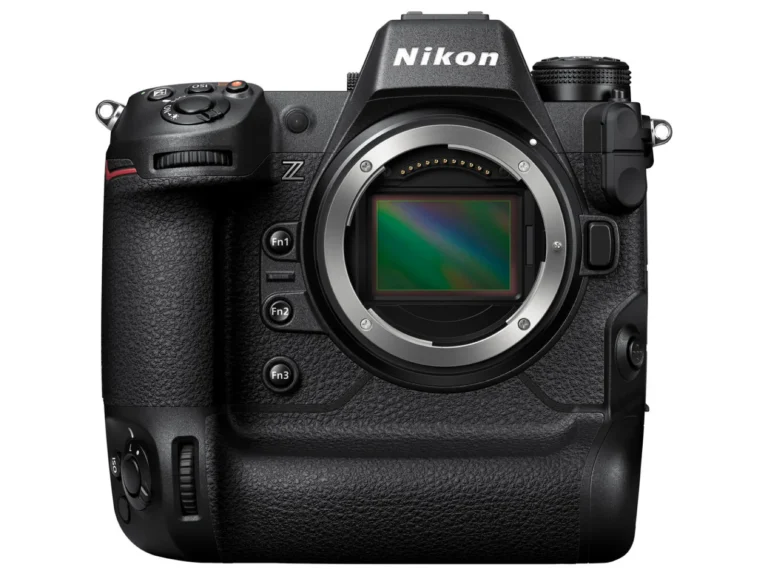
Nikon Z9
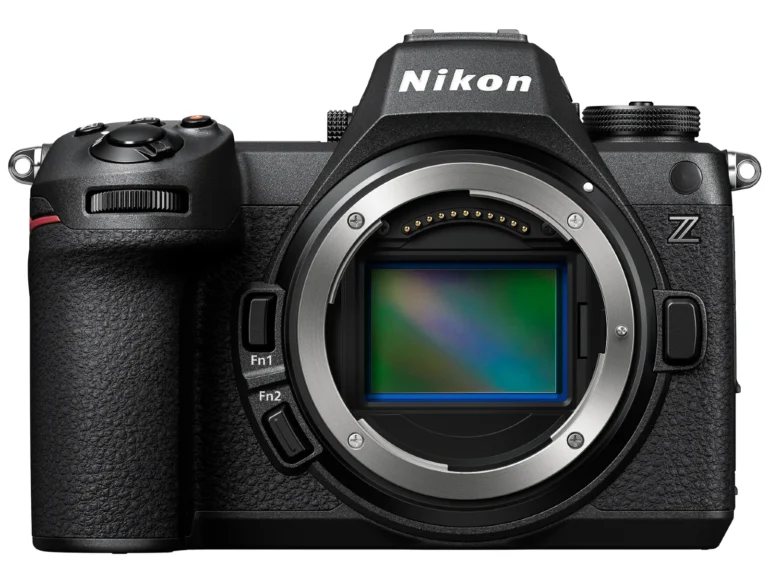
Nikon Z6 III
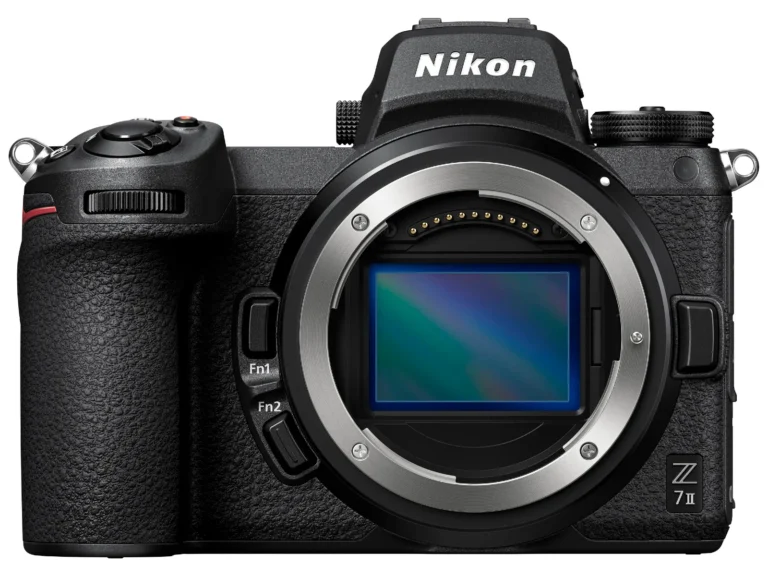
Nikon Z7 II
Nikon Z9 (2021) is Nikon’s original mirrorless flagship with specifications that are nearly identical to those of the Z8 (the same sensor, processor, AF system, continuous shooting capabilities, and video recording options). It utilizes a larger body and has two identical card slots that accept XQD or CFexpress Type B cards.
Nikon Z6 III (2024) is Nikon’s most advanced 24 MP camera, featuring a partially stacked 24 MP sensor, an EXPEED 7 processor and class-leading autofocus and video capabilities including internal 6K 60 fps recording in 12-bit N-RAW. It can shoot at 14 fps RAW with the mechanical shutter and 20 fps in RAW with the electronic shutter (up to 120 fps in 11 MP JPEG).
Nikon Z7 II (2020) was Nikon’s original high-resolution option. It offers a 45 MP BSI sensor (not a stacked sensor) with excellent stills capability, but it’s much less focused on videography or speed than the Z8, Z9 or Z6 III. It’s much more affordable than the Z8 (costs about $1500 less than the Z8).
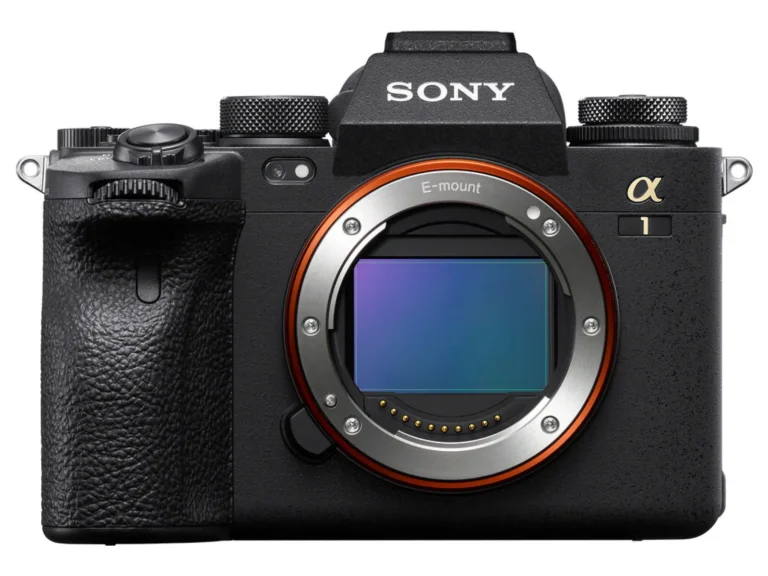
Sony A1
Sony A1 II
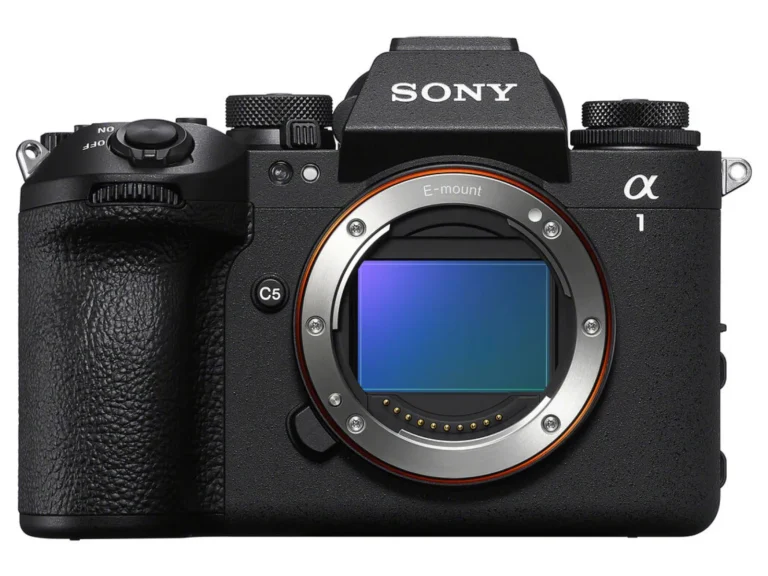
Sony A1 (2021) is Sony’s high-resolution flagship featuring a 50 MP stacked sensor. At the time of it’s release it offered the best AF system in the industry. It could shoot at up to 10 fps in RAW with the mechanical shutter and up to 30 fps in RAW with the electronic shutter. It offers 8K video recording at 30 fps and 4K at up to 120 fps, but oversampled 4K recording is available only at 30 fps and only with a 1.5x crop. Internal recording is limited to 10-bit with the option for 16-bit external recording via HDMI.
Sony A1 II (2024) keeps the same 50 MP stacked sensor, but it utilizes a new AI processing unit for enhanced subject recognition and tracking. It also upgrades to a new rugged and more ergonomic body and it introduces a new extremely practical high-resolution LCD screen (tilting and fully articulating). Most other specifications remain the same as on the original A1.
Compared to the Z8, Sony A1 and A1 II offer better autofocus, but cannot quite match the video performance of the Z8. Sony A1 is also about $2000 more expensive than the Nikon Z8 and Sony A1 II is roughly double the price of the Z8.
Canon R5 II
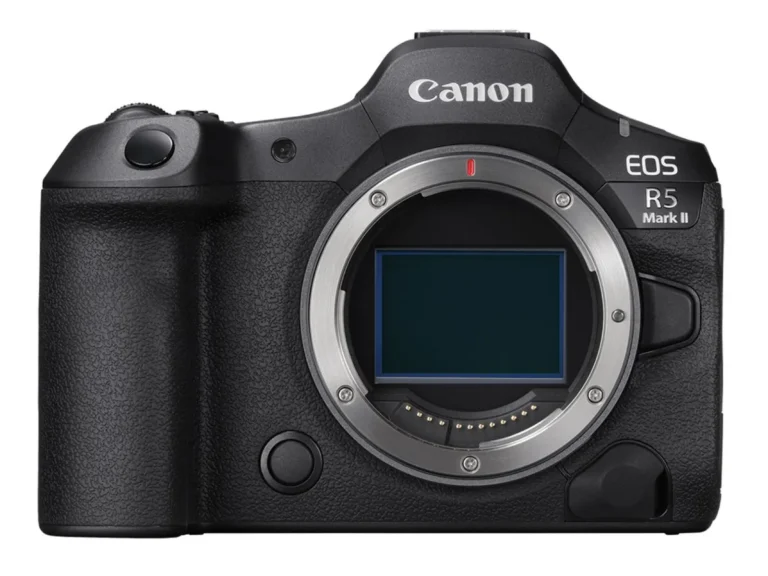
Canon EOS R5 Mark II (2024) is Canon’s direct competitor to the Nikon Z8, since it also uses a similar 45 MP stacked sensor (while the original R5 had a slower 45 MP non-stacked sensor). It uses Canon’s newest AF System (‘Dual Pixel Intelligent AF’) which is widely regarded as one of the strongest systems in the industry. It can shoot at 12 fps with the mechanical shutter for 10-20 seconds and at 30 fps with the electronic shutter for about 3 seconds. It also offers half of a second of Pre-Capture (15 RAW photos). It can record 8K 60 fps in 12-bit RAW and oversampled 4K at 30 fps, but overheating is much more of an issue than with the Z8 so users need to record shorter clips or use Canon’s battery grip with a built-in cooling fan.
Compared to the Z8, the R5 II offers better autofocus and comparable video performance. It’s slightly more expensive than the Z8.
Nikon Z8 Price
Final Verdict
Nikon Z8 brings the power and performance of the flagship Z9 into a more compact and affordable body. It is an extremely capable camera that delivers outstanding image quality, fast and reliable subject tracking, excellent high-speed shooting performance, and unmatched video recording capabilities.
The Z8 has very little competition at its price point, with the closest competitor being the slightly more expensive Canon R5 Mark II.