
Nikon Cameras
Nikon Z6 II Review
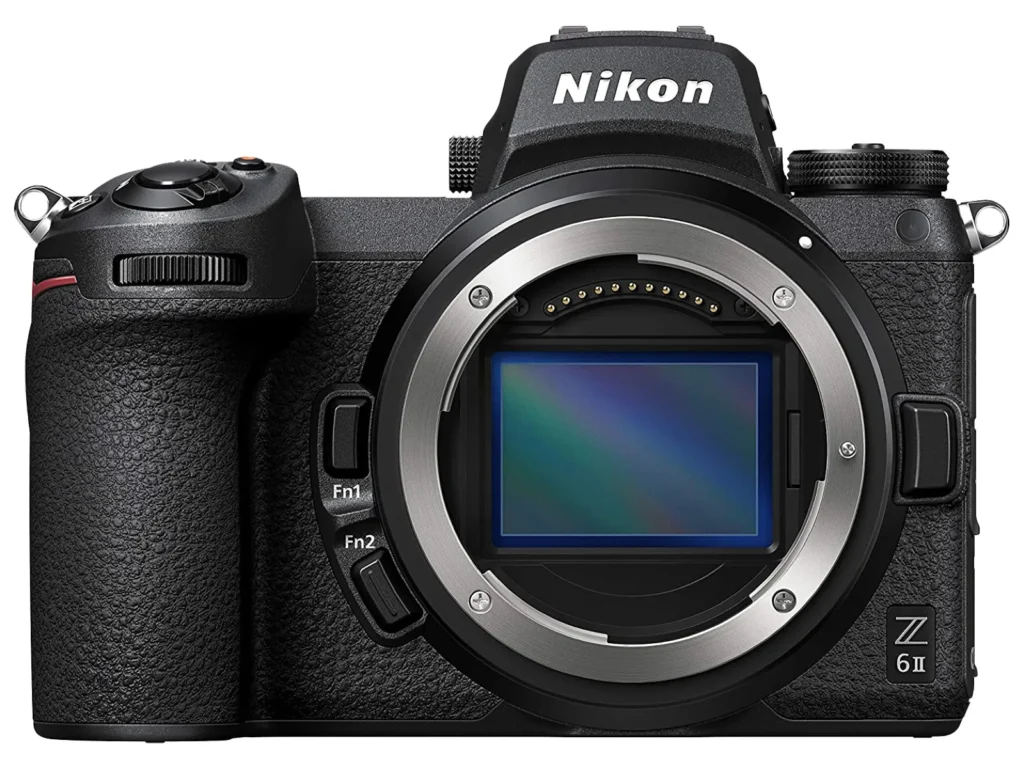
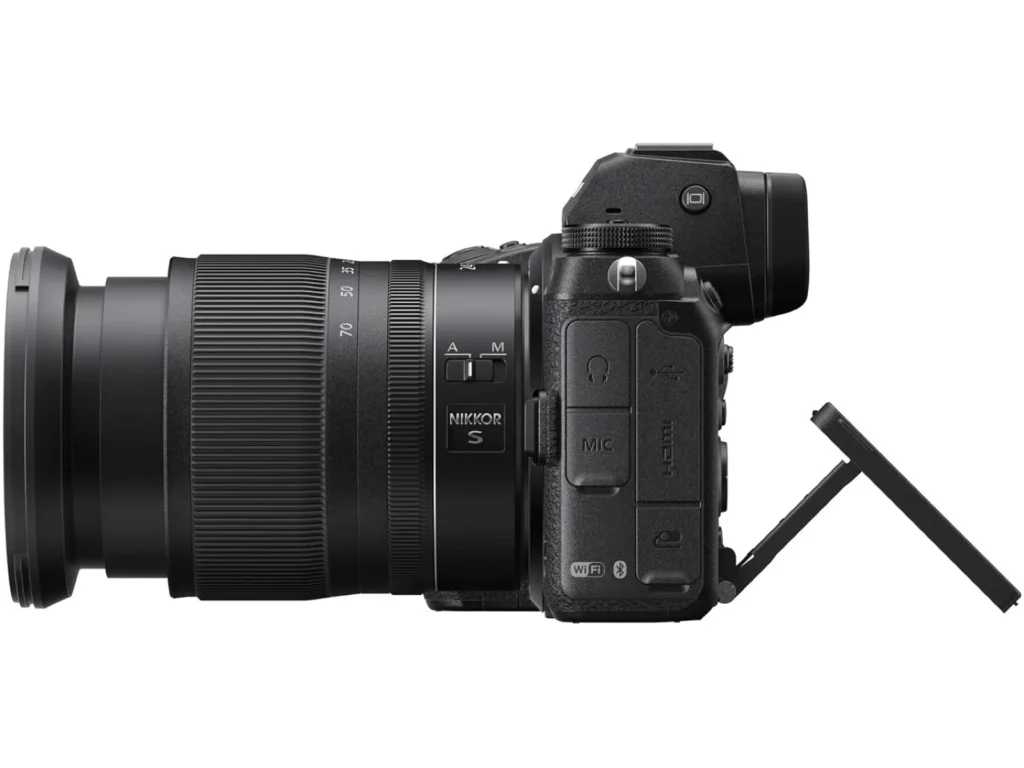
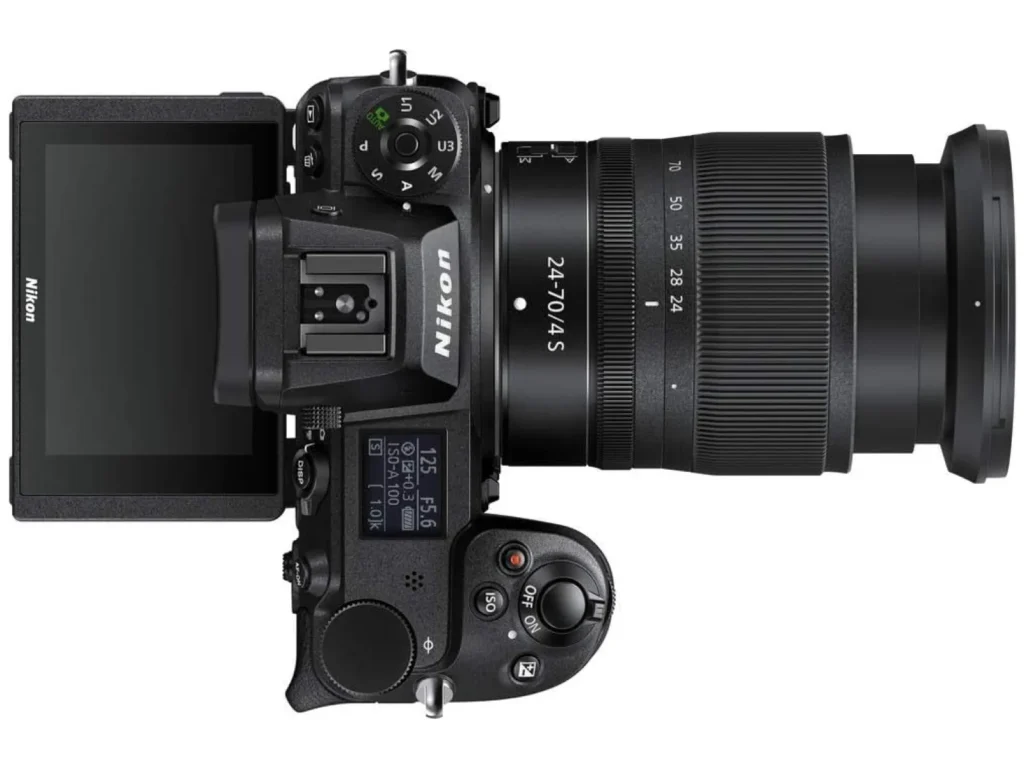
Nikon Z6 II was released in late 2020 as the direct successor to the original Z6. It retains the same 24 MP BSI full-frame sensor as the Z6, but introduces dual EXPEED 6 processors. This results in faster overall performance, improved autofocus tracking, higher burst rates, a much better buffer and expanded video capabilities. By also adding dual card slots, it addresses many of the criticisms of the original Z6 and feels like a more complete, professional-ready camera.
Nikon Z System
The release of the Z6 and Z7 in 2018 introduced the Nikon Z-mount. With a larger mount diameter and shorter flange distance, the Z system allowed Nikon to design faster, sharper lenses with better low-light performance. Compared to old DSLRs the system is smaller and lighter while also improving autofocus speed and overall image quality. After nearly a decade, the Z-mount system now provides a wide selection of lenses. Nikon F-mount lenses (older DSLR lenses) remain fully compatible with Nikon Z series cameras via the FTZ adapter.
Nikon Z6 II Price
Nikon Z6 II Specifications
General
Nikon Z6 II uses a 24.5 MP BSI full-frame sensor paired with dual EXPEED 6 processors, offering strong dynamic range and impressively clean photos even at higher ISO settings, making it well-suited for low-light shooting.
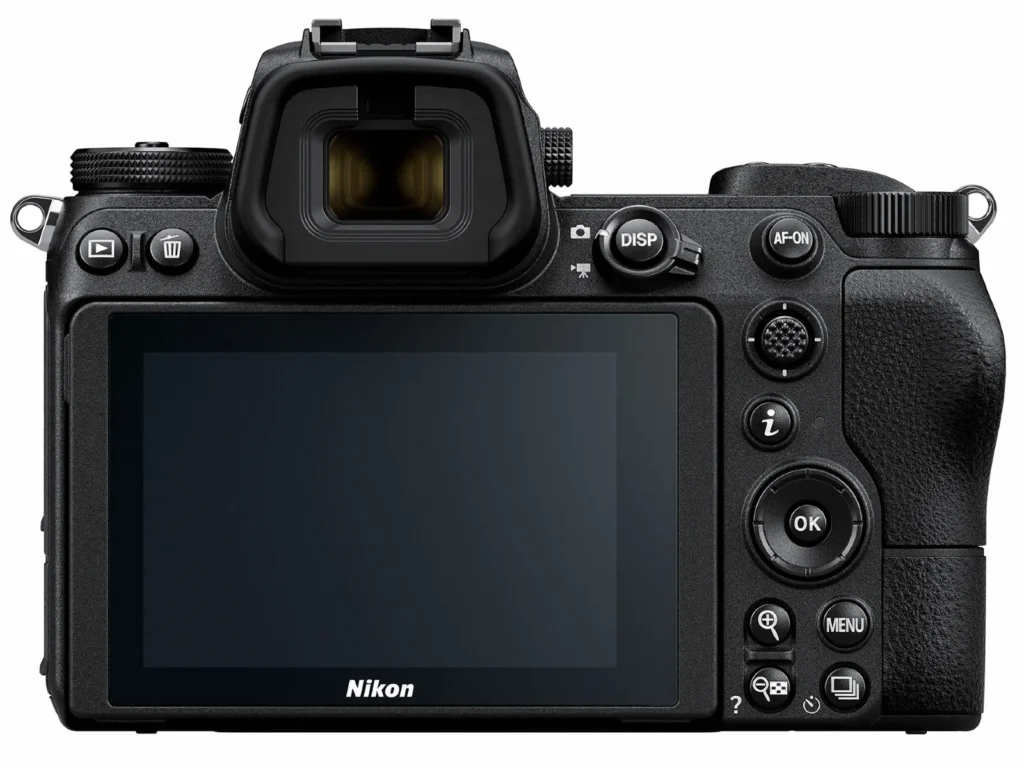
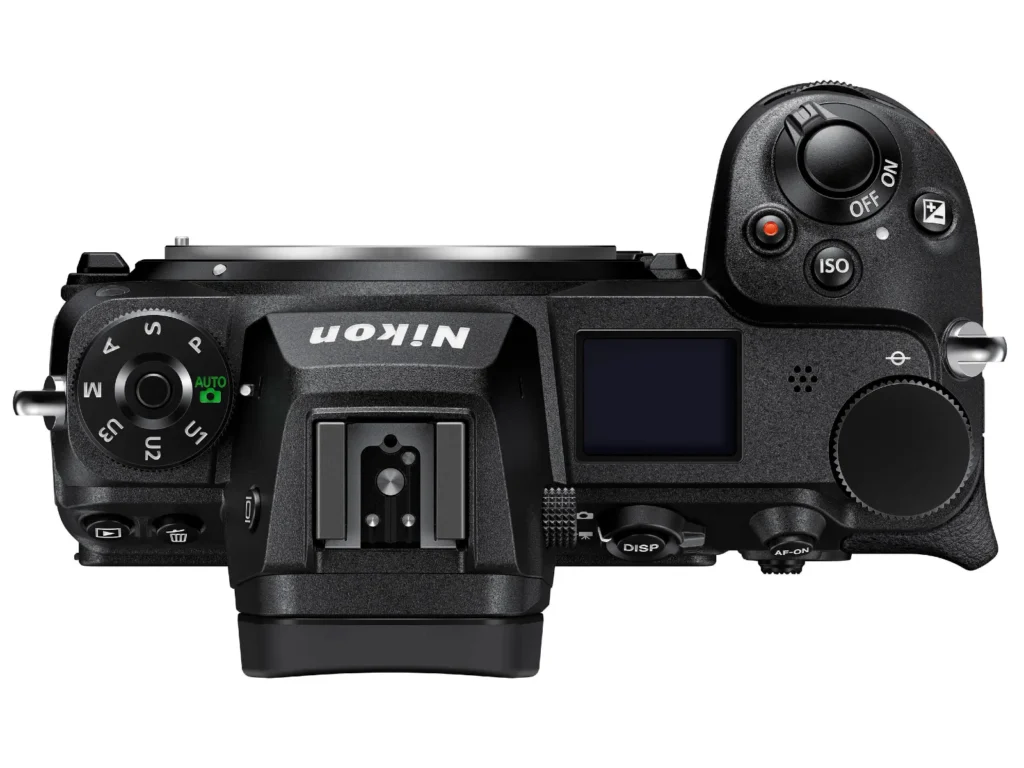
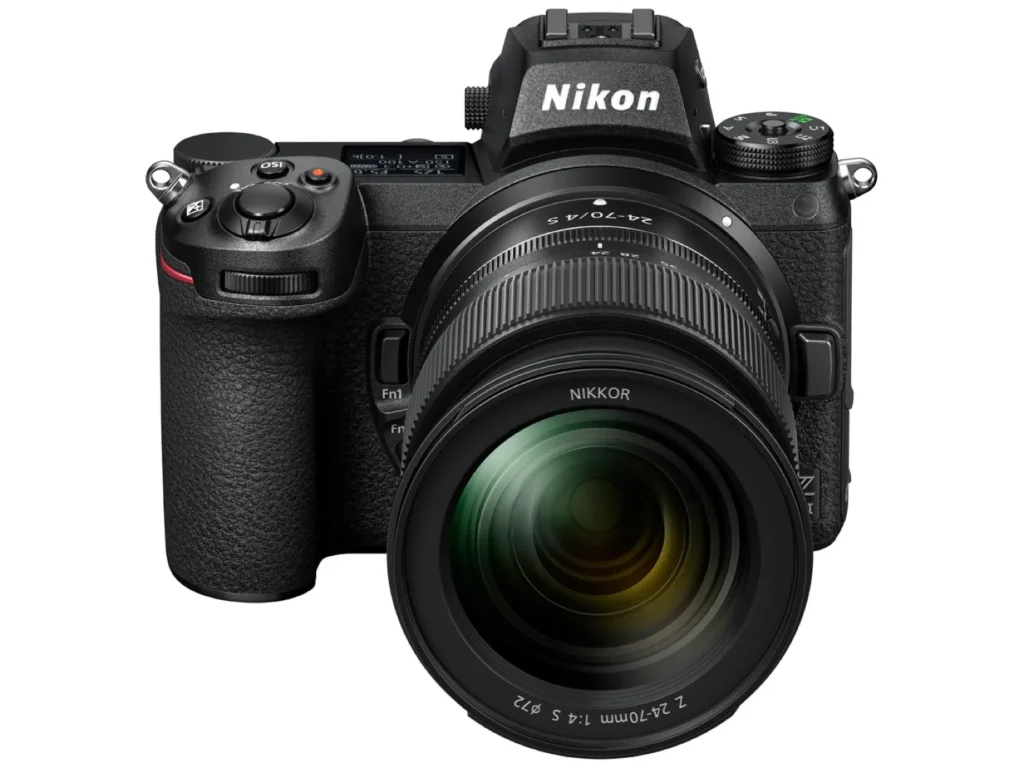
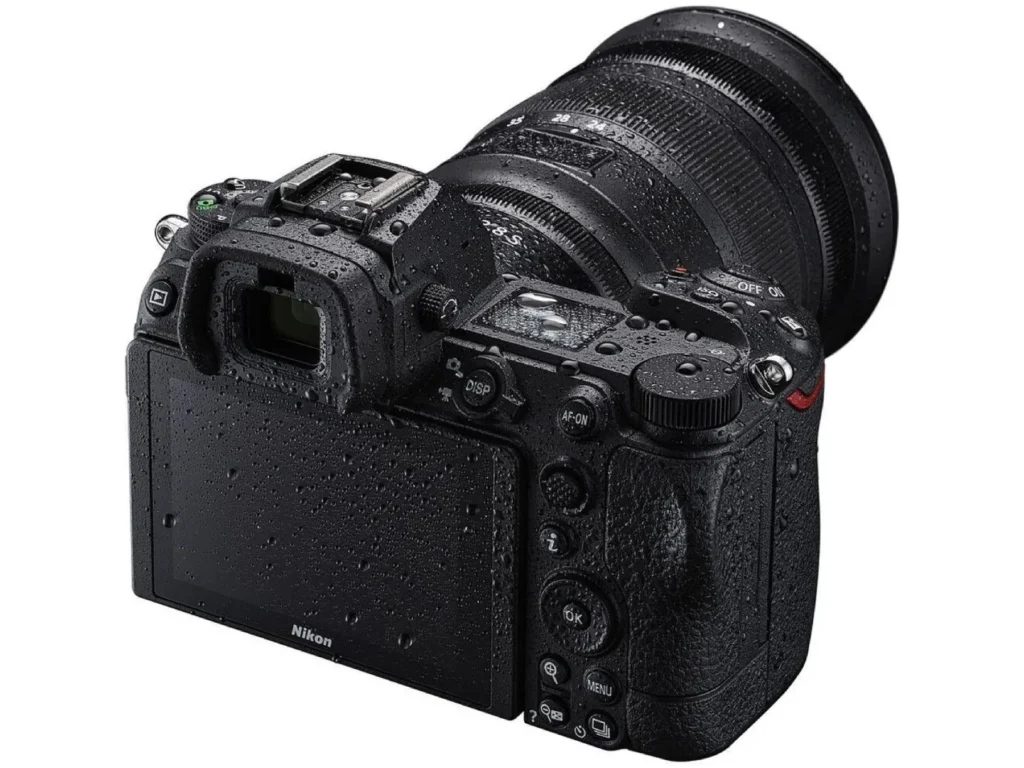
The body is similar to the Z6, featuring a magnesium alloy construction, full weather sealing and a comfortable grip. Despite being a full-frame camera, it remains compact and well balanced for everyday shooting.
The tilting rear screen remains the same as its predecessor – sharp and responsive, but not fully articulating, which limits its appeal for solo video creators.
The addition of dual card slots alone makes the Z6 II a practical camera for professional photographers and videographers.
Battery life is also slightly improved compared to the original Z6.
Autofocus
Autofocus is noticeably improved over the original Z6. The Z6 II uses the same 273-point hybrid AF system, covering roughly 90% of the frame, but benefits from faster processing and improved subject tracking algorithms.
Eye-detection AF is now also available in video mode. It performs well and the camera tracks subjects better than the Z6. Low-light AF performance is also improved, making the Z6 II more dependable for event, portrait and wildlife photography.
It does not match the class-leading autofocus systems found in newer cameras with an EXPEED 7 processor, nor does it reach the autofocus performance of competing models from other brands.
Photography
Image quality is excellent, with strong dynamic range, natural color rendering and very clean high-ISO performance, making the camera well-suited for low-light photography.
The Z6 II increases continuous shooting speed to 14 fps. The Z6 II can shoot at up to about 10 fps in 14-bit RAW without autofocus restrictions. 14 fps mode is available in 12-bit RAW and with slightly reduced AF performance (according to Nikon some AF modes are restricted or less effective and you will often get the best performance with single-point AF). The buffer on the Z6 II is also significantly improved allowing up to around 10 seconds of uninterrupted continuous shooting.
Shutter options include mechanical, electronic front-curtain and fully electronic (silent) shutter modes. Using the electronic shutter when photographing fast moving objects will result in noticeable rolling shutter distortion.
Video
The Z6 II records oversampled 4K 30 fps videowithout a crop, delivering clean, detailed footage with great dynamic range.
A key upgrade is the addition of 4K 60 fps recording, but it comes with a 1.5x crop, less detail and worse dynamic range. 4K 60 fps can also only be recorded internally and only in 8-bit.
Full HD (1080p) recording is available up to 120 fps.
Internal video is still limited to 8-bit, with no log profiles or RAW recording available. This is, of course, an issue for video-focused creators, but Nikon’s built-in “Flat” profile is reportedly easy to work with in post-processing (of course can’t ever compete with RAW video recording models).
Support for external 12-bit RAW recording via HDMI is unlocked through a paid upgrade. 12-bit RAW recording to the camera’s memory card is not available.
Keep in mind that enabling external RAW recording requires both the paid upgrade and an external recorder, significantly increasing overall cost and complexity.
Video-first creators and professional videographers are likely aware of the limitations of internal recording. Consider whether you’re willing to handle the extra work, hassle and cost associated with external recording on the Z6 II.
One important limitation is that the camera only records video to a single card, which reduces redundancy and is a downside for professional work where backup recording is critical. Notably, this applies to every single Nikon camera model.
The Z6 II unfortunately retains the strict 30-minute recording limit.
| Feature | NIKON Z6 II |
|---|---|
| Release Date | October 2020 |
| Megapixels | 24.5 MP |
| Image Resolution | 6048 × 4024 |
| Sensor Size | Full Frame |
| Sensor Type | BSI CMOS |
| Image Processor | Dual EXPEED 6 |
| IBIS | 5-Axis, 5 stops |
| Weather Sealing | Yes |
| Lens Mount | Nikon Z |
| Body Type | Mirrorless |
| PHOTO | |
| Native ISO | 100 – 51,200 |
| Expandable ISO | 50 – 204,800 |
| Shutter Speed | 1/8000 – 900s |
| Burst Rate (Mechanical) | 14 fps RAW |
| Burst Rate (Electronic) | 14 fps RAW |
| Buffer | ~ 120 RAW |
| Shutter Types | Mechanical, Electronic, EFCS |
| Silent Shooting | Yes (Electronic Shutter) |
| Exposure Compensation | ±5 EV |
| High-Res (Sensor Shift) | No |
| Pre-Capture Mode | No |
| VIDEO | |
| 4K Video | 4K 30fps (oversampled from 6K) |
| Max Frame Rate | 4K 60fps (1.5x crop) / 1080p 120fps |
| Bit Depth | 8-bit Internal / 12-bit External |
| Recording Limit | 29m 59s |
| Timelapse Recording | Yes |
| AUTOFOCUS | |
| AF System | Hybrid AF |
| AF Points | 273 |
| AF Coverage | ~ 90% Frame Coverage |
| AF Joystick | Yes |
| DISPLAY / VIEWFINDER | |
| Articulated Screen | Tilting |
| Touch Screen | Yes |
| LCD Size | 3.2" |
| LCD Resolution | 2,100,000 |
| EVF Resolution | 3,690,000 |
| EVF Refresh Rate | 60 fps |
| EVF Coverage | 100% |
| EVF Magnification | 0.8× |
| MORE INFO | |
| Card Slot 1 | XQD / CFexpress Type B |
| Card Slot 2 | SD (UHS-II) |
| Sensor Protection System | No |
| USB | Type C 3.1 |
| USB Charging | Yes |
| HDMI | Type C (Mini HDMI) |
| Microphone Port | 3.5 mm |
| Headphone Port | 3.5 mm |
| Built-in Flash | No |
| Built-in Microphone | Yes |
| Battery | EN-EL15c |
| Battery Life | 350 ~ 500 frames |
| Wi-Fi / Bluetooth | Yes |
| Dimensions | 134 × 101 × 70 mm |
| Weight | 705 g |
Nikon Z6 II Alternatives
Nikon Z5 II
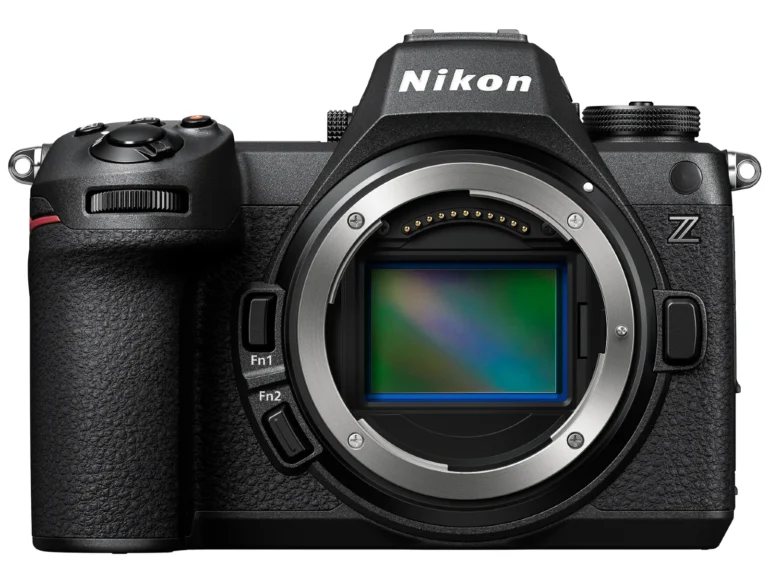
Nikon Z6 III
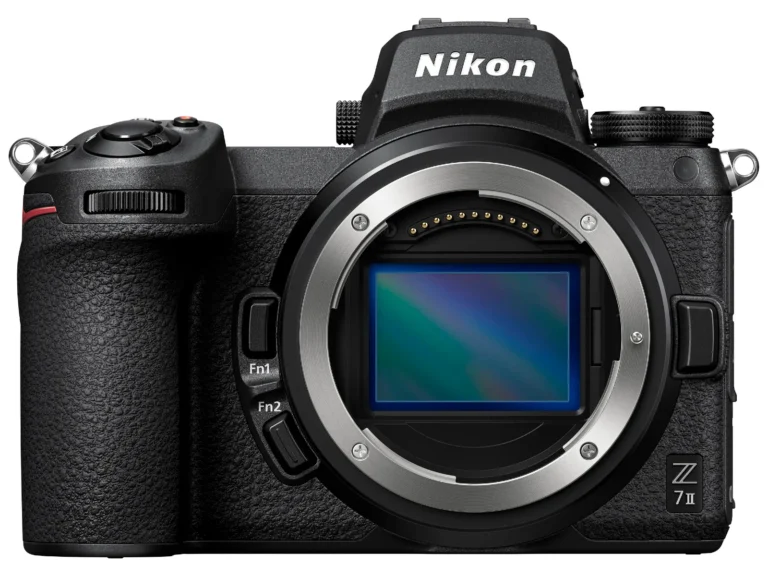
Nikon Z7 II
The original Nikon Z6 (2018) remains a capable entry-level full-frame camera, featuring the same 24 MP BSI sensor, however, the Z6 II improves upon it in every meaningful way. The Z6 has a single card slot, a less powerful processor, a limited 3-second buffer, weaker AF performance and fewer video recording options. While the its is a solid option for those entering the Nikon full-frame ecosystem for the very first time, it is otherwise difficult to recommend over the Z6 II or the Z5 II.
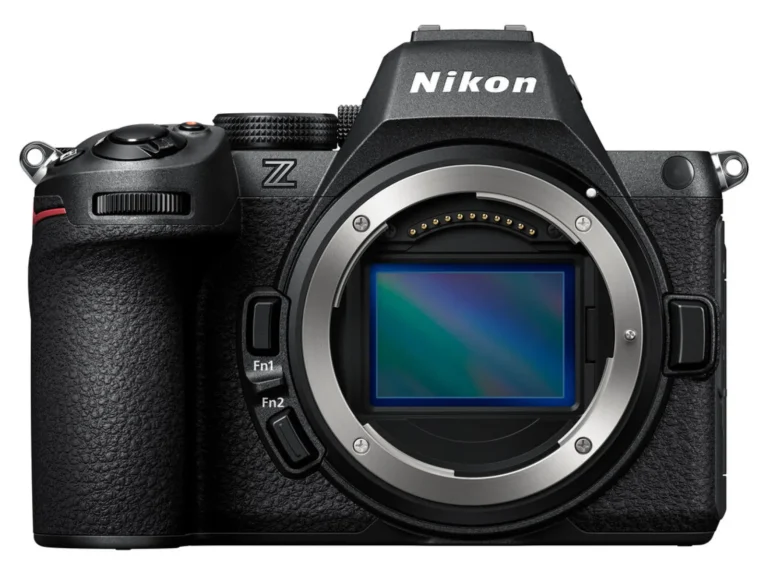
Nikon Z5 II (2025) uses the same 24 MP BSI sensor as the Z6 and Z6 II, but it upgrades to a faster EXPEED 7 processor, delivering excellent image quality along with great autofocus and video performance. It can shoot at up to 11 fps in RAW with the mechanical shutter (14 fps JPEG), up to 14 fps RAW with the electronic shutter (30 fps JPEG) and it can record 4K at 30 fps oversampled from 6K (internally in 12-bit N-RAW) and 4K to 60 fps with a 1.5x crop.
As of now, the Z5 II is definitely the best entry point into Nikon’s full-frame Z system for anyone interested in photography or video.
Nikon Z5 (2020) was Nikon’s entry-level full-frame option, but because of the older 24 MP non-BSI sensor and outdated performance it’s not a recommended purchase compared to any other Nikon model.
Nikon Z6 III (2024) is Nikon’s most advanced 24 MP full-frame camera, featuring a newer partially stacked sensor, EXPEED 7 processor and class-leading autofocus and video capabilities including internal 6K recording at up to 60 fps in 12-bit N-RAW. It can shoot at 14 fps RAW with a mechanical shutter and 20 fps RAW with an electronic shutter (up to 120 fps in JPEG). The Z6 III is an extremely advanced camera, but it’s slightly more expensive and aimed at a higher-end audience.
Nikon Z7 II (2020) is Nikon’s high-resolution full-frame option with pricing not far above the Z5 II (similar price as the Z6 III). It offers a 45 MP BSI sensor with excellent stills capability in case you are looking for higher resolution while staying in the Nikon ecosystem. It’s less focused on videography or speed, but the extra resolution is ideal for landscape, studio and any type of high-res photography.
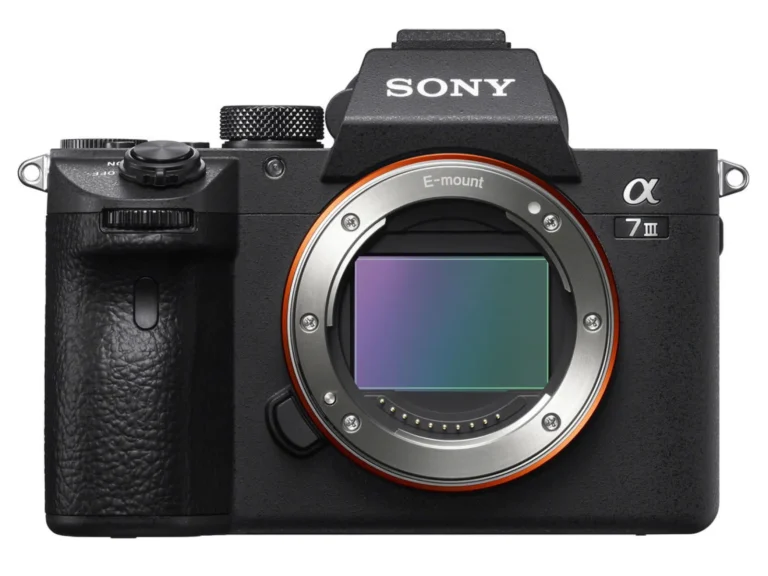
Sony A7 III
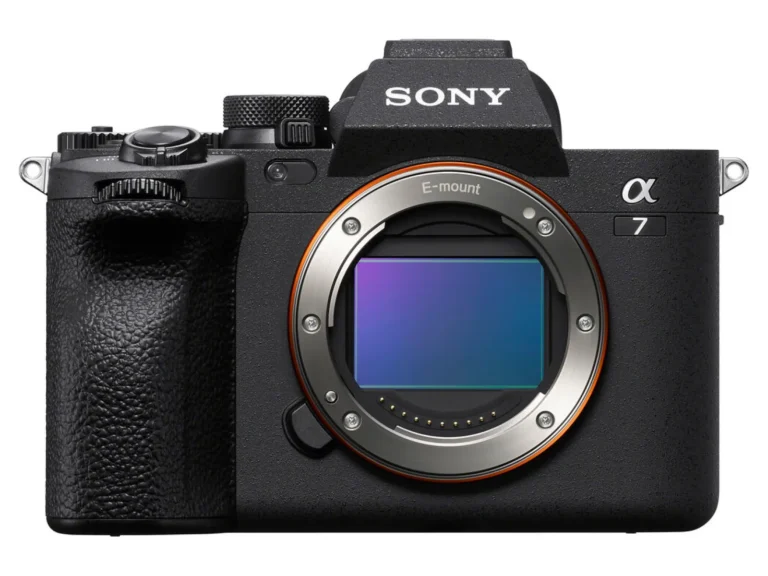
Sony A7 IV
Sony A7 and Sony A7 II use older, non-BSI 24 MP sensors and lack many modern features, as they were released in 2013 and 2014. Both are outdated and inferior in absolutely all areas compared to the Z6 II or any other camera on this list.
Sony A7 III (2018) was a major upgrade and remains one of the most popular full-frame cameras today. Just like the Z6, Z6 II and Z5 II, it features IBIS, weather sealing, oversampled 4K video recording and a similar 24 MP BSI sensor, resulting in excellent low-light performance and strong dynamic range. It also offers dual SD card slots and continuous shooting at up to 10 fps.
When it’s priced similarly to the Nikon Z5 II, the newer Z5 II represents much better value, but Sony A7 III is cheaper when purchased used, since it’s more popular and has been around for longer.
Sony A7 IV (2021) marked a significant step up in Sony’s full-frame lineup. It features a newer 33 MP BSI sensor and advanced autofocus, making it a powerful hybrid option for both photographers and video creators. However, the camera does have some drawbacks. High-speed shooting is limited to 6 fps in RAW (10 fps compressed RAW) and while video capabilities include 4K at 60 fps, rolling shutter can be a serious issue due to the high-megapixel sensor (though dynamic range remains excellent). The price of the Sony A7 IV is high – it’s more expensive than the new Z6 III and even more expensive than the high-resolution Nikon Z7 II.
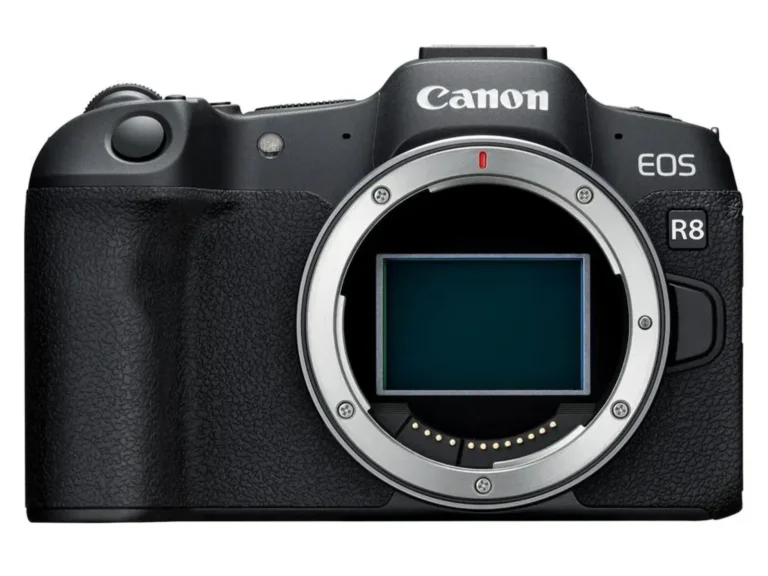
Canon R8
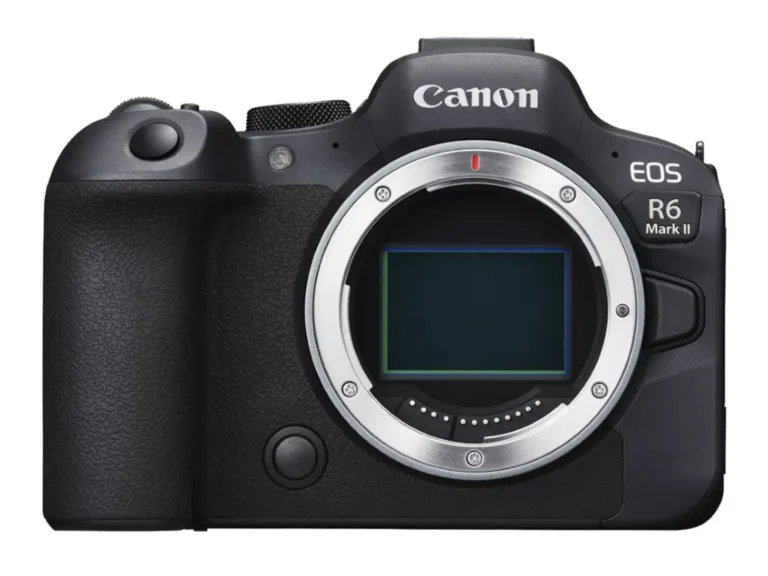
Canon R6 II
Canon EOS R (2018, 30 MP) and EOS RP (2019, 26 MP) are Canon’s entry-level full-frame cameras with older sensors, older processors and outdated autofocus systems. They lack IBIS and offer only low-quality heavily cropped 4K video recording, making either of them a poor alternative to any Nikon mirrorless camera.
Canon EOS R8 (2023) is Canon’s modern entry-level full-frame model and a major upgrade over the EOS R and EOS RP. It is essentially a more compact and more affordable version of the Canon EOS R6 Mark II, sharing the same 24 MP sensor and highly advanced autofocus system. Autofocus performance is consistently stronger than in most current Nikon cameras. The R8 offers oversampled 4K 60 fps 10-bit recording without a crop (although rolling shutter distortion is noticeable). It lacks IBIS, has no mechanical shutter and has only one card slot. It can shoot at up to 40 fps in 12-bit RAW with the electronic shutter (with noticeable rolling shutter distortion).
The R8 is an extremely capable camera, but for photographers, similarly priced alternatives such as the Nikon Z5 II and Sony A7 III may offer a more well-rounded feature set.
Canon EOS R6 Mark II (2022) was a significant upgrade to its outdated predecessor, the original R6. It brings a newer 24 MP sensor with better detail, less rolling shutter distortion and improved dynamic range. It offers amazing autofocus, continuous shooting at up to 40 fps with the electronic shutter (12 fps mechanical), oversampled 4K 60 fps recording and even 6K RAW external recording.
The R6 II is priced closer to higher-resolution models such as the Sony A7 IV and Nikon Z7 II. More affordable alternatives such as the Nikon Z5 II and Sony A7 III may provide enough features, depending on your priorities and budget. That said, pricing in this segment can fluctuate over time.
The new Canon EOS R6 III (2025, 33 MP) is much more expensive.
Nikon Z6 II Price
Final Verdict
Nikon Z6 II is a well-rounded, highly capable full-frame mirrorless camera that fixes the weaknesses of the original Z6. With dual processors, fast burst shooting, dual card slots, good autofocus and strong video features like uncropped oversampled 4K 30 fps recording, it feels far more complete and professional.
It remains an excellent choice for photographers and videographers who want both high-quality image and video output, good ergonomics and reliable performance (also in low-light) without paying flagship prices. That said, there is a model 5 year younger that still keeps all the same strengths and adds a few notable upgrades – the Nikon Z5 II.
As of now, the Z5 II is definitely the best entry point into Nikon’s full-frame Z system for anyone interested in photography or video.
If you’re not specifically looking for a Nikon camera, another great alternative is the very popular Sony A7 III. Sony has used the same E-mount since 2010, which means there are over 200 lenses available and a massive second-hand market. For beginners entering the Sony system, that means more options and way better prices. Sony A7 III also uses a similar 24 MP BSI sensor, but performance is definitely a bit dated compared to the new Nikon Z5 II.
If you are looking for an even more capable 24 MP camera, the Nikon Z6 III currently has very little competition at its price point. It is currently about $500 more expensive than the Z6 II or the Z5 II while offering significantly more in both the photography and video departments.
More Affordable APS-C Alternatives
If you are a beginner and don’t yet feel the need for full-frame, then the Nikon Z50 or Z50 II are excellent, more affordable APS-C alternatives. Pairing them with the two kit lenses – the 16-50mm f/3.5-6.3 and the 50-250mm f/4.5-6.3 – gets you a high-quality Nikon setup for a fraction of the price of any full-frame kit.
Sony also offers excellent cameras in its APS-C lineup (the a6000 series), particularly the a6100 and a6400, with the a6700 available at a higher price point.