
Nikon Cameras
Nikon Z5 II Review
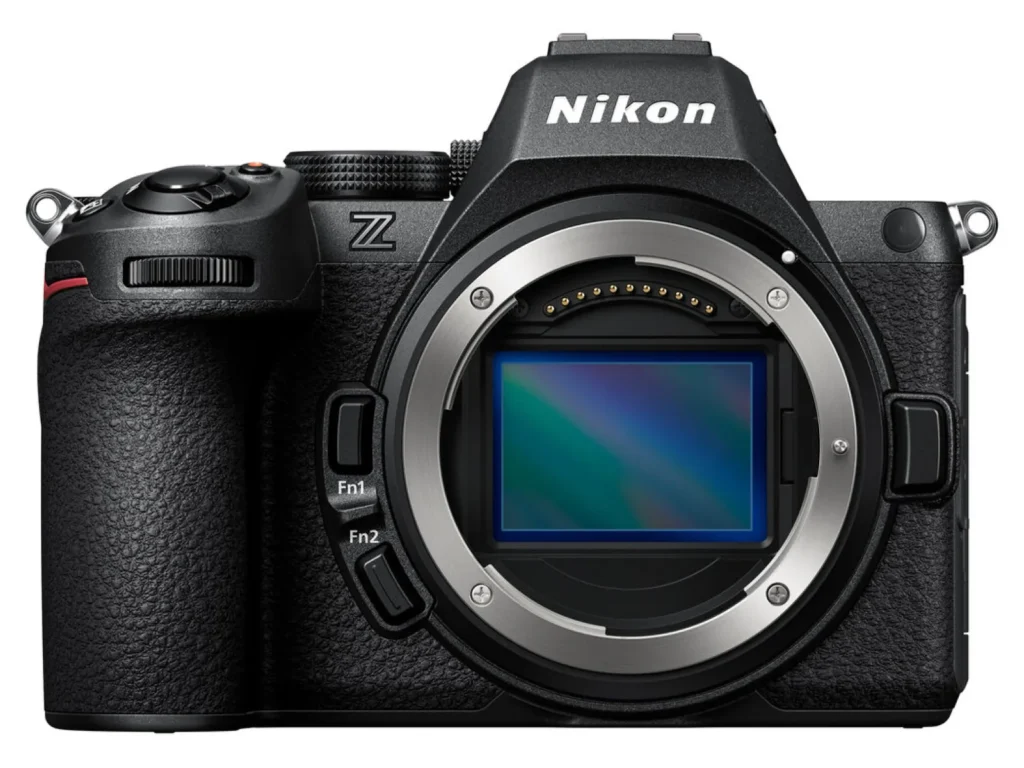
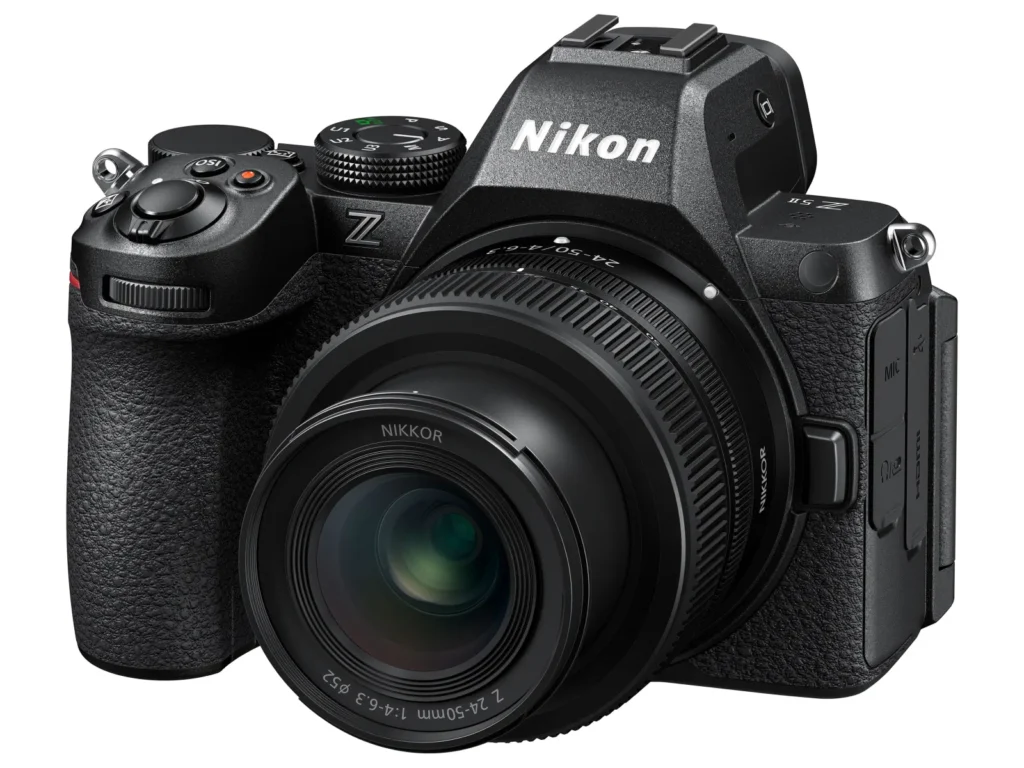
Nikon Z5 II represents a more substantial upgrade than expected and completely replaces the original Z5 in Nikon’s lineup. It has almost nothing in common with the original Z5 and it’s no longer positioned as a budget entry-level option. Instead, it effectively serves as a modern alternative to the Z6 II at a similar price point. It uses the same 24 MP BSI sensor found in the Z6 and Z6 II, but upgrades to a faster EXPEED 7 processor, delivering excellent image quality along with great autofocus and video performance.
Nikon Z5 II is definitely one of the most well-balanced cameras in the Z lineup and offers excellent value, making it the best entry point into Nikon’s full-frame Z system for anyone interested in photography or video.
Nikon Z System
The release of the Z6 and Z7 in 2018 introduced the Nikon Z-mount. With a larger mount diameter and shorter flange distance, the Z system allowed Nikon to design faster, sharper lenses with better low-light performance. Compared to old DSLRs the system is smaller and lighter while also improving autofocus speed and overall image quality. After nearly a decade, the Z-mount system now provides a wide selection of lenses. Nikon F-mount lenses (older DSLR lenses) remain fully compatible with Nikon Z series cameras via the FTZ adapter.
Nikon Z5 II Price
Nikon Z5 II Specifications
General
Nikon Z5 II uses a 24 MP BSI full-frame sensor paired with the EXPEED 7 processor. The same sensor was already used in the Nikon Z6 and Z6 II, but both relied on older EXPEED 6 processors.
In-body 5-axis image stabilization provides up to approximately 7.5 stops of shake reduction, benefiting both handheld stills and video recording.
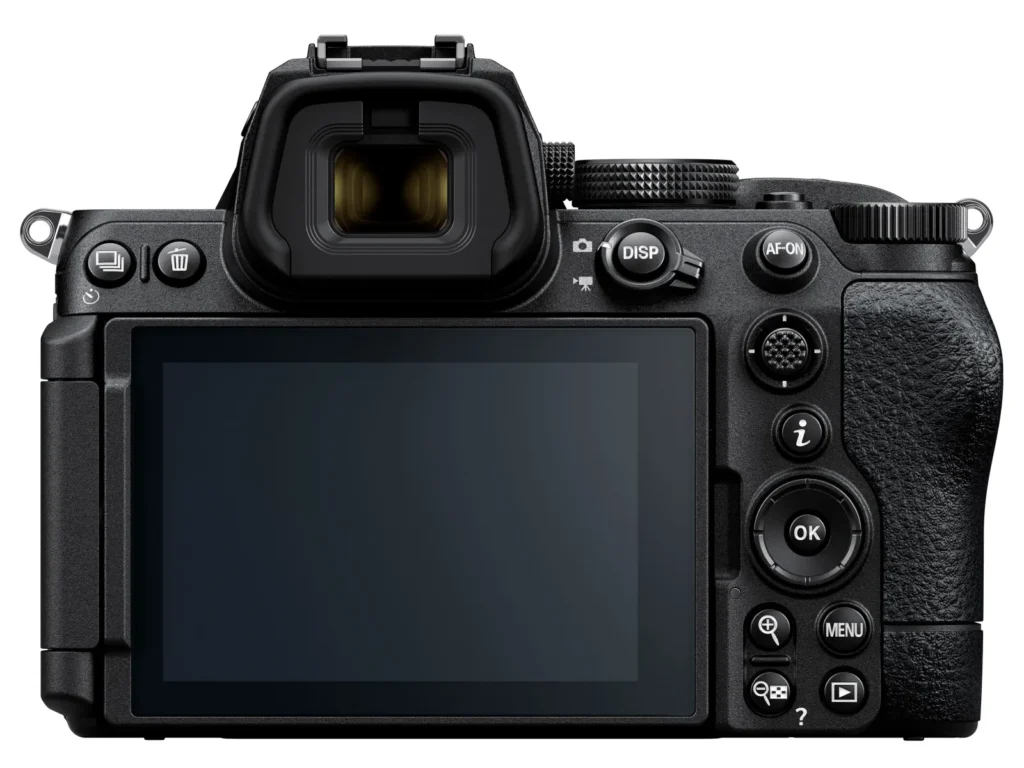
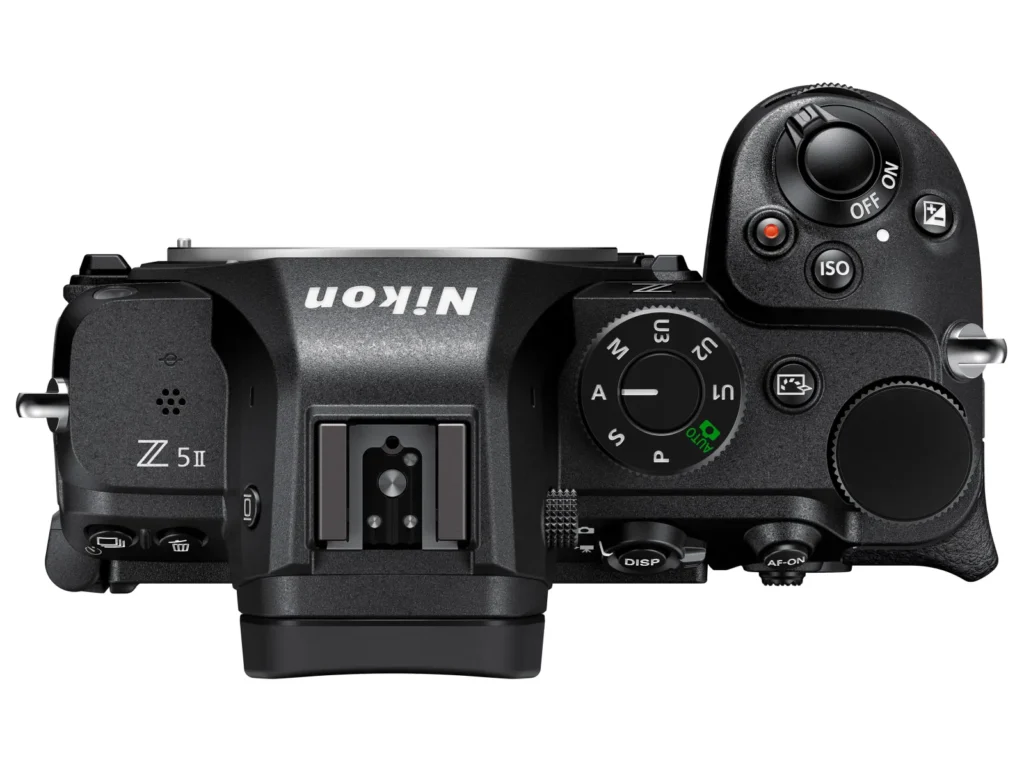
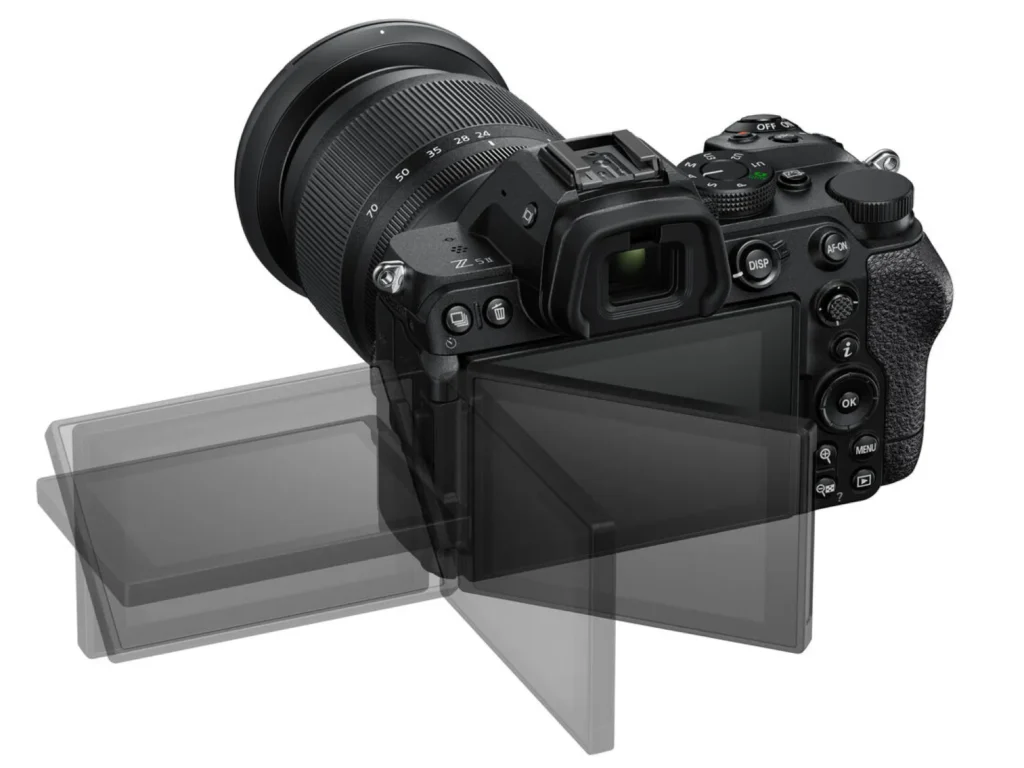
The body is similar to the Z6 and Z7 series, featuring a magnesium alloy construction, full weather sealing and a comfortable grip. Despite being a full-frame camera, it remains compact and well balanced for everyday shooting. The Z5 II introduces a fully articulating LCD screen.
Just like the original Z5, the Z5 II features practical dual SD card slots. This is a great budget-friendly option, since most Nikon cameras use a mixed dual-card setup (one SD card and one CFexpress Type B or XQD card). CFexpress cards are faster and provide a larger buffer, but these benefits do not apply if you also want to save files to a second SD card for backup storage, since write speeds are then limited by the slower SD card. XQD and CFexpress cards are also much more expensive.
Autofocus
Autofocus is one of the Z5 II’s biggest improvements. Thanks to the EXPEED 7 processor and AI-based subject detection it can recognize 9 different subject types, including people, animals (dogs, cats and birds) and various vehicles (cars, motorcycles, bicycles, trains and airplanes).
The Z5 II features a total of 273 focus points for single-point autofocus and 299 focus points for auto-area AF, allowing for precise focusing in various shooting situations. It also includes advanced autofocus modes like 3D-tracking, eye detection and face detection for both humans and animals, as well as vastly improved subject tracking.
Low-light autofocus performance is also improved, making the Z5 II far more dependable than its predecessor. AF coverage spans most of the frame and performance is reliable for both photography and video.
In real-world use, autofocus performance varies depending on the lens and settings. Most reviewers note a clear improvement over older Nikon models, while also pointing out that it sometimes still trails behind certain competitors from brands such as Canon and Sony.
Photography
Image quality is excellent, with strong dynamic range, natural color rendering and very clean high-ISO performance.
The Z5 II shoots at up to around 11 fps in RAW with full autofocus when using a mechanical shutter. A 14 fps mode is limited to JPEGs.
When using the electronic shutter, the camera can shoot up to 15 fps in RAW and up to 30 fps when shooting JPEGs.
Shutter options include mechanical, electronic front-curtain and fully electronic (silent) shutter modes. Using the electronic shutter when photographing fast moving objects will result in noticeable rolling shutter distortion.
Up to 1 second of Pre-Capture is available, but this works only with JPEGs (and of course only when using the electronic shutter).
Nikon Z5 II also includes a sensor-shift mechanism that enables pixel-shift shooting, combining multiple exposures with slight sensor movements to produce high-resolution images of up to 96 MP.
Video
The Z5 II can record oversampled 4K video up to 30 fps using the full width of the sensor, producing clean and detailed footage, though rolling shutter is noticeable.
The camera supports internal 4K 30 fps 12-bit N-RAW (N-Log) recording using the full sensor width; however some reviewers note that this footage seems to be slightly less detailed and offers worse low-light performance compared to the 4K 30 fps 10-bit H.265 recording mode.
A key upgrade is the addition of 4K 60 fps recording, although this comes with a heavy 1.5x crop and reduced image quality since the footage is not oversampled. 4K 60 fps recording is available in up to 10-bit.
Full HD (1080p) recording is available up to 120 fps for slow-motion shots.
Like all other Nikon models, the Z5 II saves video footage to only 1 SD card.
When recording 4K, battery life lasts up to approximately 2 hours. Using external power via USB-C allows for essentially unlimited recording time, though individual clips are still limited to a maximum of 125 minutes.
| Feature | NIKON Z5 II |
|---|---|
| Release Date | April 2025 |
| Megapixels | 24.5 MP |
| Image Resolution | 6048 × 4024 |
| Sensor Size | Full Frame |
| Sensor Type | BSI CMOS |
| Image Processor | EXPEED 7 |
| IBIS | 5-Axis, 7.5 stops |
| Weather Sealing | Yes |
| Lens Mount | Nikon Z |
| Body Type | Mirrorless |
| PHOTO | |
| Native ISO | 100 – 64,000 |
| Expandable ISO | 50 – 204,800 |
| Shutter Speed | 1/8000 – 900s |
| Burst Rate (Mechanical) | 11 fps RAW / 14 fps JPEG |
| Burst Rate (Electronic) | 15 fps RAW / 30 fps JPEG |
| Buffer | ~ 150 RAW |
| Shutter Types | Mechanical, Electronic, EFCS |
| Silent Shooting | Yes (Electronic Shutter) |
| Exposure Compensation | ±5 EV |
| High-Res (Sensor Shift) | Yes |
| Pre-Capture Mode | Yes |
| VIDEO | |
| 4K Video | 4K 30fps (oversampled from 6K) |
| Max Frame Rate | 4K 60fps (1.5x crop) / 1080p 120fps |
| Bit Depth | 12-bit |
| Recording Limit | 125 min |
| Timelapse Recording | Yes |
| AUTOFOCUS | |
| AF System | Hybrid AF + AI-based deep-learning engine for enhanced subject recognition and tracking |
| AF Points | 299 |
| AF Coverage | ~ 90% Frame Coverage |
| AF Joystick | Yes |
| DISPLAY / VIEWFINDER | |
| Articulated Screen | Fully Articulating |
| Touch Screen | Yes |
| LCD Size | 3.2" |
| LCD Resolution | 2,100,000 |
| EVF Resolution | 3,690,000 |
| EVF Refresh Rate | 60 fps |
| EVF Coverage | 100% |
| EVF Magnification | 0.8× |
| MORE INFO | |
| Card Slot 1 | SD (UHS-II) |
| Card Slot 2 | SD (UHS-II) |
| Sensor Protection System | No |
| USB | Type C 3.2 Gen 1 |
| USB Charging | Yes |
| HDMI | Type D (Micro HDMI) |
| Microphone Port | 3.5 mm |
| Headphone Port | 3.5 mm |
| Built-in Flash | No |
| Built-in Microphone | Yes |
| Battery | EN-EL15c |
| Battery Life | 350 ~ 500 frames |
| Wi-Fi / Bluetooth | Yes |
| Dimensions | 134 × 101 × 72 mm |
| Weight | 700 g |
Nikon Z5 II Alternatives
Nikon Z6 III
Nikon Z7 II
Nikon Z6 (2018), Z6 II (2020) and Z5 II all use the same 24 MP BSI sensor. Nikon Z5 II is the most recent model and the only one that uses a faster EXPEED 7 processor. As of now, the Z5 II is definitely the best entry point into Nikon’s full-frame Z system for anyone interested in photography or video (a used Z6 is a solid affordable option for those entering the Nikon full-frame system for the very first time, but it cannot compete with newer models).
Nikon Z5 (2020) was Nikon’s affordable entry-level full-frame option, but due to its older 24 MP non-BSI sensor and much slower performance it’s not a recommended purchase when compared to any other Nikon model.
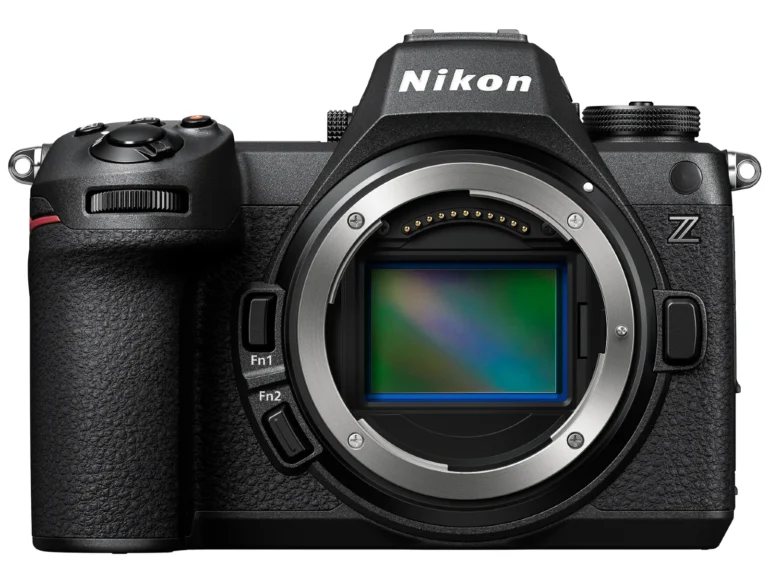
Nikon Z6 III (2024) is Nikon’s most advanced 24 MP full-frame camera, featuring a newer partially-stacked sensor, EXPEED 7 processor and class-leading autofocus and video capabilities including internal 6K recording at up to 60 fps in 12-bit N-RAW. It can shoot at 14 fps RAW with a mechanical shutter and 20 fps RAW with an electronic shutter (up to 120 fps in JPEG). The Z6 III is an extremely advanced camera, but it’s slightly more expensive and aimed at a higher-end audience.
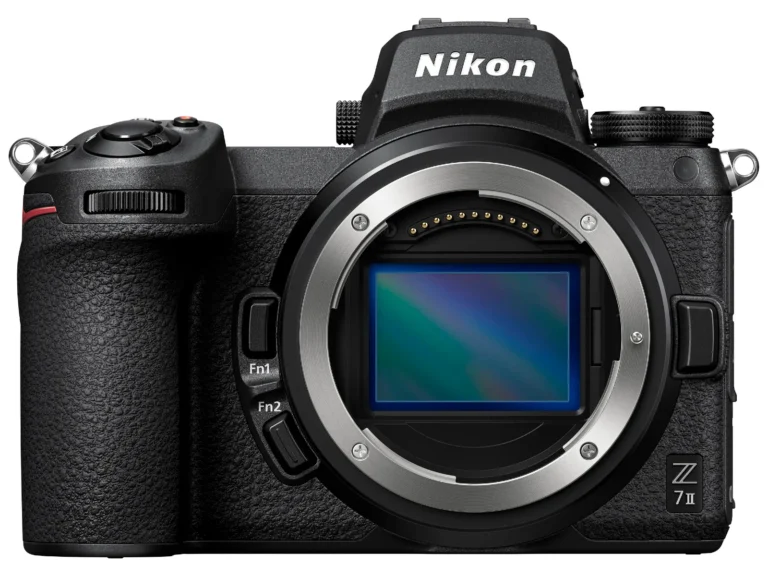
Nikon Z7 II (2020) is Nikon’s high-resolution full-frame option with pricing not far above the Z5 II. It offers a 45 MP BSI sensor with excellent stills capability in case you are looking for higher resolution while staying in the Nikon ecosystem. It’s less focused on videography or speed, but the extra resolution is ideal for landscape, studio and any type of high-res photography.
Sony A7 III
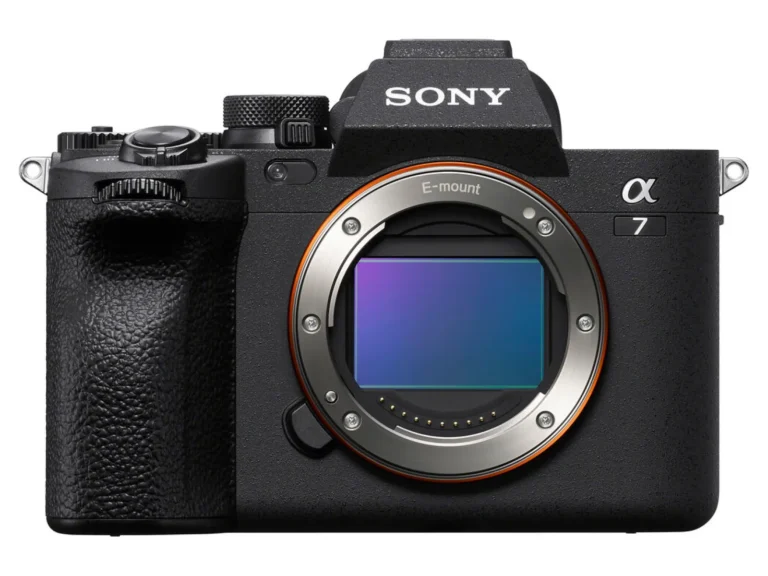
Sony A7 IV
Sony A7 and Sony A7 II are outdated models that use older, 24 MP non-BSI sensors, outdated autofocus systems and lack many modern features. They are inferior to all other cameras on this list, as they were released back in 2013 and 2014.
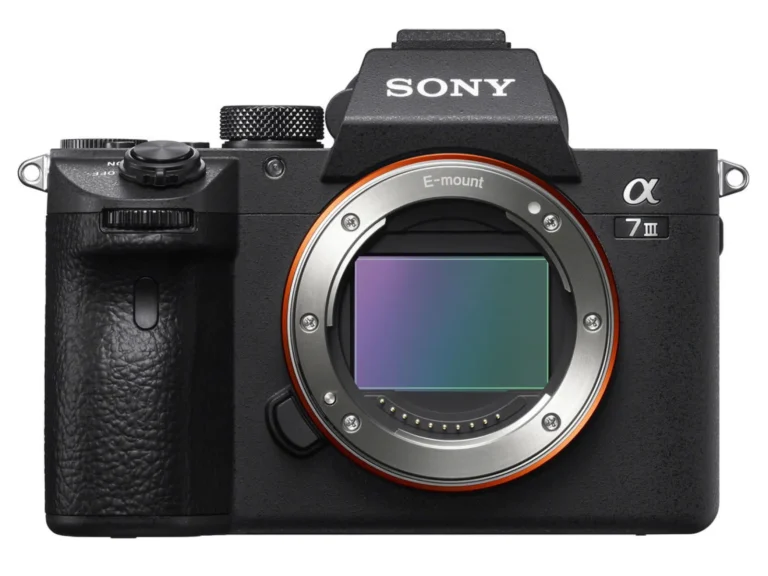
Sony A7 III (2018) remains a strong competitor and it is still one of the most popular full-frame cameras. It offers a similar 24 MP BSI sensor, IBIS, dual card slots, 10 fps shooting and great autofocus performance. It benefits from Sony’s long-standing E-mount ecosystem, but the Z5 II matches or exceeds it in build quality, ergonomics and color science.
When it’s priced similarly to the Nikon Z5 II, the newer Z5 II represents much better value, but Sony A7 III is cheaper when purchased used, since it’s more popular and has been around for longer.
Sony A7 IV (2021) marked a significant step up in Sony’s full-frame lineup. It features a newer 33 MP BSI sensor and advanced autofocus, making it a powerful hybrid option for both still photographers and video creators. However, the camera does have some drawbacks. High-speed shooting is limited to just 6 fps in RAW (10 fps compressed RAW) and while video capabilities include 4K 60 fps, rolling shutter can be a serious issue due to the high-megapixel sensor (though dynamic range remains excellent).
The price of the Sony A7 IV is high – it’s even more expensive than the high-resolution Nikon Z7 II.
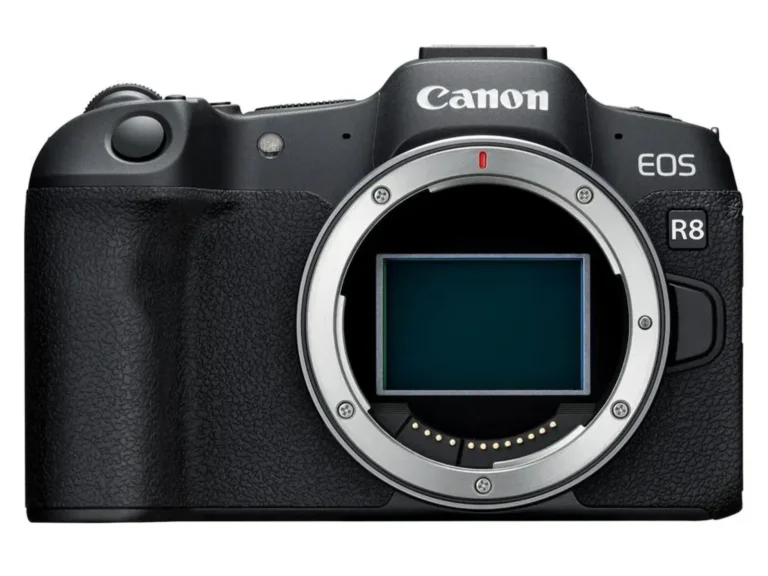
Canon R8
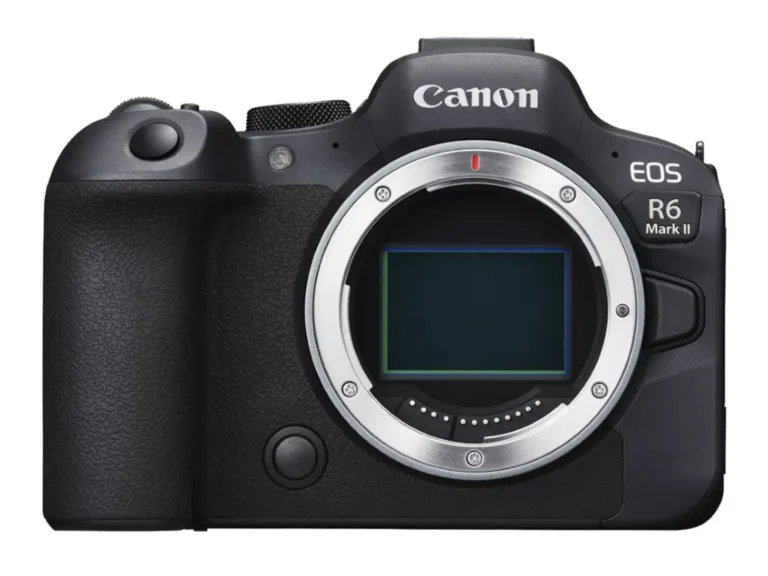
Canon R6 II
Canon EOS R (2018, 30 MP) and EOS RP (2019, 26 MP) are Canon’s entry-level full-frame cameras with older sensors, older processors and outdated autofocus systems. They lack IBIS and offer only low-quality heavily cropped 4K video recording, making either of them a poor alternative to any Nikon mirrorless camera.
Canon EOS R8 (2023) is Canon’s modern entry-level full-frame model and a major upgrade over the EOS R and EOS RP. It is essentially a more compact and more affordable version of the Canon EOS R6 Mark II, sharing the same 24 MP sensor and highly advanced autofocus system. Autofocus performance is stronger than that of most current Nikon cameras. The R8 offers oversampled 4K 60 fps 10-bit recording without a crop (although rolling shutter distortion is noticeable). It lacks IBIS, has no mechanical shutter and has only one card slot. It can shoot at up to 40 fps in 12-bit RAW with the electronic shutter (with noticeable rolling shutter distortion).
The R8 is an extremely capable camera, but for photographers, similarly priced alternatives such as the Nikon Z5 II and Sony A7 III likely offer a more well-rounded feature set.
Canon EOS R6 Mark II (2022) was a significant upgrade to its outdated predecessor, the original R6. It brings a newer 24 MP sensor with better detail, less rolling shutter distortion and improved dynamic range. It offers amazing autofocus, continuous shooting at up to 40 fps with the electronic shutter (12 fps mechanical), oversampled 4K 60 fps recording and even 6K RAW external recording.
The R6 II is priced closer to higher-resolution models such as the Sony A7 IV and Nikon Z7 II. More affordable alternatives such as the Nikon Z5 II and Sony A7 III may provide enough features, depending on your priorities and budget. That said, pricing in this segment can fluctuate over time.
The newer Canon EOS R6 III (2025, 33 MP) is much more expensive.
Nikon Z5 II Price
Final Verdict
Nikon Z5 II is a very capable and well-balanced full-frame mirrorless camera that significantly improves upon the original Z5. With the addition of a BSI sensor, a newer EXPEED 7 processor, greatly improved autofocus with modern subject detection, dual card slots and excellent image quality, it feels like a genuinely modern and reliable camera rather than an entry-level compromise.
Nikon Z5 II delivers excellent value for photographers who want full-frame image quality, dependable autofocus and strong ergonomics without paying premium prices. It is currently the best entry point into Nikon’s full-frame system.
Photographers won’t be disappointed with the Z5 II; however, for video-first creators or professional videographers, limitations such as the quality of 12-bit RAW recording and cropped 4K 60 fps are important factors to consider.
If you are looking for an even more capable 24 MP camera, the Nikon Z6 III currently has very little competition at its price point. It is currently about $500 more expensive than the Z5 II while offering significantly more in both the photography and video departments.