
Nikon Cameras
Nikon Z7 II Review
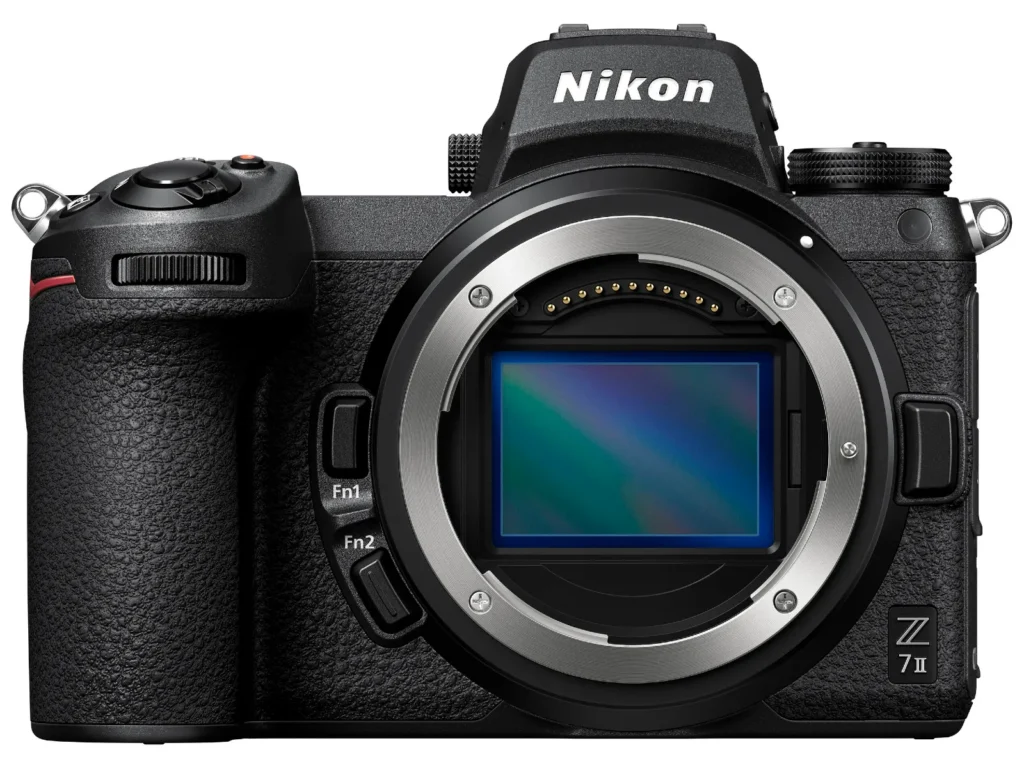
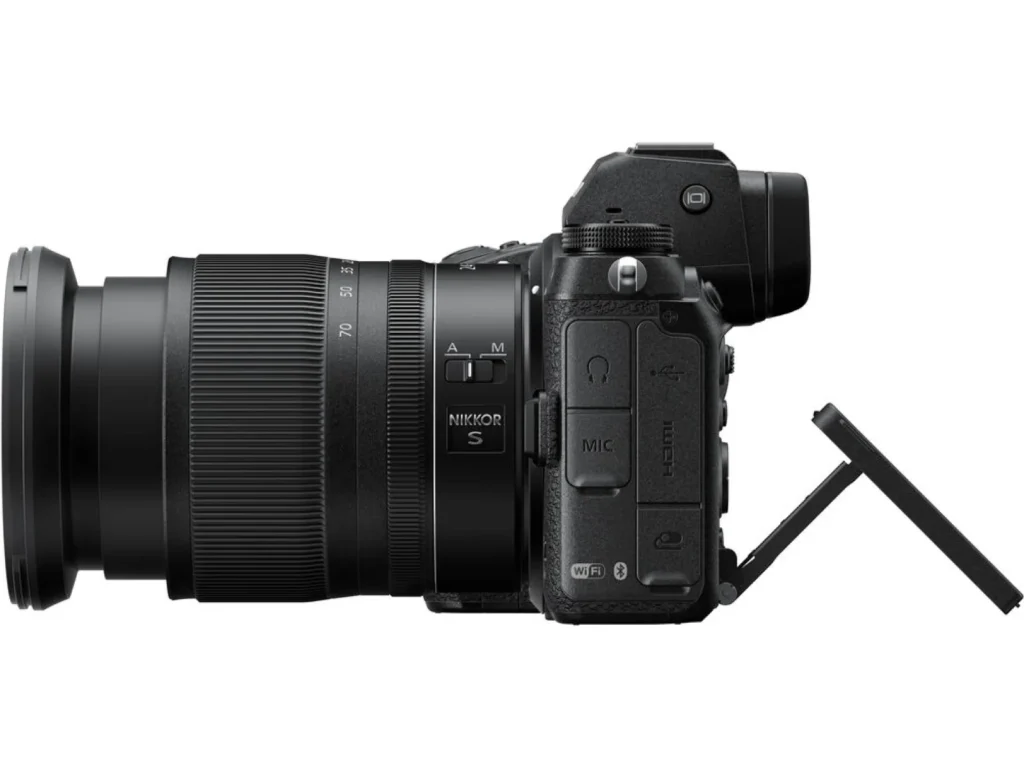
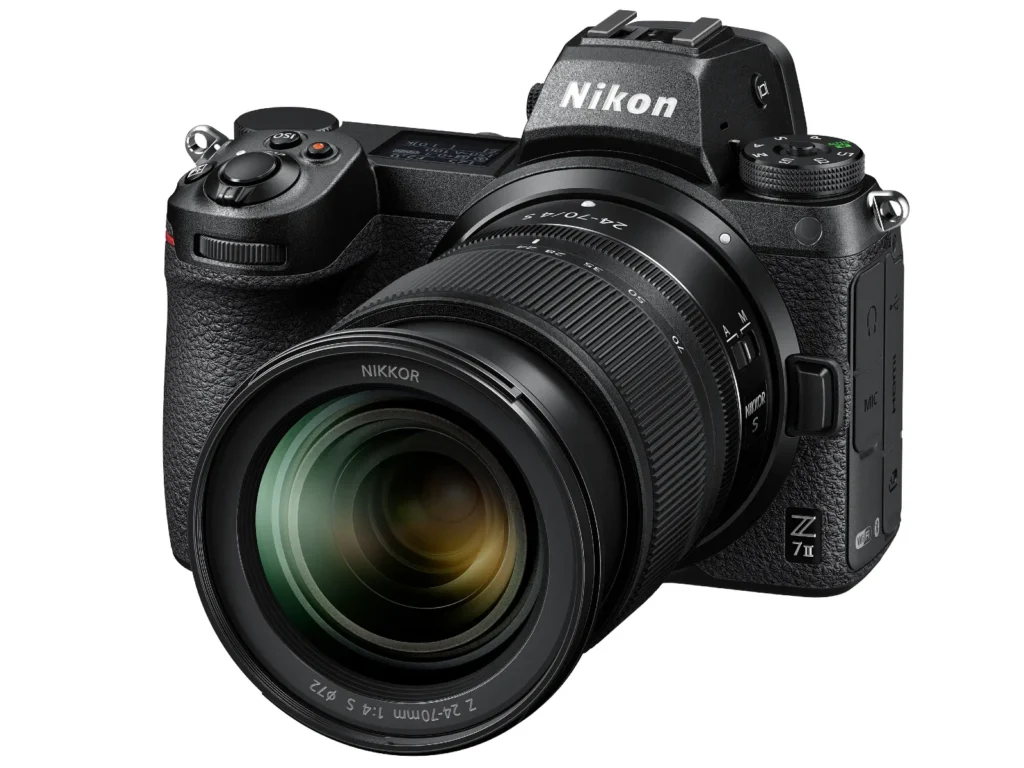
Nikon Z7 II was released in late 2020 as the direct successor to the original Z7. It features the same high-resolution 45 MP BSI sensor designed for maximum detail and dynamic range, but Nikon significantly refined the camera by introducing dual EXPEED 6 processors. This upgrade delivers faster overall performance, improved autofocus tracking, higher continuous shooting speeds, a deeper buffer and expanded video recording capabilities. By also adding dual card slots, the Z7 II addresses some of the main criticisms of the original Z7 and positions itself as a more versatile and professional-ready high-resolution mirrorless camera.
While it is no longer Nikon’s newest high-resolution model, the Z7 II remains one of the most capable high-res bodies in the Z series and continues to represent excellent value for photographers.
Nikon Z System
The release of the Z6 and Z7 in 2018 introduced the Nikon Z-mount. With a larger mount diameter and shorter flange distance, the Z system allowed Nikon to design faster, sharper lenses with better low-light performance. Compared to old DSLRs the system is smaller and lighter while also improving autofocus speed and overall image quality. After nearly a decade, the Z-mount system now provides a wide selection of lenses. Nikon F-mount lenses (older DSLR lenses) remain fully compatible with Nikon Z system cameras via the FTZ adapter.
Nikon Z7 II Price
Nikon Z7 II Specifications
General
Nikon Z7 II features a 45.7 MP BSI full-frame CMOC sensor paired with dual EXPEED 6 processors. The same sensor was already used in the original Z7.
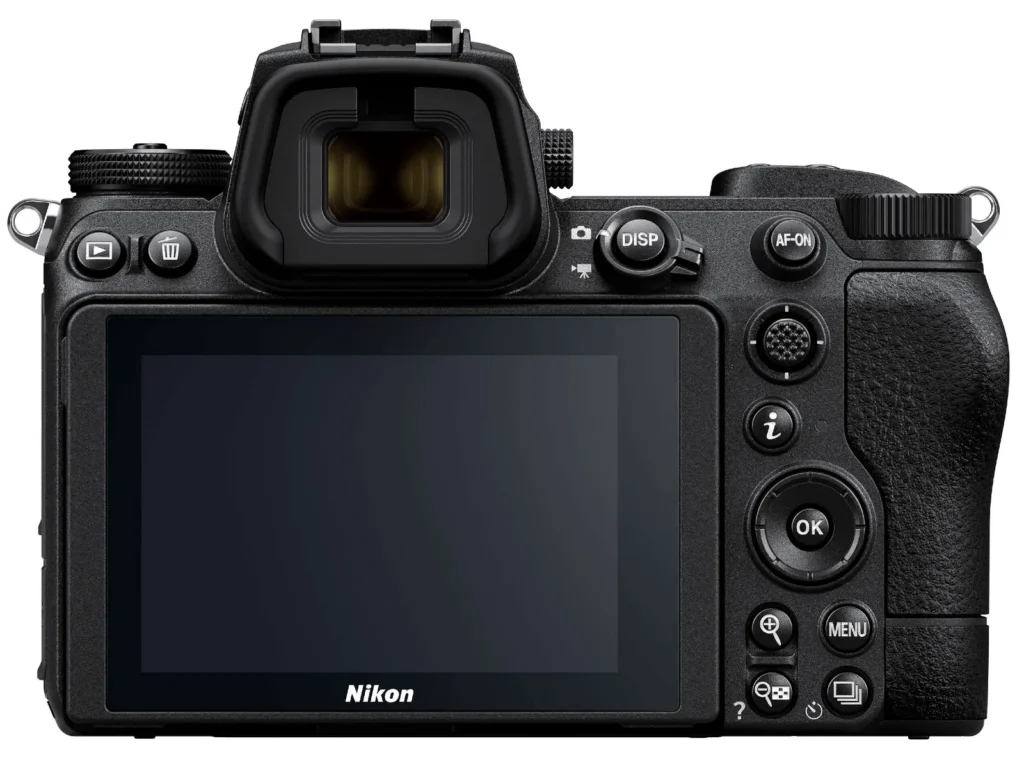
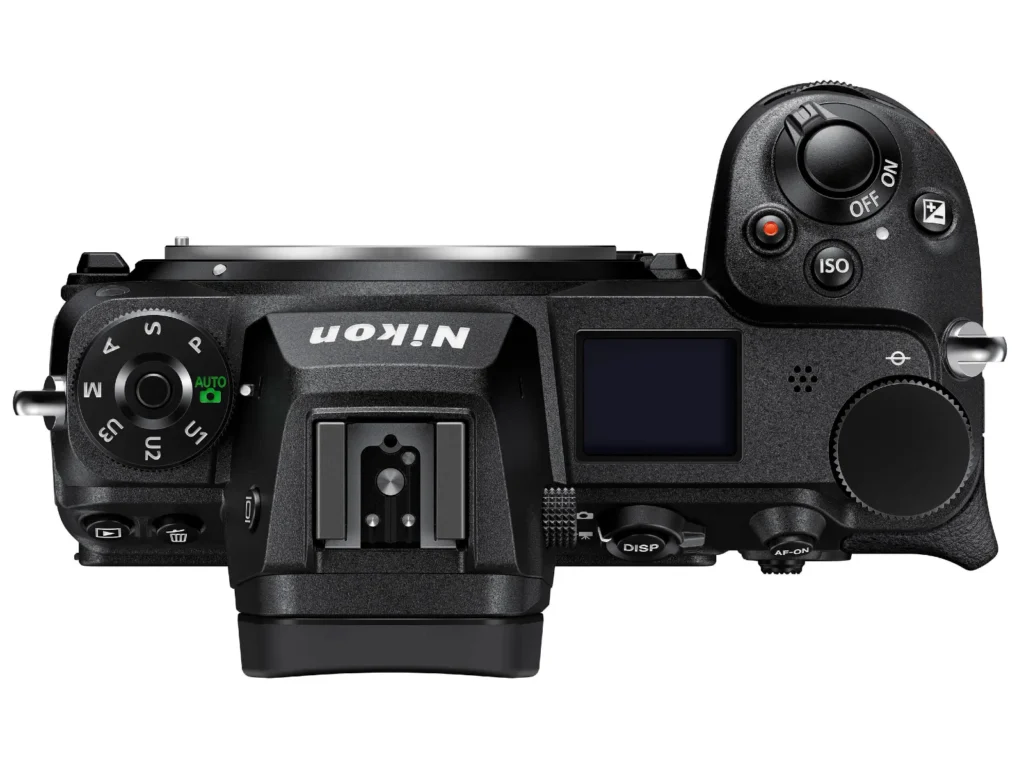
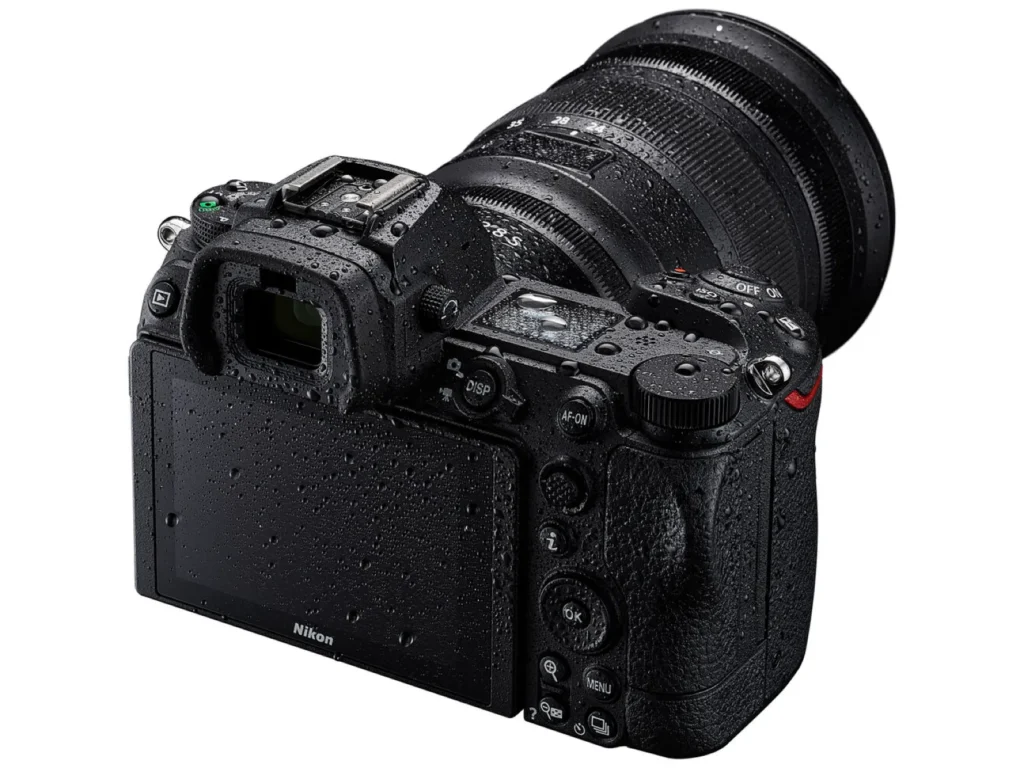
The body is similar to the Z6 and Z7, featuring a magnesium alloy construction, full weather sealing and a comfortable grip. Despite being a full-frame camera, it remains compact enough for everyday shooting.
In-body 5-axis image stabilization provides up to approximately 5 stops of shake reduction in testing, benefiting both handheld stills and video.
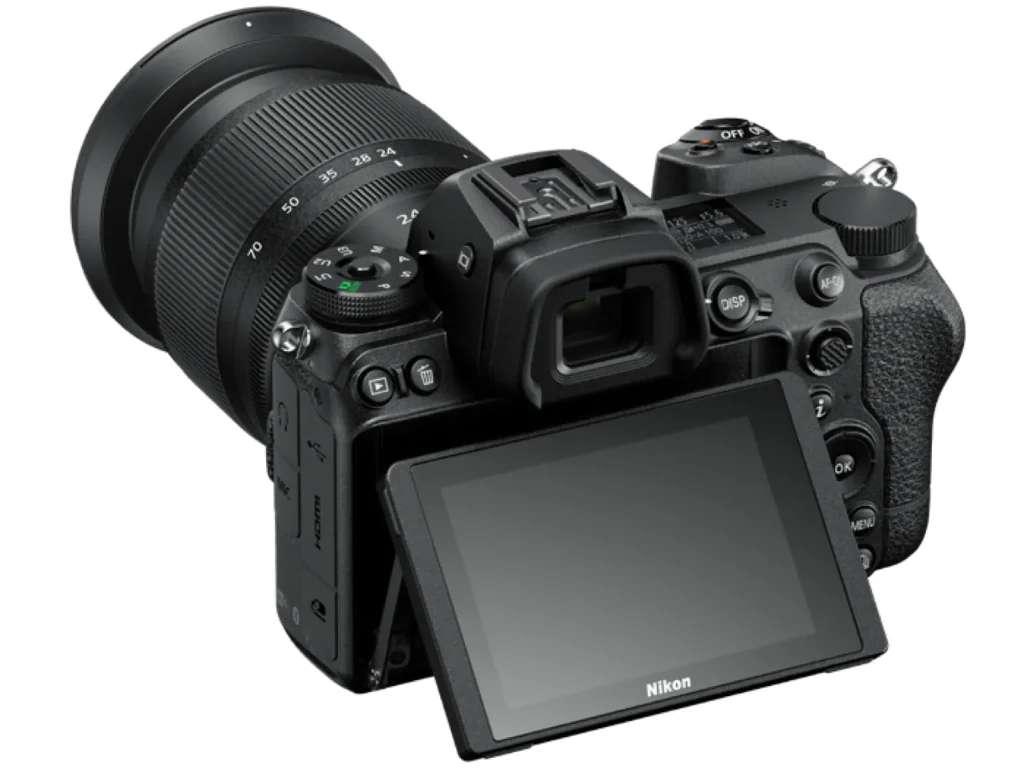
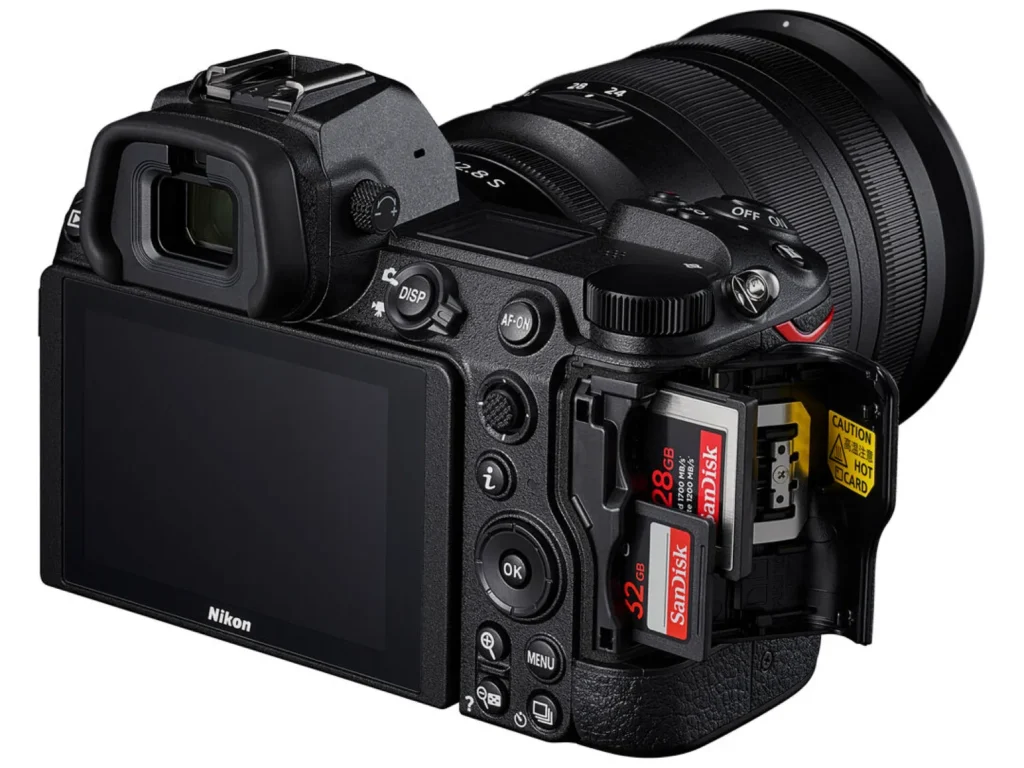
The addition of dual card slots (one SD and one CFexpress) makes the Z7 II a practical camera for professional photographers and videographers. The lack of a fully articulating screen makes the camera less appealing for solo video creators.
Autofocus
Nikon Z7 II still uses a 493-point hybrid autofocus system that covers approximately 90% of the frame, but autofocus performance is significantly improved over the original Z7.
Eye-detection AF performs well and the camera tracks subjects better than the Z7. Low-light AF performance is also improved.
While quite fast and reliable, the AF system still doesn’t match the speed, consistency or subject-tracking performance of newer Nikon models with EXPEED 7 processors. That said, if you don’t require the most advanced subject tracking for fast-paced situations such as sports, autofocus performance won’t be an issue in the slightest.
It’s important to keep the firmware up to date, since the improvement in AF performance is substantial.
Photography
Image quality is excellent, with strong dynamic range, natural color rendering and clean high-ISO performance. The level of detail is impressive, though the large file sizes demand more storage.
Shutter options include mechanical, electronic front-curtain (EFCS) and fully electronic (silent) shutter modes.
The Z7 II can shoot at up to about 9 fps in 14-bit RAW and up to 10 fps in 12-bit RAW. Autofocus performance is reduced in these high-speed shooting modes (according to Nikon some AF modes are restricted or less effective and you will often get the best performance with single-point AF). If this feels restricted and you want full AF performance, you will need to drop down to about 5.5 fps due to the processing demands of the high-resolution sensor just like with the original Z7.
The buffer is significantly improved allowing up to around 7 seconds of uninterrupted shooting before slowing down to about 1-2 fps.
You can choose whether to save photos to a slower SD card, a faster CFexpress card or both. Saving files to a slower SD card can negatively impact the buffer and clearing time.
Using the electronic shutter while photographing fast-moving subjects results in visible rolling shutter distortion.
Video
The Z7 records 4K video at up to 30 fps without a crop. Oversampled 4K up to 30 fps is also available (downsampled from about 5K), but this comes with a 1.5x crop (aka Super 35/DX crop).
A key upgrade is the addition of 4K 60 fps recording, albeit with a slight crop around 1.08x.
Full HD (1080p) recording is available up to 120 fps.
Internal video recording is limited to 8-bit and there are no internal log profiles or RAW recording options. That said, Nikon’s built-in “Flat” profile is reportedly easy to work with in post-processing (of course can’t ever compete with RAW video recording models).
External 10-bit video recording over HDMI is available.
Support for external 12-bit RAW video recording over HDMI is available through a paid firmware upgrade. Keep in mind that enabling it requires both the paid upgrade and an external recorder, significantly increasing overall cost and complexity.
Unfortunately, the Z7 II keeps a strict 30-minute recording limit.
The Z7 and the Z7 II are clearly much more photography-oriented than video-centric. Strictly in terms of video performance, they fall far behind the Nikon Z6 line, whose lower-megapixel sensors are better suited for videography.
| Feature | NIKON Z7 II |
|---|---|
| Release Date | October 2020 |
| Megapixels | 45.7 MP |
| Image Resolution | 8256 × 5504 |
| Sensor Size | Full Frame |
| Sensor Type | BSI CMOS |
| Image Processor | Dual EXPEED 6 |
| IBIS | 5-Axis, 5 stops |
| Weather Sealing | Yes |
| Lens Mount | Nikon Z |
| Body Type | Mirrorless |
| PHOTO | |
| Native ISO | 64 – 25,600 |
| Expandable ISO | 32 – 102,400 |
| Shutter Speed | 1/8000 – 900s |
| Burst Rate (Mechanical) | 10 fps RAW |
| Burst Rate (Electronic) | 10 fps RAW |
| Buffer | ~ 70 RAW |
| Shutter Types | Mechanical, Electronic, EFCS |
| Silent Shooting | Yes (Electronic Shutter) |
| Exposure Compensation | ±5 EV |
| High-Res (Sensor Shift) | No |
| Pre-Capture Mode | No |
| VIDEO | |
| 4K Video | 4K 30fps (no cop) / 4K 30fps (1.5x crop, oversampled from 5K) |
| Max Frame Rate | 4K 60fps (1.08x crop) / 1080p 120fps |
| Bit Depth | 8-bit Internal / 12-bit External |
| Recording Limit | 29m 59s |
| Timelapse Recording | Yes |
| AUTOFOCUS | |
| AF System | Hybrid AF |
| AF Points | 493 |
| AF Coverage | ~ 90% Frame Coverage |
| AF Joystick | Yes |
| DISPLAY / VIEWFINDER | |
| Articulated Screen | Tilting |
| Touch Screen | Yes |
| LCD Size | 3.2" |
| LCD Resolution | 2,100,000 |
| EVF Resolution | 3,690,000 |
| EVF Refresh Rate | 60 fps |
| EVF Coverage | 100% |
| EVF Magnification | 0.8× |
| MORE INFO | |
| Card Slot 1 | XQD / CFexpress Type B |
| Card Slot 2 | SD (UHS-II) |
| Sensor Protection System | No |
| USB | Type C 3.1 |
| USB Charging | Yes |
| HDMI | Type C (Mini HDMI) |
| Microphone Port | 3.5 mm |
| Headphone Port | 3.5 mm |
| Built-in Flash | No |
| Built-in Microphone | Yes |
| Battery | EN-EL15c |
| Battery Life | 350 ~ 500 frames |
| Wi-Fi / Bluetooth | Yes |
| Dimensions | 134 × 101 × 70 mm |
| Weight | 705 g |
Nikon Z7 II Alternatives
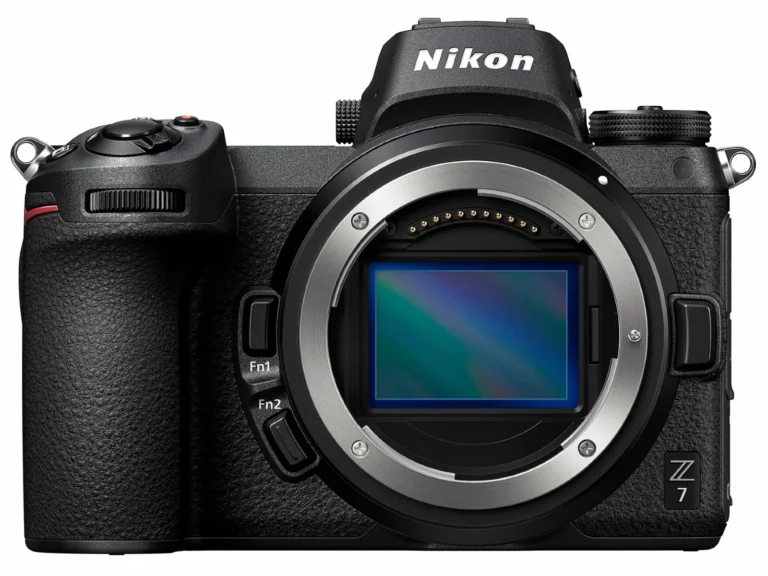
Nikon Z7
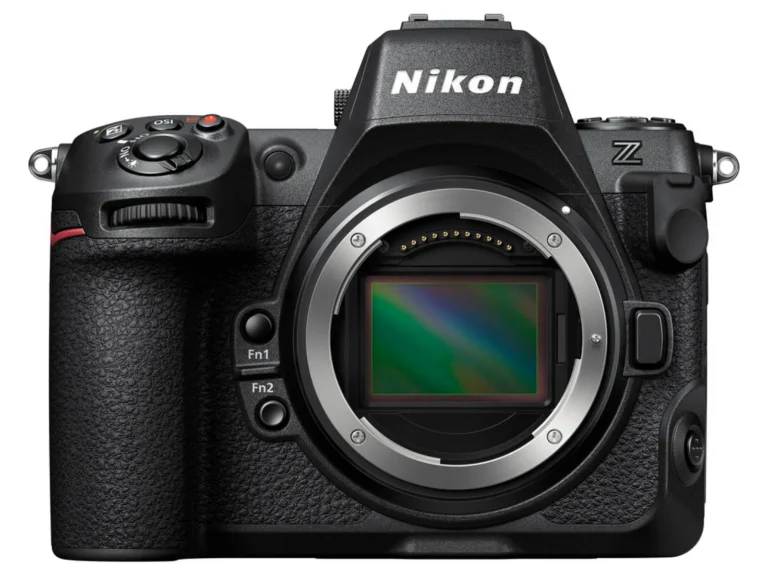
Nikon Z8
Nikon Z7 (2018) was Nikon’s original high-resolution option with the same 45 MP BSI sensor, but lacks many modern features found in the Z7 II. It has worse autofocus performance, a single card slot, worse continuous shooting performance and doesn’t offer 4K 60 fps video recording. A used Z7 may still appeal to budget-conscious photographers who prioritize resolution above all else and primarily shoot controlled subjects since image quality, color science and dynamic range remain just as excellent as on the Z7 II.
Nikon Z8 (2023) sits much higher in Nikon’s lineup and is effectively the flagship Z9 in a smaller body. It uses a 45 MP stacked sensor paired with the EXPEED 7 processor, delivering class-leading autofocus performance with advanced subject detection, blackout-free 20 fps shooting and extremely fast sensor readout, effectively eliminating the need for a mechanical shutter. It can record 8K 60 fps in 12-bit N-RAW, 4K up to 120 fps and oversampled 4K 60 fps. It can shoot at up to 20 fps in RAW, 30 fps in full-resolution JPEG and up to 120 fps in 11 MP JPEG. Buffer performance is extremely strong and the Z8 can shoot at 20 fps for approximately 1,000 frames (50 seconds) without viewfinder blackout.
The Z8 is aimed squarely at professionals who need maximum performance for sports, wildlife, event or high-end video work. It is significantly more expensive than the Z7 II.
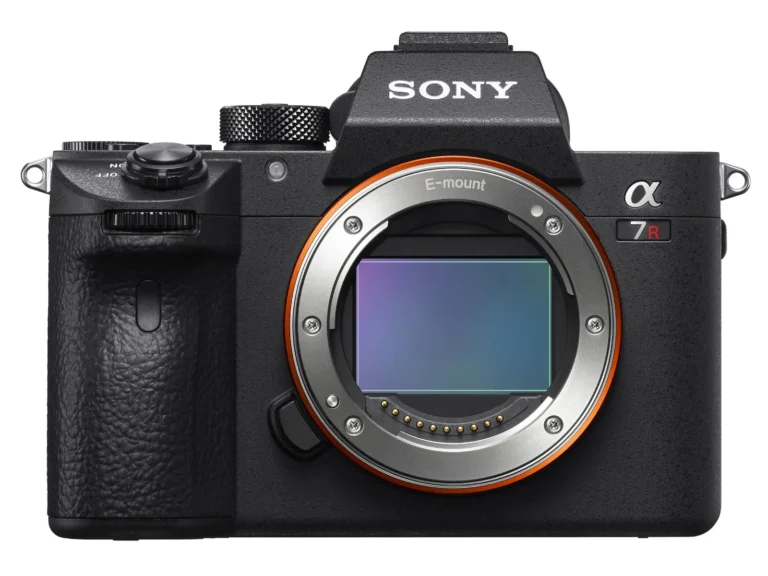
Sony A7R III
Sony A7R III (2017) uses a 42 MP BSI sensor. It was Sony’s closest competitor to the Nikon Z7 and Z7 II, but it’s no longer in production. It offered dual card slots, 6 fps RAW shooting (10 fps compressed RAW), 4K 30 fps recording and oversampled 4K 30 fps recording with a 1.5x crop (just like the Nikon Z7).
Sony A7R IV (2019, 61 MP) is almost $1000 more expensive than the Z7 II.
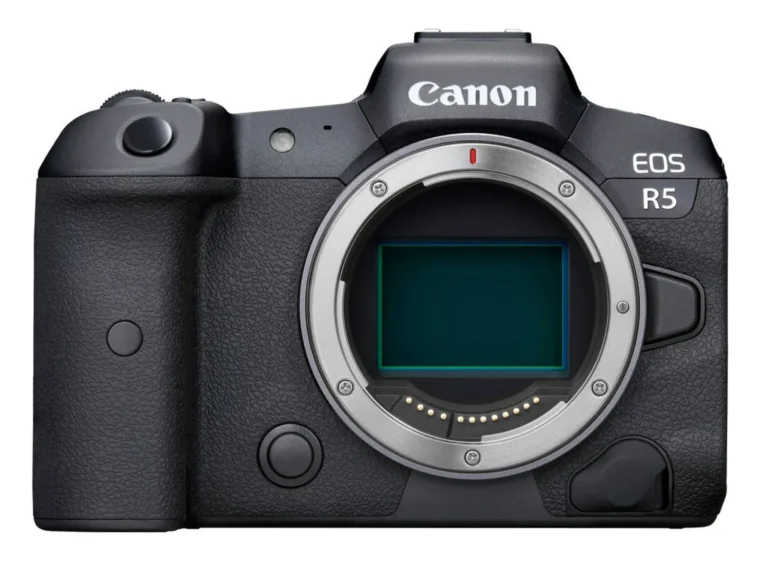
Canon R5
Canon R5 II
Canon EOS R5 (2020) was Canon’s closest competitor to the Z7 II. It used a 45 MP sensor and offered dual card slots, 12 fps continuous shooting (20 fps with the electronic shutter), oversampled 4K 30 fps recording and even 8K recording, but the camera overheated very quickly and it took forever to cool down.
It is more expansive than the Nikon Z7 II (roughly $500-$1000 more). The R5 is no longer in production, but it will still be offered as a new product for a while. It has been replaced by the Canon R5 Mark II.
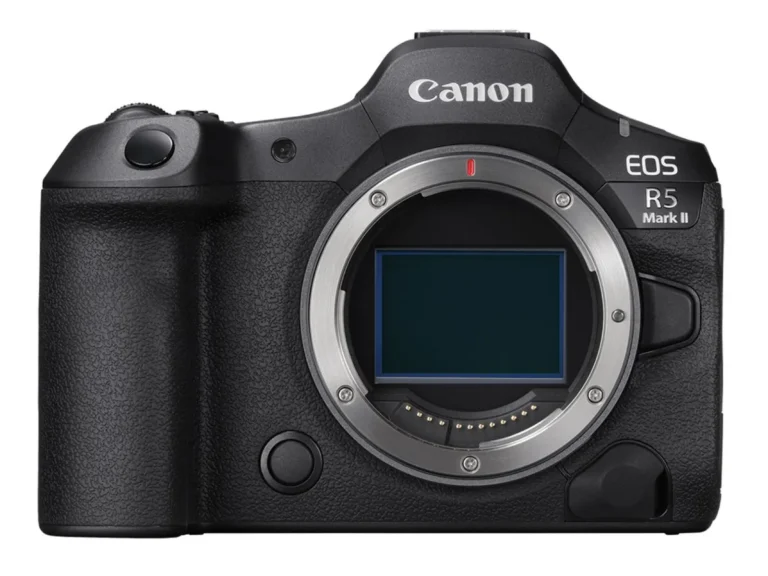
Canon EOS R5 II (2024) upgrades to a new 45 MP stacked sensor and adds a DIGIC Accelerator for faster processing and industry-leading autofocus performance. Just like the original R5, it captures highly detailed photos with excellent dynamic range, pleasing colors and good low-light performance, but with less rolling shutter distortion thanks to faster readout speeds. The R5 Mark II can shoot at up to 30 fps with the electronic shutter (12 fps mechanical) and it can record 8K 12-bit RAW video at up to 60 fps. There is no recording limit and heat management has been improved.
It is much more expensive than the previous model and costs almost double the price of the Nikon Z7 II. It is even more expensive than the ‘flagship’ Nikon Z8.
Nikon's 24 MP Alternatives
Nikon Z5 II
Nikon Z6 III
Compared to the Z7 series, Nikon’s 24 MP cameras (Z6, Z6 II, Z6 III and Z5 II) offer better autofocus performance, much faster high-speed continuous shooting, a deeper buffer and more video recording options since lower-megapixel sensors are better suited for videography. The Z7, of course, delivers much higher-resolution still images that cannot be matched by a 24 MP sensor.
Nikon Z6 (2018), Z6 II (2020) and Z5 II (2025) all use the same 24 MP BSI sensor. Nikon Z5 II is the most recent model and the only one that uses a faster EXPEED 7 processor.
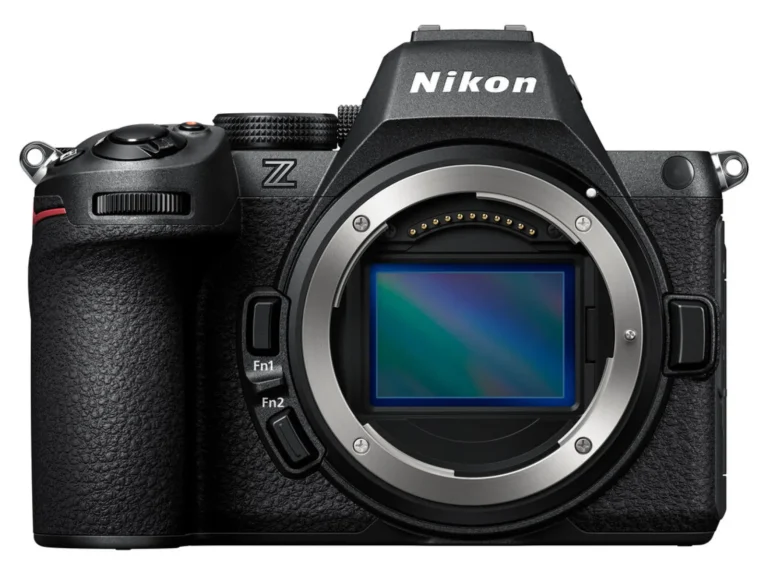
Nikon Z5 II (2025) features a 24 MP BSI sensor paired with Nikon’s EXPEED 7 processor (the same processor used in the the Z6 III, Z8 and Z9) resulting in much better autofocus performance compared to Z6 or Z6 II. It can shoot at up to 11 fps in RAW with the mechanical shutter (14 fps JPEG), up to 14 fps RAW with the electronic shutter (30 fps JPEG) and it can record 4K video at 30 fps oversampled from 6K (internally in 12-bit RAW) and 4K at up to 60 fps with a 1.5x crop.
If maximum resolution isn’t essential, then the Z5 II is likely the best affordable entry point into Nikon’s full-frame Z system for anyone interested in photography or video.
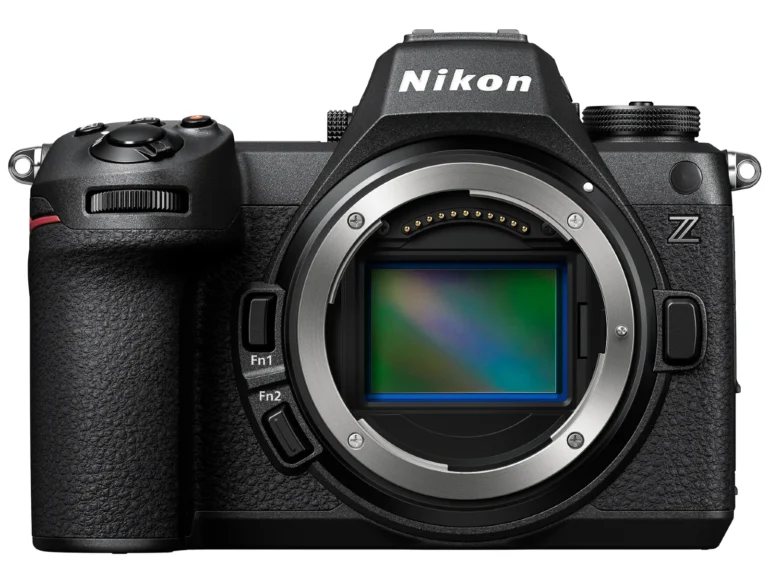
Nikon Z6 III (2024) is Nikon’s most advanced 24 MP camera, featuring a new partially stacked 24 MP sensor, an EXPEED 7 processor and class-leading autofocus and video capabilities including internal internal 6K 60 fps in 12-bit N-RAW recording. It can shoot at 14 fps RAW with a mechanical shutter and 20 fps RAW with an electronic shutter (up to 120 fps in JPEG). It costs about the same as the Nikon Z7 II.
Nikon Z7 II Price
Final Verdict
Nikon Z7 II was a huge upgrade over it’s predecessor. If you are looking for a high-resolution camera and you don’t prioritize video or high-speed shooting performance, look no further – the Z7 II is very affordable compared to high-resolution options from other brands and it has no direct competitor at this price.
Both the Z7 II and the original Z7 deliver equally excellent still-image quality. A used Z7 may still appeal to budget-conscious photographers who prioritize resolution and image quality above all else and primarily shoot controlled subjects, but the Z7 II improves on it in virtually every area.
The Z7 II is no longer Nikon’s newest high-resolution model, but the flagship Z8 is significantly more expensive. On the other hand, if maximum resolution isn’t essential, more affordable 24 MP models like the Z5 II or even the Z6 III may represent better value.