
OM SYSTEM Cameras Explained
OM SYSTEM / OLYMPUS
In 2020 OLYMPUS sold its imaging division to Japan Industrial Partners (JIP). The new company became OM Digital Solutions in 2021. They continued making cameras but rebranded the line as OM SYSTEM. OM System cameras continue the Olympus tradition with a Micro Four Thirds sensor system, rugged weather sealed designs and class-leading IBIS.
This page provides an overview of all OM SYSTEM camera models.
MFT System
Olympus and OM System cameras use the Micro Four Thirds sensor (MFT or M4/3), which is even smaller than APS-C. They also use the Micro Four Thirds lens mount. This mount and sensor size are shared exclusively by OM System (formerly Olympus) and Panasonic LUMIX, meaning both brands are fully compatible with the same MFT lenses.
The smaller sensor enables faster readout speeds, highly reliable autofocus and excellent in-body image stabilization. However, it’s important to understand that in terms of pure image quality – especially low-light performance and dynamic range – Micro Four Thirds cameras generally fall behind similarly priced APS-C models and, of course, full-frame systems.
OM SYSTEM Cameras
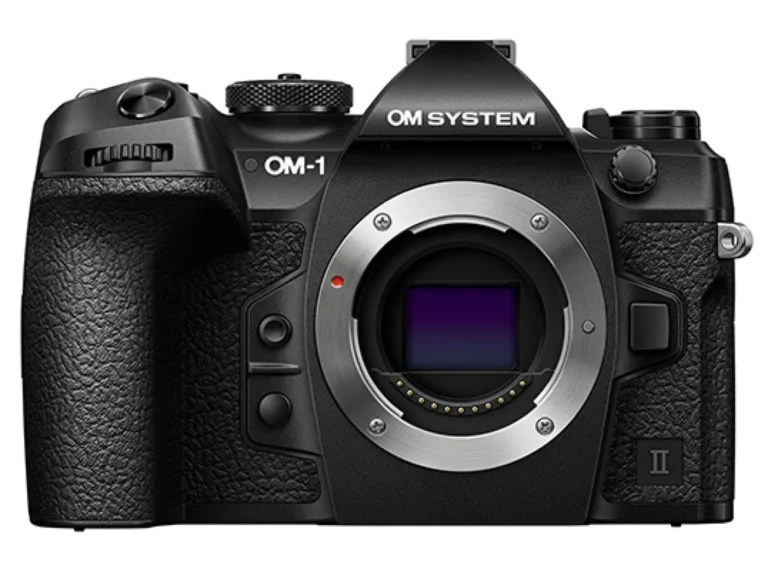
OM-1 II
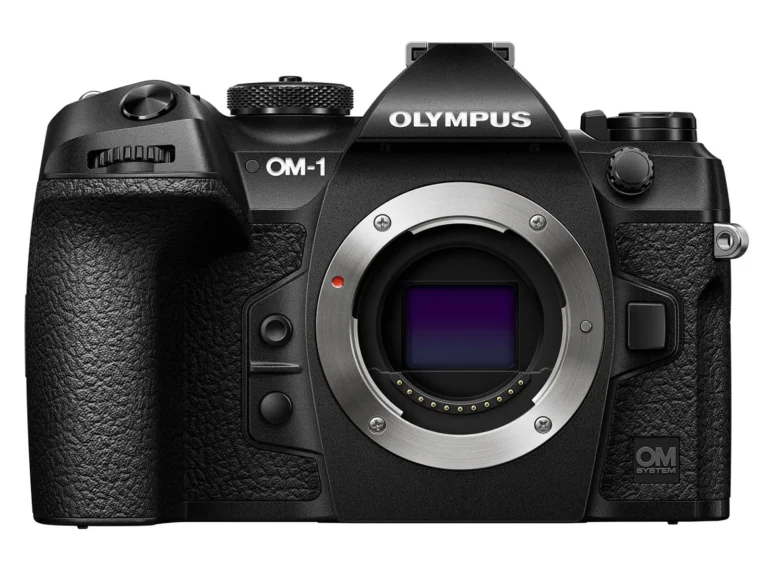
OM-1
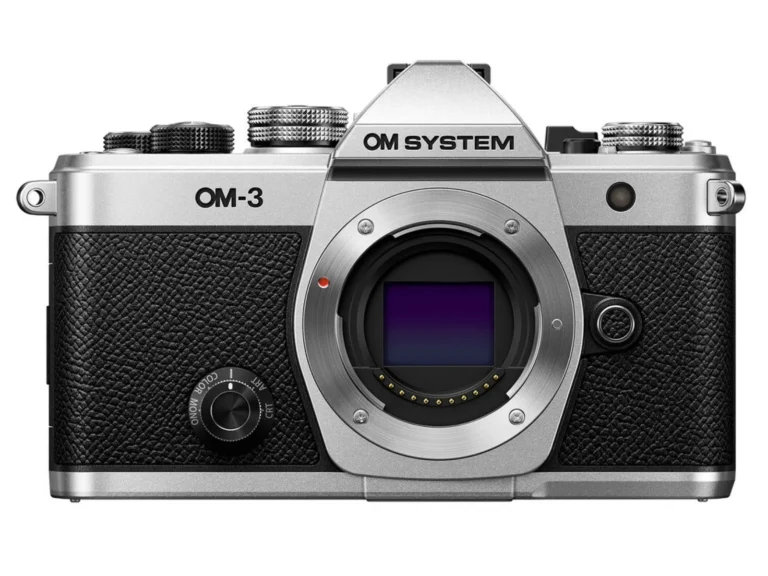
OM-3
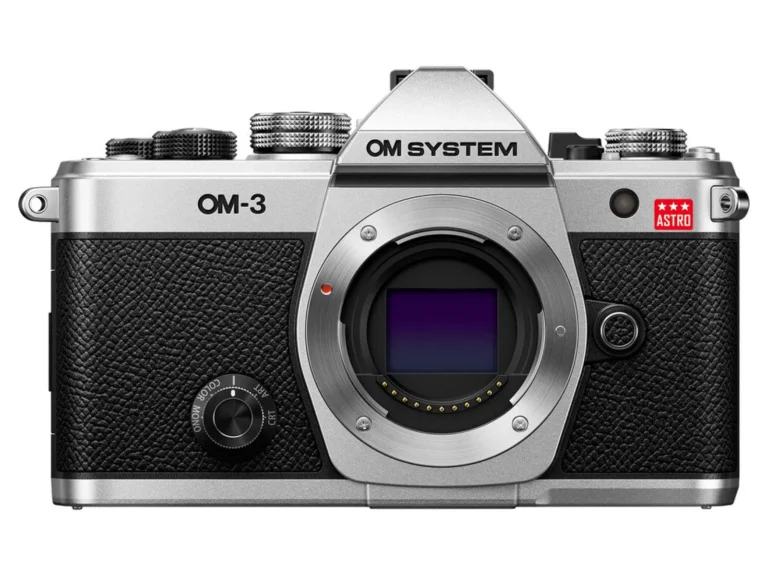
OM-3 ASTRO
The OM-1 (2022) was the first flagship OM System camera, featuring a 20 MP stacked sensor – the first stacked sensor ever used in a Micro Four Thirds camera. It offers extremely fast readout, top-tier autofocus with excellent subject detection, one of the best IBIS systems in the MFT class and industry-leading IP53 weather sealing. It can shoot up to 50 fps with AF tracking or 120 fps with locked settings, making it excellent for wildlife, sports and action work. It also offers Live ND filters (the camera composites multiple frames and creates a long exposure effect without requiring an external ND filter).
The OM-1 II (2024) – the new flagship – uses the same body and the same 20 MP stacked sensor. It offers better AF, higher dynamic range, a better buffer and even better IBIS. It also introduces Live GND filters (graduated ND filters).
The OM-3 (2025) is a more affordable and compact version of the OM-1 II, using the same 20 MP stacked sensor and the same processor. This means it offers the same image quality, excellent autofocus, high-speed shooting and video performance. However, it lowers costs with weaker IBIS, a less durable body, a lower resolution EVF and a single card slot.
The OM-3 Astro (2026) is a modified version of the OM-3 designed for astrophotography (with an RI-cut filter for capturing Hα light).
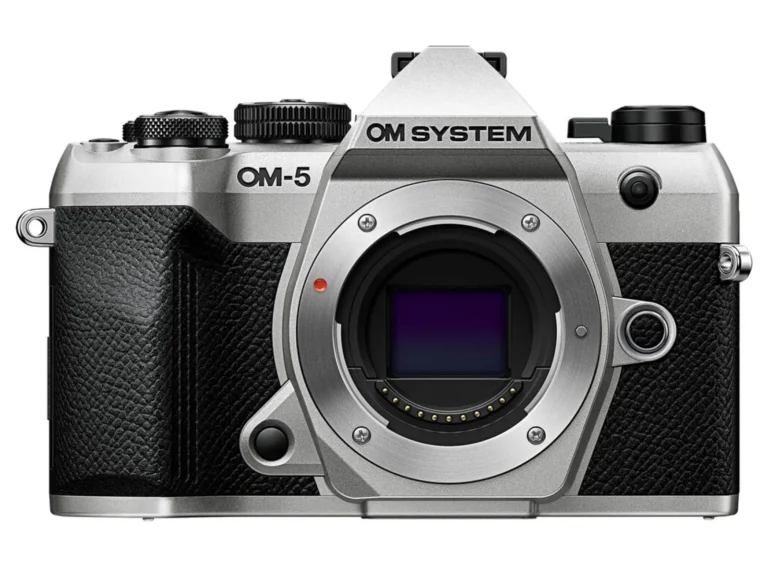
OM-5 II
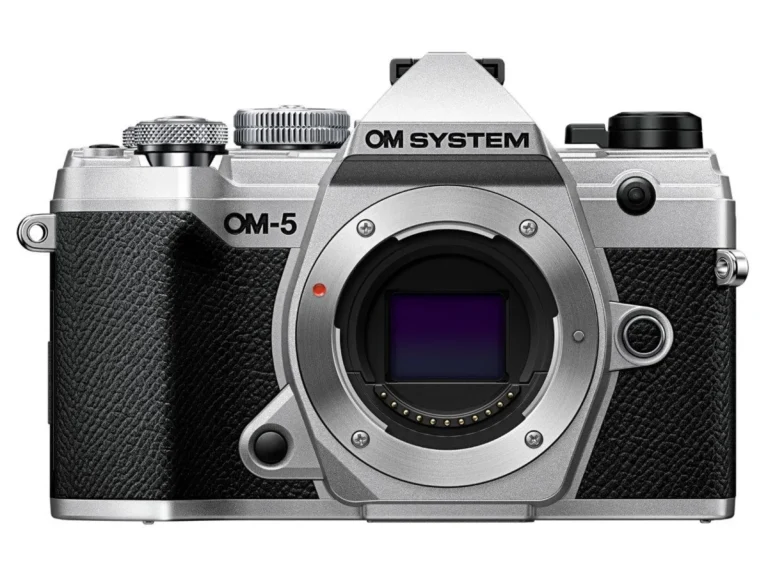
OM-5
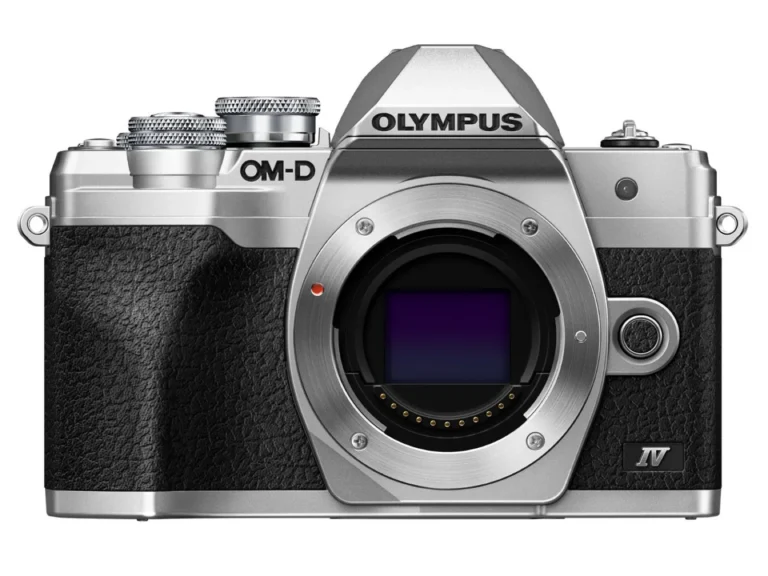
E-M10 IV
The OM-5 (2022) is a compact, lightweight entry-level camera with an older 20 MP sensor and an older processor. It has a smaller battery, a single SD card slot and an older menu system, but still delivers strong weather sealing, solid IBIS performance and useful features like Live ND filters.
The OM-5 II (2025) is a slight upgrade with a more modern menu system, USB-C connectivity and a slightly larger grip.
The Olympus OM-D E-M10 Mark IV (2020) is an entry-level model released before the brand fully transitioned to OM System, still carrying the Olympus name. It uses an older 20 MP sensor, features a tilting screen, weaker IBIS, includes only one card slot and lacks weather sealing.
| OM System OM-1 II | OM System OM-1 | OM System OM-3 | OM System OM-5 II | OM System OM-5 | Olympus E-M10 IV | |
|---|---|---|---|---|---|---|
| Release | 2024 | 2022 | 2025 | 2025 | 2022 | 2020 |
| Sensor | 20.4 MP | 20.4 MP | 20.4 MP | 20 MP | 20 MP | 20 MP |
| Processor | TruePic X | TruePic X | TruePic X | TruePic IX | TruePic IX | TruePic VIII |
| IBIS | 5-axis (8.5 stops) | 5-axis (7 stops) | 5-axis (6.5 stops) | 5-axis (7.5 stops) | 5-axis (7.5 stops) | 5-axis (4.5 stops) |
| Weather Sealing | Yes | Yes | Yes | Yes | Yes | No |
| Screen Type | Articulated | Articulated | Articulated | Articulated | Articulated | Tilting |
| LCD Resolution | 1.62 M | 1.62 M | 1.62 M | 1.04 M | 1.04 M | 1.04 M |
| EVF Resolution | 5.76 M | 5.76 M | 2.36 M | 2.36 M | 2.36 M | 2.36 M |
| SD Card Slots | 2 SD (UHS-II) | 2 SD (UHS-II) | 1 SD (UHS-II) | 1 SD (UHS-II) | 1 SD (UHS-II) | 1 SD (UHS-II) |
| Continuous Shooting | up to 120 fps | up to 120 fps | up to 120 fps | up to 30 fps | up to 30 fps | up to 15 fps |
| Max Recording | 4K 60p | 4K 60p | 4K 60p | 4K 30p | 4K 30p | 4K 30p |