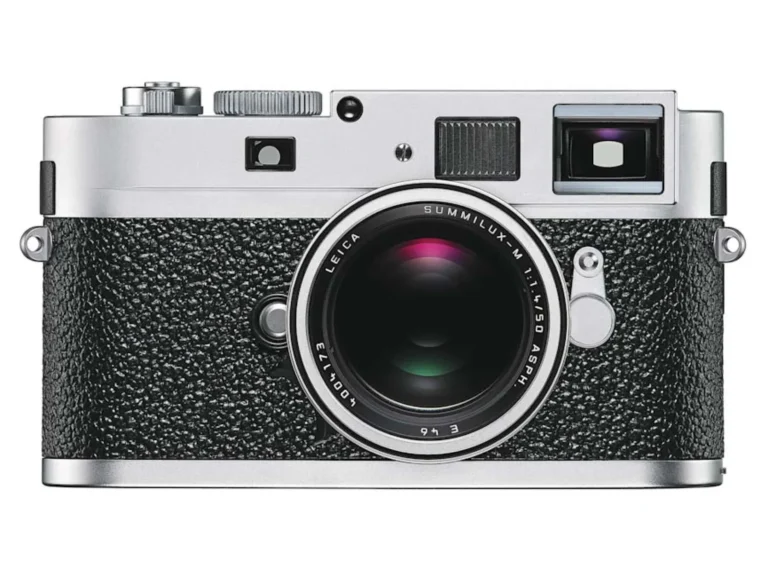
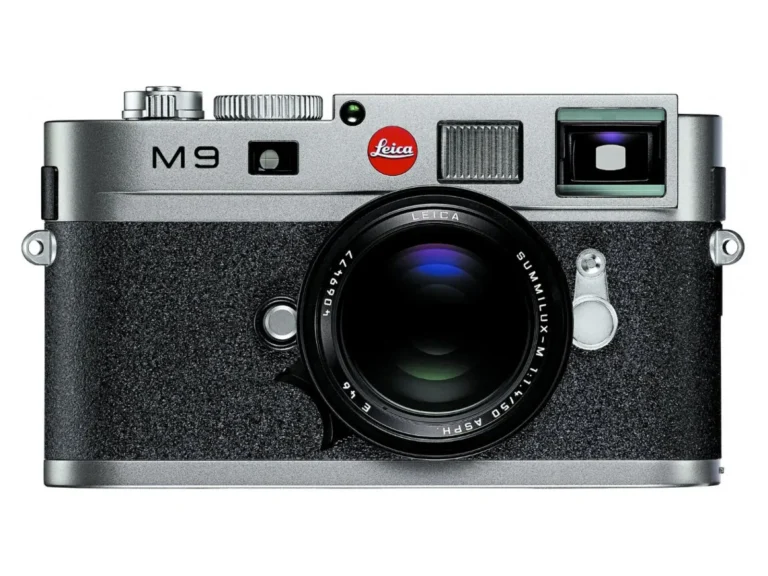
Leica is one of the most iconic and prestigious camera manufacturers in the world with a long legacy stretching back more than a century. Leica cameras are known for minimalist design philosophy, exceptional optical quality, high-megapixel sensors and – lets be honest – extremely high prices. Over the years Leica produced many different camera systems. These are the most important:
– Leica SL System – Full-Frame mirrorless flagship cameras (L Mount) – Leica Q Series – Full-Frame cameras with a fixed lens (the same sensors as the SL series, but a fixed lens)
– Leica M System (Film) – Film cameras (M Mount) – Leica M System (Digital) – Full-Frame digital cameras (M Mount) – with a rangefinder (without AF)
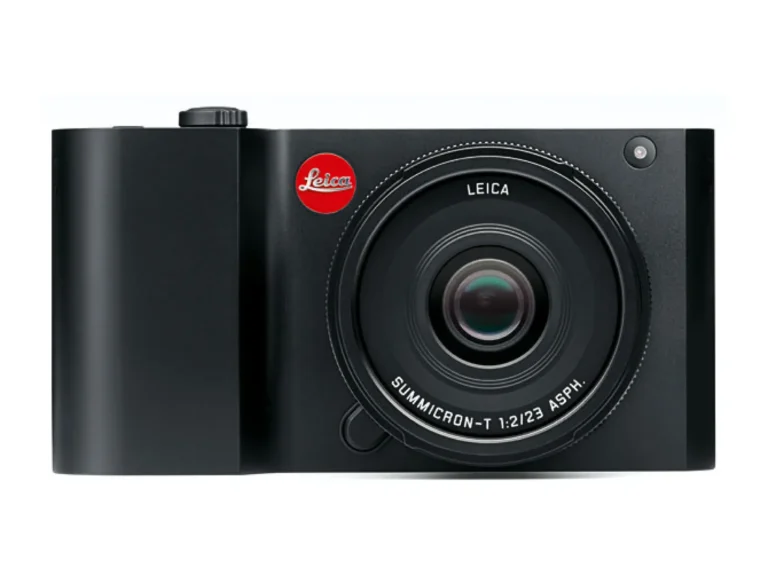
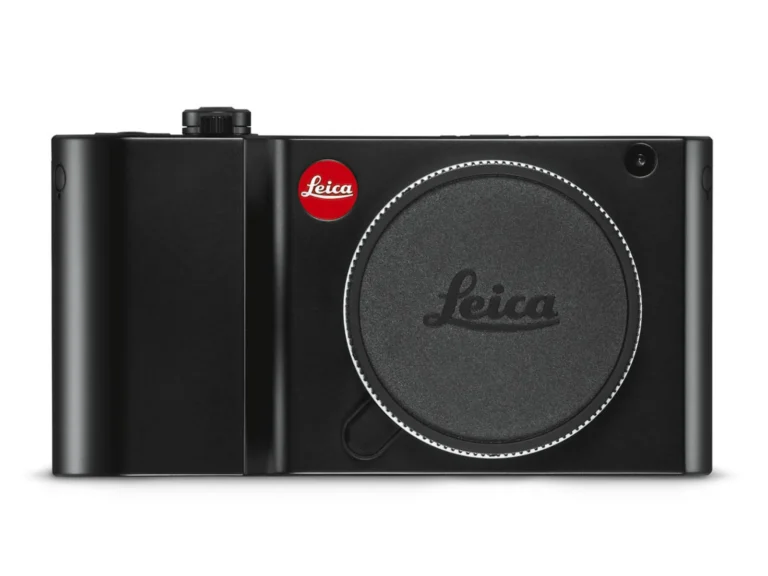
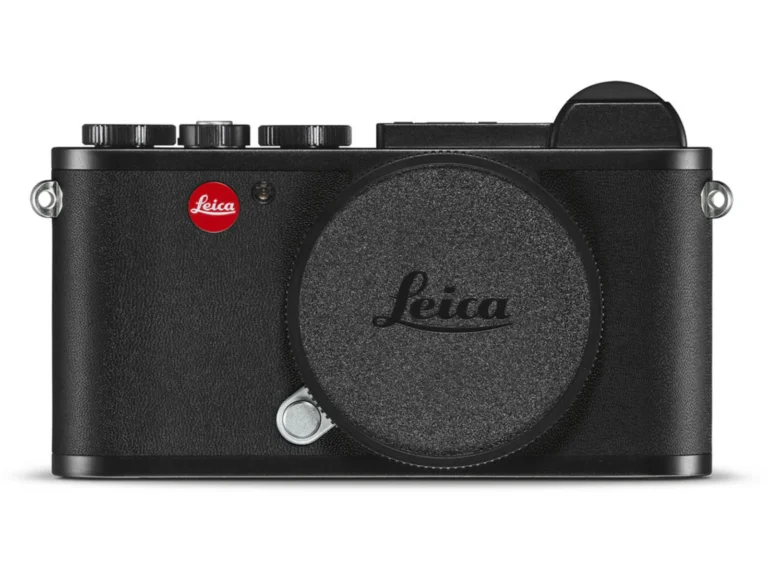
– Leica Lux Series – Premium compact cameras with smaller sensors and fixed zoom lenses – Leica TL, CL System – Mirrorless APS-C cameras using the L Mount (discontinued)
Leica SL System - Full-Frame
Leica SL System represents Leica Full-Frame Mirrorless Cameras build around the L-mount.
The L-Mount Alliance – led by Leica with partners Panasonic and Sigma – shares one unified lens mount across multiple brands. This allows photographers to mix and match cameras and lenses freely, with full compatibility and functionality. The result is a flexible, cross-brand system offering a wide range of bodies and lenses without compromise.
The SL line focuses on professional performance and exceptional build quality. All cameras feature weather sealing, dual card slots, 4K video and (with the exception of the first SL) IBIS. They have been criticized for heavy bodies, occasional firmware bugs, mediocre battery life, mediocre autofocus performance and of course high prices.
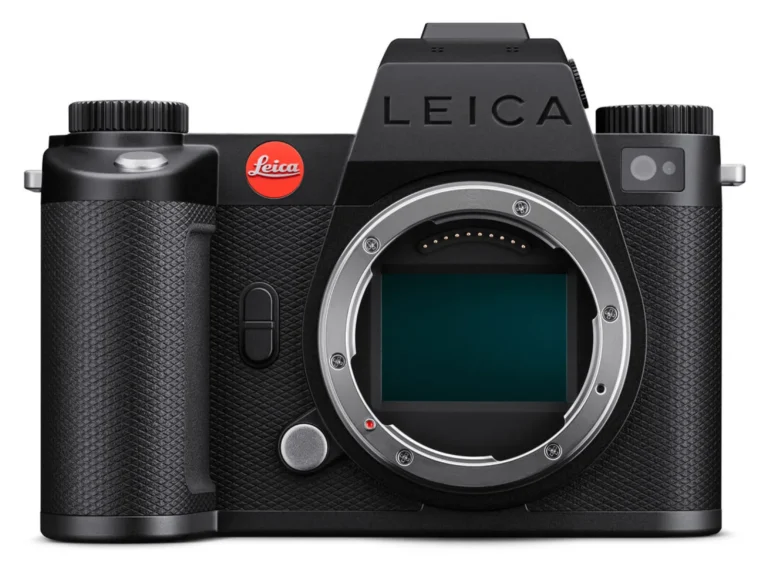
SL3-S
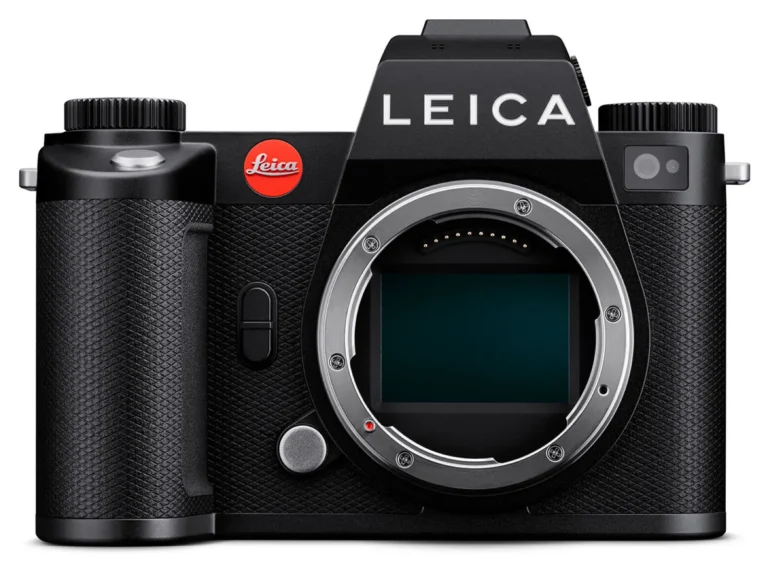
SL3
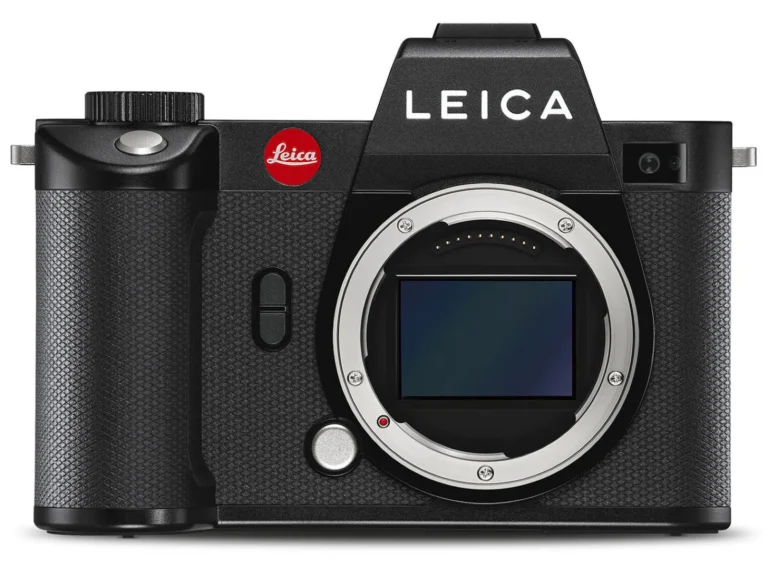
SL2-S
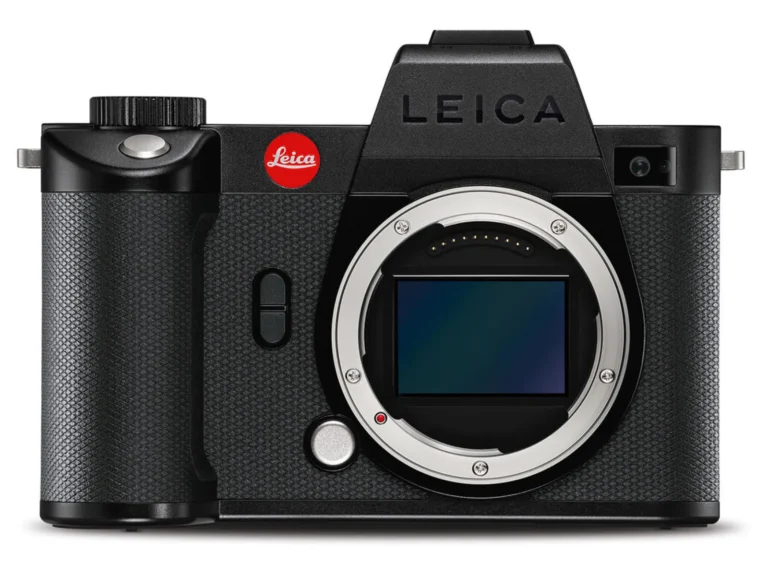
SL2
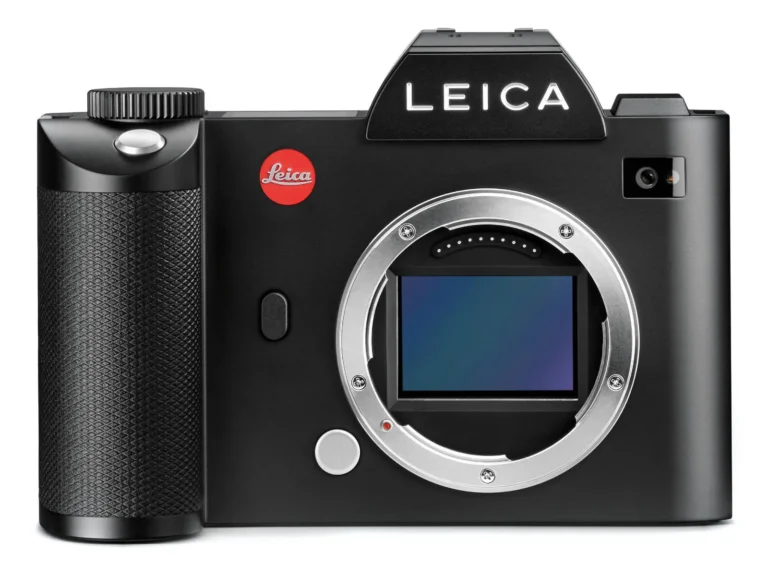
SL
The original Leica SL (2015), also known as the SL Typ 601, seems outdated when compared to all the newer models. It still provides good quality photos with good dynamic range and pleasing colors. It was criticized for a large and heavy body, outdated autofocus and poor burst performance.
Leica SL2 (2019) was a huge leap forward with 47 MP sensor, introduction of IBIS and a robust build. It was known to perform well for photo and video workflows, but autofocus slows down during high FPS burst shooting.
Leica SL2-S (2020) is a hybrid / video-focused version of the SL2 with way better low-light performance.
Leica SL3 (2024) features a new 62 MP BSI sensor with great low-light performance.
Leica SL3-S (2025) is a hybrid / video-focused version of the SL3 with a new 24 MP stacked sensor. It offers excellent hybrid performance for both photo and video.
Leica Q System - Full-Frame
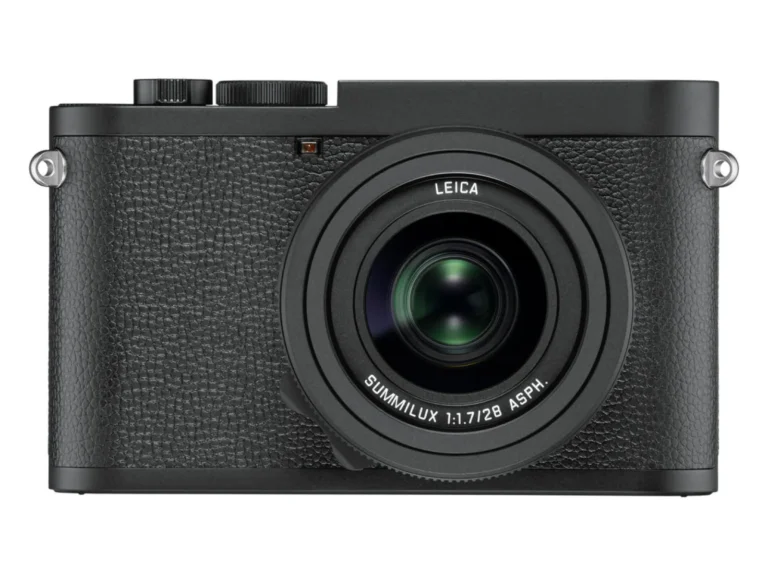
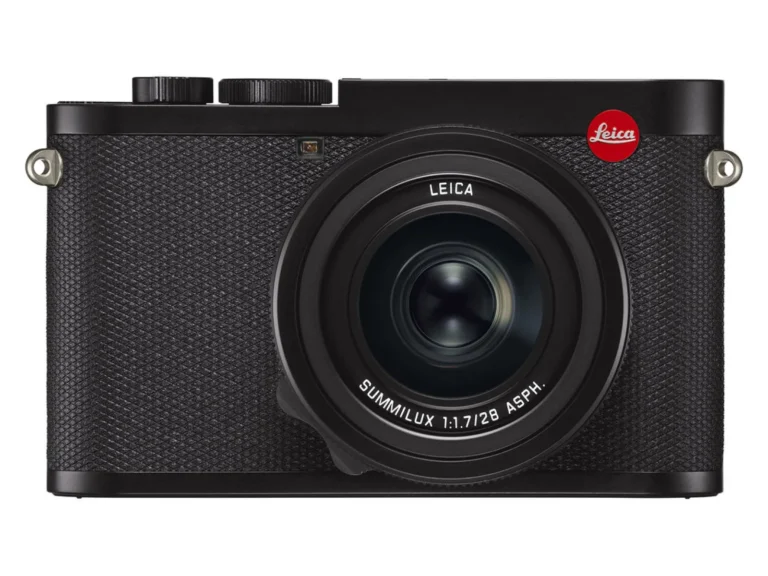
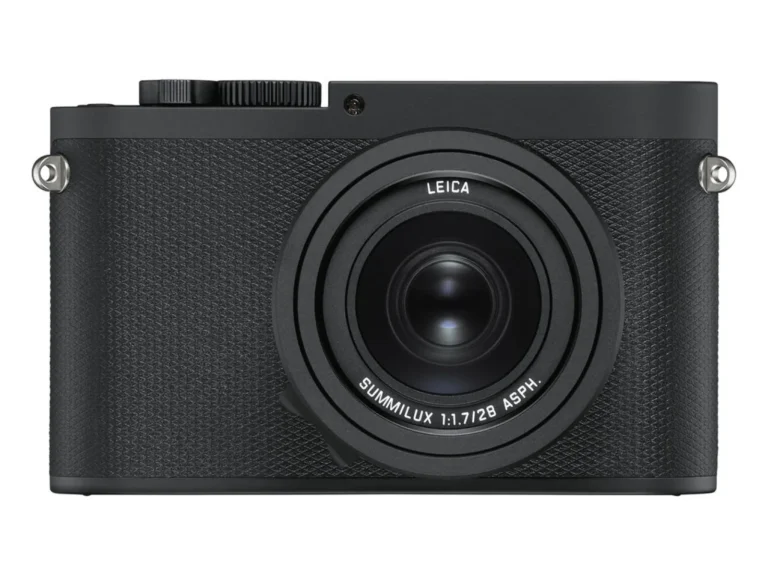
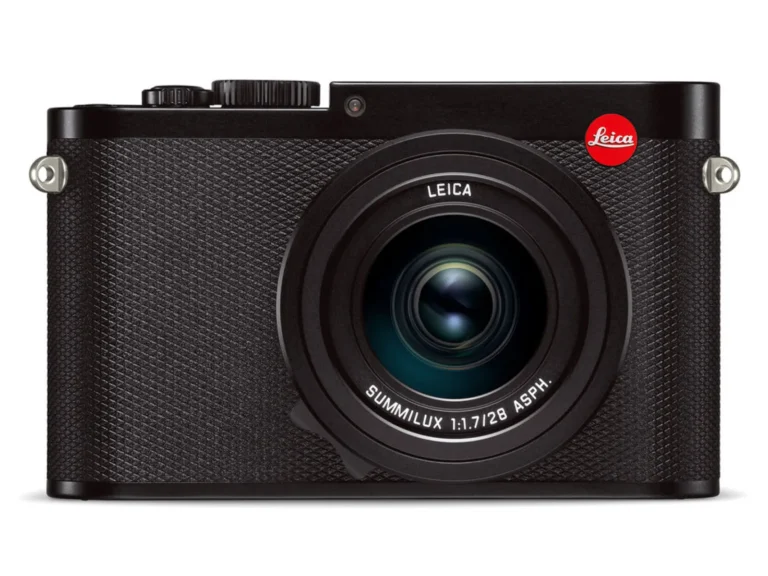
Leica Q series cameras have full-frame sensors and a fixed lens (usually 28 mm f/1.7 Summilux lens).
They’re designed for photographers who want unmatched image quality, great low-light performance and a high-end build in a compact camera. Over its generations, the Q family has evolved significantly – improving resolution, low‑light performance, video features and more. All Leica Q cameras have a single SD card slot and no IBIS.
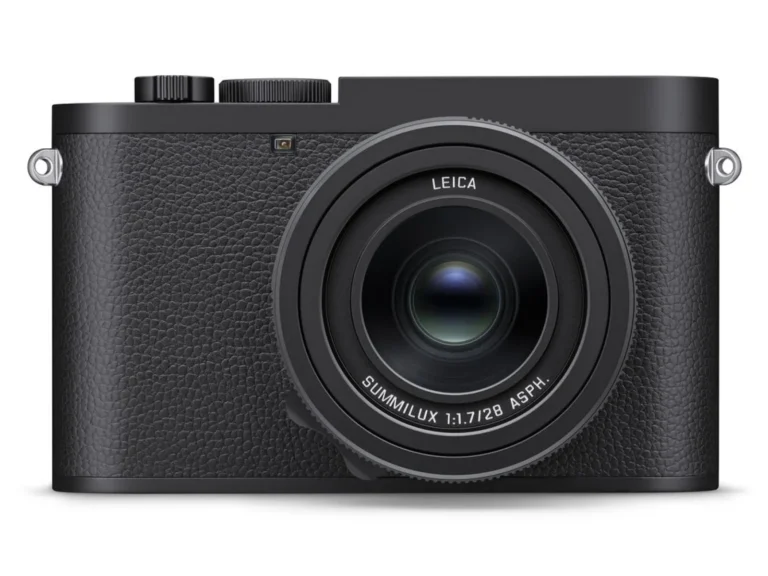
Q3 Mono.
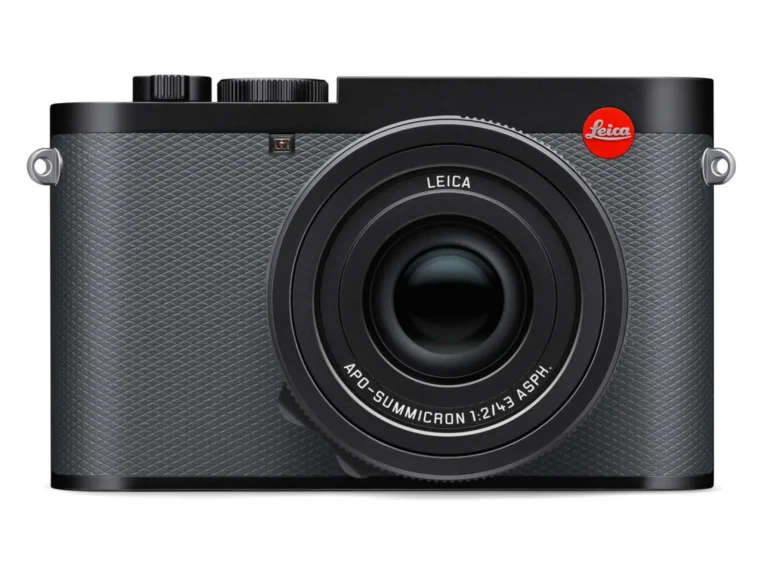
Q3 43
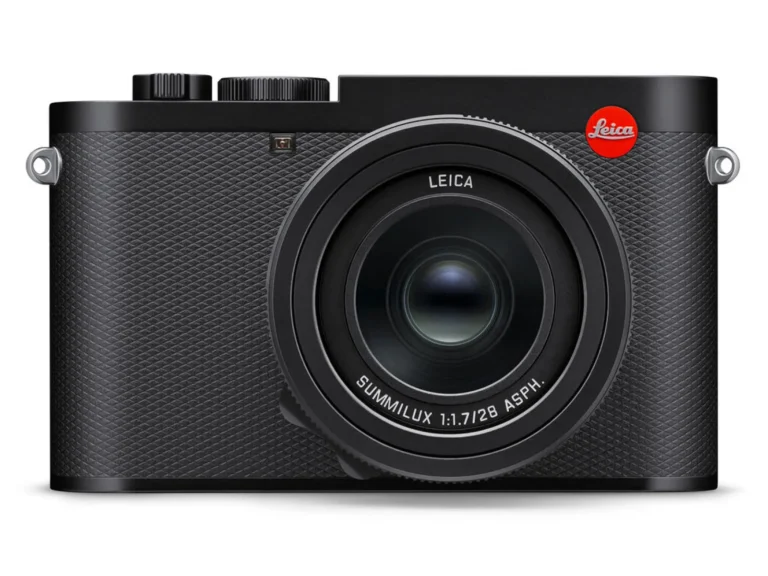
Q3
Q2 Mono.
Q2
Q-P
Q
The original Leica Q (2015), also known as the Q Typ 116, has an older 24 MP sensor, an older Maestro II processor, outdated AF performance, occasional firmware bugs and poor battery life.
Leica Q-P (2018) is a version of Leica Q in matt black body without the red Leica logo.
Leica Q2 (2019) upgrades to a new 47 MP sensor, introduces weather sealing, 4K video recording and a bigger battery. It keeps the same EVF, LCD and the same processor.
Leica Q2 Monochrome (2020) is a version of the Q2 with a 47 MP B&W sensor capable of only B&W photography. Low-light performance is excellent and photos are very detailed.
Leica Q3 (2023) upgrades to a new 60 MP sensor. It also introduces 8K video recording, a faster Maestro IV processor, a better EVF and a tilting screen.
Leica Q3 43 (2024) is a version of the Q3 that replaces the 28 mm lens with a 43 mm f/2 APO-Summicron Lens.
Leica Q3 Monochrome (2025) is a version of the Q3 with a 60 MP B&W sensor capable of only B&W photography. Low-light performance is excellent and photos are extremely detailed.
Leica M Series
Leica M series includes both Leica M film cameras and Leica M digital Full-Frame cameras. All models share lenses and use the Leica M-mount, which was introduced in 1954 with the Leica M3 film camera.
All Leica M cameras are manual-focus. Instead of a traditional viewfinder, they use a rangefinder, which helps you focus by showing two overlapping images. You simply turn the focus ring on the lens until those images align, giving you precise manual focus.
Leica M Film Cameras
Leica M film cameras trace their origins to 1954, when Leica introduced the Leica M3. The M3 featured a bright, combined viewfinder/rangefinder, a robust all-metal body and compatibility with Leica’s high-quality M-mount lenses.
Over the following decades, Leica expanded the M series with a thon of other models:
successors (production of the M3 was stopped in 1967): M4 (1967-1975), M5 (1971-75), CL (1973-1976), M4-2 (1977-1980), M4-P (1980-1986), M6 (1984-1998), M6J (1994), M6 0.85 (1998), M6 TTL (1998-2002), M7 (2002-2018)
Even today, the M3 and its successors are highly prized by collectors, celebrated for their precision engineering, distinctive Leica rendering and the tactile, deliberate shooting experience that only a true mechanical rangefinder can provide.
Successors still in production are the MP (2003), the M-A typ 127 (2014) and the M6 Re-Issue (2022).
Leica M Full-Frame Cameras
Leica M Series digital cameras carry the classic rangefinder design into the digital age. Like their film predecessors, they are all manual-focus cameras with a rangefinder and they keep full compatibility with M-mount lenses.
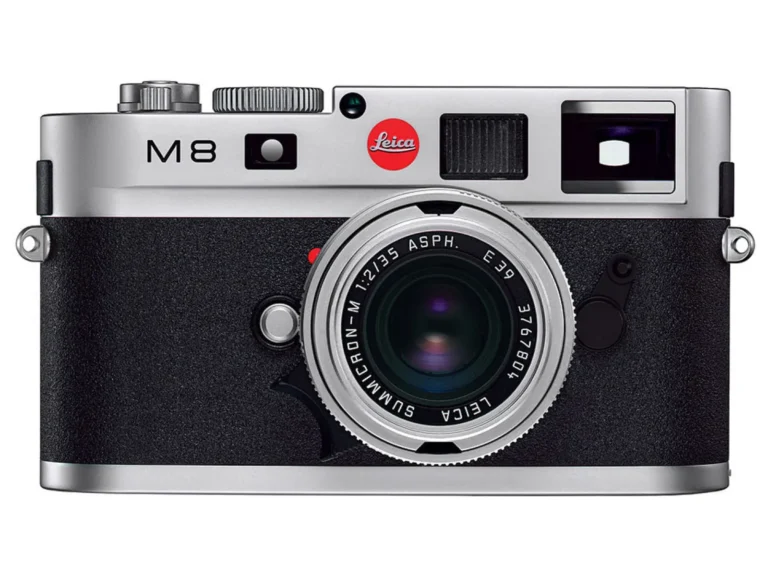
It all started with the Leica M8 in 2006. While the original Leica M8 and Leica M8.2 had the 10.3 MP APS-H sensor, all subsequent models have a Full-Frame sensor. Successors have progressively improved resolution, dynamic range, low-light performance and connectivity.
Leica M EV1, released in 2025, is the first and currently only M camera with an EVF.
Leica M11
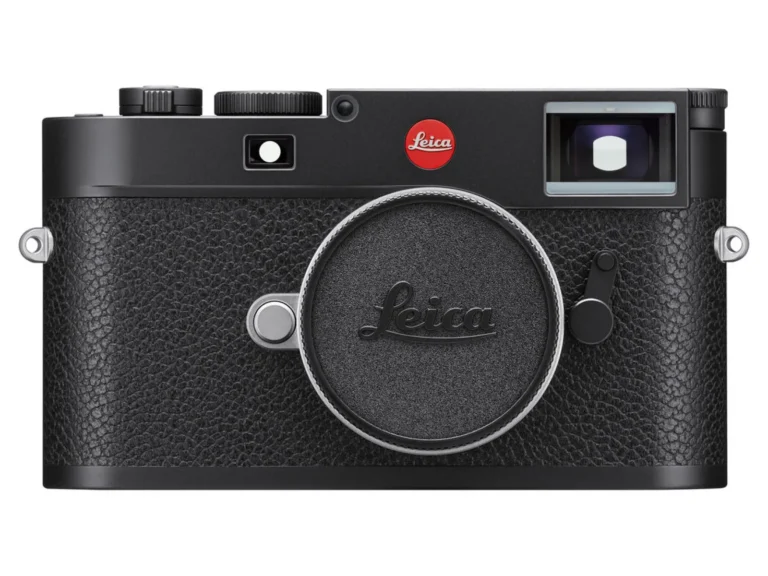
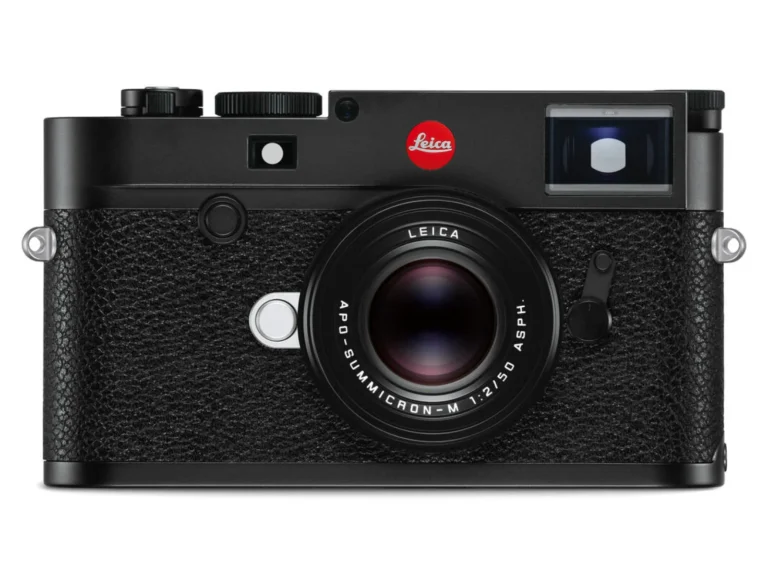
M11
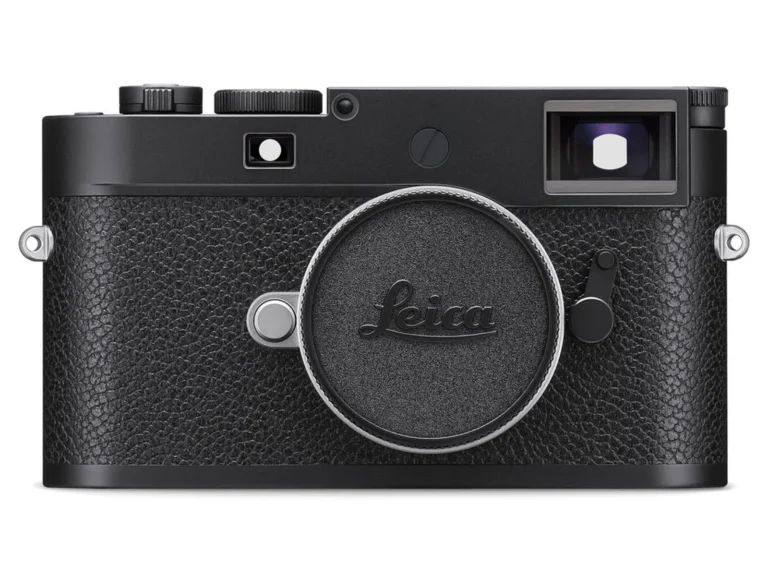
M11-P
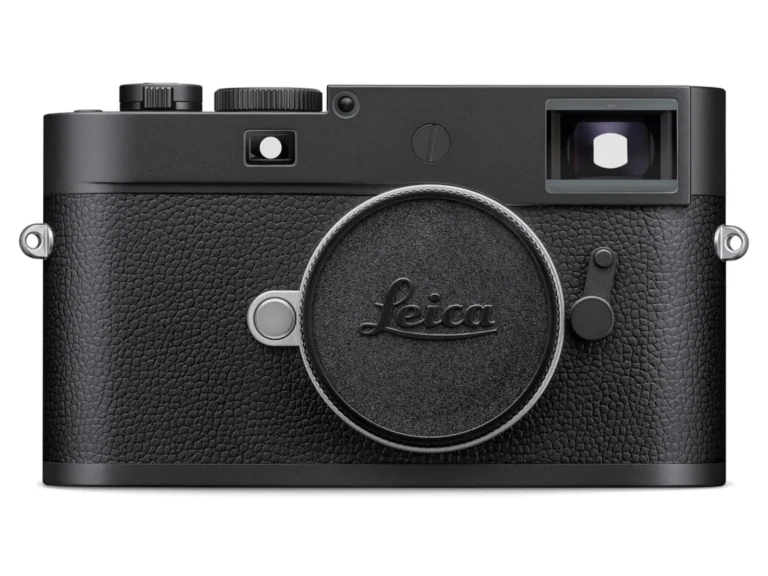
M11-D
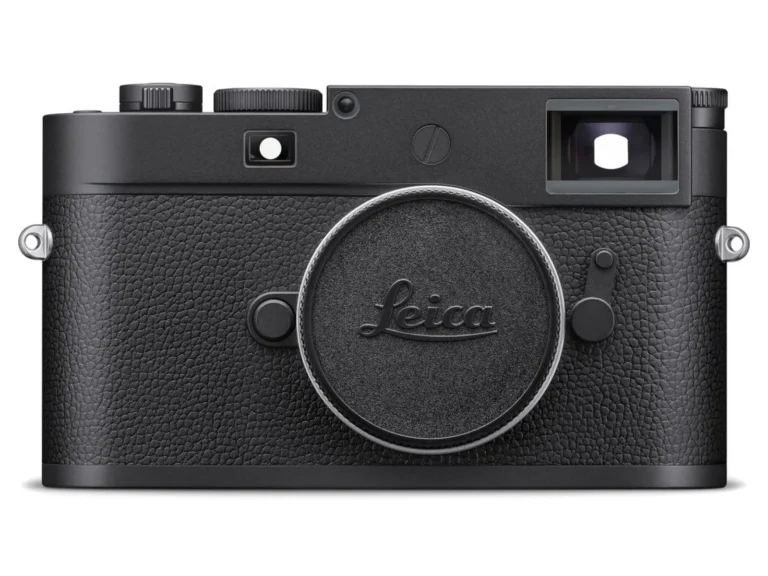
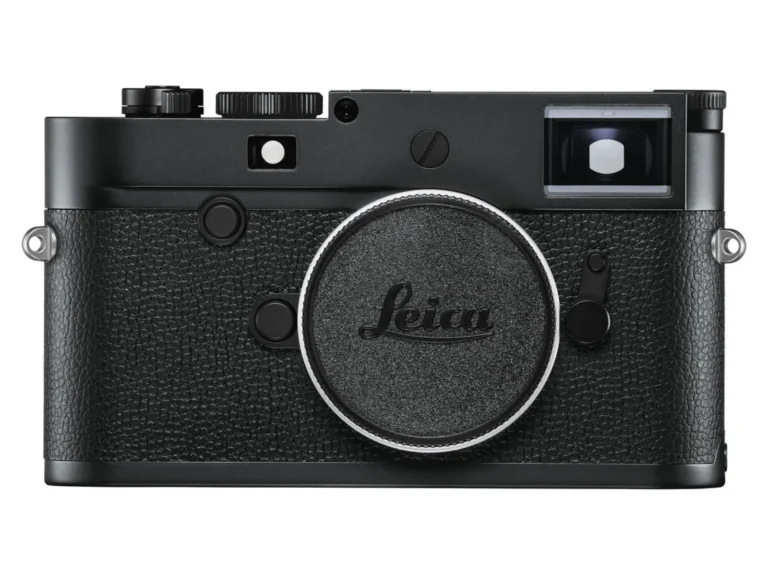
M11 Mono.
M EV1
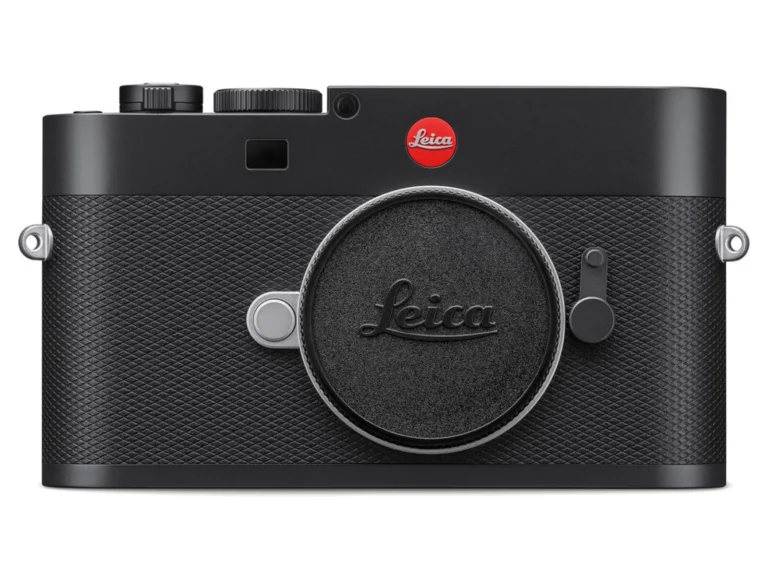
All Leica M11 cameras feature a new 60 MP full-frame sensor. Leica M11 Monochrom features a 60 MP B&W sensor capable of only B&W photography. Leica M EV1 is the only Leica M camera with an EVF instead of a classic rangefinder.
Leica M10
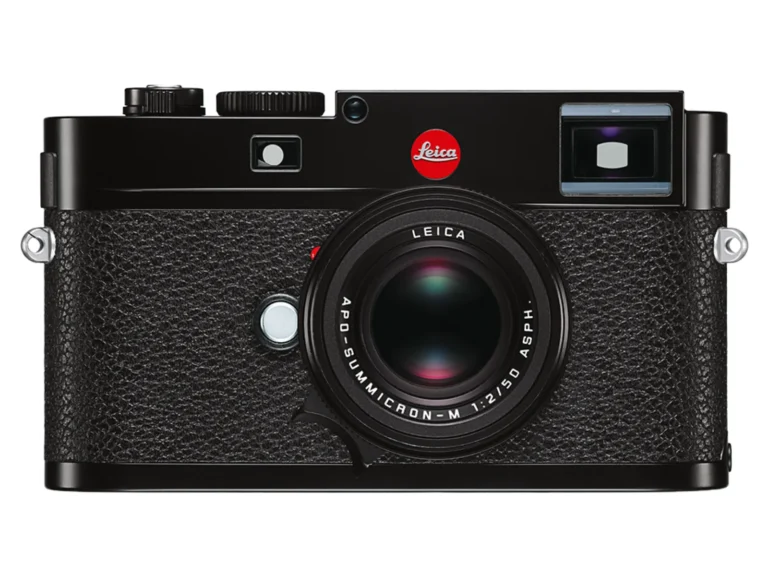
M10
M10-P
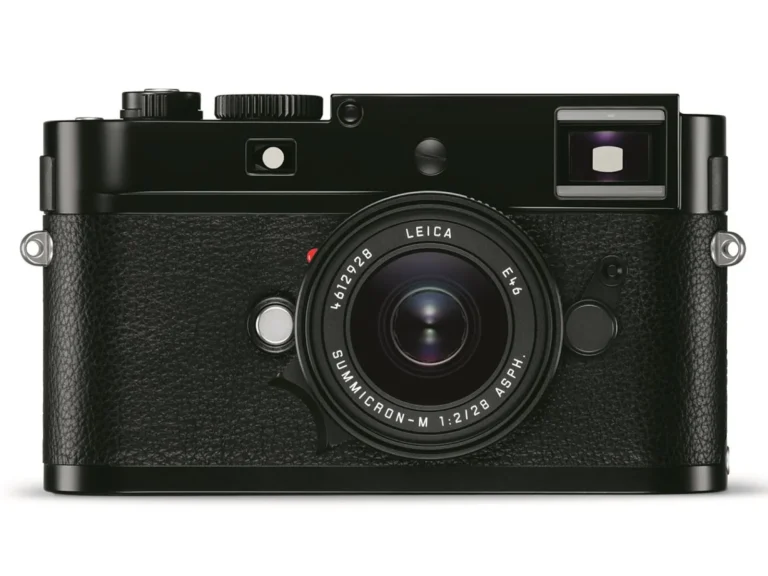
M10-D
M10 Mono.
M10-R
M10 Mono. Leitz Wetzlar
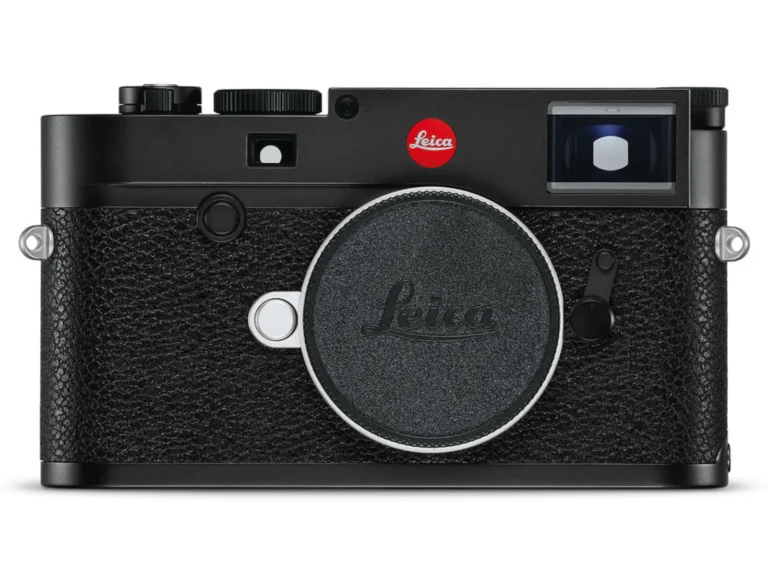
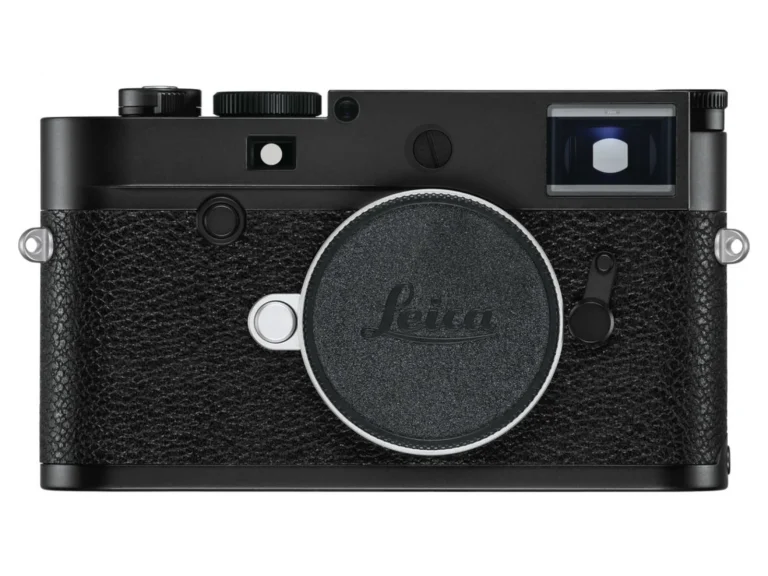
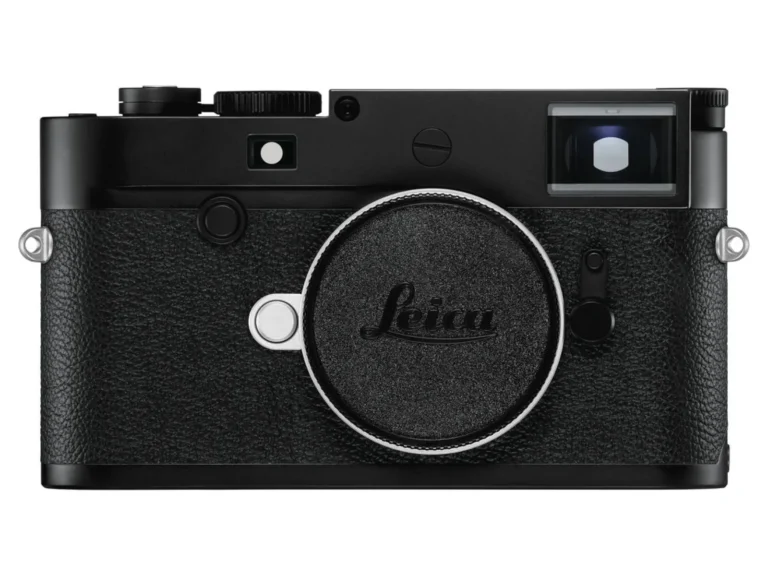
Leica M10, M10-P and M10-D feature a 24 MP full-frame sensor. Leica M10-R features a 40 MP full-frame sensor and M10 Monochrom features a 40 MP B&Wsensor. Leica M10 Monochrom ‘Leitz Wetzlar’ is a limited-edition version of the camera featuring a specialized engraving on the top plate of the camera, commemorating the 150th anniversary of Ernst Leitz taking over Leica. This camera is part of a limited production run of 650 units.
Other Leica M Models
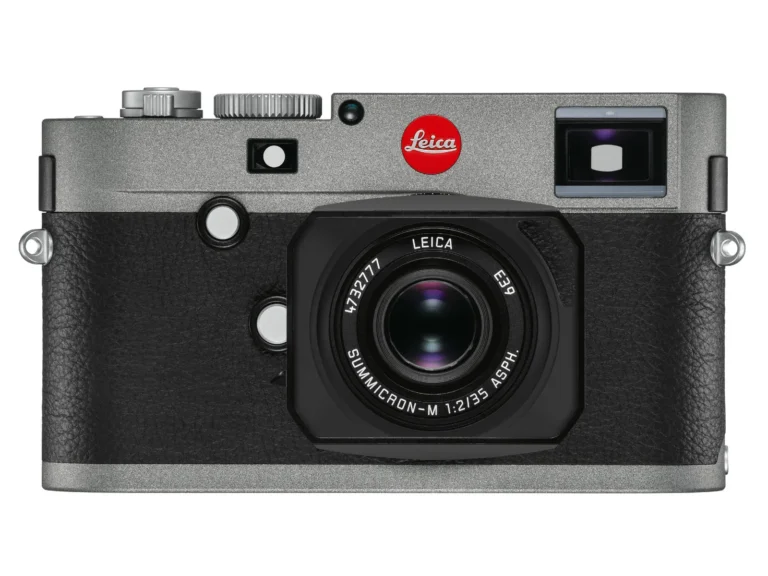
M-D Typ 262
M Typ 262
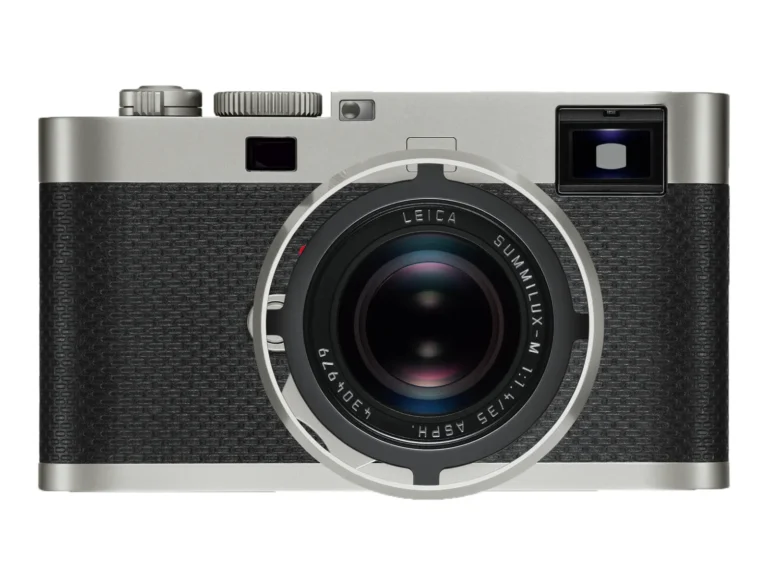
M Edition 60
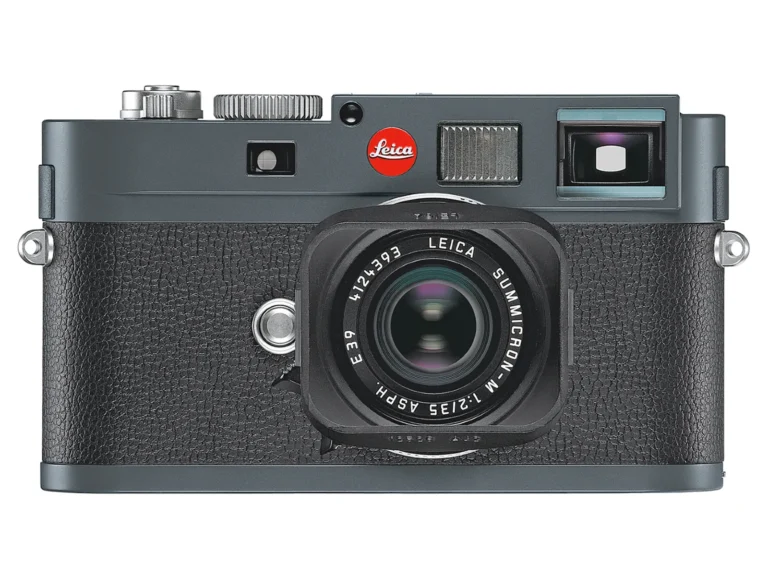
M-E Typ 220
M Typ 240
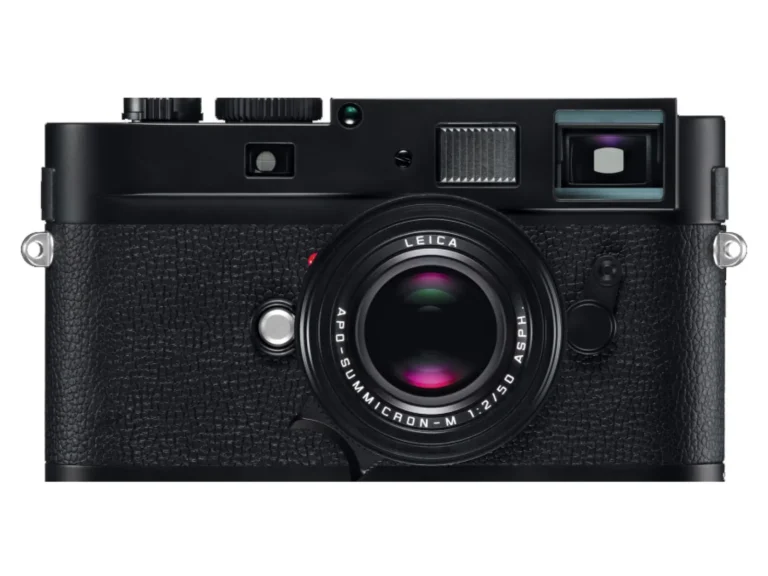
M Mono.
M9 & M8
M9-P
M9
M8.2
M8
Leica APS-C Cameras
Leica APS-C lineup is small, consisting of four models. All four cameras use the L-mount (just like the SL series), making them compatible with both APS-C and full-frame L-mount lenses. The series has been discontinued and no new models will be released.
T
TL
TL2
CL
The system began with the Leica T (2014, 16 MP), later followed by the TL (2016, 16 MP) with improved color science and software and TL2 (2017, 24 MP) with a faster processor. These cameras introduced a minimalist, touchscreen-driven interface and an aluminum design. They were unique for Leica and relied heavily on touchscreen control, which some photographers found limiting.
Leica CL (2017, 24 MP) is a more traditional APS-C camera with physical dials, an EVF and a classic Leica look.
Leica Compact 'Lux' Cameras
Over the years, Leica has produced several different lines of compact mirrorless cameras with smaller sensors and fixed lenses. With so many models, it would be impossible to explain all of them. The most recent models belong to these series:
– Leica D-LUX – premium compact cameras with a fixed zoom lens
– Leica C-LUX – premium compact cameras with a fixed zoom lens
– Leica V-LUX – superzoom cameras with small 1/2.3-inch sensors
– Leica X Series – compact cameras with APS-C sensors and usually a prime lens
– Leica C (2013) – a compact camera based on the LUMIX LF1 with a zoom lens and an EVF
Most of these models are outdated and are no longer for sale. Over the past 10 years, new releases have been quite rare. The most recent models are Leica C-LUX (2018), D-LUX 7 (2018), V-LUX 5 (2020) and D-LUX 8 (2024). Only the D-LUX 8 is still in production.
Leica D-Lux 8 features the same 17 MP MFT sensor and the same 24-75mm f/1.7-2.8 lens as the Leica D-LUX 7, but improves low-light performance, adds a cleaner interface, improved ergonomics, updated menus and better color science. Compact, lightweight and versatile, it’s ideal for travel and street photography and is one of the more affordable Leica cameras