
Nikon Cameras
Nikon Zfc Review
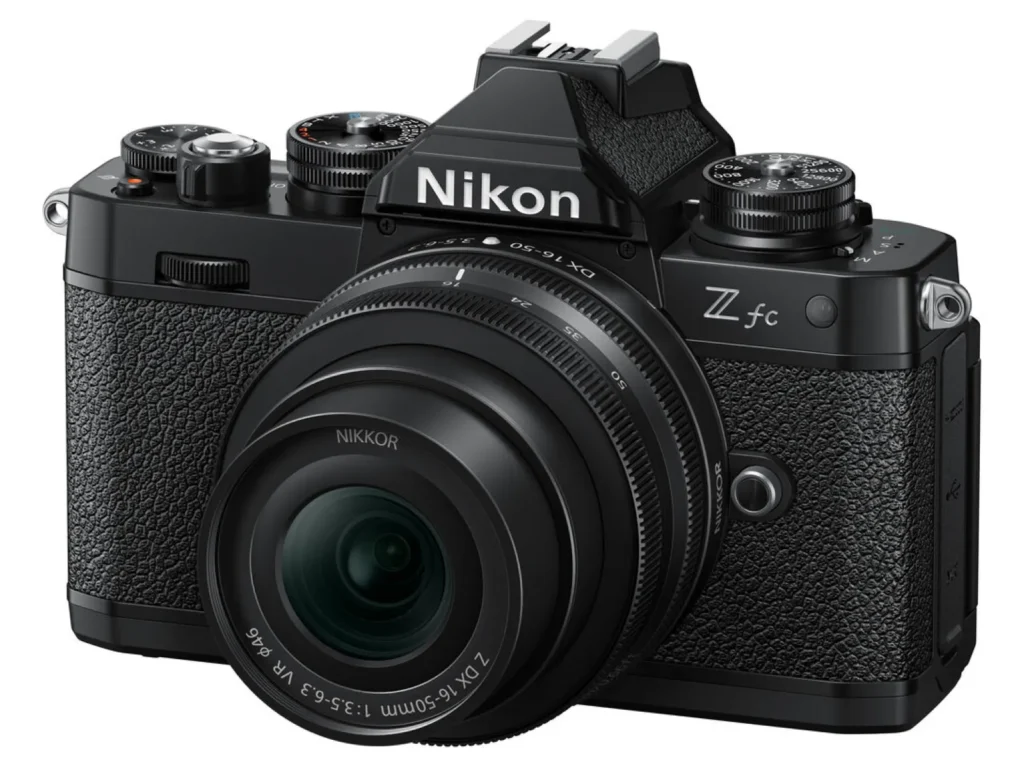
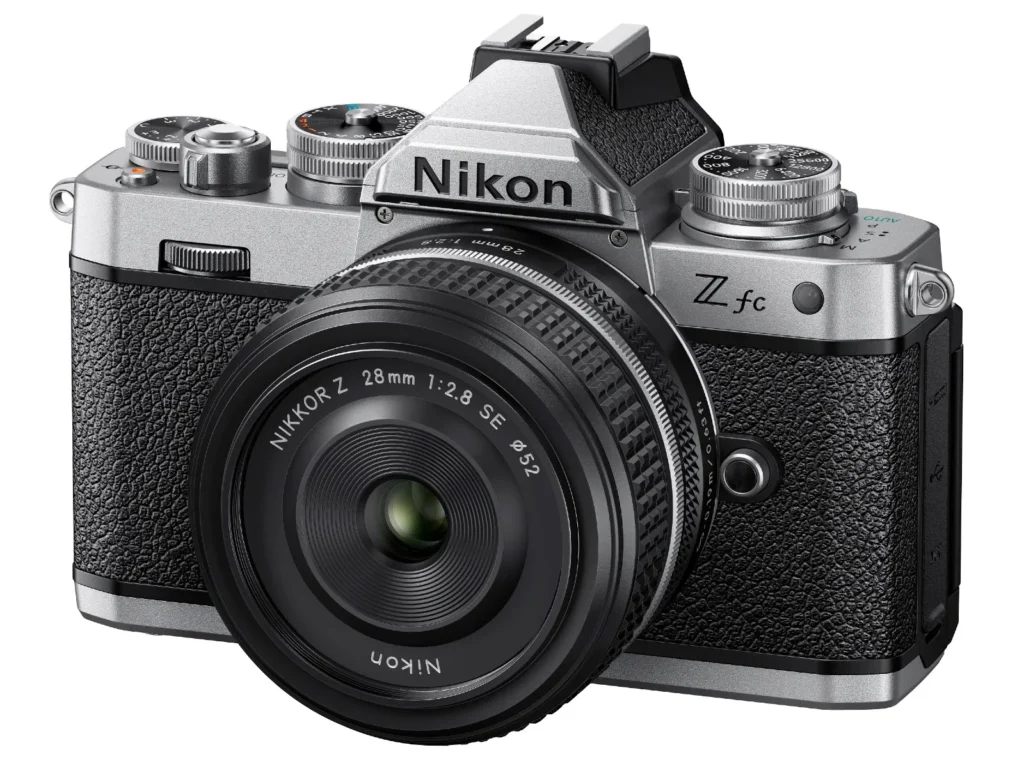
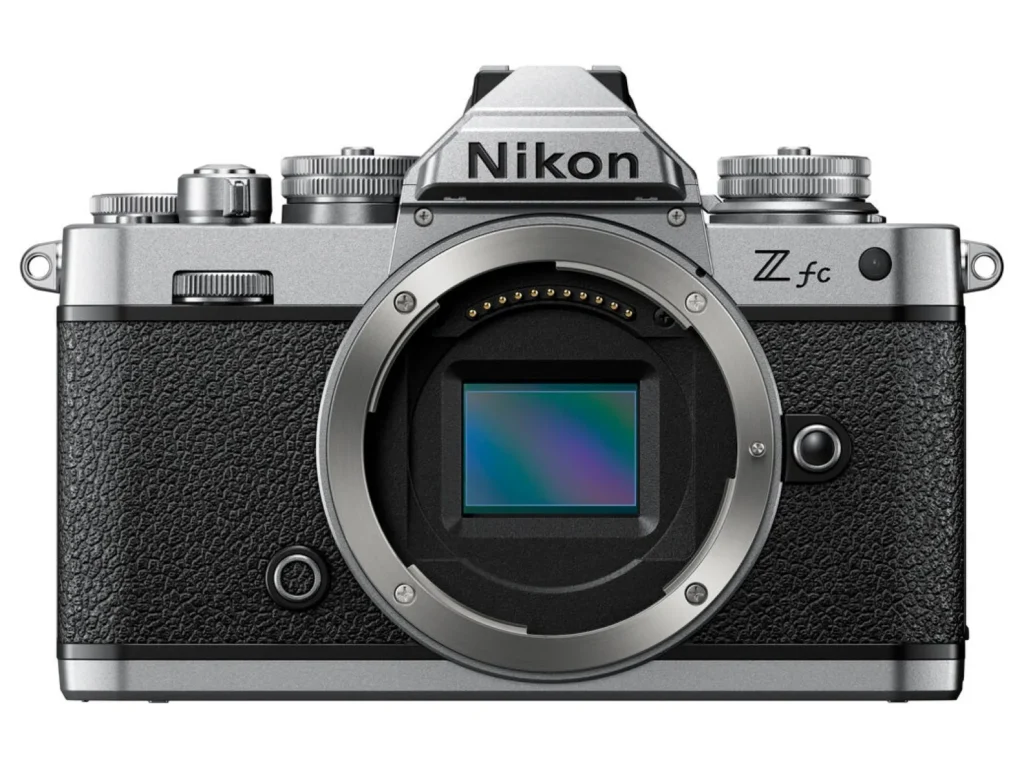
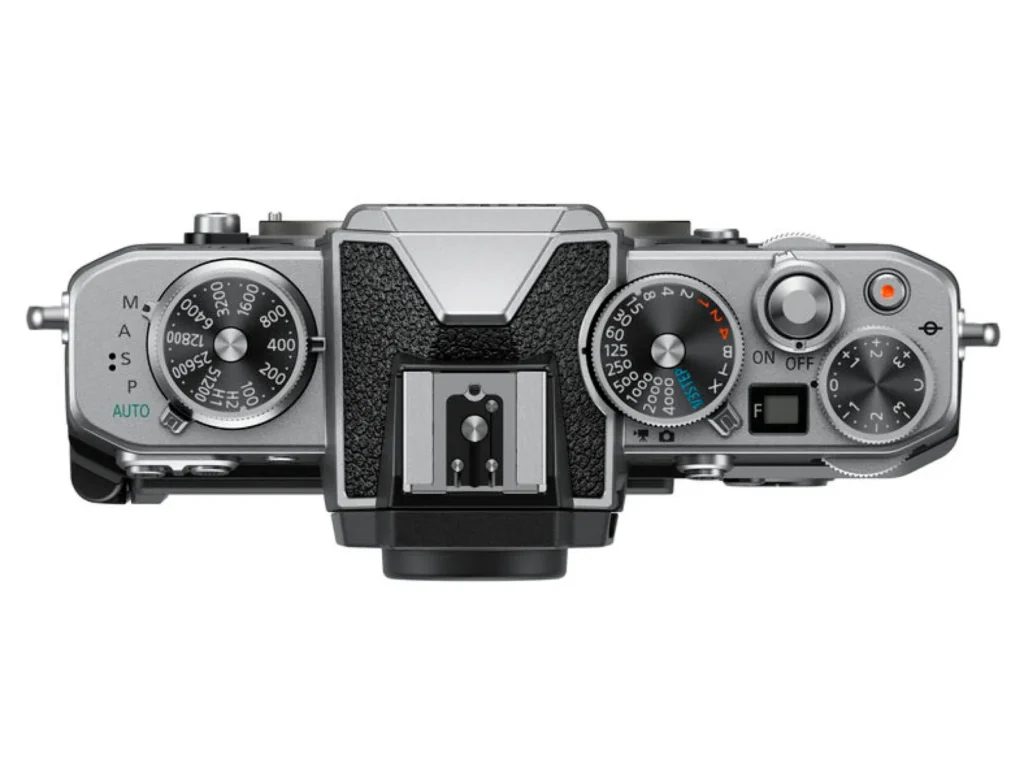
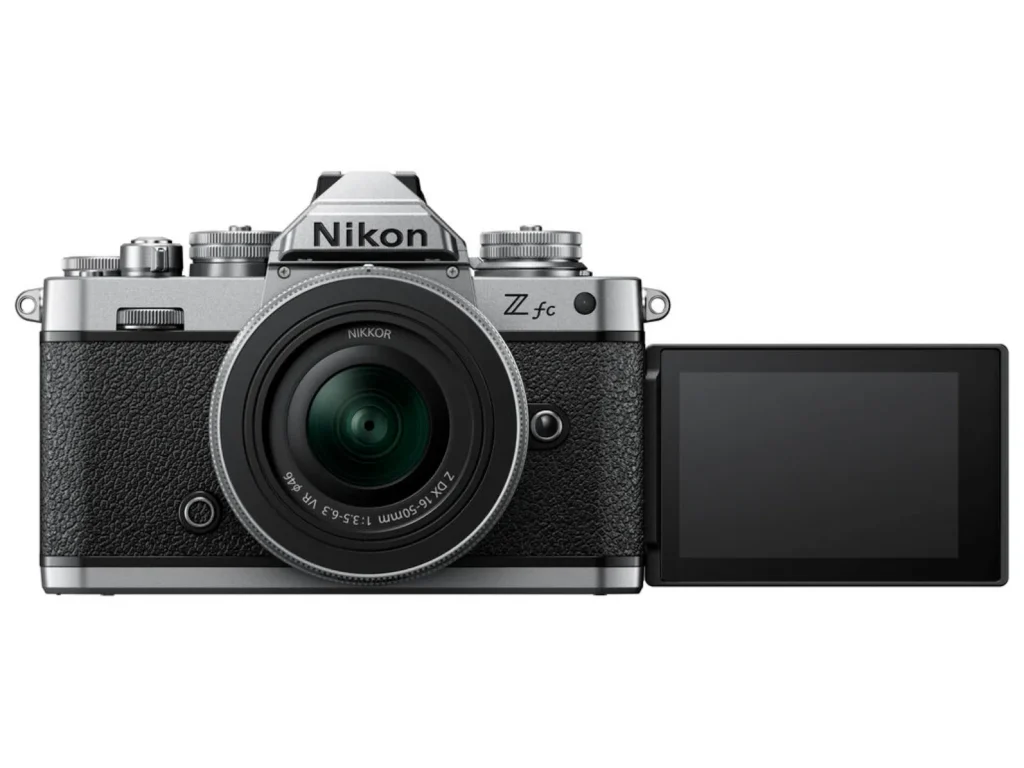
Nikon Zf series cameras are essentially modern Z-series mirrorless cameras wrapped in retro, film-inspired bodies. The Zfc was modeled after the Nikon FM2 film camera and includes manual dials for ISO, shutter speed and exposure compensation.
If you are familiar with other Nikon camera models, you could think of the Zfc as essentially a Nikon Z50 in a stylish, retro body. Both feature the same 24 MP BSI APS-C sensor with all specs being nearly identical.
Even though Nikon APS-C cameras may seem like just an affordable entry point to the Z system for beginners and hobbyist, their photography performance is still quite impressive. Pairing any Nikon APS-C camera with Nikon’s APS-C kit lenses – such as the 16-50mm f/3.5-6.3 and the 50-250mm f/4.5-6.3 – provides a capable and relatively affordable setup. There are also more compact alternatives available if you want to stay true to the simple, retro, film photography–inspired aesthetic.
Nikon Z System
The release of Nikon Z6 and Z7 in 2018 introduced the Nikon Z-mount. With a larger mount diameter and shorter flange distance, the Z system allowed Nikon to design faster, sharper lenses with better low-light performance. Compared to old DSLRs the system is smaller and lighter while also improving autofocus speed and overall image quality. After nearly a decade, the Z-mount system now provides a wide selection of lenses. Nikon F-mount lenses (older DSLR lenses) remain fully compatible with Nikon Z system cameras via the FTZ adapter.
Nikon Zfc Price
Nikon Zfc Specifications
General
Nikon Zfc features a 20.9 MP BSI APS-C sensor paired with Nikon’s EXPEED 6 processor. The same sensor and processor were also used in the Nikon Z50 and later the Nikon Z30.
The design of the Zfc differs from other Nikon APS-C cameras. It is lightweight and compact, but not particularly ergonomic. It has very little grip, which can become uncomfortable over time. If you attach a larger lens, the camera becomes even harder to hold. In some regions Nikon sells a small additional handgrip that attaches to the right side of the camera.
The Zfc is designed with some weather sealing, making it capable of withstanding light rain and dust, but it is not as robustly sealed as higher-end full-frame models like the Z6 and the Z7 series. While it can handle some rain exposure, it is advisable to dry it off periodically.
The camera has no in-body image stabilization (IBIS), although Nikon APS-C lenses feature built-in Vibration Reduction (VR) to help compensate.
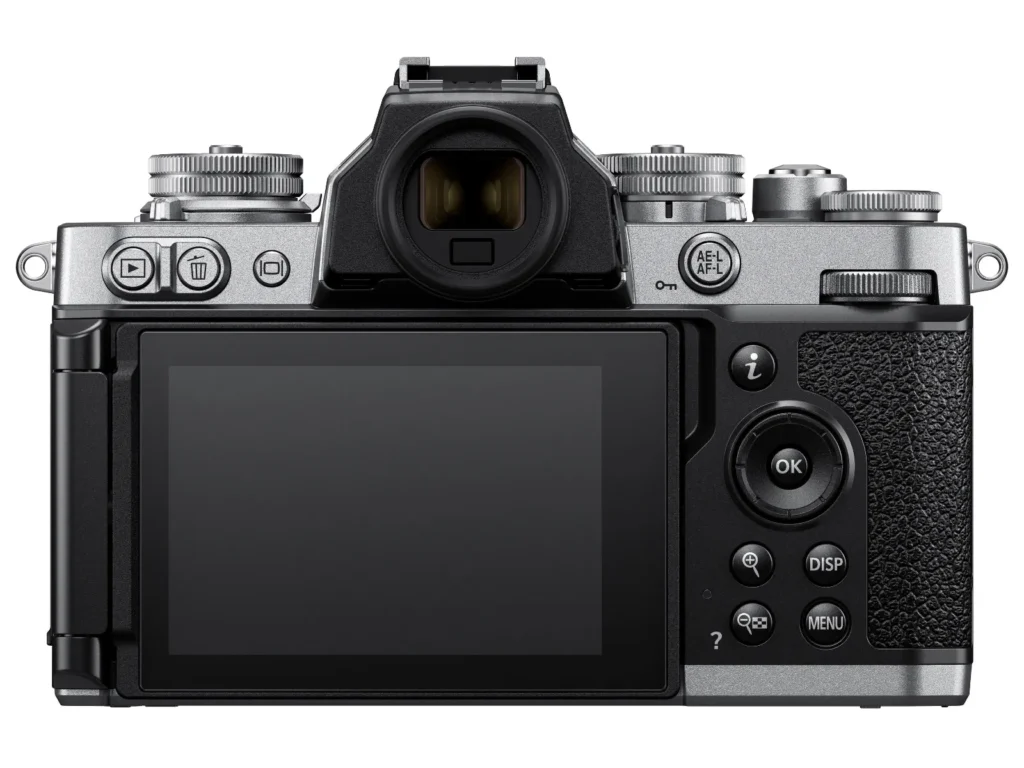
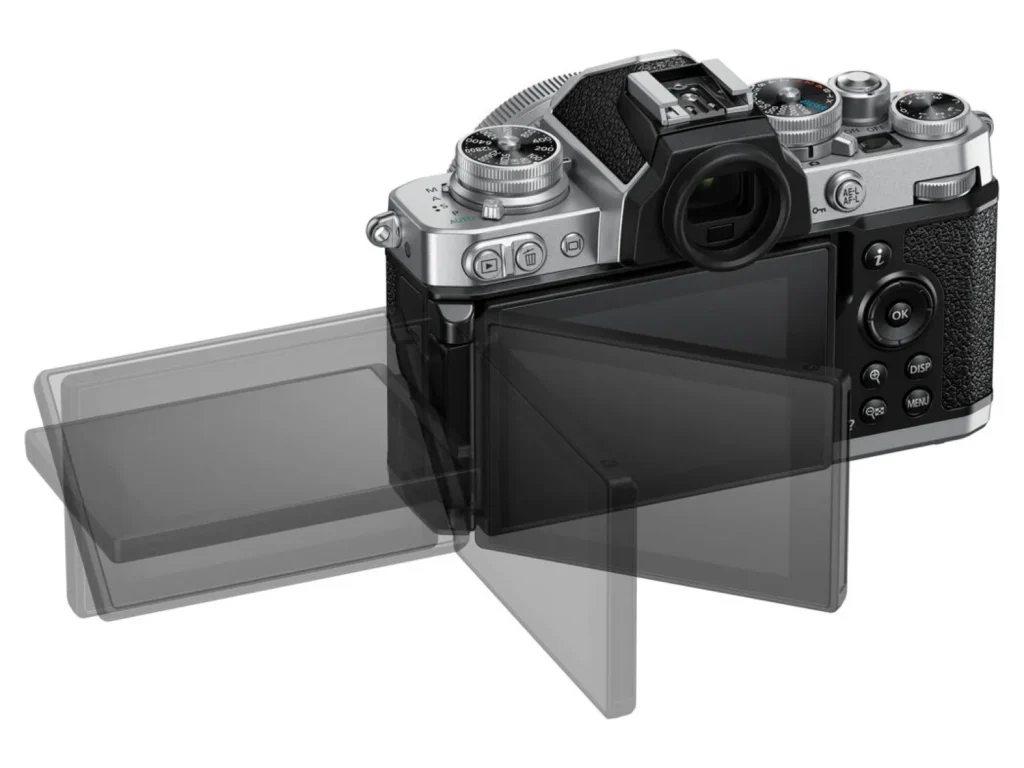
The Zfc has a fully articulating screen and one SD card slot.
Batteries used in Nikon APS-C cameras are smaller than those designed for full-frame models and battery life of the Zfc is not very impressive. Users will need to purchase at least 1 additional battery for prolonged shooting.
Autofocus
The hybrid AF system includes 209 phase-detect points that cover roughly 75% of the frame, enabling solid subject recognition in most scenarios with appropriate settings. Eye-detection AF is available for portraits and although tracking is available, it’s not as advanced as on other mirrorless systems and also struggles more in low-light.
Autofocus performance of the Zfc is generally not considered particularly impressive. It doesn’t match the speed, consistency or subject-recognition performance of competitors from other brands like Canon or Sony, nor Nikon’s newer cameras.
Photography
Image quality is impressive for an APS-C sensor, providing good dynamic range and natural color rendering.
Low-light performance is also impressive compared to other APS-C cameras, likely due to its slightly larger pixel size (most APS-C cameras have around 25 megapixels, so the Zfc, with its 20.9 MP sensor, has larger individual pixels).
Nikon Picture Control settings allow you to edit JPEGs in-camera. This feature is essentially Nikon’s alternative to extremely popular Fujifilm film recipes.
Shutter options include mechanical, electronic front-curtain (EFCS) and fully electronic (silent) shutter modes.
The Zfc can shoot at up to approximately 11 fps in RAW with full autofocus. Some reviewers noted that 11 fps is only achievable in 12-bit RAW and the camera needs to drop down to around 9 fps to shoot in 14-bit RAW.
Using the electronic shutter when photographing fast-moving subjects will of course result in some rolling shutter distortion.
Video
The Zfc can record in 4K at up to 30 fps using full width of the sensor, producing detailed footage considering its APS-C sensor size, though rolling shutter can be very noticeable.
Full HD (1080p) recording is available at up to 120 fps.
Recording is limited to 8-bit and the camera is clearly not designed for serious video work. There are no log profiles, no 10-bit output and no RAW video recording options.
It’s important to note that APS-C competitors from other brands like Canon or Sony all feature oversampled 4K video (down-sampled from 6K) resulting in more detailed footage. Additionally, competitors and newer Nikon models usually include a 10-bit recording option. That said you typically do not buy a camera like this primarily for its video capabilities.
The Zfc has a 30-minute recording limit.
There is no IBIS, but Nikon APS-C DX lenses do have built-in vibration reduction (VR) to help compensate. Electronic stabilization is available for video, but it applies a severe crop. While it is very effective for stationary handheld shots, it is much less effective for handheld video while walking.
| Feature | NIKON Zfc |
|---|---|
| Release Date | June 2021 |
| Megapixels | 20.9 MP |
| Image Resolution | 5568 × 3712 |
| Sensor Size | APS-C |
| Sensor Type | BSI CMOS |
| Image Processor | EXPEED 6 |
| IBIS | No |
| Weather Sealing | Yes (Weather Resistant) |
| Lens Mount | Nikon Z |
| Body Type | Mirrorless |
| PHOTO | |
| Native ISO | 100 – 51,200 |
| Expandable ISO | 100 – 204,800 |
| Shutter Speed | 1/4000 – 900s |
| Burst Rate (Mechanical) | 11 fps RAW |
| Burst Rate (Electronic) | 11 fps RAW |
| Buffer | ~ 50 RAW |
| Shutter Types | Mechanical, Electronic, EFCS |
| Silent Shooting | Yes (Electronic Shutter) |
| Exposure Compensation | ±5 EV |
| High-Res (Sensor Shift) | No |
| Pre-Capture Mode | No |
| VIDEO | |
| 4K Video | 4K 30fps |
| Max Frame Rate | 4K 30fps / 1080p 120fps |
| Bit Depth | 8-bit |
| Recording Limit | 29m 59s |
| Timelapse Recording | Yes |
| AUTOFOCUS | |
| AF System | Hybrid AF + Contrast |
| AF Points | 209 |
| AF Coverage | 87% horizontal, 85% vertical |
| AF Joystick | No |
| DISPLAY / VIEWFINDER | |
| Articulated Screen | Fully Articulating |
| Touch Screen | Yes |
| LCD Size | 3.0" |
| LCD Resolution | 1,040,000 |
| EVF Resolution | 2,360,000 |
| EVF Refresh Rate | 60 fps |
| EVF Coverage | 100% |
| EVF Magnification | 1.02× |
| MORE INFO | |
| Card Slot 1 | SD (UHS-I) |
| Card Slot 2 | / |
| Sensor Protection System | No |
| USB | Type C 3.2 Gen 1 |
| USB Charging | Yes |
| HDMI | Type D (Micro HDMI) |
| Microphone Port | 3.5 mm |
| Headphone Port | No |
| Built-in Flash | Yes |
| Built-in Microphone | Yes |
| Battery | EN-EL25 |
| Battery Life | 300 ~ 450 frames |
| Wi-Fi / Bluetooth | Yes |
| Dimensions | 135 × 94 × 44 mm |
| Weight | 445 g |
Nikon Zfc Alternatives
Nikon Z50 II
Nikon Z50
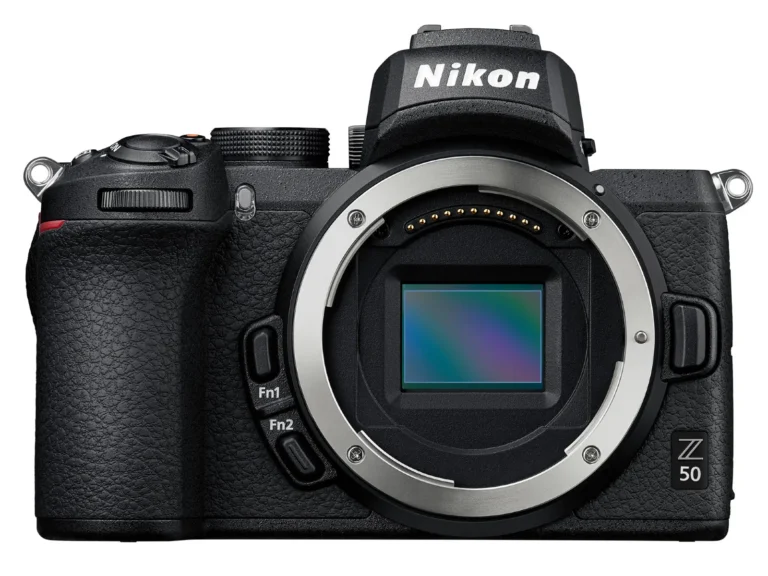
Nikon Z50 (2019) was Nikon’s first APS-C camera in the Z System. Most of its core specifications are similar to those of the Zfc. Both cameras have the same sensor, processor and autofocus system, but the Z50 has a standard more ergonomic body, making it a more appealing option for hobbyists and photographers. The Z50 features a tilting flip-down screen. It’s no longer in production, but it can still be found at attractive prices on the used market.
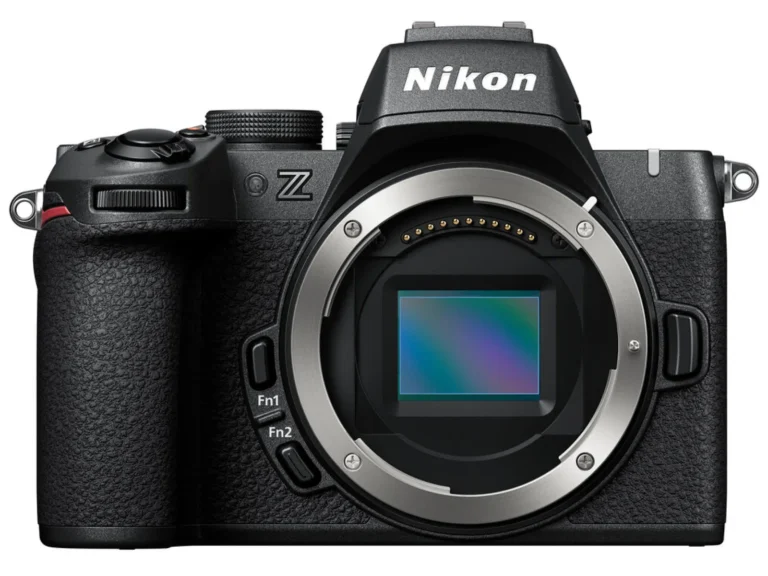
Nikon Z50 II (2024) retains the same 20.9 MP BSI sensor but upgrades to Nikon’s latest EXPEED 7 processor. This brings improved autofocus, a larger buffer and faster continuous shooting speeds. The camera can shoot at up to 11 fps in RAW using the mechanical shutter and up to 15 fps in RAW with the electronic shutter (30 fps in JPEG).
Video capabilities have also been significantly improved. The Z50 II supports 10-bit recording instead of being limited to 8-bit and adds 4K 60 fps recording (with a 1.5x crop). Other notable upgrades include a fully articulating LCD screen, USB-C connectivity and support for faster UHS-II SD cards.
Nikon Z50 II and Nikon Zfc cost roughly the same, but the Z50 II clearly offer more features.
Nikon Zfc Price
Final Verdict
Nikon Zfc is essentially a Z50 in a retro, film-camera-inspired body with dedicated manual controls. While the Zfc and Z50 deliver identical image quality, the original Z50 is less expensive, more ergonomic and faster to operate, making it the more practical choice for most photographers. The Zfc’s manual dials can slow down operation, making it less suitable for fast-paced photography and positioning it more as a camera for enthusiasts who enjoy a slower shooting experience.
The original Z50 has since been replaced by the Z50 II, which brings a newer processor, improved autofocus, a deeper buffer and faster burst shooting, all while costing roughly the same as the Zfc. As a result, both the Z50 and Z50 II offer a more compelling combination of performance and value.
That said, the Zfc’s appeal lies in its retro design, tactile controls and slower, more deliberate shooting experience, making it an attractive option for photographers who value aesthetics more than outright performance.