
Nikon Cameras
Nikon Zf Review
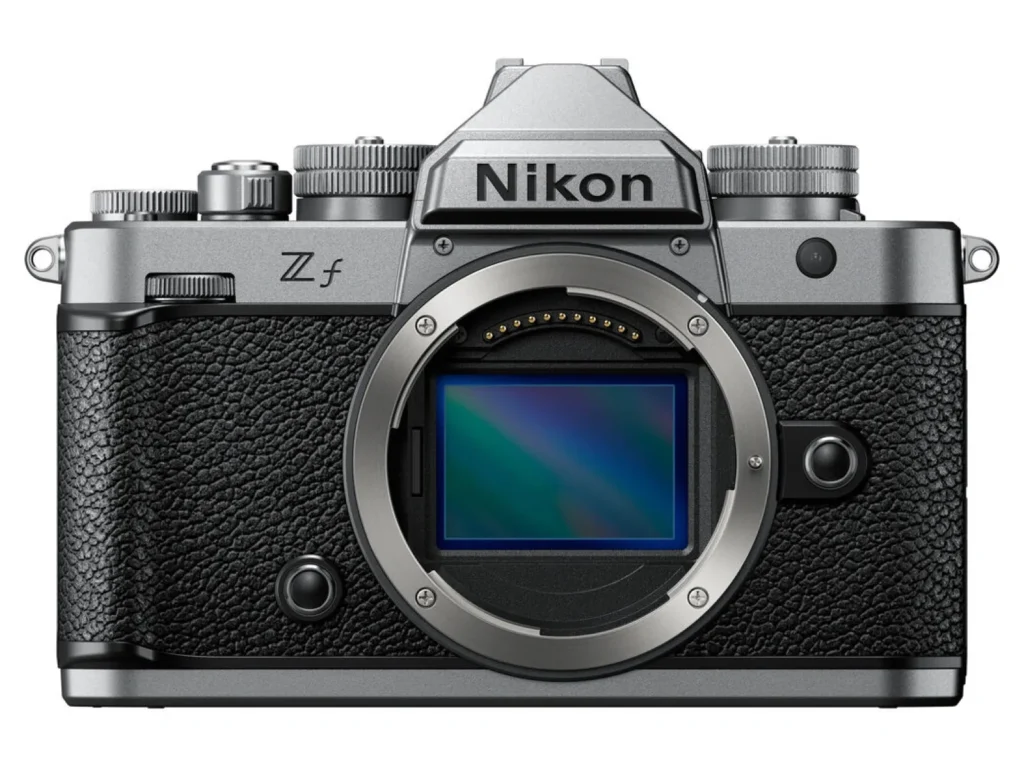
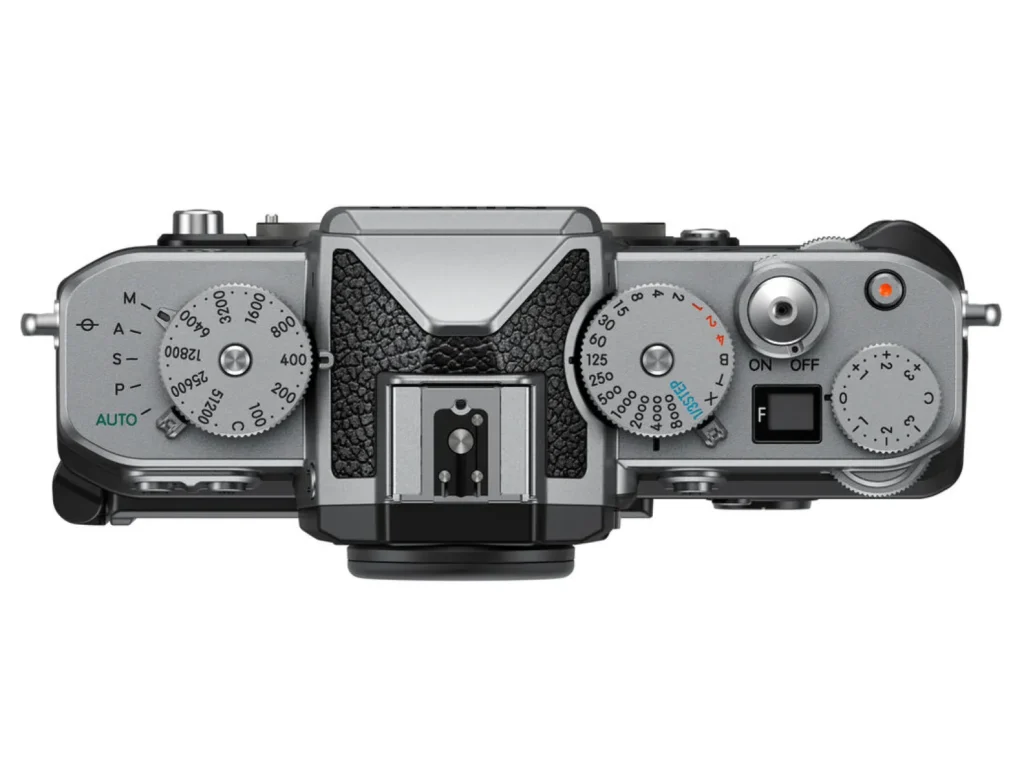
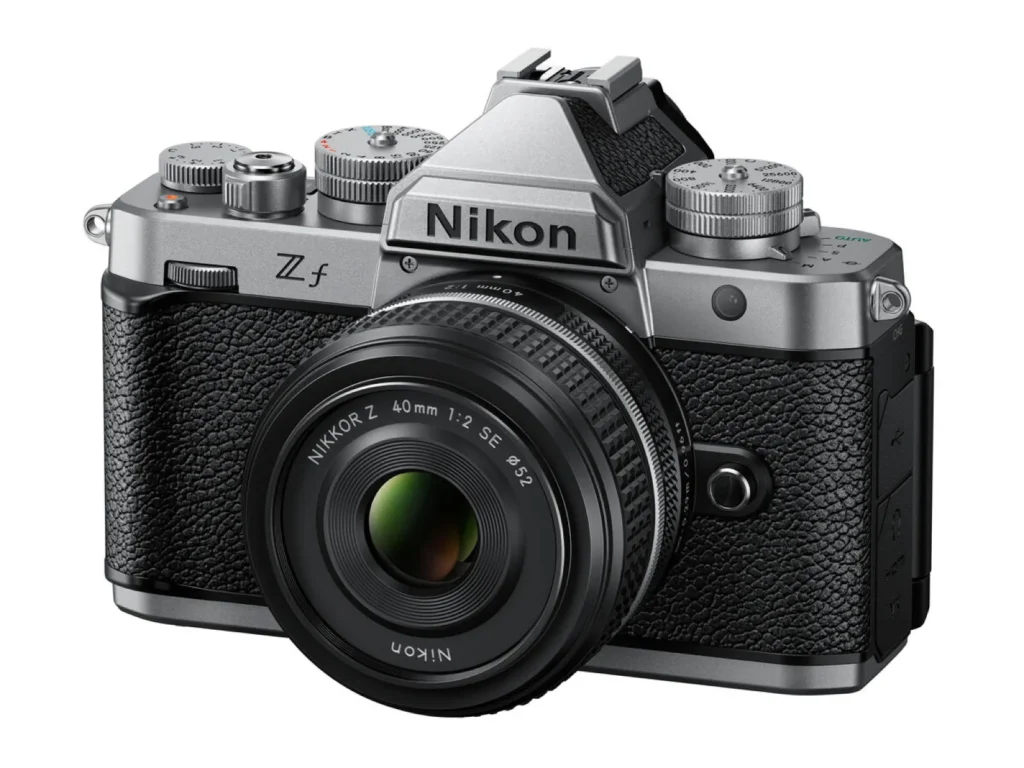
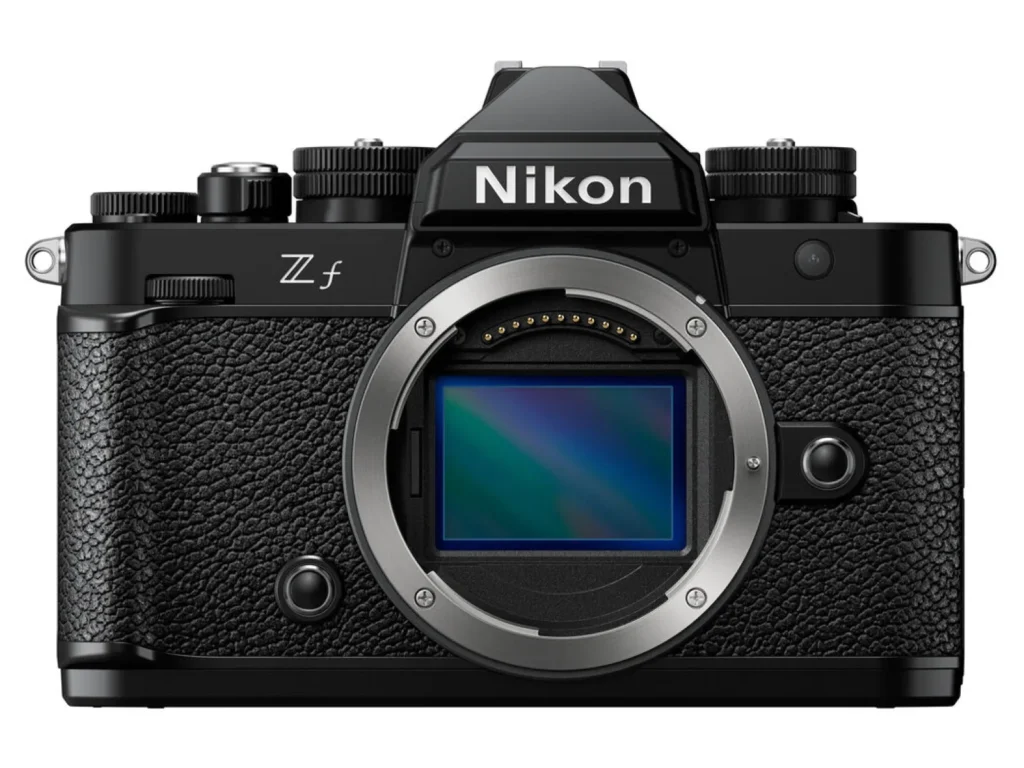
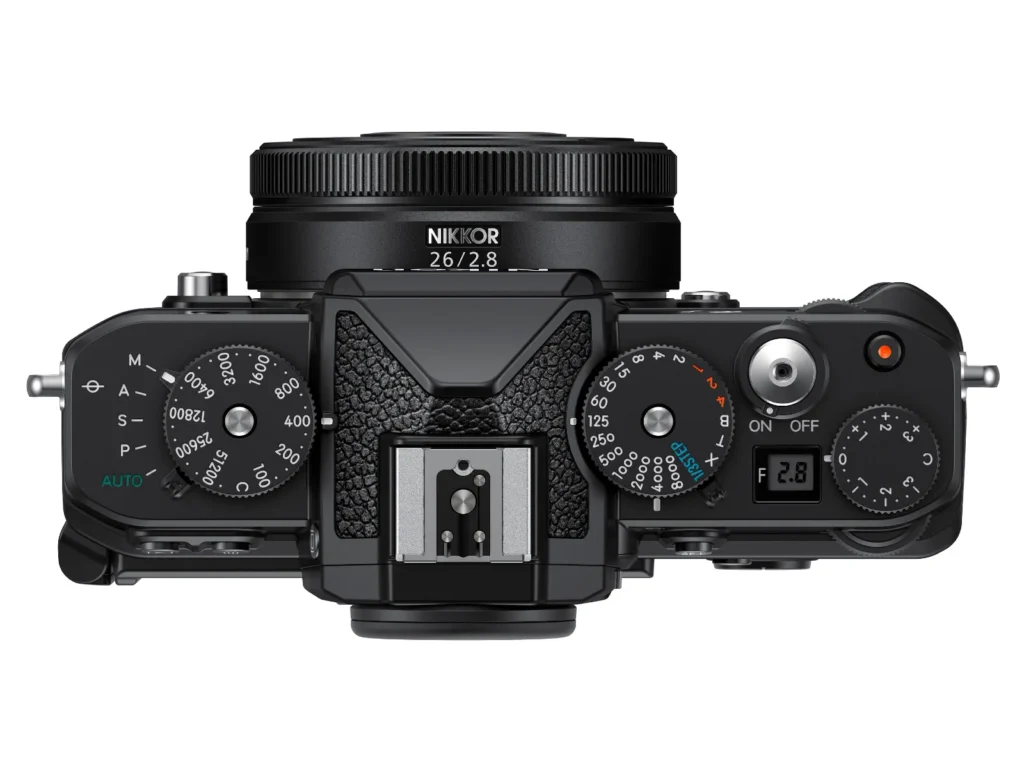
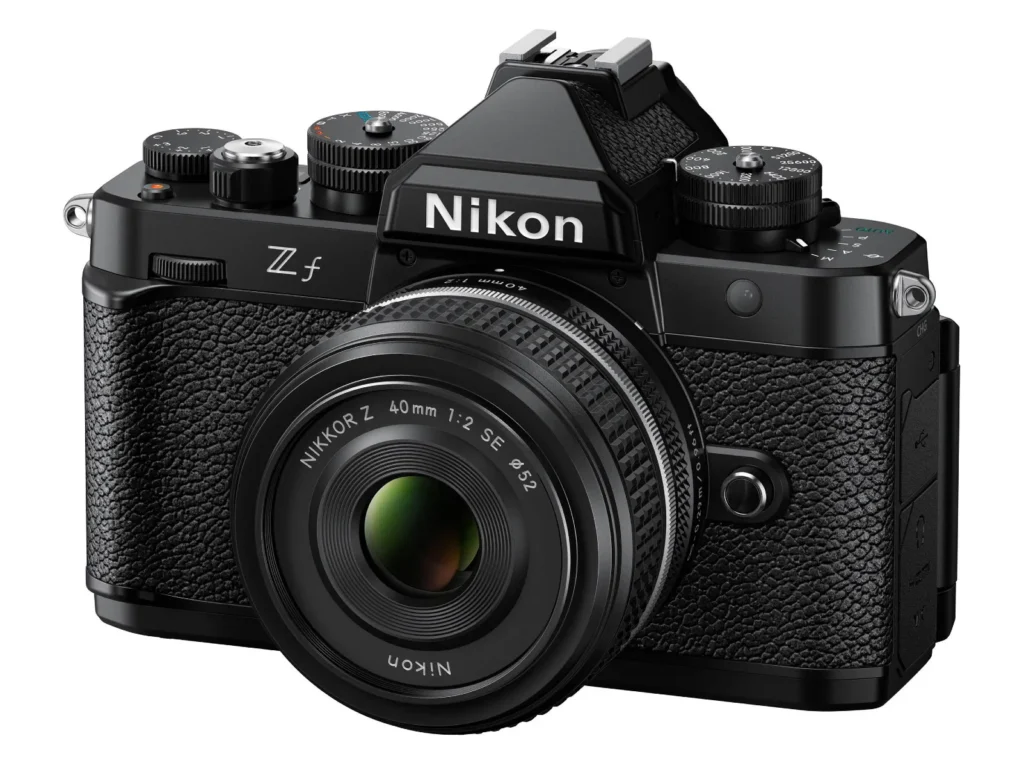
Nikon Zf series cameras are essentially modern Z-series mirrorless cameras wrapped into retro, film-inspired bodies. The Zf was modeled after the Nikon FM2 film camera and includes manual dials for ISO, shutter speed and exposure compensation. It also features a dedicated manual switch for in-camera black-and-white photography, fitting the overall retro, film-inspired aesthetic.
If you are familiar with other Nikon camera models, you could think of the Zf as essentially a Nikon Z5 II in a retro body. The camera features the same 24 MP BSI sensor as the Nikon Z5 II, Z6 and Z6 II, along with the fast EXPEED 7 processor (the same as in the Z5 II), making it a capable modern camera.
Nikon Z System
The release of Nikon Z6 and Z7 in 2018 introduced the Nikon Z-mount. With a larger mount diameter and shorter flange distance, the Z system allowed Nikon to design faster, sharper lenses with better low-light performance. Compared to old DSLRs the system is smaller and lighter while also improving autofocus speed and overall image quality. After nearly a decade, the Z-mount system now provides a wide selection of lenses. Nikon F-mount lenses (older DSLR lenses) remain fully compatible with Nikon Z system cameras via the FTZ adapter.
Nikon Zf Price
Nikon Zf Specifications
General
Nikon Zf uses a 24.5 MP BSI full-frame sensor paired with Nikon’s EXPEED 7 processor. Image quality is excellent, with strong dynamic range, natural color rendering and clean high-ISO performance. The same sensor was also used in the Nikon Z6, Z6 II and Z5 II.
The Zf features 5-axis in-body image stabilization and it was the first Nikon camera to provide up to 8 stops of shake reduction. It was also the first Nikon camera to offer the option to link vibration reduction (VR) to the focus point, which improves IBIS performance when the focus point is not centered in the frame. though this feature works only with selected Nikon Z-series wide angle lenses.
The design of the Zf differs from other mirrorless cameras. It is still durable and weather-sealed, but not particularly ergonomic. The grip is very small and if you attach a larger lens, the camera becomes even harder to hold Nikon also sells an additional handgrip. It’s designed to allow tripod mounting while still providing access to the battery and memory card slots.
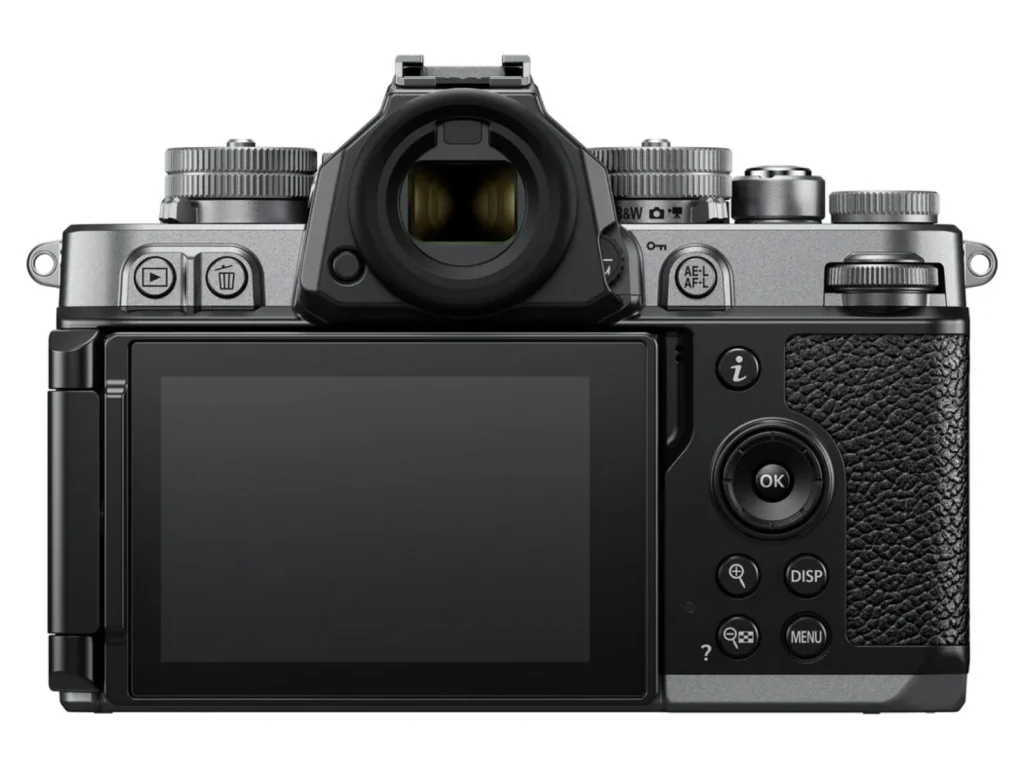
The controls and dials are easy to reach and operate; however, the camera lacks customizable buttons found on other Nikon models.
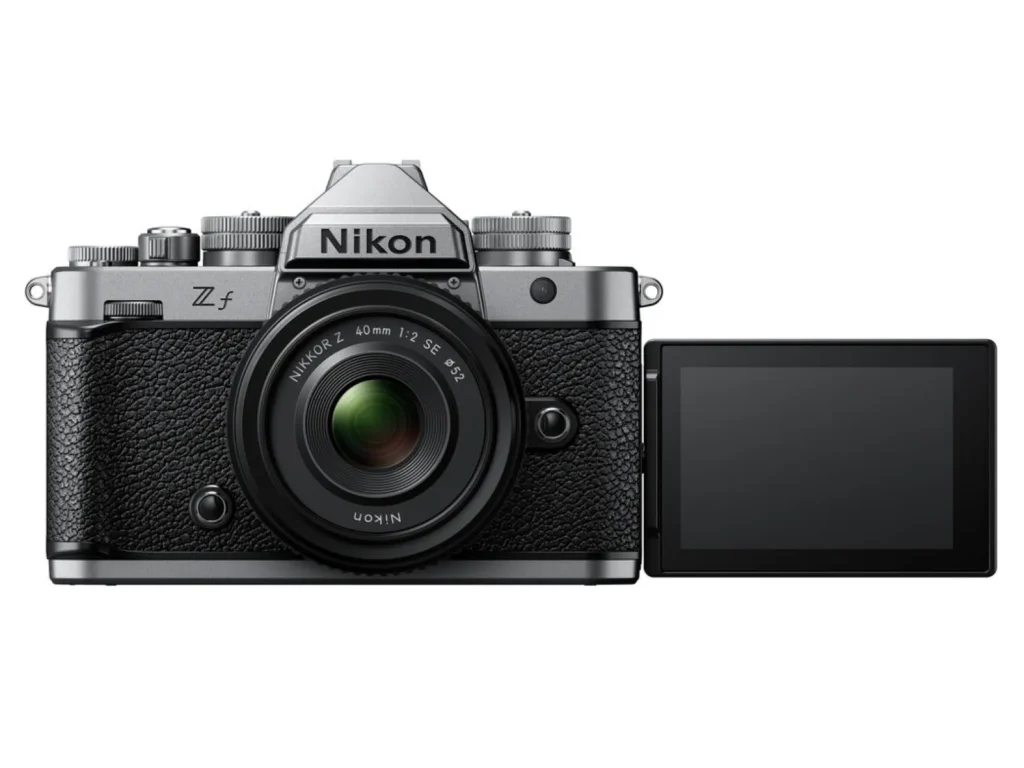
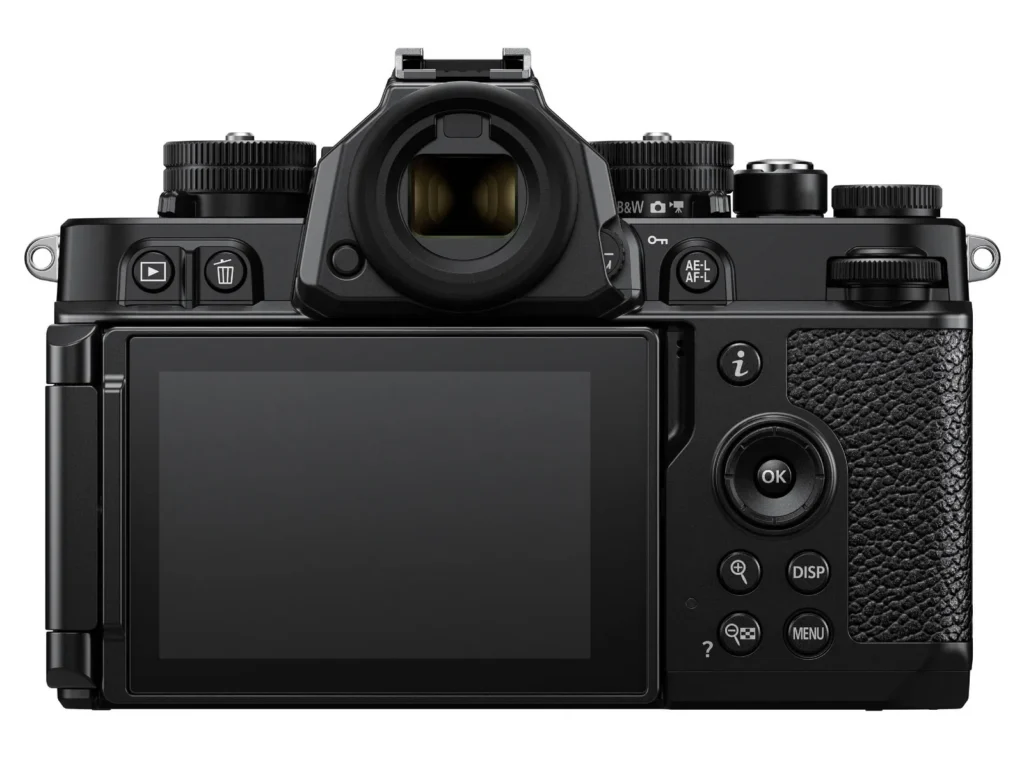
The camera has dual card slots (one SD and one microSD). It features a fully articulating LCD screen and there is a small screen on top to display aperture settings.
Autofocus
Autofocus is one of the Zf’s biggest strengths. Thanks to the EXPEED 7 processor and deep learning subject recognition, it features a much more advanced AF system than earlier Nikon models.
It features vastly improved subject tracking and eye detection works for both humans and animals. Low-light autofocus performance is also improved, making the Zf more dependable than, for example, the Z6 II.
Due to its retro design, the Zf does not have an AF joystick (which is more or less standard for full-frame cameras today). To compensate for this, the touchscreen allows you to define a custom-sized focus area using touch input and you can move the area with your finger while looking through the viewfinder.
When using manual focus, or a lens with manual focus only, the camera can be set to display a focus box around the subject that turns green when accurate focus is achieved. This is very helpful if you plan to use the Zf with manual focus lenses and it’s a feature rarely seen on other cameras.
Photography
Image quality is excellent, with strong dynamic range, natural color rendering and clean high-ISO performance.
Shutter options include mechanical, electronic front-curtain (EFCS) and fully electronic (silent) shutter modes.
The Zf can shoot at up to 10 fps in 14-bit RAW and up to around 14 fps in compressed RAW with the mechanical shutter.
When using the electronic shutter, the camera can shoot up to around 14 fps in RAW and up to 30 fps when shooting just JPEGs. However, using the electronic shutter when photographing fast-moving subjects results in visible rolling shutter distortion.
Up to one second of Pre-Capture is available, but this works only with JPEGs and of course only with the electronic shutter.
Nikon Zf also includes a sensor-shift mechanism that enables pixel-shift shooting, combining multiple exposures with slight sensor movements to produce high-resolution images of up to 96 MP. Its a useful and modern feature, but files are not processed in-camera, so you will need to create the final image later using dedicated software.
Video
Nikon Zf can record oversampled 4K video at 30 fps using the full width of the sensor, producing clean and detailed footage, though rolling shutter can be visible.
The camera supports internal 4K 30 fps 10-bit H.265 recording.
4K 60 fps is available, but this comes with a heavy 1.5x crop and reduced image quality since the footage is not oversampled.
Full HD (1080p) recording is available at up to 120 fps.
Recording is limited to 10-bit and there is no option for internal or external 12-bit RAW recording like with the Z6 series or the Z5 II.
Like all other Nikon models, the Zf saves video footage to only one card and individual clips are limited to a maximum of 125 minutes.
| Feature | NIKON Zf |
|---|---|
| Release Date | September 2023 |
| Megapixels | 24.5 MP |
| Image Resolution | 6048 × 4024 |
| Sensor Size | Full Frame |
| Sensor Type | BSI CMOS |
| Image Processor | EXPEED 7 |
| IBIS | 5-Axis, 8 stops |
| Weather Sealing | Yes |
| Lens Mount | Nikon Z |
| Body Type | Mirrorless |
| PHOTO | |
| Native ISO | 100 – 64,000 |
| Expandable ISO | 50 – 204,800 |
| Shutter Speed | 1/8000 – 900s |
| Burst Rate (Mechanical) | 14 fps RAW |
| Burst Rate (Electronic) | 14 fps RAW / 30 fps JPEG |
| Buffer | ~ 150 RAW |
| Shutter Types | Mechanical, Electronic, EFCS |
| Silent Shooting | Yes (Electronic Shutter) |
| Exposure Compensation | ±5 EV |
| High-Res (Sensor Shift) | Yes |
| Pre-Capture Mode | Yes (JPEG) |
| VIDEO | |
| 4K Video | 4K 30fps (oversampled from 6K) |
| Max Frame Rate | 4K 60fps (1.5x crop) / 1080p 120fps |
| Bit Depth | 10-bit |
| Recording Limit | 125 min |
| Timelapse Recording | Yes |
| AUTOFOCUS | |
| AF System | Hybrid AF + AI-based deep-learning engine for enhanced subject recognition and tracking |
| AF Points | 273 |
| AF Coverage | ~ 90% Frame Coverage |
| AF Joystick | No |
| DISPLAY / VIEWFINDER | |
| Articulated Screen | Fully Articulating |
| Touch Screen | Yes |
| LCD Size | 3.2" |
| LCD Resolution | 2,100,000 |
| EVF Resolution | 3,690,000 |
| EVF Refresh Rate | 60 fps |
| EVF Coverage | 100% |
| EVF Magnification | 0.8× |
| MORE INFO | |
| Card Slot 1 | SD (UHS-II) |
| Card Slot 2 | microSD (UHS-I) |
| Sensor Protection System | No |
| USB | Type C 3.2 Gen 1 |
| USB Charging | Yes |
| HDMI | Type D (Micro HDMI) |
| Microphone Port | 3.5 mm |
| Headphone Port | 3.5 mm |
| Built-in Flash | No |
| Built-in Microphone | Yes |
| Battery | EN-EL15c |
| Battery Life | 350 ~ 500 frames |
| Wi-Fi / Bluetooth | Yes |
| Dimensions | 144 × 103 × 49 mm |
| Weight | 710 g |
Nikon Zf Alternatives
Nikon Z5 II
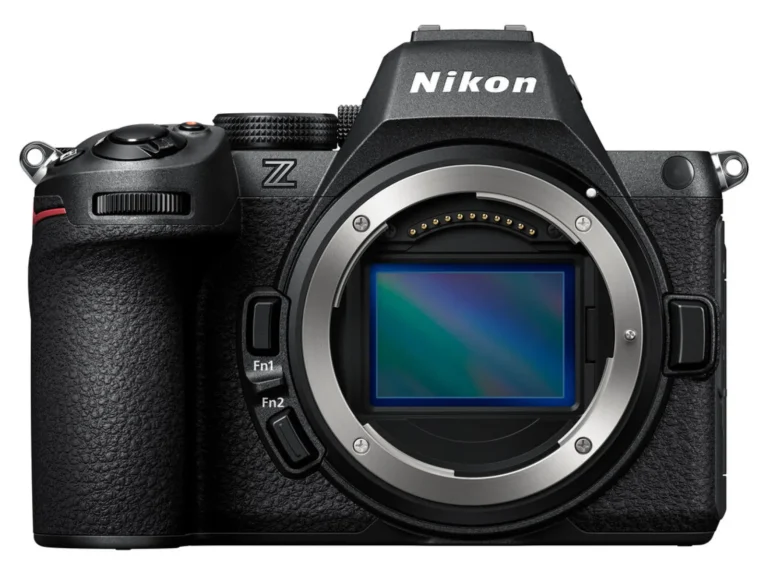
Nikon Zf, Z6, Z6 II and Z5 II all use the same 24 MP BSI sensor. The Z5 II is the most recent model, the most capable and it represents the best value.
Nikon Z5 II (2025) is very similar to the Zf in terms of specifications. Both cameras share the same 24 MP BSI sensor and the same EXPEED 7 processor, but the Z5 II offers dual full-size SD card slots, internal 12-bit RAW oversampled 4K internal recording and a modern camera body with a much better grip, making it the more practical choice, especially considering its significantly lower price. It costs about $500 less than the Zf while clearly offering more features.
The only real advantage the Zf has over the Z5 II is its retro aesthetic. As of now, the Z5 II is the best entry point into Nikon’s full-frame Z system for anyone interested in photography or video.
Nikon Z6 III
Nikon Z7 II
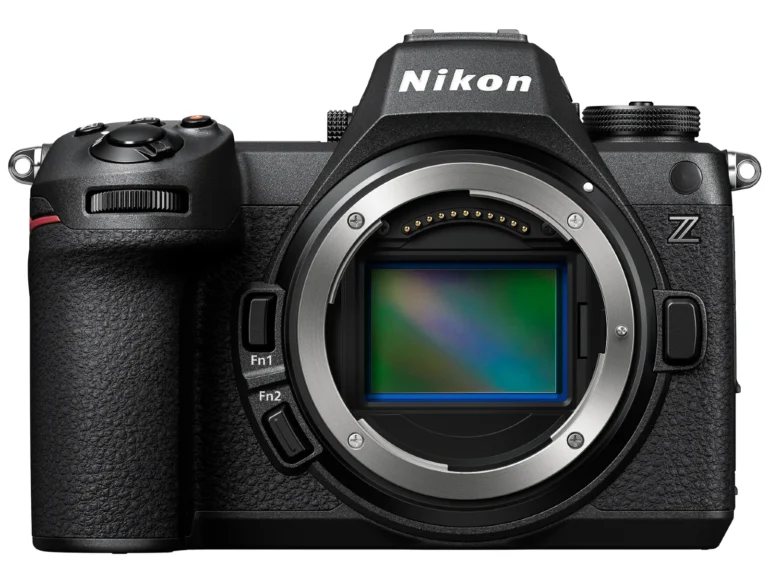
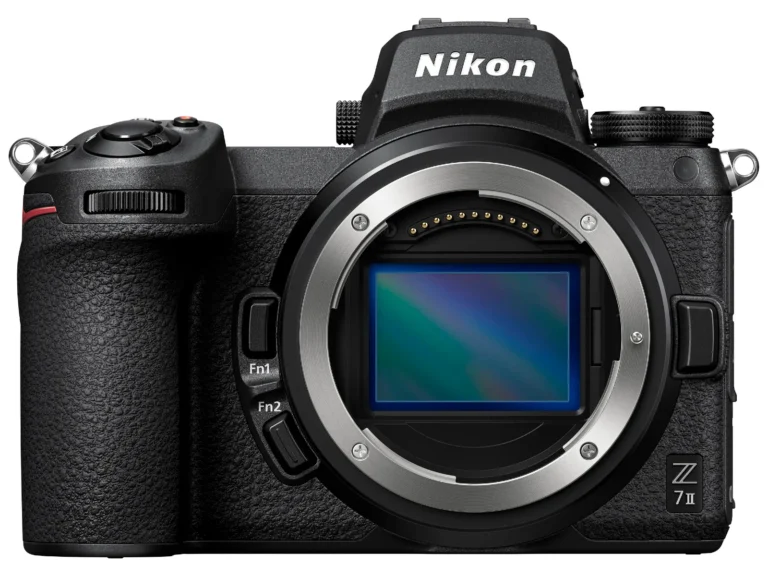
For the same price of the Nikon Zf you could even get the new and improved Nikon Z6 III or the high-resolution Nikon Z7 II.
Nikon Z6 III (2024) is Nikon’s most advanced 24 MP camera, featuring a fast partially stacked sensor, an EXPEED 7 processor and class-leading autofocus and video capabilities including internal 6K 60 fps recording in 12-bit N-RAW. It can shoot at 14 fps RAW with a mechanical shutter and 20 fps in RAW with the electronic shutter (up to 120 fps in JPEG).
Nikon Z7 II (2020) is Nikon’s high-resolution full-frame option with pricing similar to the Zf. It offers a 45 MP BSI sensor with excellent stills capability in case you are looking for higher resolution while staying in the Nikon ecosystem. It’s less focused on videography or speed than the Z6 series, but the extra resolution is ideal for landscape, studio or any type of high-res photography.
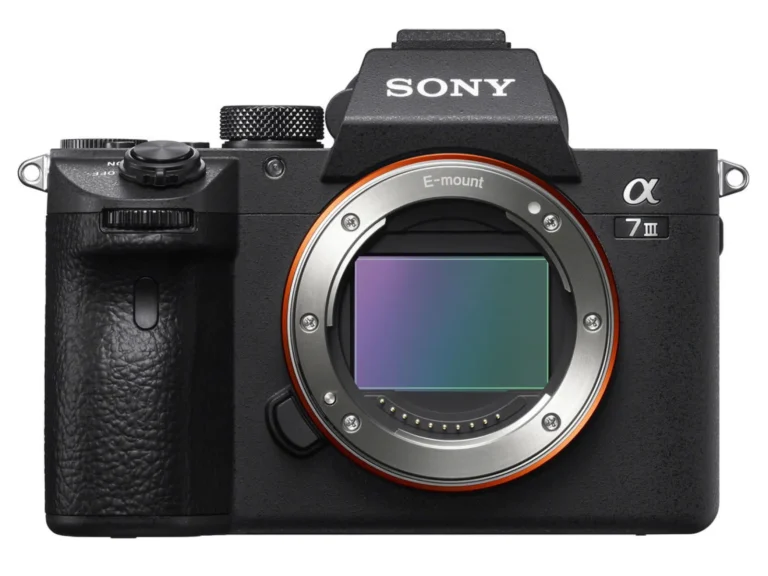
Sony A7 III
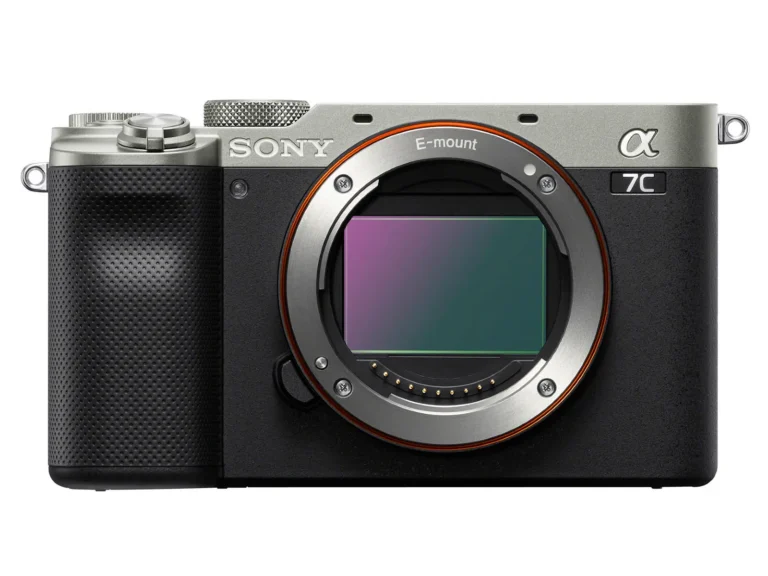
Sony A7C
Sony A7 III (2018) uses a similar 24 MP BSI sensor. It offers great autofocus performance, dual SD card slots, continuous shooting up to 10 fps and oversampled 4K recording. It benefits from Sony’s long-standing E-mount ecosystem, but Nikon cameras match or exceed it in build quality and color science.
When it’s priced similarly to the Nikon Z5 II, the newer Z5 II represents much better value, but Sony A7 III is cheaper when purchased used, since it’s more popular and has been around for longer.
Sony A7C (2020) is essentially the A7 III, but in a more compact rangefinder-style body. It’s ideal for beginners and hobbyists, but the absence of dual card slots makes it less suitable for professional use.
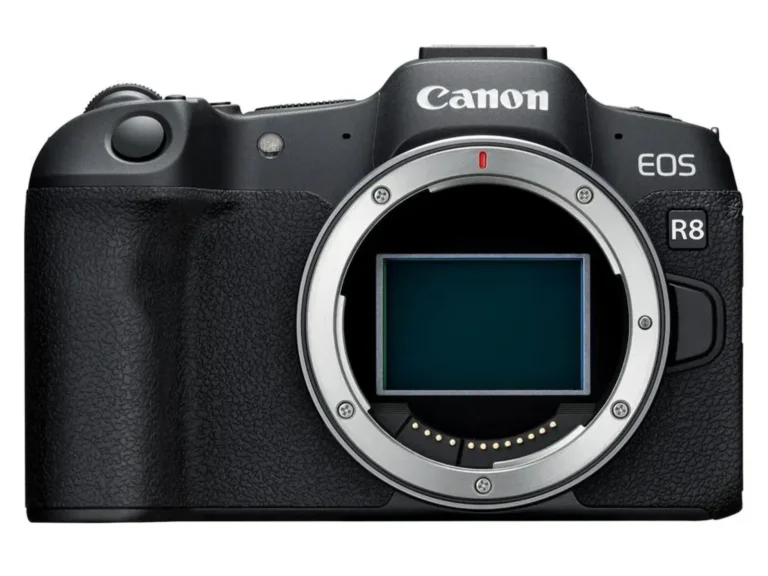
Canon R8
Canon EOS R8 (2023) is Canon’s modern entry-level full-frame model and a major upgrade over the older EOS R and EOS RP. It is essentially a more compact and more affordable version of the Canon EOS R6 Mark II, sharing the same 24 MP sensor and highly advanced autofocus system. Autofocus performance is stronger than in most current Nikon cameras. The R8 offers oversampled 4K 60 fps 10-bit recording without a crop (although rolling shutter distortion is noticeable). It lacks IBIS, has no mechanical shutter and has only one card slot. It can shoot at up to 40 fps in 12-bit RAW with the electronic shutter (with noticeable rolling shutter distortion).
The R8 is a very capable camera, but for photographers, similarly priced alternatives such as the Nikon Z5 II and Sony A7 III may offer a more well-rounded feature set.
Nikon Zf Price
Final Verdict
Nikon Zf is a camera that prioritizes character just as much as performance. Underneath its vintage exterior lies genuinely modern hardware – a proven 24 MP BSI sensor and the powerful EXPEED 7 processor deliver excellent image quality and good autofocus. From a purely technical standpoint, the Zf is very capable camera.
However, it is not the most practical or affordable option in the Z system. Cameras such as the Nikon Z5 II offer more features and much better ergonomics while also being more affordable.
The Z5 II is essentially a Zf in a more modern body with dual full-size SD card slots, internal 12-bit 4K video recording option and a much better grip. It represents a much better entry point into Nikon’s full-frame Z system than the Nikon Zf.