
LUMIX Cameras Explained
LUMIX
LUMIX is a camera brand owned by Panasonic. It’s known for combining strong imaging performance with advanced video features, appealing to photographers, hybrid shooters and dedicated filmmakers. LUMIX offers two major systems built around two different lens mounts:
– LUMIX S Series – Full-Frame cameras using the L-Mount,
– LUMIX G Series – smaller cameras with a Micro Four Thirds sensor and Micro Four Thirds (MFT) mount.
LUMIX S Series - Full-Frame
LUMIX S System represents LUMIX Full-Frame Mirrorless Cameras build around the L-mount.
The L-Mount Alliance – led by Leica with partners Panasonic and Sigma – shares one unified lens mount across multiple brands. This allows photographers to mix and match cameras and lenses freely, with full compatibility and functionality. The result is a flexible, cross-brand system offering a wide range of bodies and lenses without compromise.
LUMIX S series cameras can be split into 4 groups: S1 (the 1st generation flagship full-frame), S1 II (the 2nd generation flagship full-frame), S5 (more affordable full-frame cameras) and S9 (a compact full frame camera).
All S1 and S5 cameras offer weather sealing, dual card slots, IBIS, high resolution EVFs and LCDs and can 4K video recording.
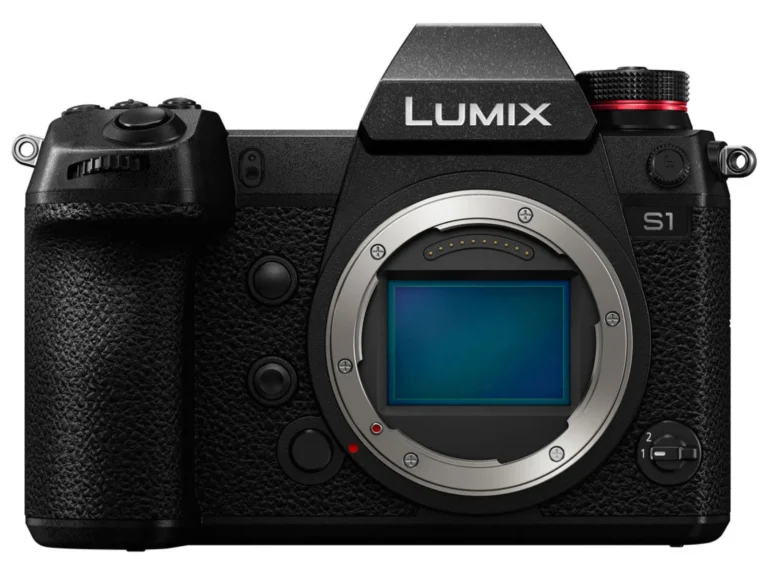
S1
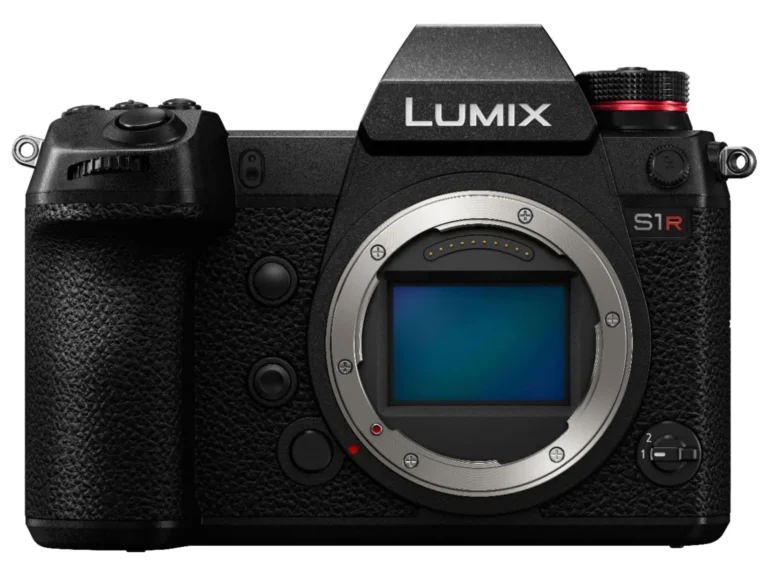
S1R
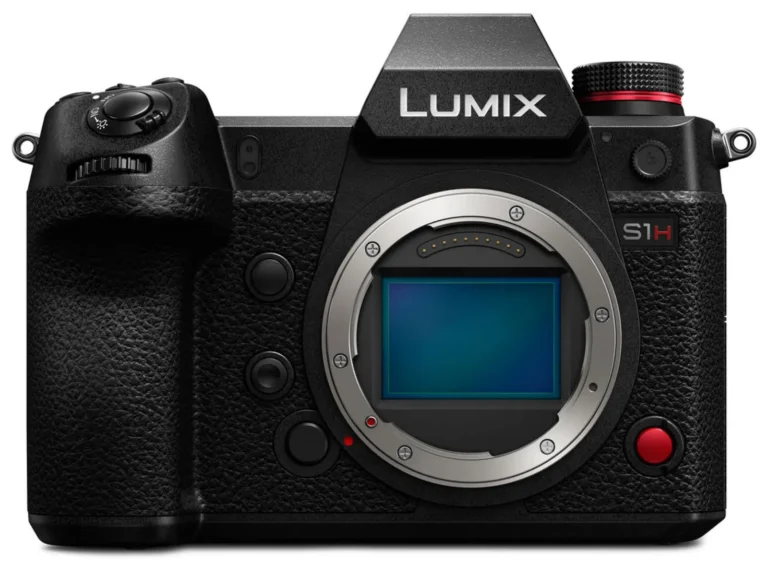
S1H
The 1st Generation (2019):
LUMIX S1 was the original full-frame hybrid with a 24 MP sensor, offering great video features, strong still image quality and a durable, weather-sealed body. It’s versatile for both photography and video, with 4K 60 fps and 10-bit recording options.
LUMIX S1R was announced on the same day and is essentially the S1, but with a 47 MP high-resolution sensor, designed for photographers who need maximum detail, particularly for landscape, studio and commercial work.
LUMIX S1H features the same 24 MP sensor along with high-end video recording options, enhanced low-light performance and an integrated active cooling system, allowing unlimited 6K and 4K recording without overheating. It’s built for cinematographers and serious video creators.
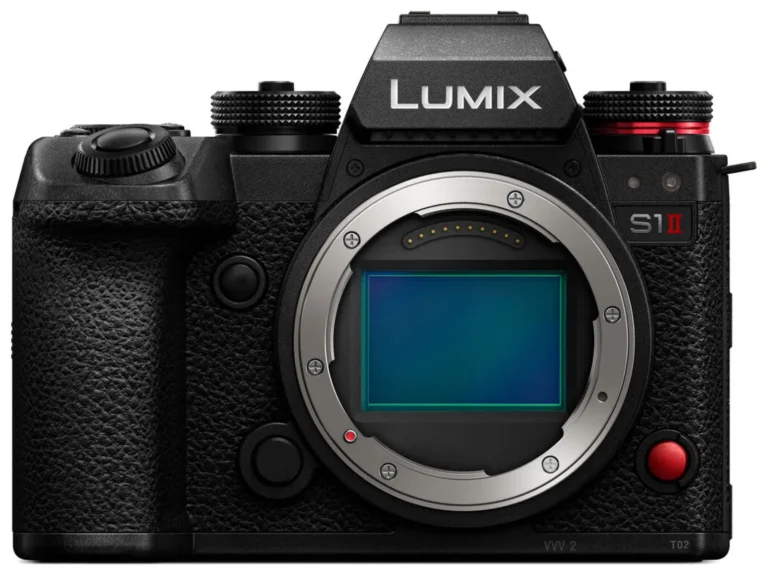
S1 II
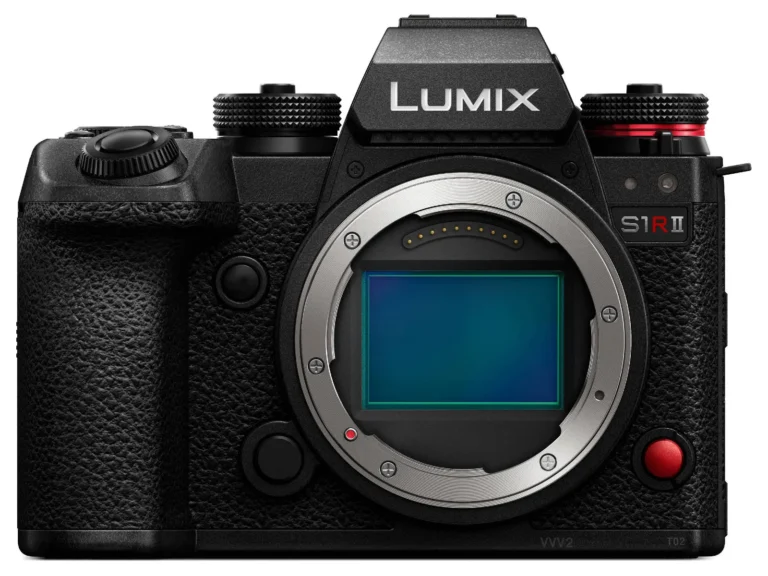
S1R II
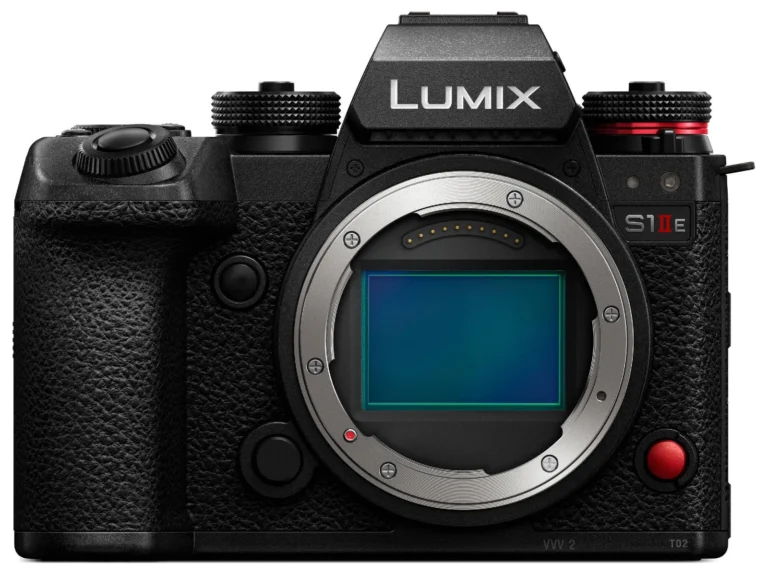
S1 IIE
The 2nd Generation (2025):
LUMIX S1 II builds upon the original with a 24 MP partially stacked sensor borrowed from the Nikon Z6 III. It offers better autofocus performance, fast readout for up to 70 fps continuous shooting, 6K 30 fps and 5.1K 60 fps video recording
LUMIX S1R II is again a high-resolution full-frame hybrid for photographers who demand maximum detail. It features a newer 44 MP BSI sensor and improved autofocus. It also supports professional video workflows, including 8K and 6.4K “open-gate” recording and internal ProRes RAW, making it a versatile tool for both high-res photography and cinematic video.
LUMIX S1 IIE (E stands for ‘Essentials’) is a more affordable variant of the S1 with the same 24 MP sensor, but a newer processor. It’s designed for creators who want good performance in a slightly more affordable body and features 6K 30 fps video and internal 10-bit recording.
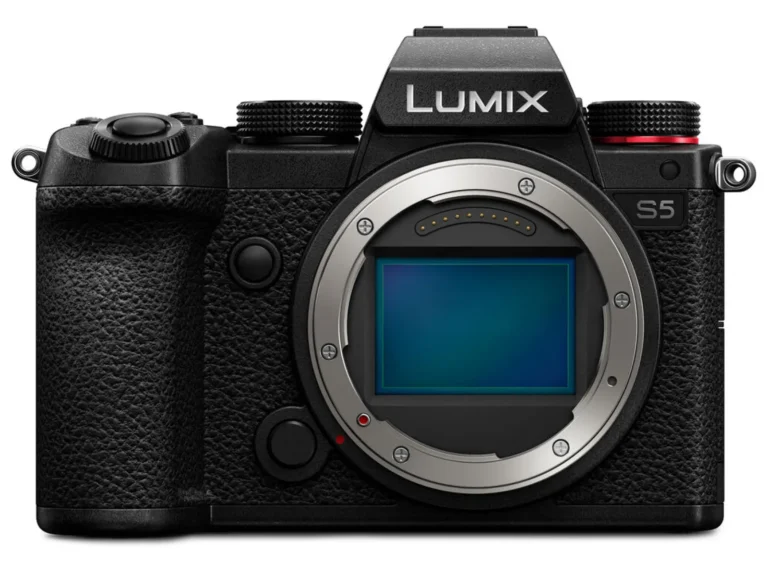
S5
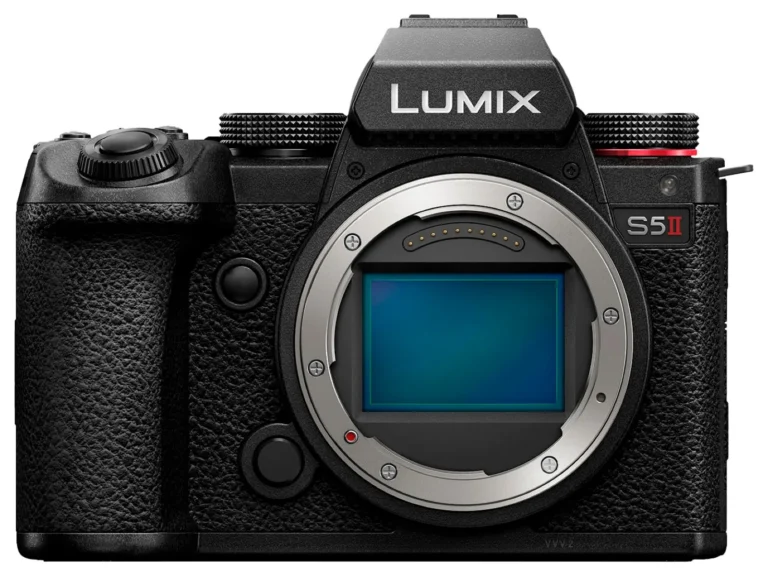
S5 II
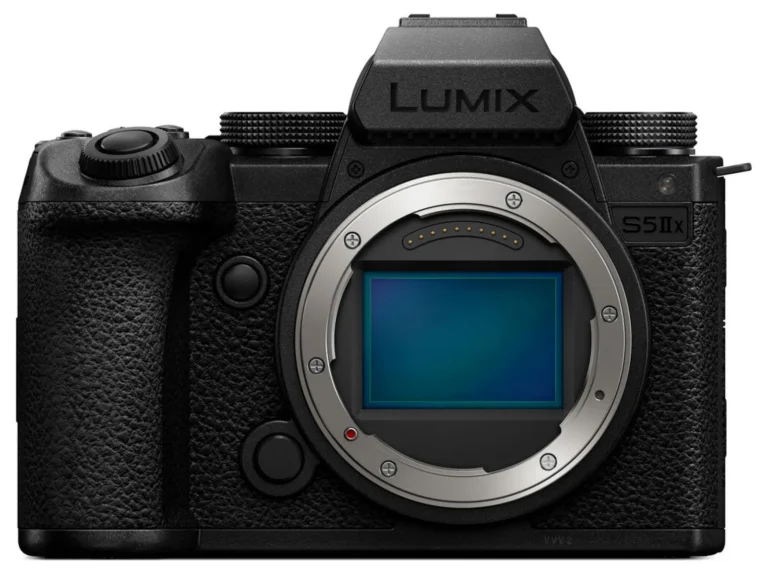
S5 IIX
LUMIX S5 (2020) features the same 24 MP sensor as the original S1, but places it in a more compact, lighter and more affordable body.
LIMIX S5 II (2023) keeps the same 24 MP sensor, but upgrades to a newer processor. It features faster autofocus, improved IBIS, 6K video recording and expanded video codec support, making it a more capable hybrid for professional content creators.
LUMIX S5 IIX (2023) is the videography-focused variant of the S5 II. It adds RAW video output, ProRes and All-Intra recording and USB‑SSD support, making it ideal for filmmakers who need a small, versatile full-frame camera.
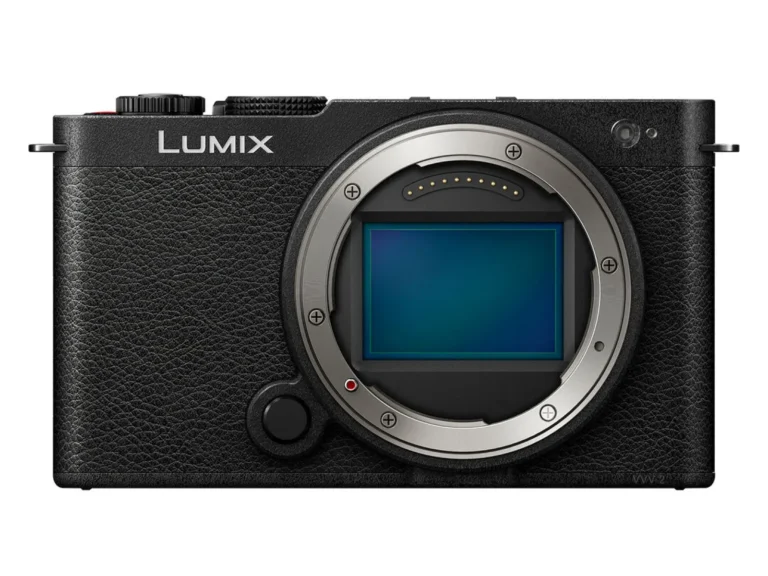
S9
LUMIX S9 (2024) is an extremely compact camera that uses the same 24 MP sensor as the original S1 and the S5 series. It has no EVF, no IBIS, no mechanical shutter and has only 1 SD card slot. It can only capture 12-bit photos, video recording is limited and rolling shutter distortion is a huge issue in both photo and video mode due to the older sensor with slower readout speed.
LUMIX G Series - MFT
Panasonic LUMIX G Series cameras use the Micro Four Thirds (MFT or M4/3) sensor format, which is smaller than APS-C. They also use the Micro Four Thirds lens mount. This mount and sensor size are shared exclusively by OM System (formerly Olympus) and Panasonic LUMIX, meaning both brands are fully compatible with the same MFT lenses.
The smaller sensor enables faster readout speeds, highly reliable autofocus and excellent in-body image stabilization. However, it’s important to understand that in terms of pure image quality – especially low-light performance and dynamic range – Micro Four Thirds cameras generally fall behind similarly priced APS-C models and of course, full-frame systems.
The first camera in the series was the LUMIX DMC-G1, released in 2008. This was also the first commercially available mirrorless camera ever. Within the G lineup, Panasonic offers multiple sub-series tailored to different users. Originally there were 4 lineups:
– LUMIX G – high-end
– LUMIX GH – video-focused
– LUMIX GX – mid-range
– LUMIX GF – entry-level
Since 2008, Panasonic has released about 40 cameras in the G Series, all featuring the MFT sensor and MFT mount. This makes navigating the current G Series lineup extremely confusing and Panasonic’s naming scheme doesn’t really help.
For easier understanding, this is roughly how the lineups could be considered today:
– LUMIX GH – high-end, video-focused
– LUMIX G + Single Digit – high-end
– LUMIX G + Double Digit – mid-range
– LUMIX GX + Single Digit – rangefinder-style mid-range to entry-level cameras
– LUMIX GX + Double Digit – rangefinder-style entry-level cameras (discontinued)
– LUMIX GF – entry-level (discontinued)
– LUMIX GM – entry-level (discontinued)
– LUMIX G + Triple-digit – smaller vlogging cameras
In recent years, sales of MFT cameras and lenses have been declining and new releases are rare. The most recent models are the GH7 (2024), G97 (2024) and the G9 II (2023). Which models are still available for sale mostly depends on your country or region.
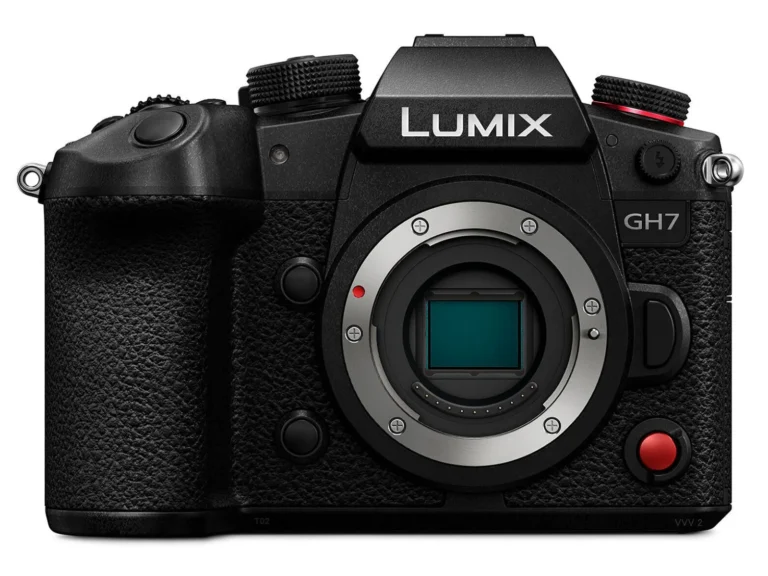
GH7
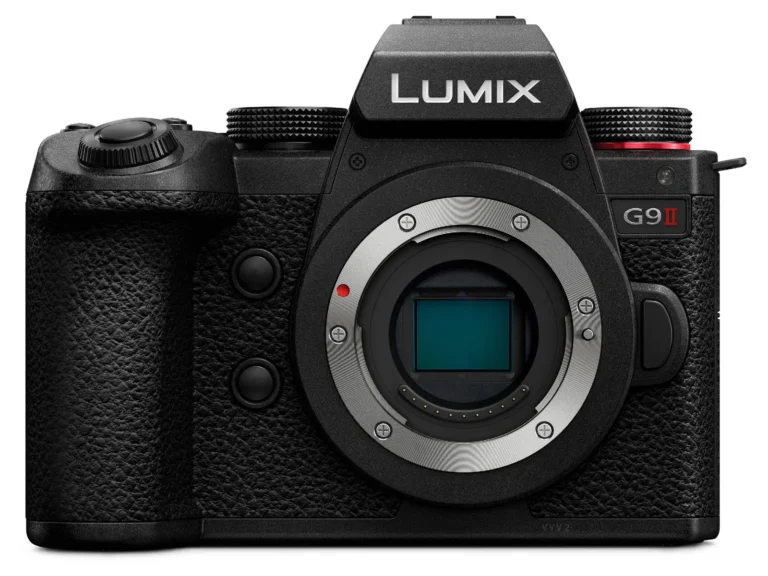
G9 II
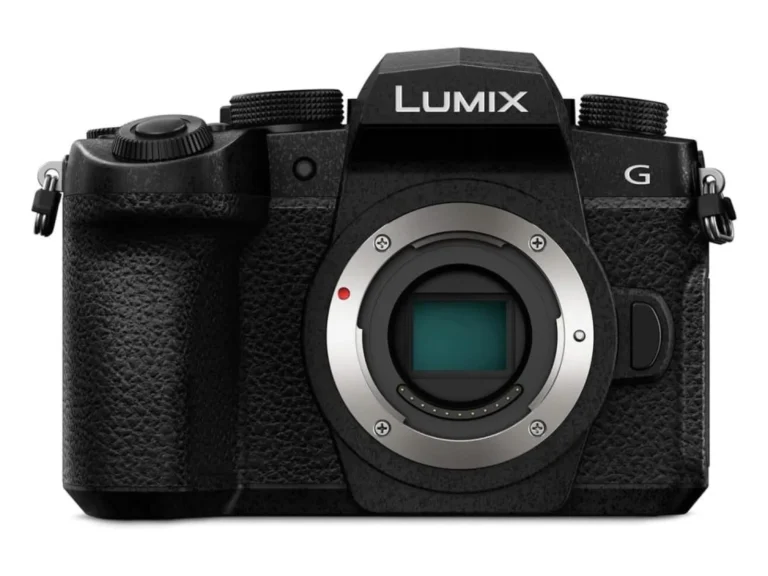
G97
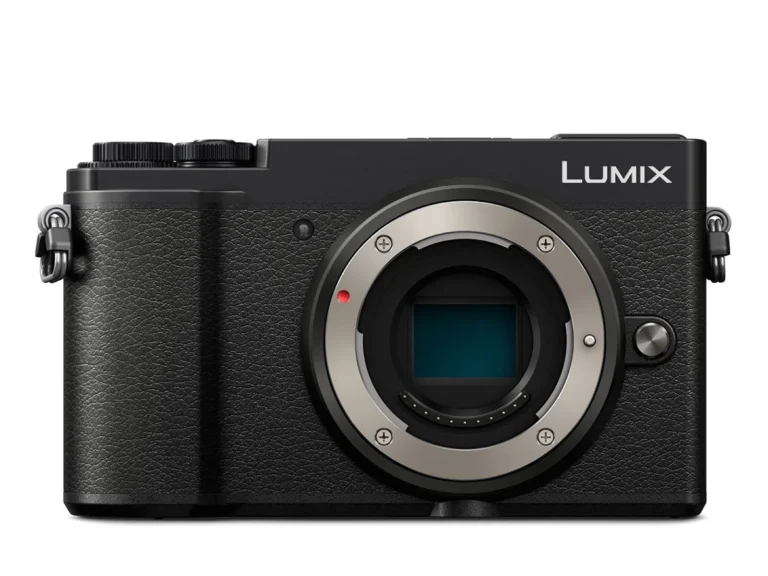
GX9
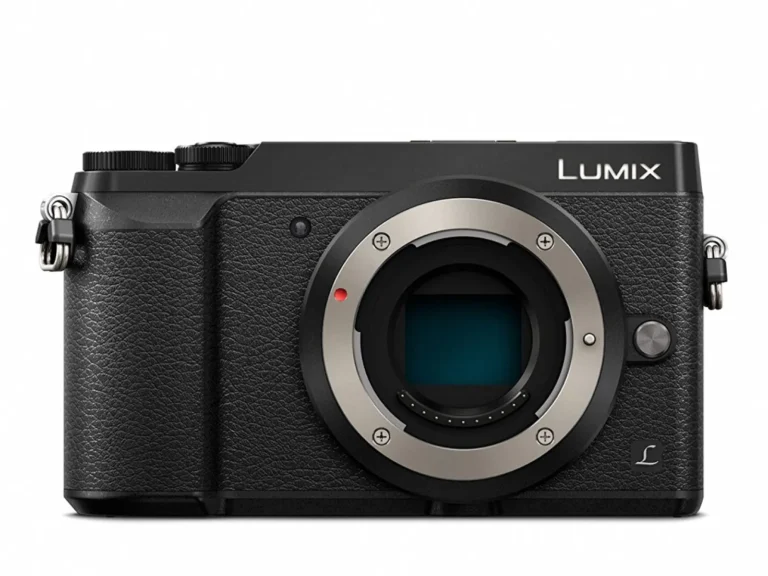
GX85
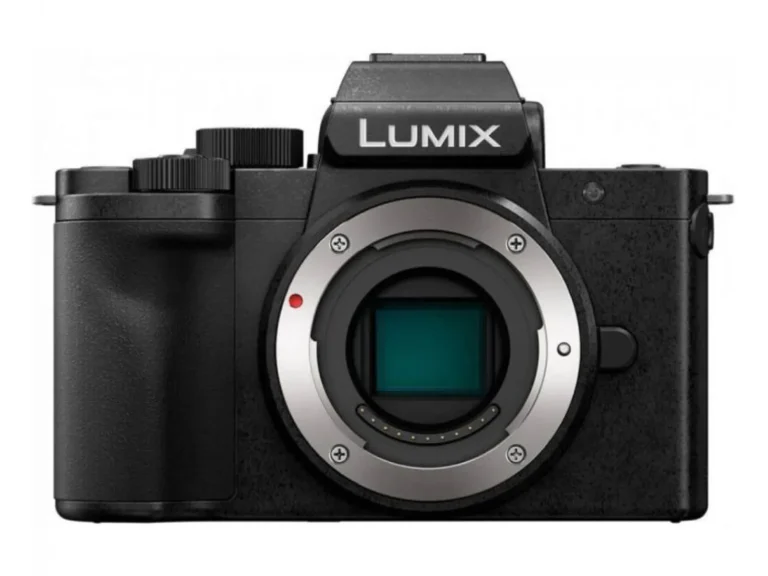
G100D
| G97 | GH7 | G9 II | GH6 | GH5 II | G100 | G95 | GX9 | GH5S | G9 | G85 | |
|---|---|---|---|---|---|---|---|---|---|---|---|
| Release | 2024 | 2024 | 2023 | 2022 | 2021 | 2020 | 2019 | 2018 | 2018 | 2017 | 2016 |
| Megapixels | 20 MP | 25 MP | 25 MP BSI | 25 MP | 20 MP | 20 MP | 20 MP | 20 MP | 10 MP | 20 MP | 16 MP |
| IBIS | 5-axis | 5-axis | 5-axis | 5-axis | 5-axis | No | 5-axis | 5-axis | No | 5-axis | 5-axis |
| Weather Sealing | Yes | Yes | Yes | Yes | Yes | No | Yes | No | Yes | Yes | Yes |
| Screen Type | Articulated | Articulated | Articulated | Articulated | Articulated | Articulated | Articulated | Tilting | Articulated | Tilting | Articulated |
| LCD Resolution | 1.84M | 1.84M | 1.84M | 1.84M | 1.84M | 1.84M | 1.04M | 1.24M | 1.04M | 1.04M | 1.04M |
| EVF Resolution | 2.36M | 3.68M | 3.68M | 3.68M | 3.68M | 2.36M | 2.36M | 2.76M | 3.68M | 3.68M | 2.36M |
| Card Slots | 1 | 2 | 2 | 2 | 2 | 1 | 1 | 1 | 2 | 2 | 2 |
| Continuous Shooting | 9 fps | 75 fps | 60–75 fps | 14 fps | 12 fps | 10 fps | 9 fps | 9 fps | 12 fps | 20 fps | 9 fps |
| Max Recording | 4K 30p | 5.8K 30p | 4K 60p | 5.7K 60p | 4K 60p | 4K 30p | 4K 30p | 4K 30p | DCI 4K 60p | 4K 60p | 4K 30p |
Panasonic Cinema Cameras
Panasonic box-style cameras are built for video creators that need tools engineered specifically for filmmaking. They are widely used in film, broadcast, live events, in corporate studios and streaming environments. Their compact cube design also suits gimbals and robotic rigs. As modular system cameras, they typically require additional gear such as external power, monitors, cages and control interfaces, making them ideal for integrated multi-camera workflows rather than handheld use. They use stronger codecs, offer better color control and are designed for long, uninterrupted recording.
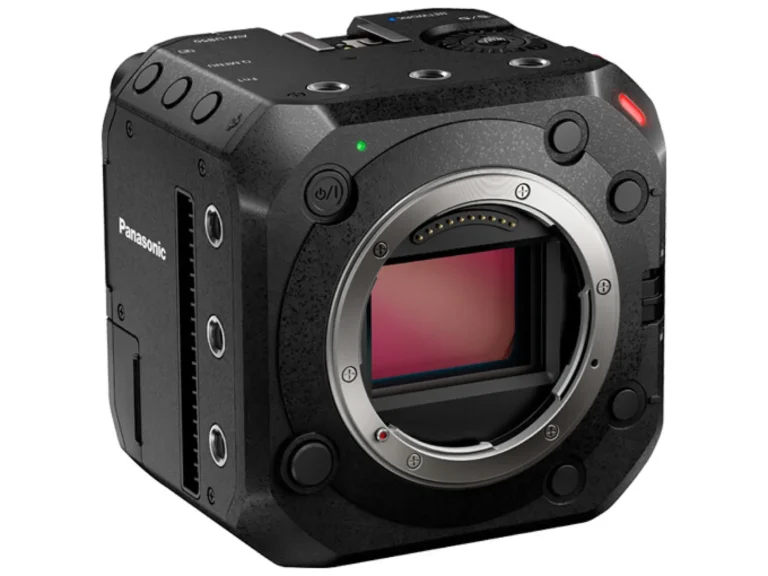
AW-UB50
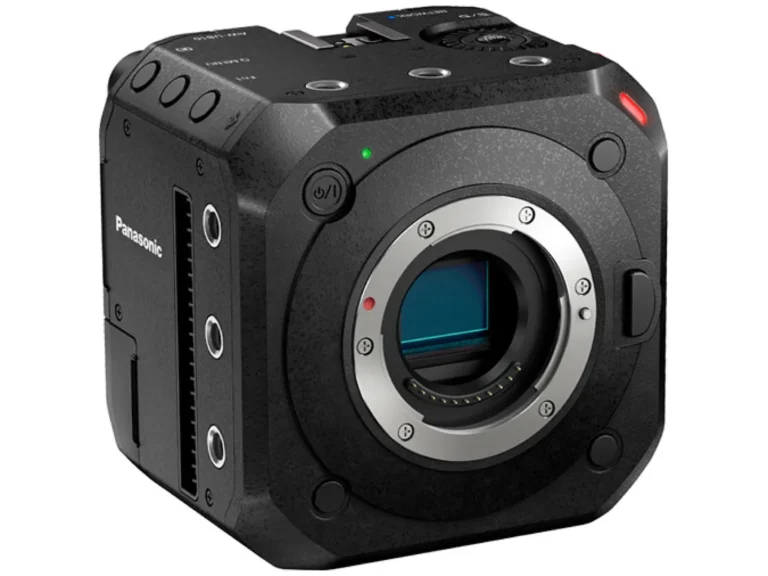
AW-UB10
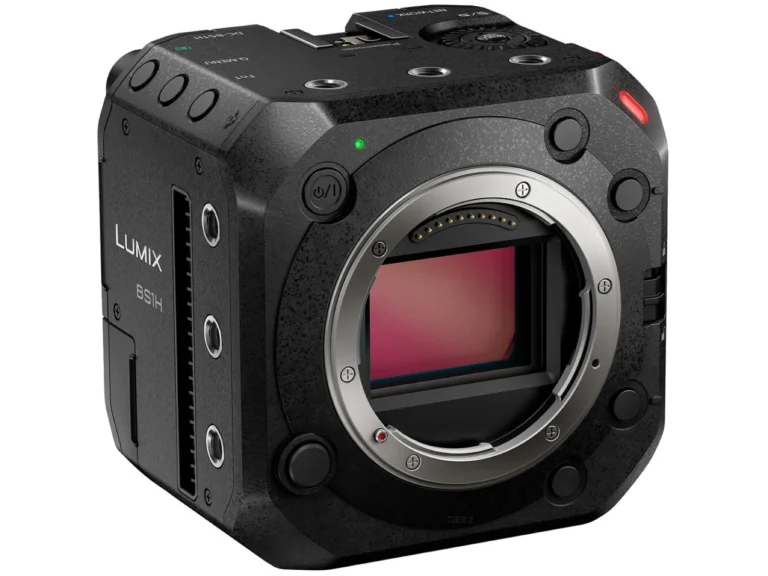
BS1H
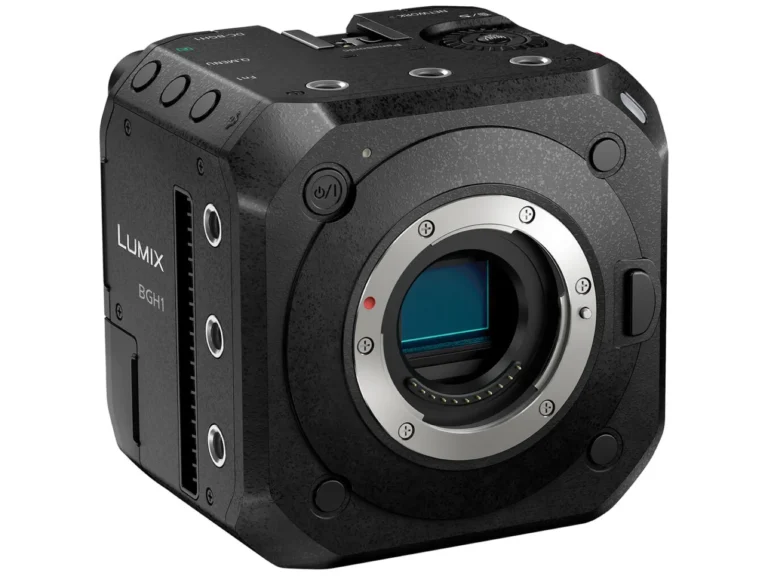
BGH1
Panasonic AW cameras were released in 2024. The UB50 features a 24.2 MP full-frame sensor and the L Mount. The UB10 features a 10 MP MFT sensor and the MFT Lens Mount.
LUMIX BS1H (2021) features a 24.2 MP full-frame sensor and the L Mount. LUMIX BGH1 (2020) features a 10 MP MFT sensor and the MFT Lens Mount.
LUMIX Fixed-Lens Cameras
Alongside its interchangeable-lens cameras, Panasonic developed a wide range of compact fixed-lens LUMIX cameras, offering solid performance in small, portable bodies. There are 4 main series of LUMIX fixed-lens cameras:
– LUMIX LX – premium compact cameras
– LUMIX ZS – compact superzoom cameras
– LUMIX FZ – large superzoom ‘bridge’ cameras
– LUMIX TS – small tough cameras (waterproof, shockproof, dustproof, freezeproof)
The LX, ZS and FZ series could also be further separated into several lineups based on the zoom range:
– LUMIX LX – premium compact cameras (zoom range about 24-70 mm)
– LUMIX ZS + Double Digit – compact superzoom cameras (zoom range 24-720 mm)
– LUMIX ZS + Triple Digit – compact superzoom cameras (zoom range 24-360 mm)
– LUMIX FZ + Double Digit – large superzoom ‘bridge’ cameras (zoom range 24-1200 mm)
– LUMIX FZ + Triple Digit – large superzoom ‘bridge’ cameras (zoom range 24-600 mm)
– LUMIX FZ + Quadruple Digit – large superzoom ‘bridge’ cameras (zoom range about 24-400)
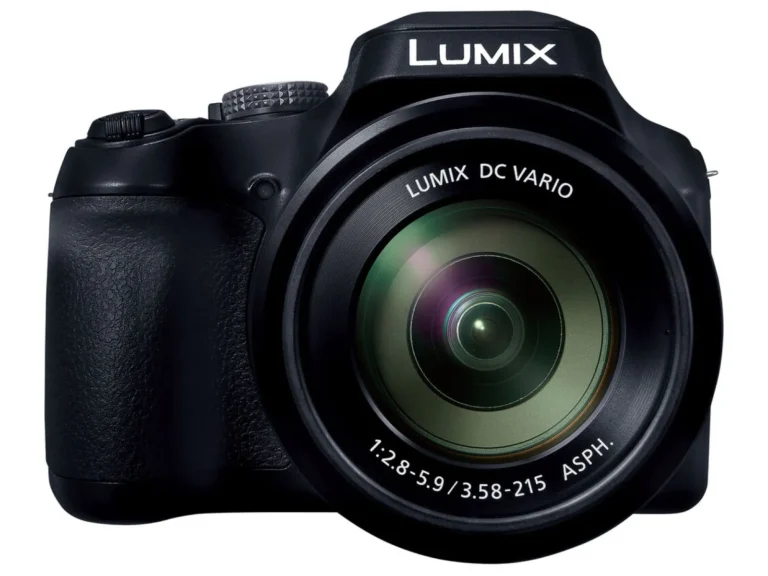
FZ80D
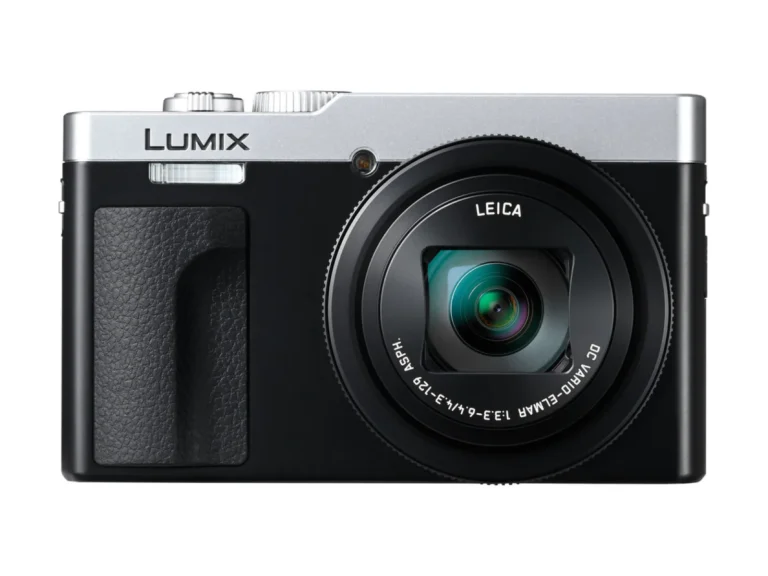
ZS99
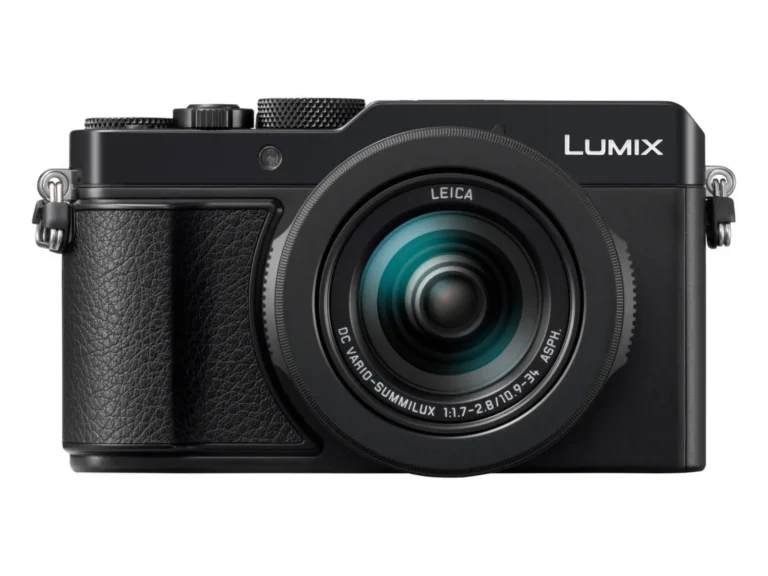
LX100 II
LUMIX FZ80D (2024) is a large bridge camera, featuring an enormous 20-1200 mm (60x) zoom lens paired with an 18 MP sensor.
LUMIX ZS99 (2024) is Panasonic’s newest compact camera featuring a 20 MP 1-inch sensor and a 24-720 mm (30x) Leica-branded zoom lens.
LUMIX LX100 II (2018) is a premium compact camera with a 17 MP MFT sensor and a fast 24-75mm f/1.7–2.8 Leica-branded lens. It’s important to note that the LX100 II and the Leica D-Lux 7 are essentially the same camera sharing the same sensor, processor, lens and all other specs. The only difference is that the Leica costs twice as much.