Fujifilm has become one of the most respected names in modern digital photography thanks to its commitment to classic design, excellent color science and highly capable mirrorless systems. Fujifilm focuses on two systems:
– X Series – APS-C cameras using a Fujifilm X-mount (introduced in 2012)
– GFX Series – Medium Format cameras using a Fujifilm G-mount (introduced in 2017)
This page provides an overview of all Fujifilm mirrorless cameras.
FUJIFILM X Series
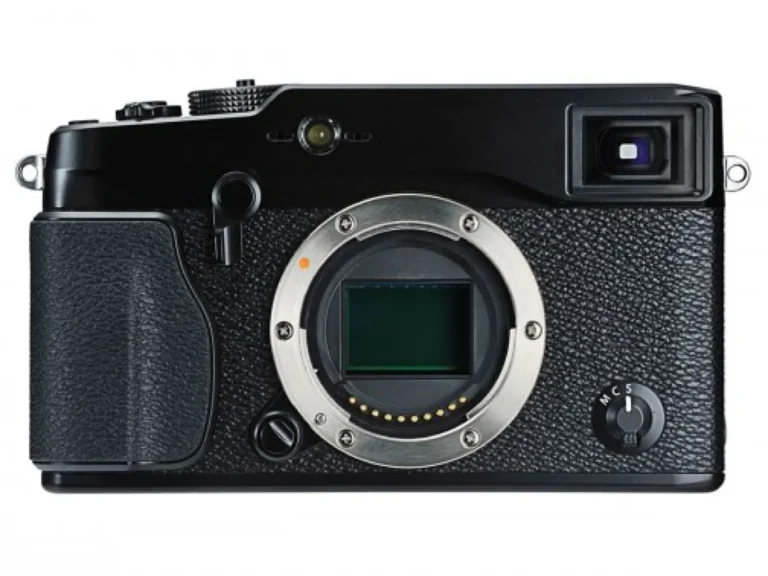
Fujifilm X Series cameras all use APS-C sensors and the Fujifilm X-mount. They are known for compact bodies that resemble classic film cameras with tactile manual controls and film simulation profiles that edit JPEG files in-camera. The series was first introduced in 2012 with the original X-Pro 1.
Fujifilm organizes its APS-C cameras into several categories:
– X-H Series: High-performance hybrid flagships with modern design and modern controls – X-T Series (high-end): High-performance hybrid cameras with manual controls – X-T Series (mid-range): Mid-range hybrids with manual controls – X-E Series: Entry-level cameras
– X-S Series: Mid-range hybrid cameras with useful videography features – X-Pro Series: Rangefinder-style premium cameras – X100 Series: Premium compact fixed-lens cameras with manual controls
– X-A Series: discontinued entry-level cameras
Fujifilm aims to create cameras for every type of photographer and every budget. This is why they use the same sensor across multiple bodies. For example: when the 40 MP sensor was introduced in 2022, it first appeared in the flagship X-H2 and was later packaged into different bodies: the high-end X-T5, mid-range X-T50, entry-level X-E5 and a fixed lens camera X100VI.
Resolution
Sensor
Cameras
40.2 MP
X-Trans V HR sensor
X-H2, X-T5, X-T50, X-E5, X100VI
26.16 MP
X-Trans V HS sensor
X-H2S
26.1 MP
X-Trans IV sensor
X-T30 III, X-T30 II, X-T30, X-T4, X-T3, X-Pro3, X-S20, X-S10, X-E4, X-M5, X100V
24.3 MP
X-Trans III sensor
X-Pro2, X-T2, X100F, X-T20, X-E3, X-H1
16.3 MP
X-Trans II sensor
X100S, X100T, X-E2, X-T1, X-T10, X-E2S, X70
16.3 MP
X-Trans sensor
X-Pro1, X-E1, X-M1
FUJIFILM APS-C Cameras
X-H - Flagship
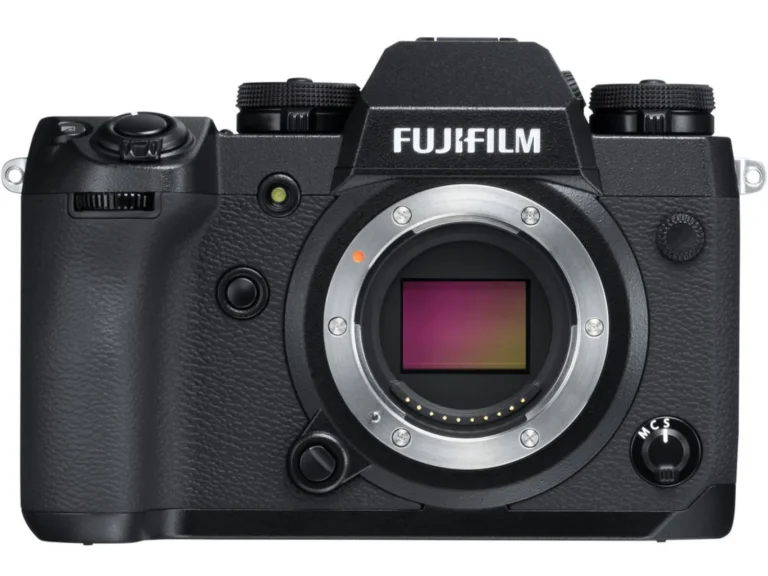
X-H1
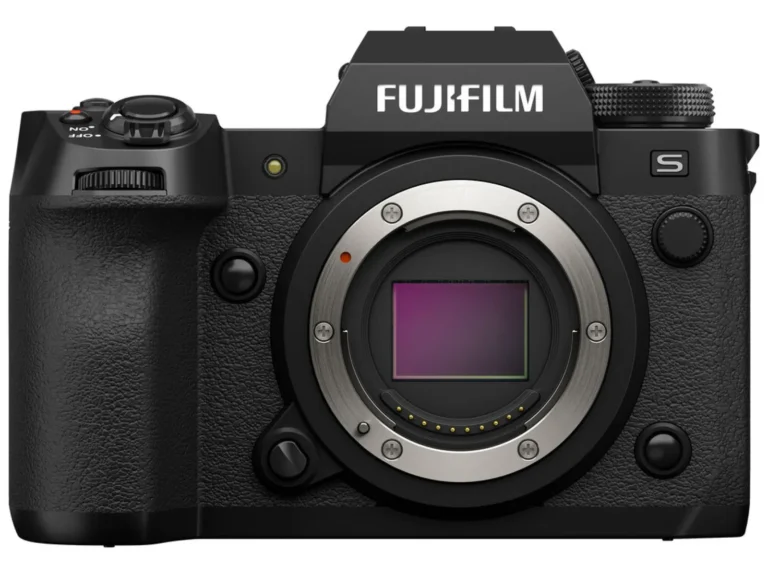
X-H2S
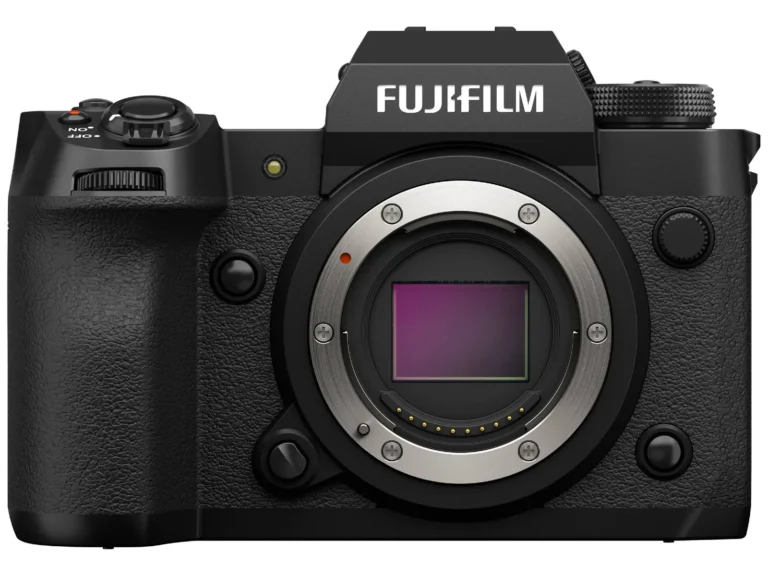
X-H2
Fujifilm’s flagship bodies offer a modern, professional design, rugged weather sealing and excellent ergonomics. They are designed with professional photographers and videographers in mind and compared to all other Fujifilm cameras, they lack traditional ‘retro’ manual dials for shutter speed, ISO and aperture.
Fujifilm X-H2 and X-H2S were both released in 2022. They share an identical modern weather-sealed body. Both feature the same X-Processor 5, great IBIS, excellent EVF and LCD panels and dual SD/CFexpress card slots. Their main differences come from their sensors and video capabilities.
The X-H2 uses a 40 MP sensor and is built for capturing high-resolution stills. It can shoot at up to 15 fps and record 8K video, but its low-light performance and rolling shutter distortion are worse than on the X-H2S due to the high-resolution sensor.
The X-H2S uses a 26 MP stacked sensor (the only stacked sensor in Fujifilm’s lineup), giving it faster autofocus, higher burst rates (15 fps mechanical, up to 40 fps electronic), significantly better low-light performance and much less rolling shutter distortion. It can record high-quality 6.2K video and it still produces excellent photos.
The X-H1 (2018) is an older model with an older 24 MP sensor.
X-T - High-End APS-C
X-T1 IR
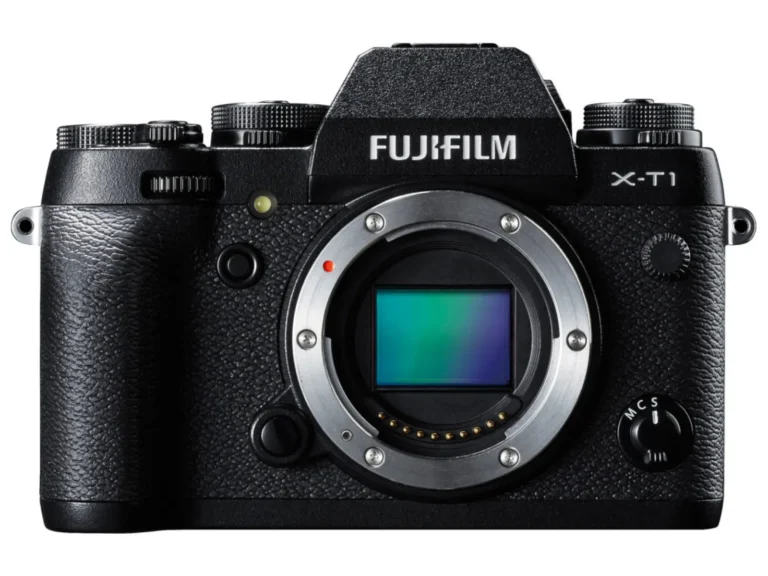
X-T1
X-T2
X-T3
X-T4
X-T5
High-end X-T cameras sit below the flagship X-H series. They feature classic Fujifilm dials for ISO, shutter speed and exposure compensation, giving them a retro, photography-focused feel.
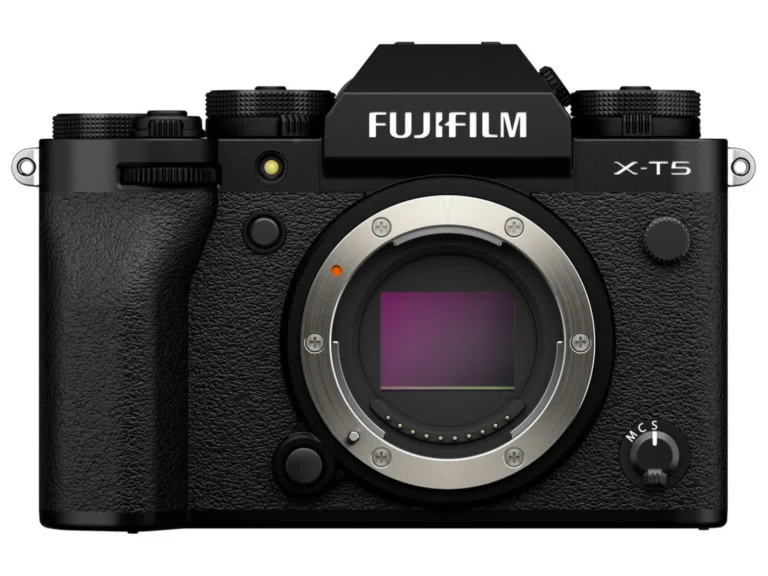
The X-T5 (2025) is essentially an X-H2 in a smaller, cheaper body with manual controls. It features the same 40 MP sensor and X-Processor 5. It features IBIS, weather sealing, dual SD card slots, a tilting screen and can record 6.2K video.
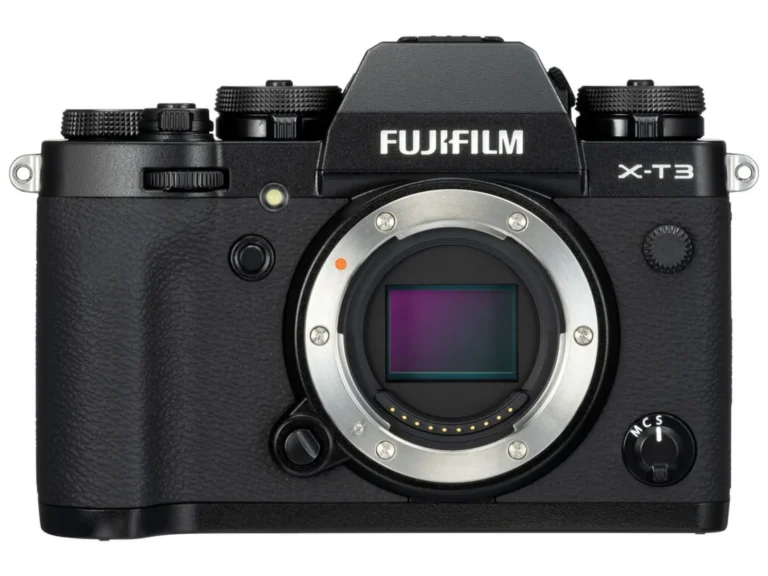
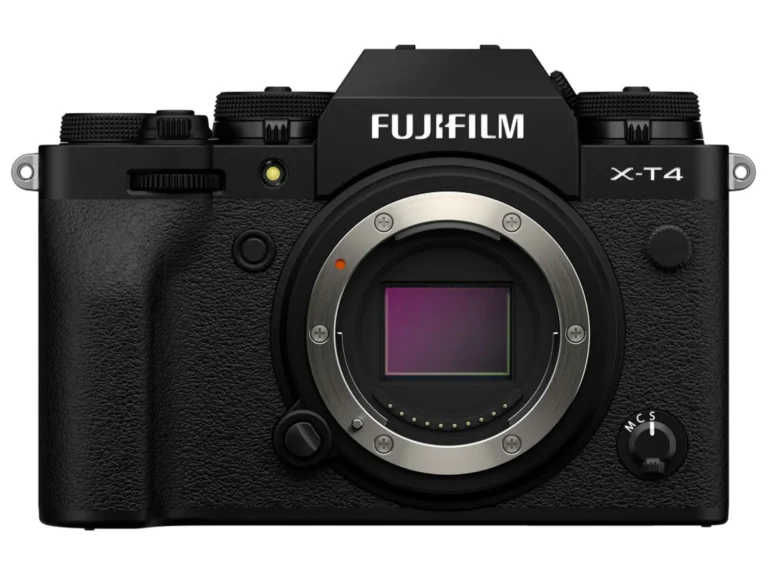
The X-T4 (2020) and X-T3 (2018) share the same 26 MP sensor and X-Processor 4. Both can capture 4K 60 fps video. They also share the same EVF, but the X-T4 adds IBIS, a better LCD, a larger battery and a fully articulating screen.
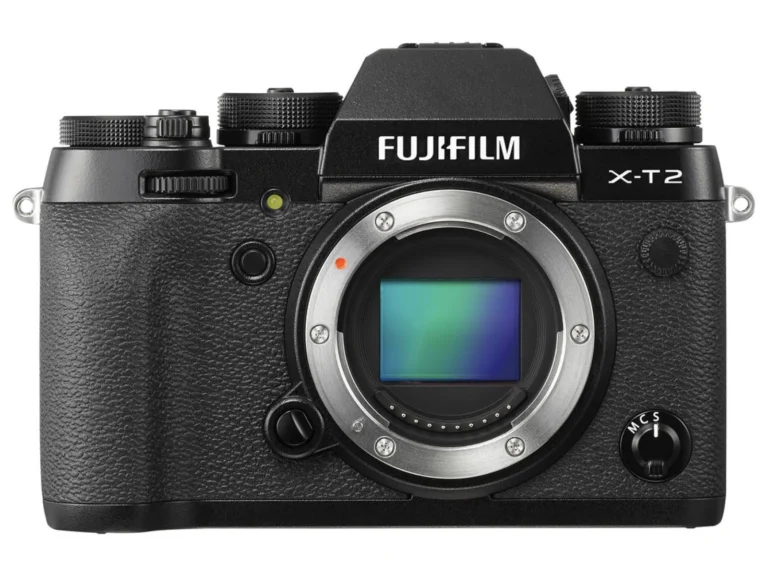
The X-T2 (2016, 24 MP), X-T1 IR (2015, 16 MP) and the X-T1 (2014, 16 MP) use older sensors and older processors.
X-T - Mid-Range APS-C
X-T50
X-T30 III
X-T30 II
X-T30
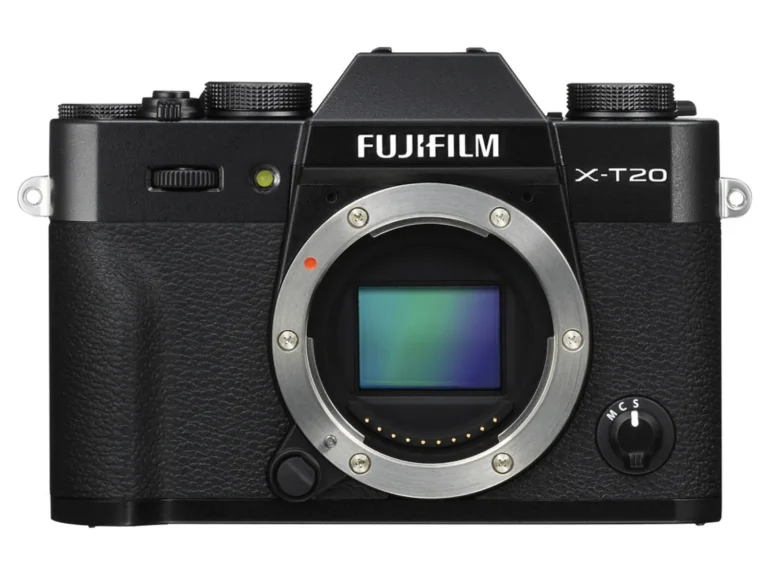
X-T20
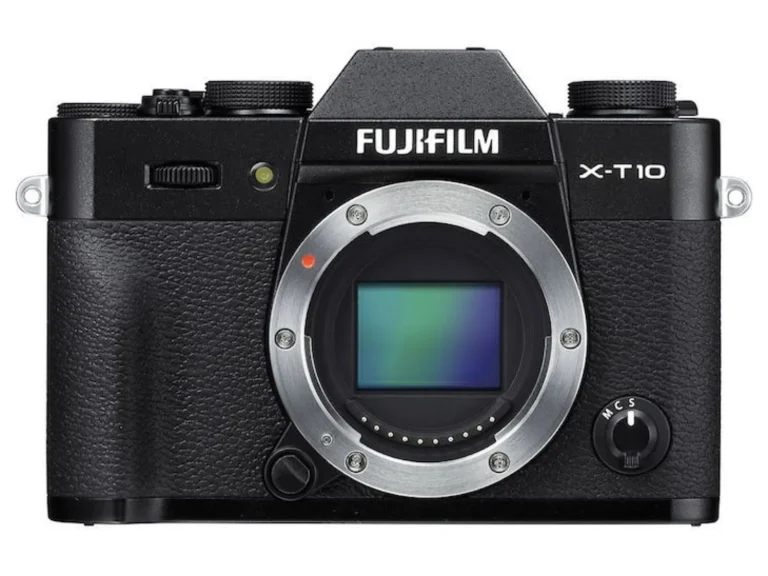
X-T10
Mid-range X-T (two-digit) cameras sit below the higher-end X-T line. They also feature classic Fujifilm dials.
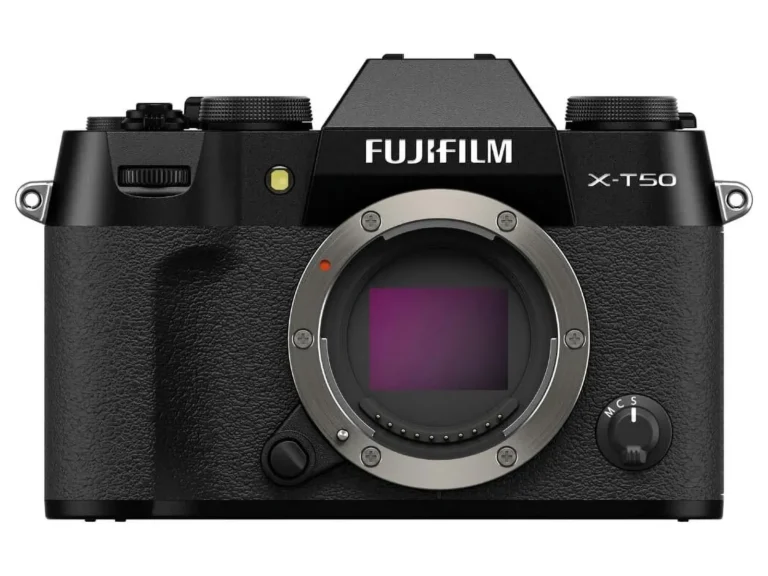
The X-T50 (2024) is essentially the X-T5 in a smaller, more affordable body, using the same 40 MP sensor and X-Processor 5. It features IBIS, weather sealing, a single SD card slot, a tilting screen and can record 6.2K video. It also uses smaller batteries.
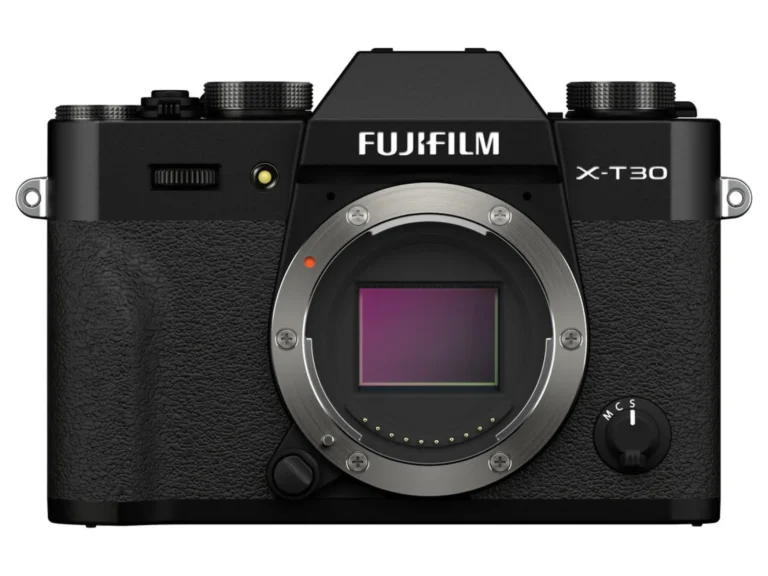
The X-T30 III (2025) uses the same 26 MP sensor as the X-T4 and X-T3, but includes the newer X-Processor 5, enabling better AF and more video options than its predecessors. It can record 6.2K 30 fps video with a 1.23x crop and 4K 60 fps without a crop.
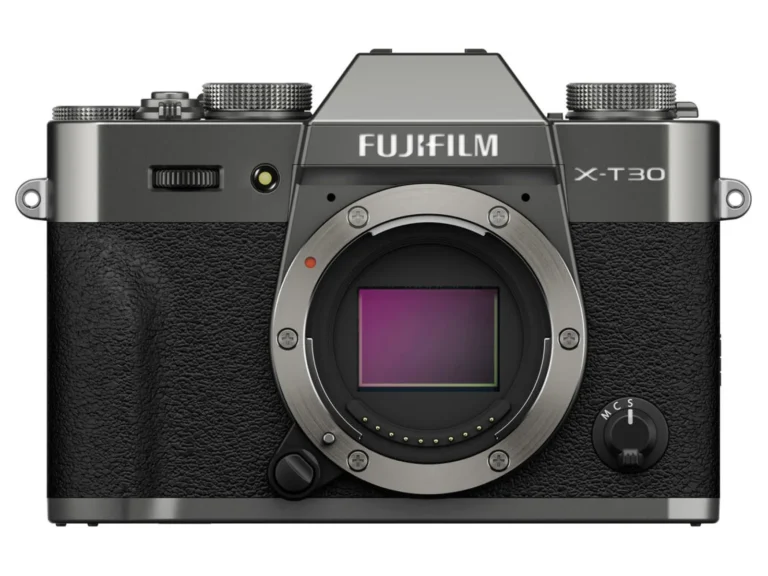
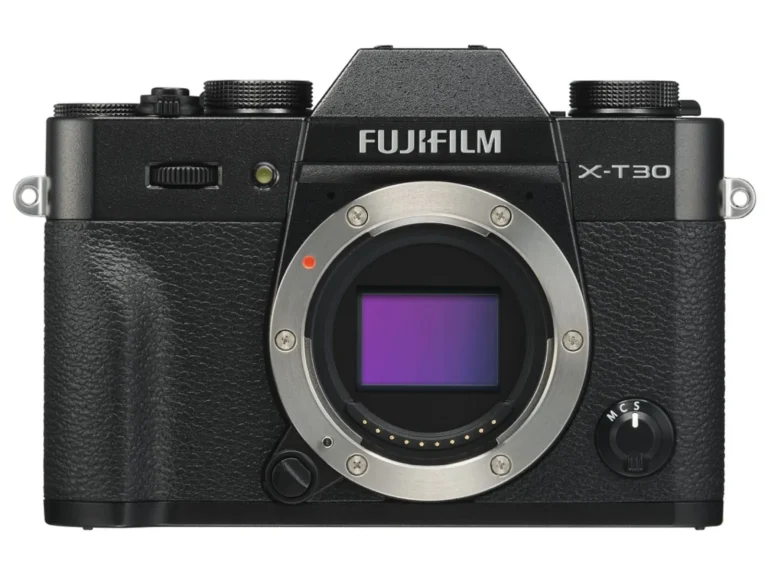
The X-T30 II (2021) and X-T30 (2019) also use the same 26 MP sensor but rely on an older X-Processor 4. All three X-T30 models have a tilting screen, single SD card slot, 4K 30 fps video recording, the same EVF and nearly identical body designs, but they all lack IBIS and weather sealing.
The X-T20 (2017, 24 MP) and X-T10 (2015, 16 MP) use older sensors and older processors.
X-E - Entry-level APS-C
X-E5
X-E4
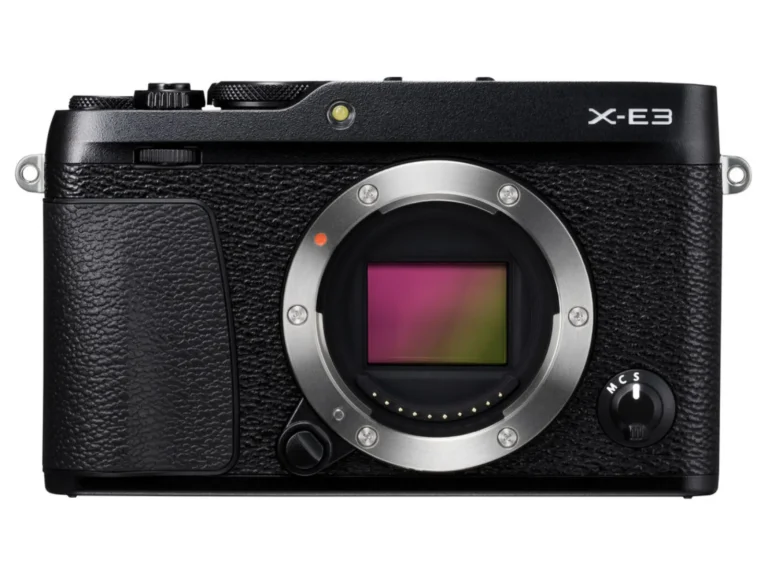
X-E3
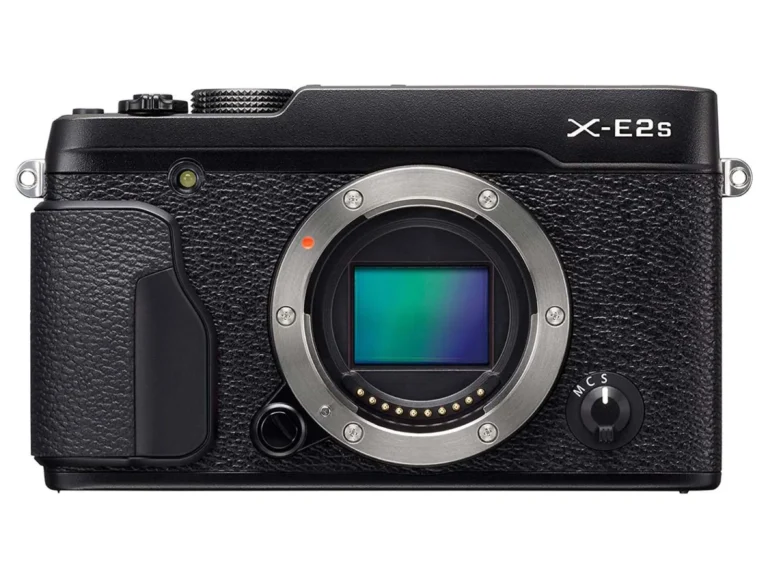
X-E2S
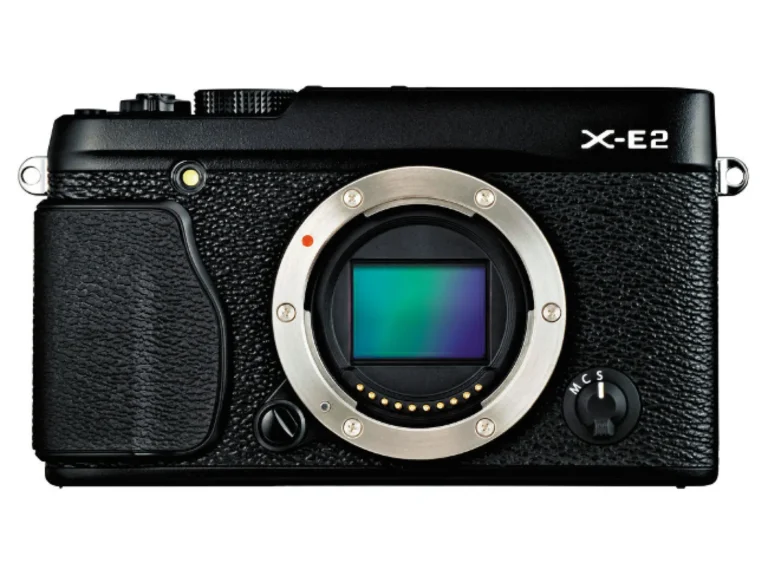
X-E2
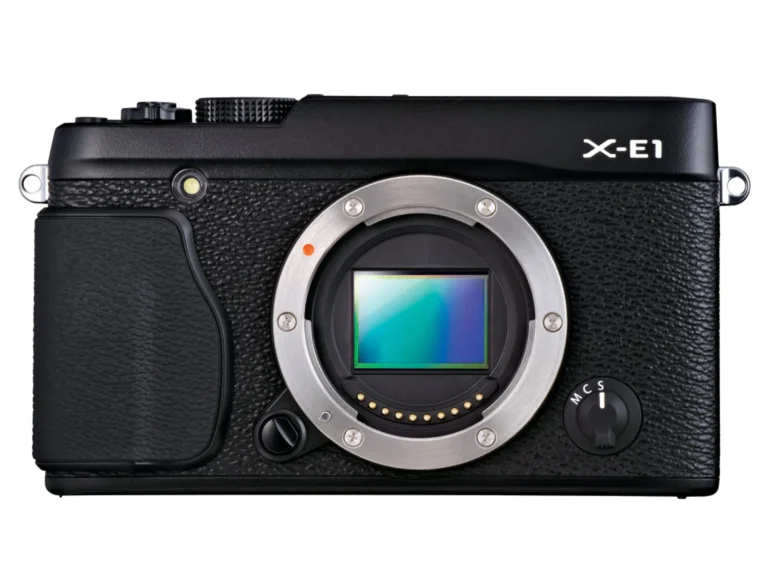
X-E1
Fujifilm X-E series is positioned below the mid-range X-T line and features even more compact bodies, while still offering classic Fujifilm dials. These are entry-level APS-C cameras with less features, but they still use the same sensors found in high-end models, resulting in comparable image quality.
The X-E5 (2025) is a budget-friendly, smaller version of the X-T50, offering the same 40 MP sensor and X-Processor 5. It has a single SD card slot, a tilting screen, the same EVF and batteries and it can also record 6.2K video. It offers the same image quality but lacks the X-T50’s IBIS and weather sealing.
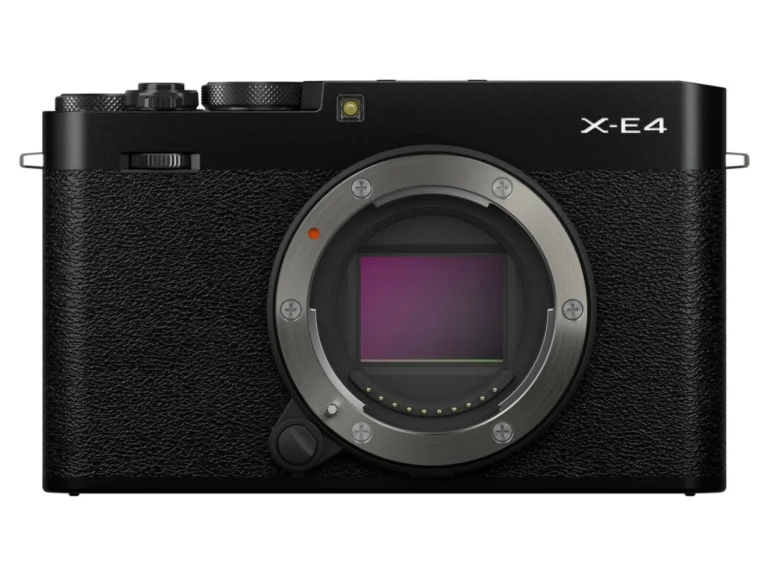
The X-E4 (2021) is a smaller, more affordable version of the X-T30/X-T30 II with the same 26 MP sensor and X-Processor 4. It has a single SD slot, a tilting screen, the same EVF and batteries and can record up to 4K 30 fps. It also lacks IBIS and weather sealing.
The X-E3 (2017, 24 MP), X-E2S (2016, 16 MP), X-E2 (2013, 16 MP) and X-E1 (2012, 16 MP) are now considered outdated.
X-S - Video Focused
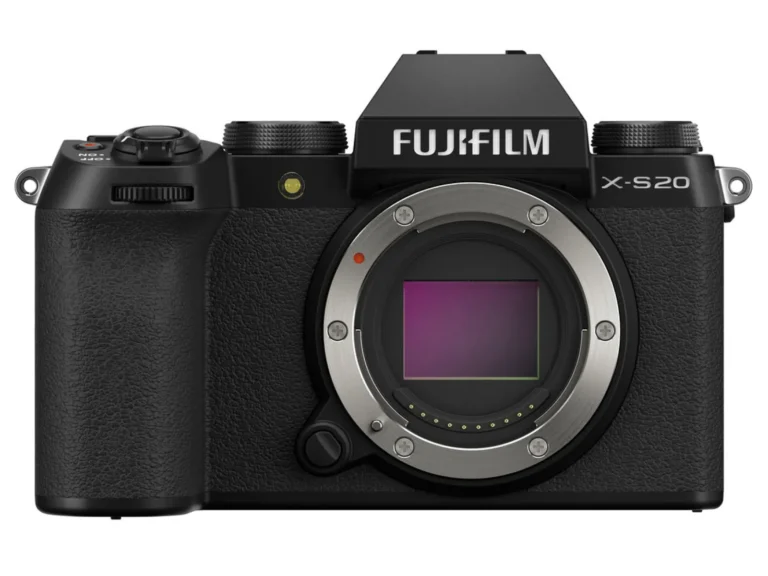
X-S20
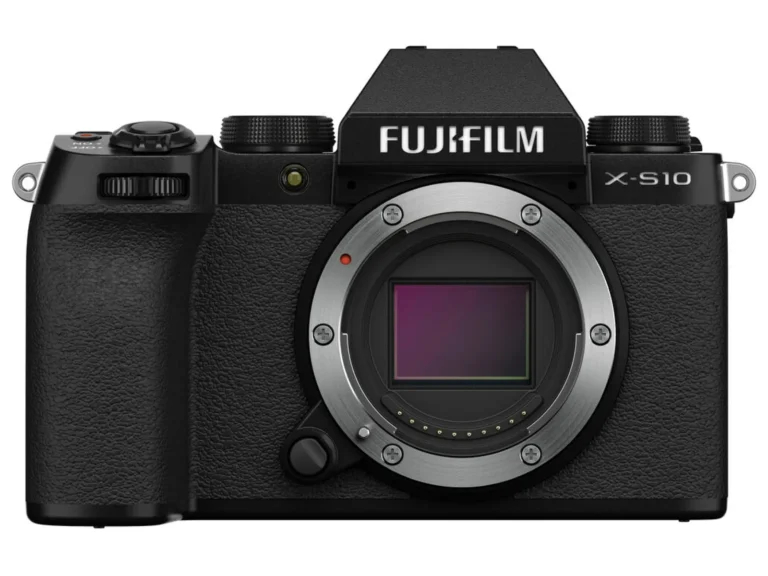
X-S10
Fujifilm X-S10 (2020) features a 26 MP sensor – the same as in X-T4, X-T3, X-T30 III and X-E4 – and X-Processor 4. It offers good IBIS, strong autofocus and great hybrid performance in a compact body.
Fujifilm X-S20 (2023) features the same 26 MP sensor but upgrades to the faster X-Processor 5, delivering better AF and improved video recording. It’s often seen as a budget-friendly version of the video-focused flagship X-H2S.
X-Pro - Hybrid Viewfinder
X-Pro 1
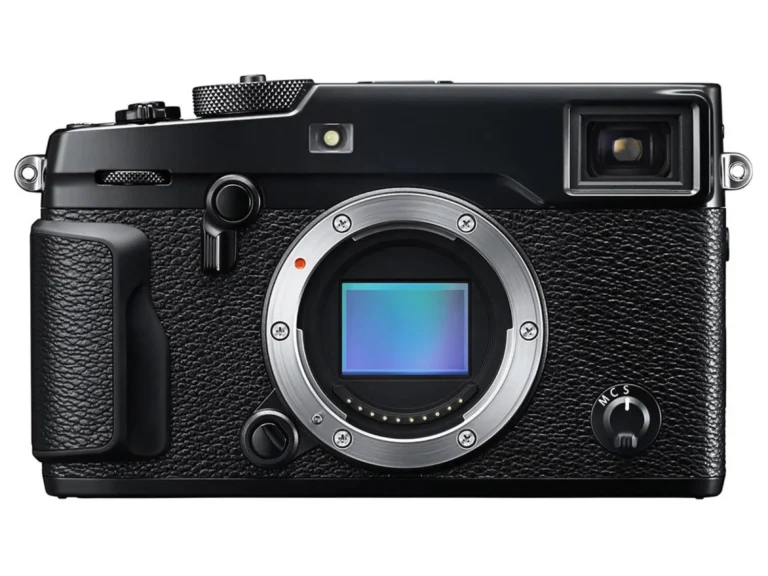
X-Pro 2
X-Pro 3
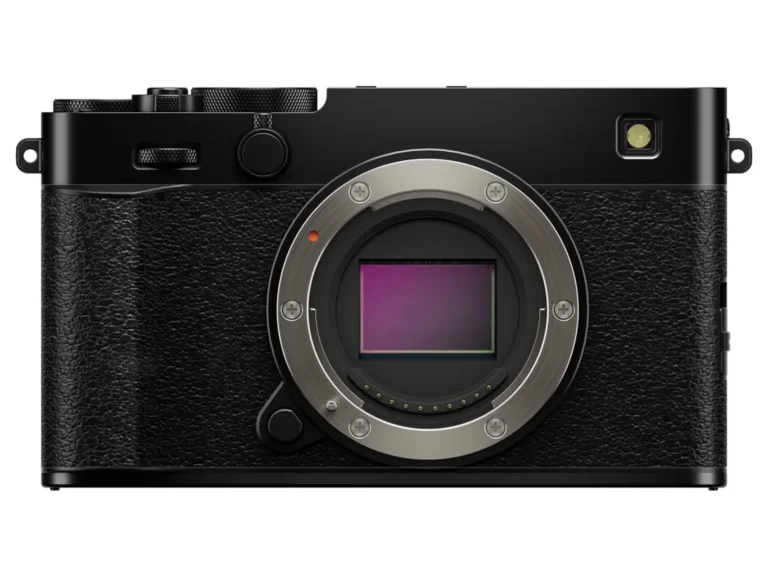
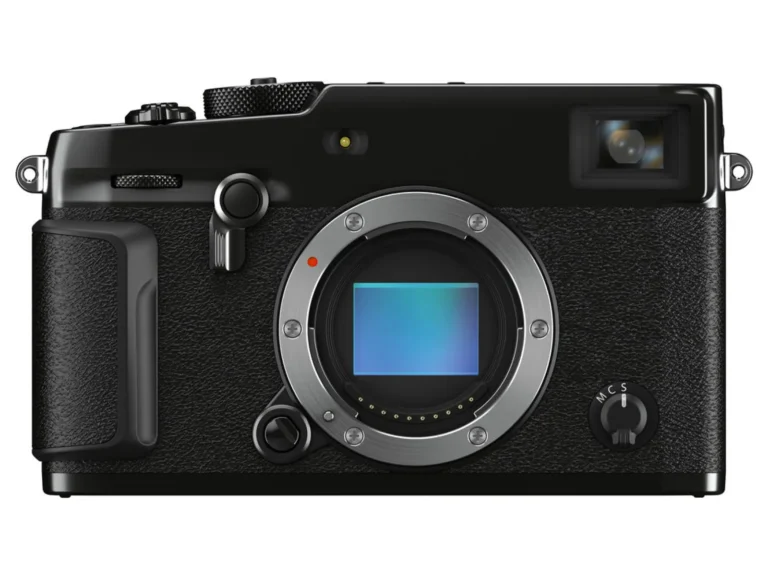
Fujifilm X-Pro3 (2019) features a 26 MP sensor and X-Processor 4, along with a hybrid optical/electronic viewfinder. Its unique inward-facing hidden LCD encourages viewfinder shooting, with a small display panel showing essential settings. It’s technically a high-end APS-C camera, but due to its unusual design, is generally only suited for enthusiasts and not professionals. It offers dual SD card slots, weather sealing and can record 4K 30 fps video.
The X-Pro 2 (2016, 24 MP) and X-Pro 1 (2012, 16 MP) are now considered outdated.
Discontinued Series
Fujifilm has phased out several entry-level and early APS-C lines. The X-A series offered beginner-friendly bodies with simple controls and no viewfinder. The X-T100 and X-T200 served as affordable mid-range hybrids but lacked some advanced features found in the current X-T lineup. Some recent models remain popular on the used market.
FUJIFILM Compact Cameras
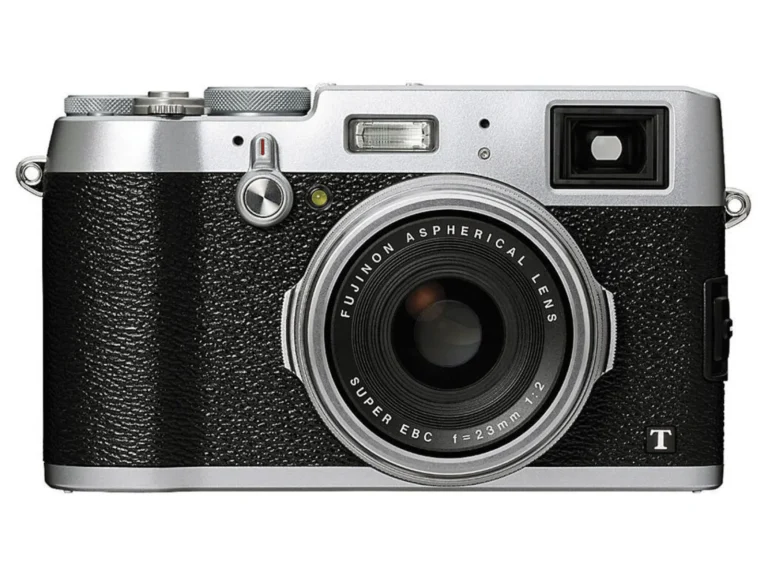
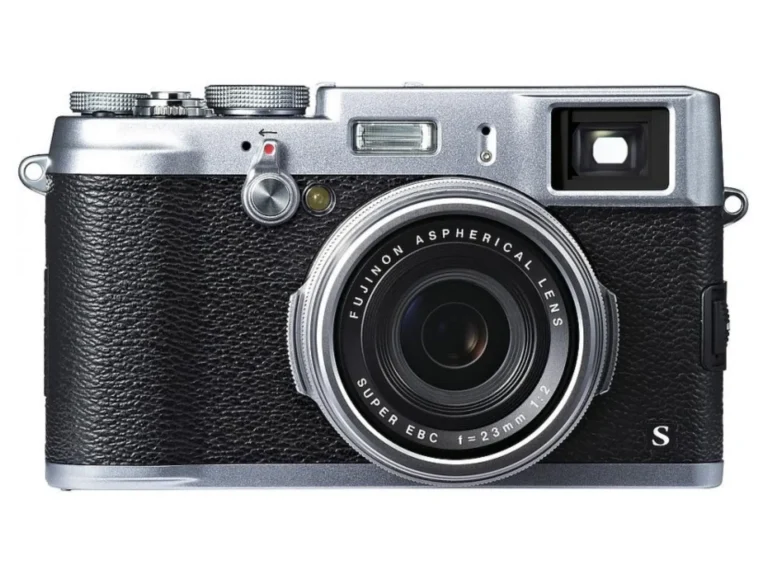
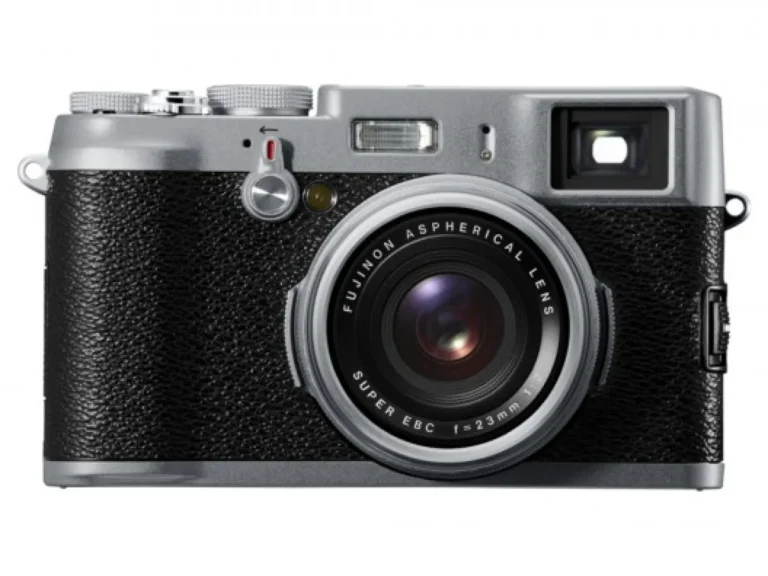
Fujifilm X100 series cameras offer premium build quality, classic design and advanced APS-C sensors, but in a fixed-lens body with manual controls, making them ideal for street photography and travel. These cameras are favored by professionals as secondary bodies and by enthusiasts who want portability without sacrificing image quality. All X100 series cameras feature a 23 mm f/2 lens.
X100VI
X100V
X100F
X100T
X100S
X100
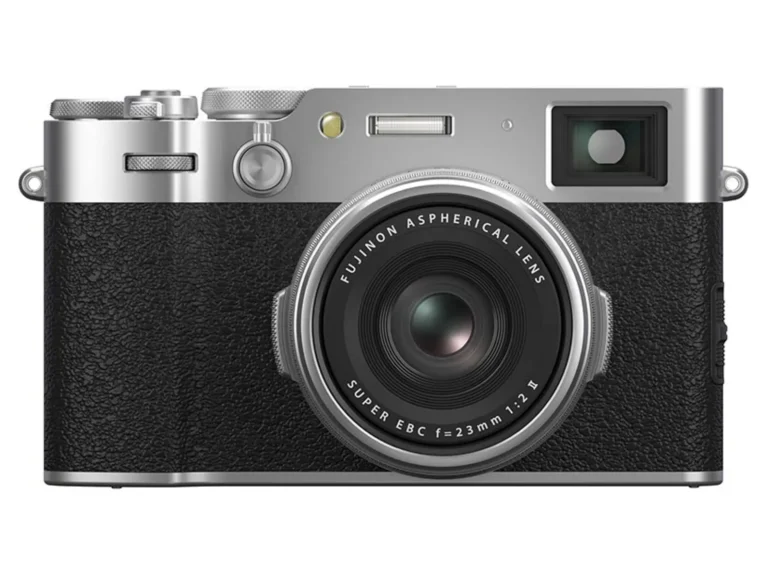
The X100VI (2024) features a 40 MP sensor and X-Processor 5 (just like the X-H2, X-T5, X-T50, X-E5) offering amazing quality, great AF performance and 6.2K video recording. It adds IBIS for the first time in the X100 line.
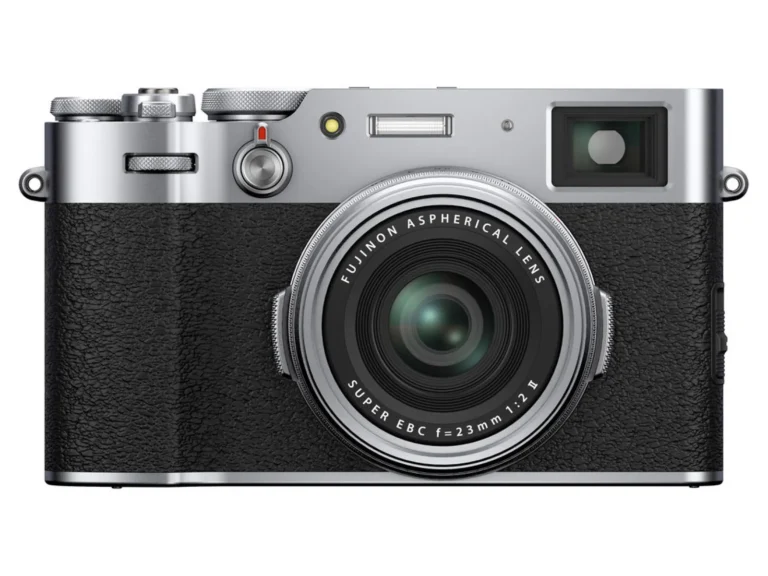
The X100V (2020) uses a 26 MP sensor and X-Processor 4 (the same as the X-T4, X-T3, X-T30 II, X-E4, X-Pro 3) providing excellent image quality and advanced autofocus.
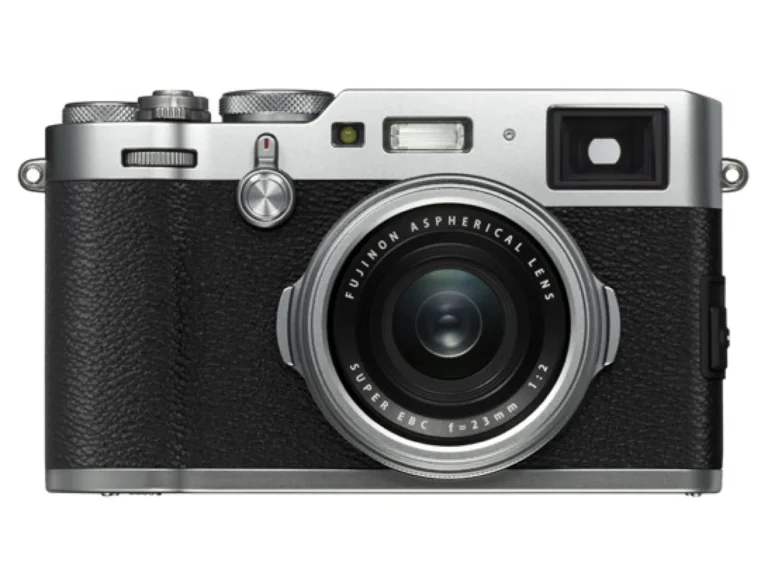
The X100F (2017) uses a 24 MP sensor paired with the X-Processor Pro, delivering strong image quality. It has performs well for still photography, even in low light and while it lacks video capabilities when compared to newer models, it remains popular among photographers who want a compact, reliable camera.
The X100T (2014) and X100S (2013) both feature an older 16 MP sensor. The X100T features a better EVF, LCD and has better AF.
The original X100 (2011) introduced Fujifilm’s fixed-lens APS-C mirrorless concept with a 12 MP sensor, a 23 mm f/2 fixed lens and a hybrid optical/electronic viewfinder, pioneering the compact, retro X100 design.
FUJIFILM GFX Medium Format Cameras
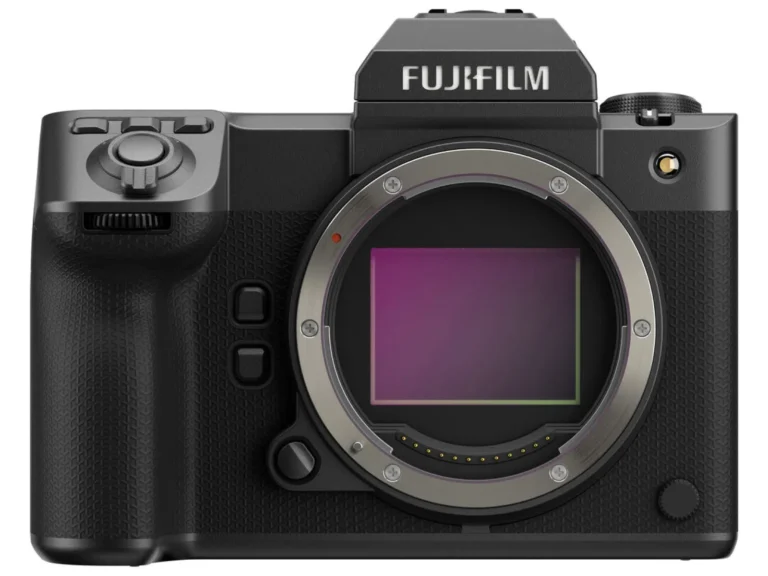
Fujifilm GFX medium format system delivers some of the highest image quality available on the market. All GFX cameras use the Fujifilm G-mount. They are weather-sealed and feature dual card slots, high-resolution tilting LCD screens and high-resolution EVFs. Despite their large sensors, Fujifilm designs GFX bodies to be relatively lightweight and approachable, offering intuitive controls and excellent color science at a relatively accessible price.
GFX 100 II
GFX 100S II
GFX 100S
GFX 100
GFX 100 RF
ETERNA 55
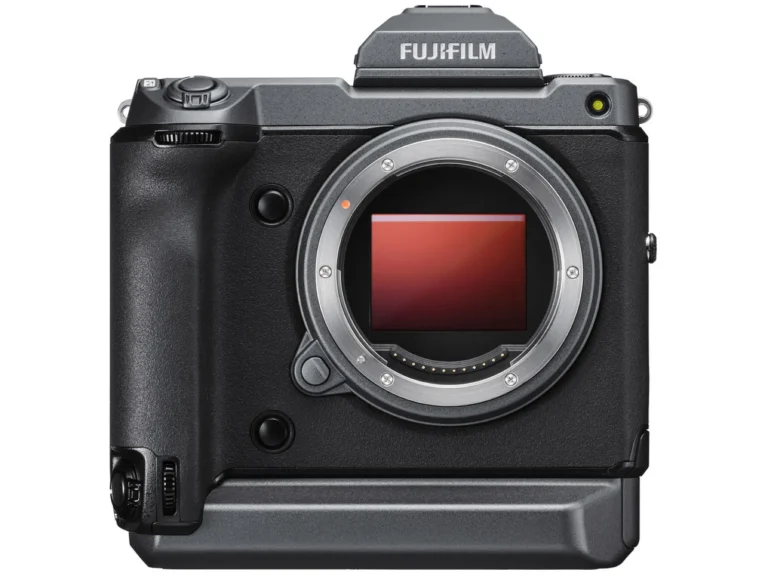
Fujifilm GFX 100 (2019) was a groundbreaking 102 MP flagship with a large body featuring a built-in vertical grip. It introduced IBIS, phase-detection autofocus and advanced video capabilities to medium format. It is meant for high-end commercial work and any situation where maximum resolution is essential.
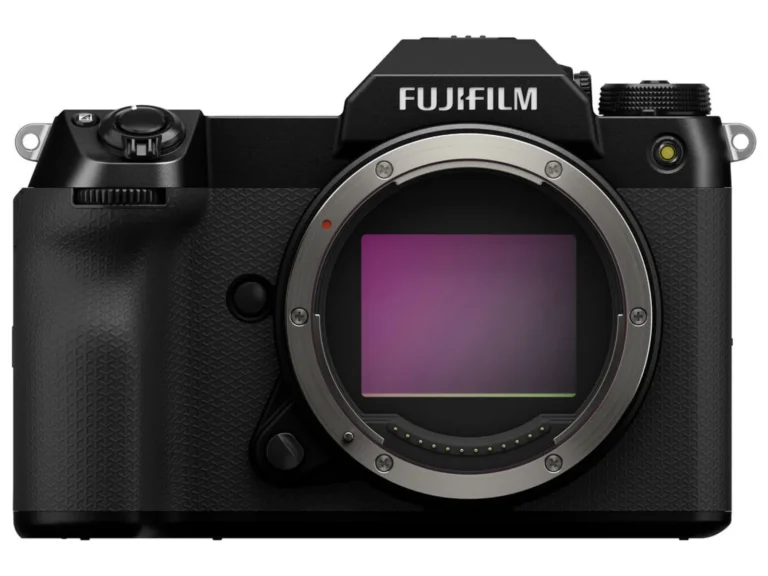
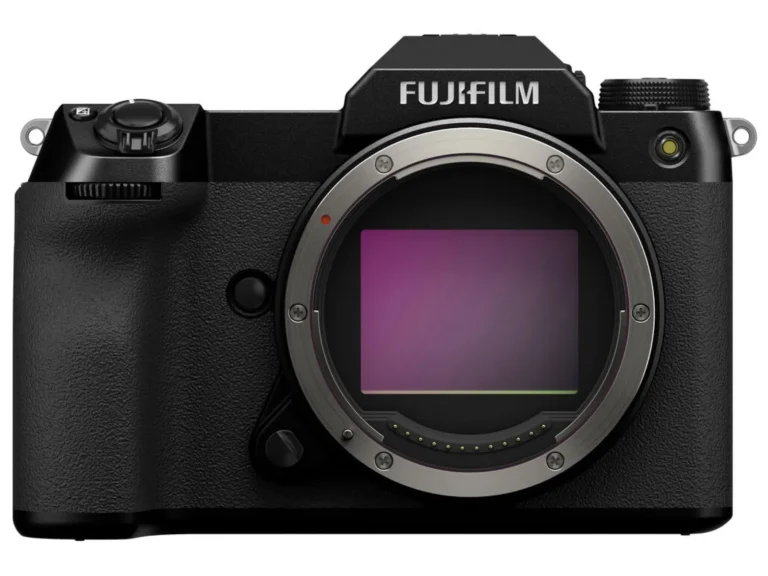
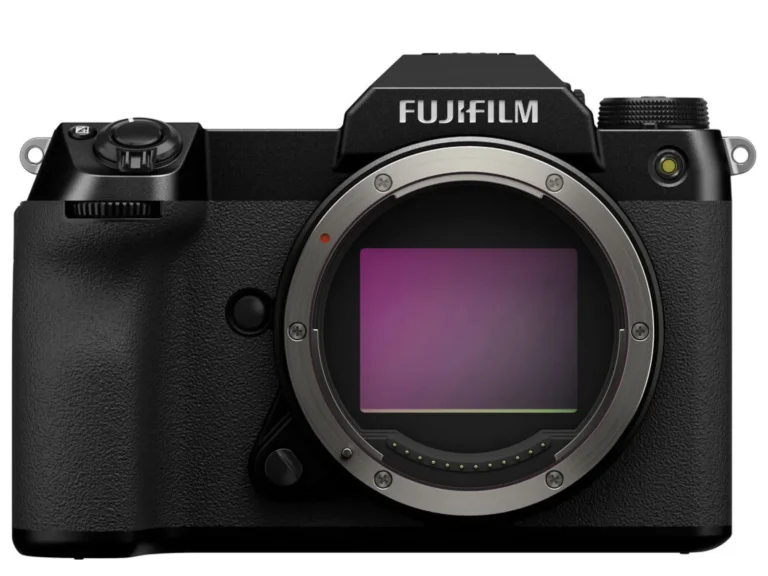
Fujifilm GFX 100S (2021) is essentially a GFX 100 in a much, much smaller and more affordable body without the built-in grip. It has the same 102 MP sensor, IBIS and AF system.
Fujifilm GFX 100 II (2023) keeps the 102 MP sensor, but upgrades to the X-Processor 5 with faster readout, improving autofocus, video performance and low-light capability.
Fujifilm GFX 100S II (2024) also keeps the 102 MP sensor and upgrades to the X-Processor 5. It has better AF, better 8-stop IBIS and updated performance while retaining the compact design.
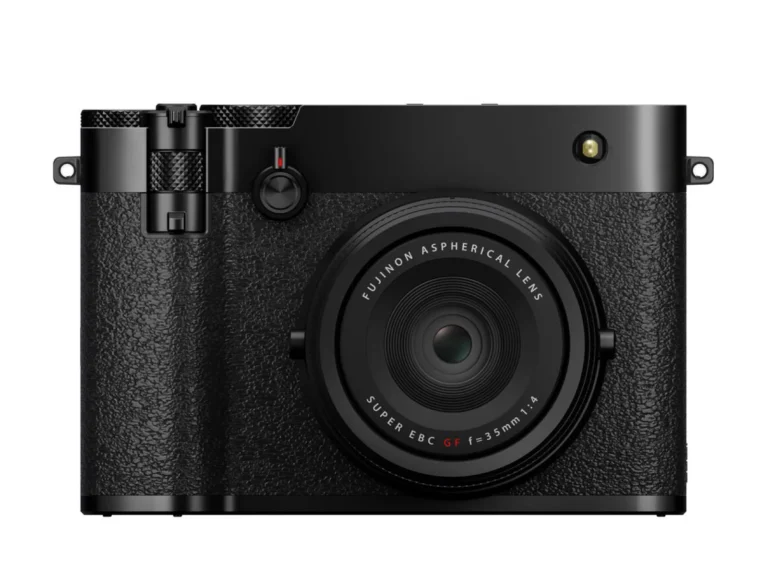
Fujifilm GFX 100RF (2025) uses the 102 MP sensor but places it in a compact, lightweight body with a fixed 35 mm (28 mm full-frame equivalent) f/4 lens.
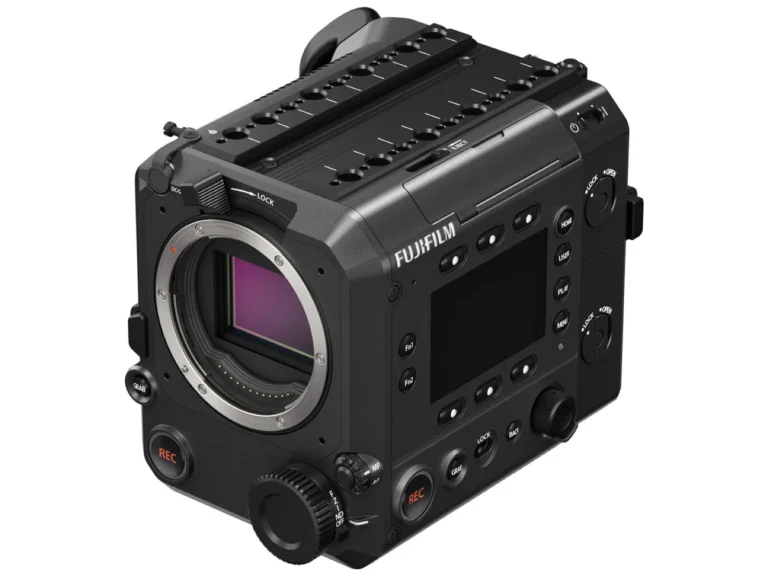
Fujifilm GFX ETERNA 55 is a cinema camera with Fujifilm’s 102 MP medium-format sensor.
Fujifilm GFX 100 IR (2021) is a rarely-available modified GFX 100 equipped with a special filter system to capture infrared and ultraviolet light outside the visible spectrum. It is used for fine art photography, forensic science and cultural preservation.
GFX 50S II
GFX 50S
GFX 50R
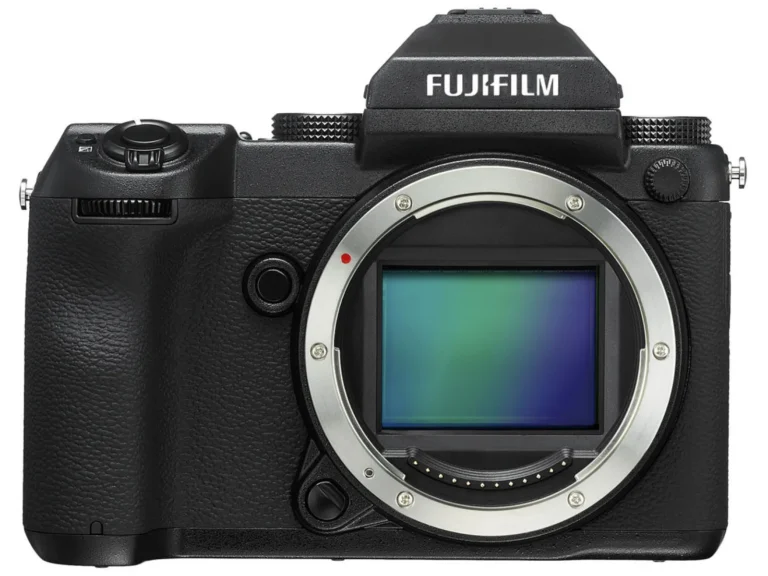
The original GFX 50S (2017) introduced Fujifilm’s medium-format system. It features a 51 MP sensor with excellent dynamic range and color depth. Its DSLR-style body, detachable EVF and robust ergonomics made it well-suited for professionals seeking a medium format camera at a relatively accessible price point.
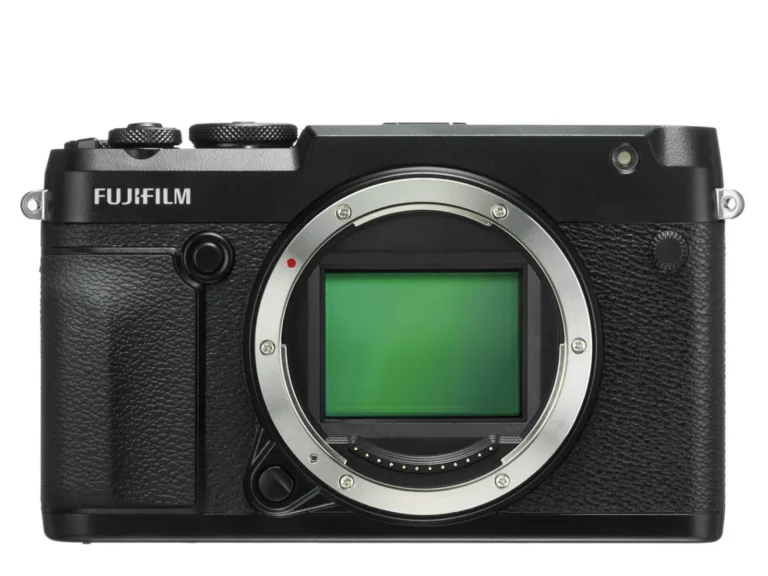
Fujifilm GFX 50R (2018) uses the same 51 MP sensor but has a smaller, rangefinder-style body. It is the most compact camera in the 51 MP lineup and an excellent option for photographers who prefer a more portable setup, especially for street, travel or documentary work, while still maintaining the benefits of a high-resolution medium-format camera.
Fujifilm GFX 50S II (2021) features the same 51 MP sensor, but a faster X-Processor 4 and a more compact body. It adds IBIS and improved autofocus, making it more capable for handheld shooting and on-location work.