
SONY Cameras
Sony A7 II Review
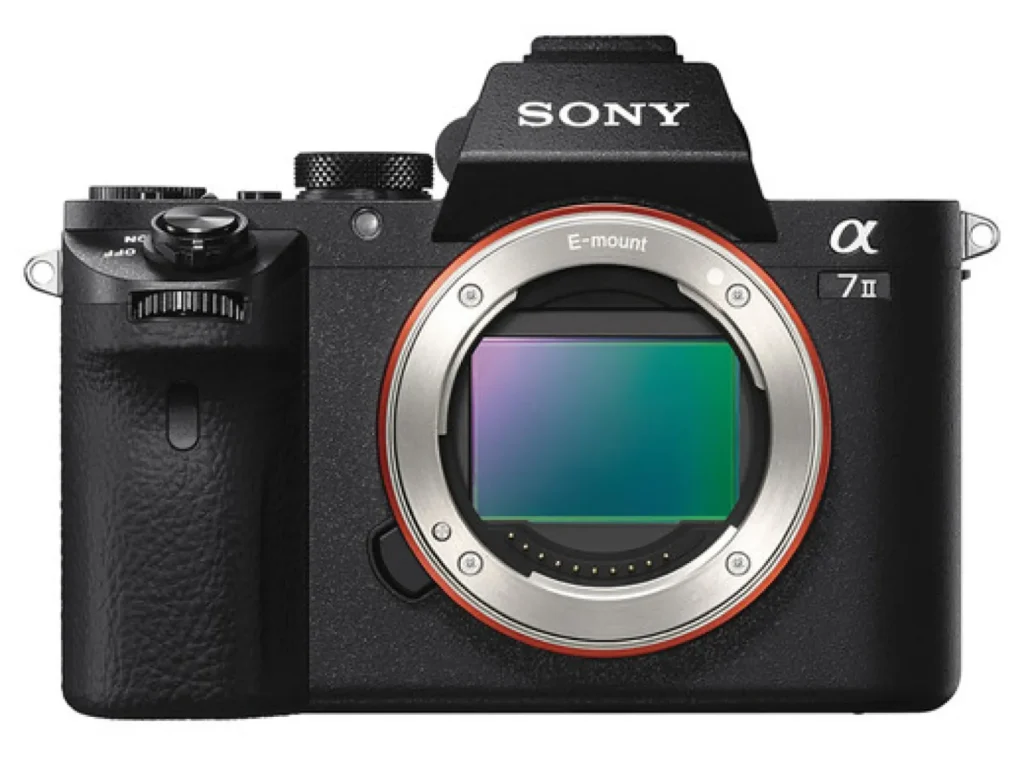
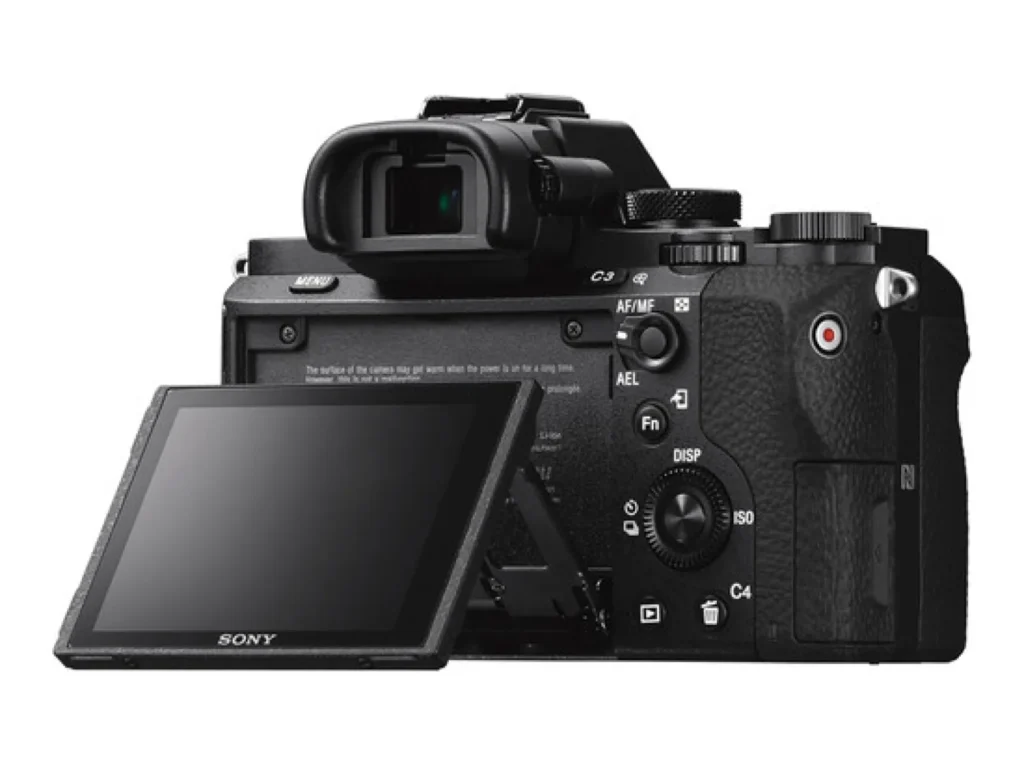
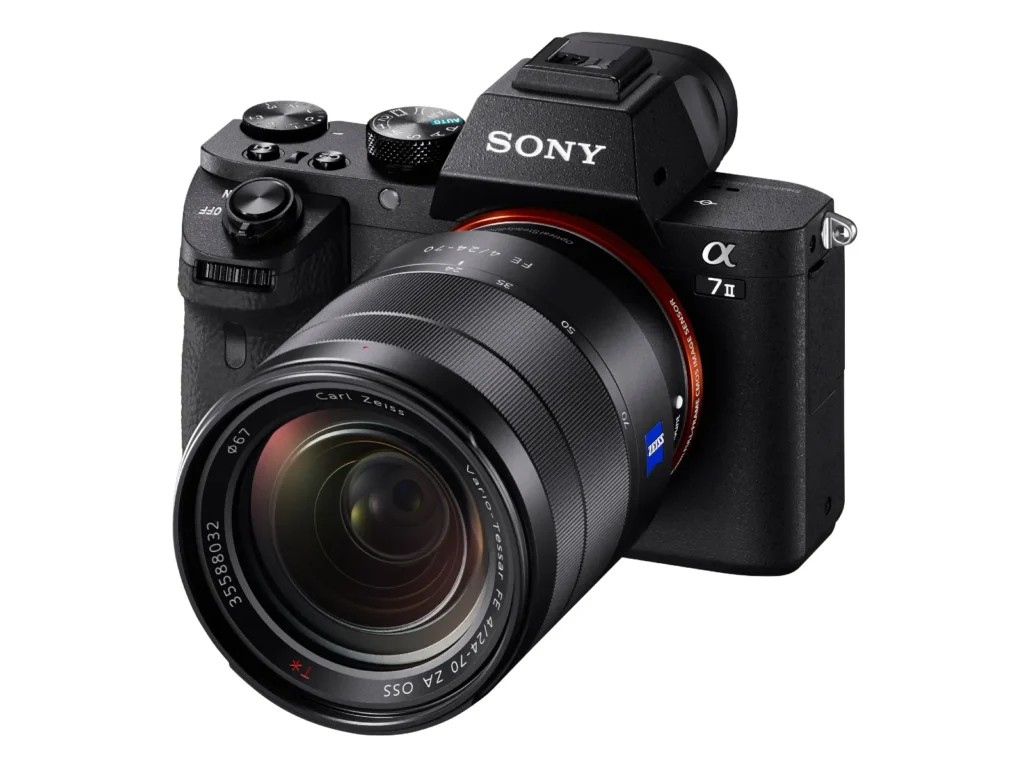
Sony A7 II was the first successor to the original A7. It kept the 24 MP sensor with most specs remaining the same, but it upgraded to a new more durable and more ergonomic body and added features such as IBIS and improved autofocus performance.
SONY E-Mount
Sony introduced the E-mount in 2010 alongside their first mirrorless cameras, giving them a huge head start. Over a decade later, there are over 100 native lenses and more than 200 if you include third-party options. Because the mount hasn’t changed, old lenses still work with newer cameras, creating a huge second-hand market. Compare that to Canon and Nikon, which only introduced new mounts in 2018, Sony users have had years to build and upgrade their kits without starting from scratch. For beginners entering the Sony system that means more options and much better prices.
SONY A7 II Price
Sony A7 II Specifications
General
Sony A7 II features a 24.3 MP full-frame sensor paired with Sony’s BIONZ X processor. The same sensor and processor were already used in the original A7, released a year earlier.
Sony A7 II introduces IBIS. It provides up to approximately 4.5 stops of shake reduction, benefiting both handheld stills and video.
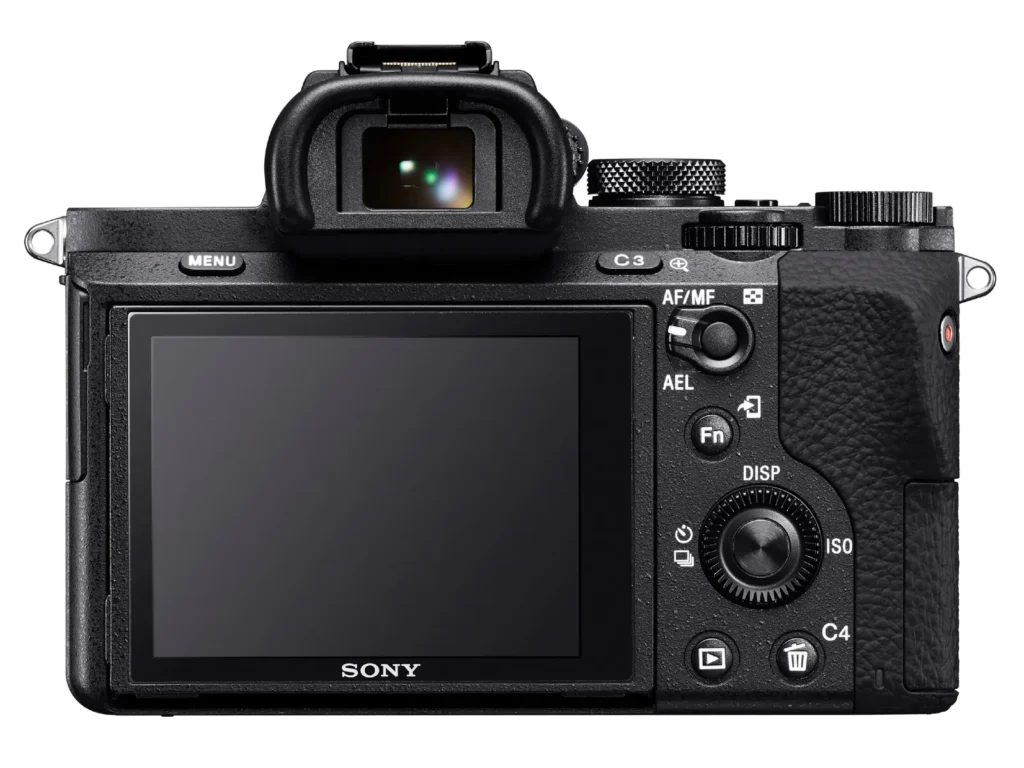
The body is still very compact, but the grip is slightly larger and therefore more ergonomic than on the original A7. The shutter button is now positioned toward the front of the grip, as some users had found it hard to reach on the original A7.
Sony A7 II is weather-sealed to some degree (weather-resistant), but not as well as more modern models.
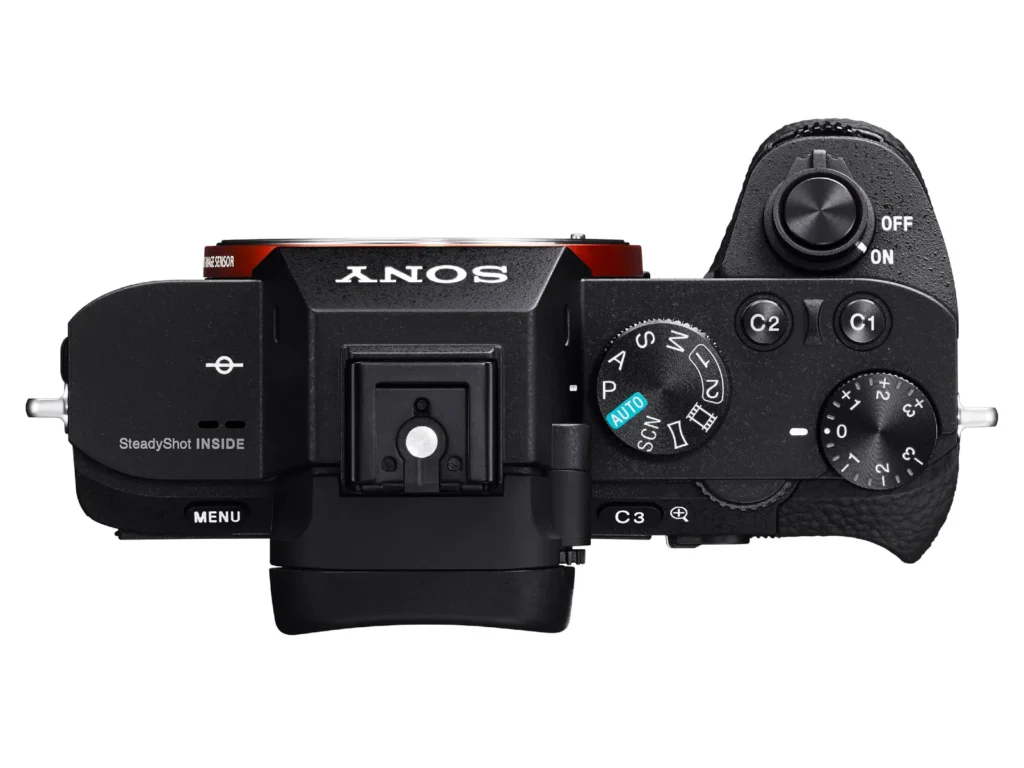
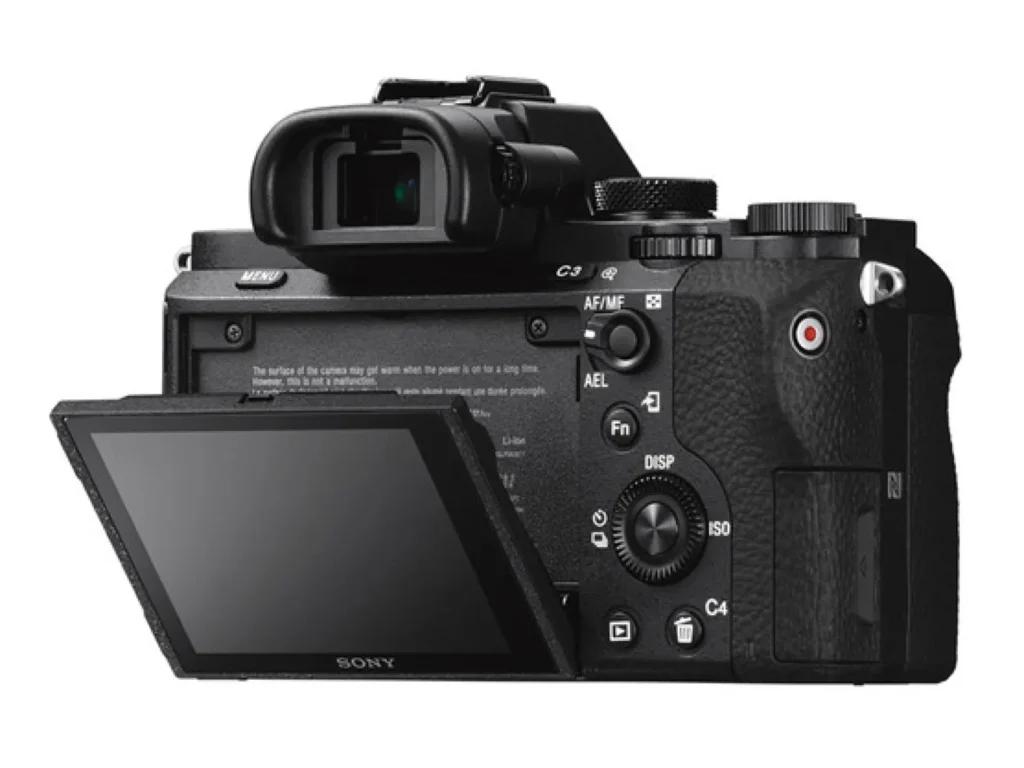
Tilting LCD screen is a bit sharper than on the original A7. The camera still has just one card slot, which accepts only older and slower UHS-I SD cards. There are 3 customizable dials and 4 custom buttons.
Both the original A7 and the A7 II use the same batteries as Sony APS-C cameras. Battery life is very poor, so users need to purchase a few additional batteries for prolonged shooting.
Autofocus
Nowadays, Sony cameras are known to have some of the best AF systems in the industry, but this was not the case with the A7 and the A7 II. AF performance trails far behind newer models and at the time of its release, it could not compete with DSLRs or with Sony’s APS-C cameras.
Just like the original A7, the A7 II features 25 points for contrast-detection covering roughly 70 % of the frame and 117 points for phase-detection (these are spread only across the center of the frame).
According to Sony, the Mark II had a 30% increase in AF speed and 50% improvement in tracking.
Still, even in good lighting conditions, images are often out of focus and AF performance also degrades noticeably in video mode.
Photography
Since the A7 II keeps the same sensor and processor as the original A7, it also offers similar image quality. Images are often softer than those from newer cameras with 24 MP sensors. Images also have a slight yellow hue, especially noticeable in skin tones. Low-light performance was definitely impressive for 2014.
14-bit RAW is available only in ‘Single Shooting’ mode. The A7 II can shoot 12-bit RAW photos at up to 2.5 fps with full autofocus and up to 5 fps with reduced autofocus performance. However, this reduction is much less noticeable than on the original A7 and the camera can still track subjects effectively.
The buffer was good for the time (up to around 5 seconds of uninterrupted shooting), but clearing it can take more than half a minute and you cannot enter the menu or playback mode during this process.
Just like the original A7, the A7 II also does not have a fully electronic shutter mode. It relies primarily on a mechanical shutter, with an option for an electronic front curtain shutter (EFCS).
Video
Video specs are definitely better than on the original A7, but there is still no 4K video recording, as it was not yet standard in 2014.
Full HD (1080p) recording is available at up to 60 fps and you can now record in Sony’s XAVC-S codec (the original A7 only featured the older AVCHD codec). Picture profiles include Sony’s ‘S-Log 2’.
In-body image stabilization (IBIS) helps with handheld shooting, but IBIS performance is certainly dated.
The camera has a 30-minute maximum clip length, which was standard for most cameras at the time. Battery life allows for about 1 hour of video recording.
| Feature | Sony A7 II |
|---|---|
| Release Date | November 2014 |
| Megapixels | 24.3 MP |
| Image Resolution | 6000 × 4000 |
| Sensor Size | Full Frame |
| Sensor Type | CMOS |
| Image Processor | BIONZ X |
| IBIS | 5-axis, 4.5 stops |
| Weather Sealing | Weather Resistant |
| Lens Mount | Sony E |
| Body Type | Mirrorless |
| PHOTO | |
| Native ISO | 100 – 25,600 |
| Expandable ISO | 50 – 51,200 |
| Shutter Speed | 1/8000 – 30s |
| Burst Rate (Mechanical) | 5 fps 12-bit RAW (14-bit RAW only in 'Single Shooting' Mode) |
| Burst Rate (Electronic) | / |
| Buffer | ~ 25 RAW |
| Shutter Types | Mechanical, EFCS |
| Silent Shooting | No |
| Exposure Compensation | ±5 EV |
| High-Res (Sensor Shift) | No |
| Pre-Capture Mode | No |
| VIDEO | |
| 4K Video | No |
| Max Frame Rate | 1080p 60fps |
| Bit Depth | 8-bit |
| Recording Limit | 29m 59s |
| Timelapse Recording | No |
| AUTOFOCUS | |
| AF System | 'Hybrid'Fast Hybrid AF' |
| AF Points | 25 |
| AF Coverage | ~ 70% Frame Coverage |
| AF Joystick | No |
| DISPLAY / VIEWFINDER | |
| Articulated Screen | Tilting |
| Touch Screen | No |
| LCD Size | 3.0" |
| LCD Resolution | 1,228,800 |
| EVF Resolution | 2,359,296 |
| EVF Refresh Rate | 60 fps |
| EVF Coverage | 100% |
| EVF Magnification | 0.71× |
| MORE INFO | |
| Card Slot 1 | SD (UHS-I) |
| Card Slot 2 | / |
| Sensor Protection System | No |
| USB | Micro USB |
| USB Charging | Yes |
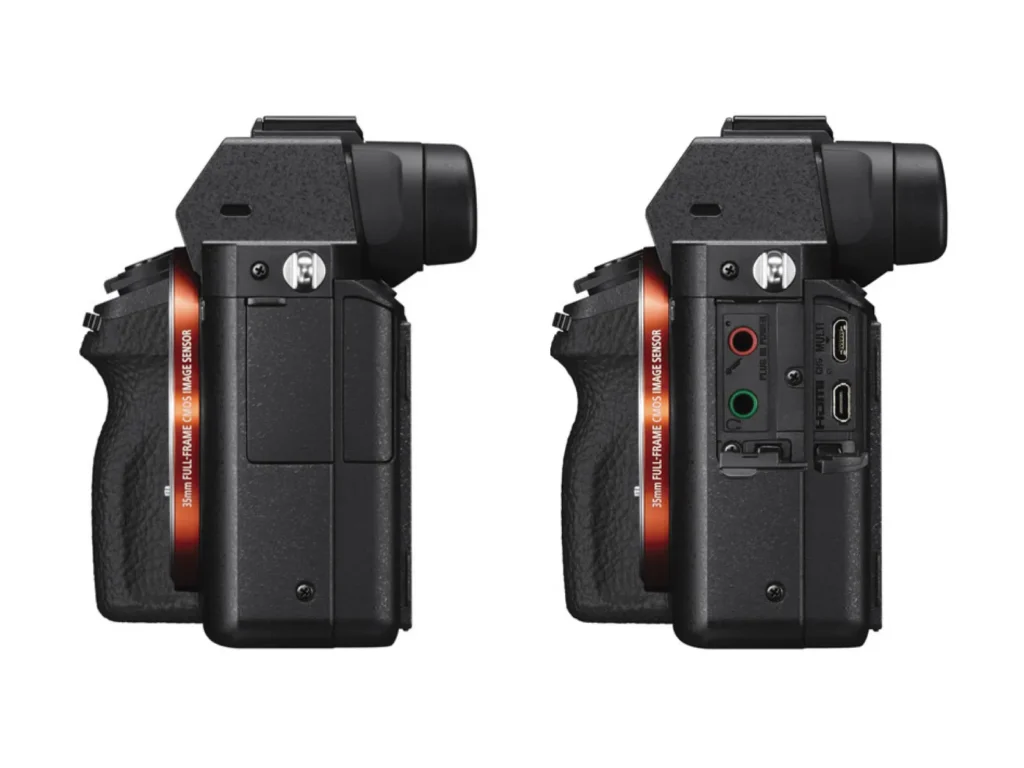
| HDMI | Type D (Micro HDMI) |
| Microphone Port | 3.5 mm |
| Headphone Port | 3.5 mm |
| Built-in Flash | No |
| Built-in Microphone | Yes |
| Battery | NP-FW50 |
| Battery Life | ~ 350 frames |
| Wi-Fi / Bluetooth | only Wi-Fi |
| Dimensions | 127 × 96 × 60 mm |
| Weight | 599 g |
Sony A7 II Alternatives
SONY A7 III
Sony A7 (2013) is very similar to the A7 II since both use the same 24 MP sensor. It has a less durable and less ergonomic body, worse autofocus performance and it lacks IBIS. Both cameras are inferior to any other camera on this list as they were released back in 2013 and 2014 and lack many modern features.
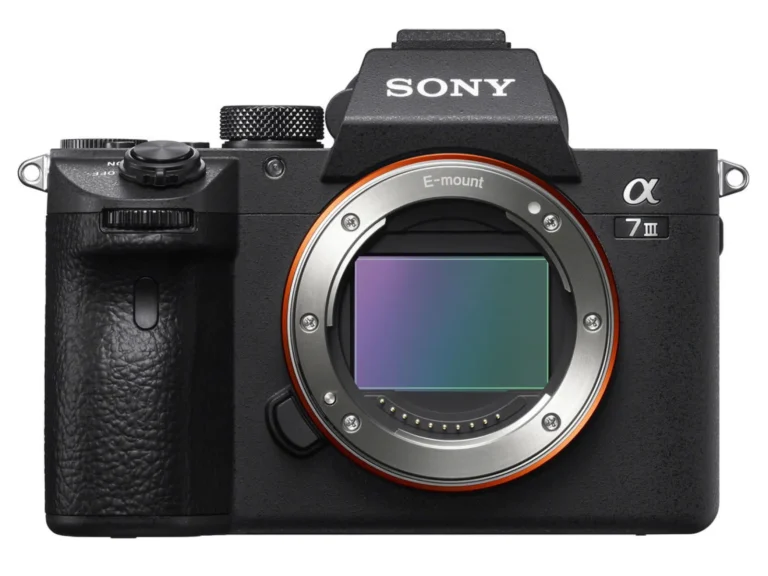
Sony A7 III (2018) was a major upgrade over the older A7 and A7 II and it remains one of the most popular full-frame cameras today. It upgrades to a new 24 MP BSI sensor with excellent low-light performance and strong dynamic range. It also offers dual SD card slots, weather sealing, IBIS, 10 fps continuous shooting, oversampled 4K 30 fps video recording, USB Type C connectivity and a new improved autofocus system. It also introduced a new more ergonomic body with a larger grip and space for larger batteries.
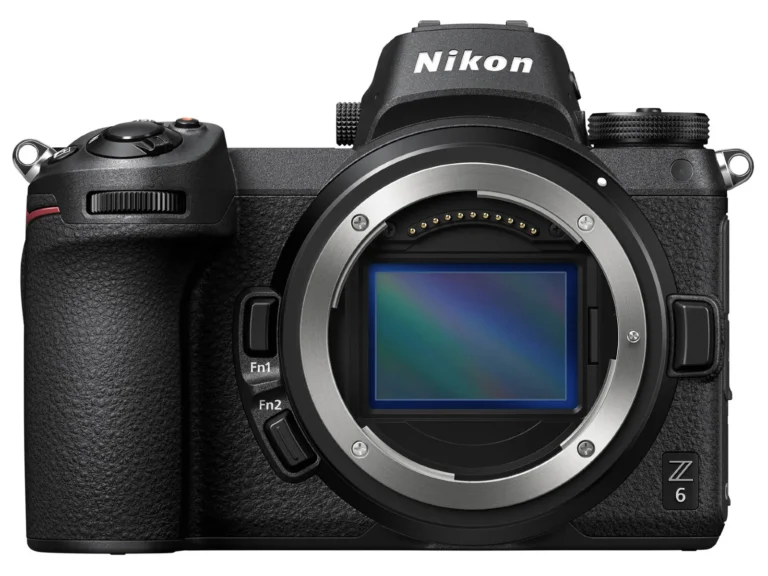
Nikon Z6
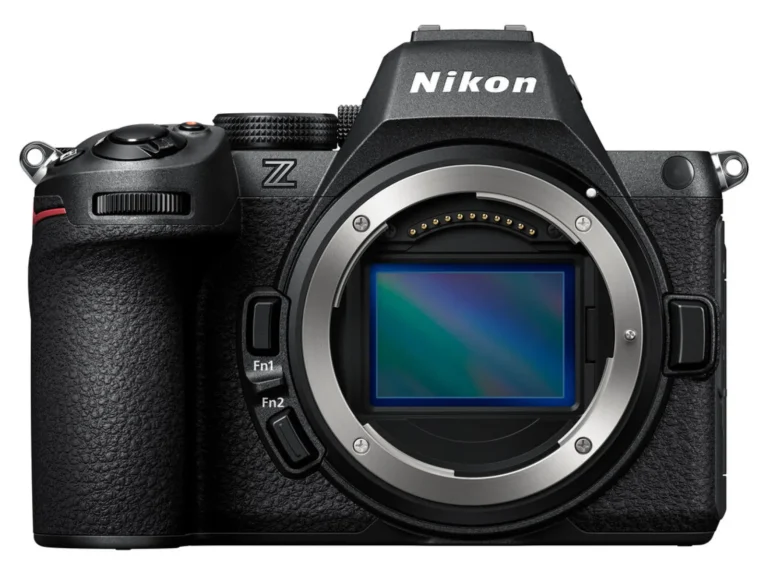
Nikon Z5 II
Nikon Z6 (2018) was Nikon’s first full-frame mirrorless camera. It features a 24 MP BSI sensor, weather sealing, IBIS, oversampled 4K 30 fps recording and 12 fps RAW high-speed shooting with the mechanical shutter, but it has a 3 second buffer and a single card slot.
A used Nikon Z6 is still a solid affordable option for those entering the Nikon full-frame system for the very first time, but it’s difficult to recommend over the Z6 II or the Z5 II. The price of a used Nikon Z6 is similar to the price of a used Sony A7 or A7 II, but the Z6 clearly offers more features.
Nikon Z6 II (2020) kept the same 24 MP BSI sensor and introduced a few notable upgrades: dual EXPEED 6 processors, dual card slots, improved autofocus tracking, expanded video options (including cropped 4K at 60 fps), a higher burst rate (14 fps RAW) and a larger buffer.
Nikon Z5 II (2025) also uses the same 24 MP BSI sensor, but this time paired with Nikon’s new EXPEED 7 processor, delivering excellent image quality along with great autofocus performance. It can shoot at up to 11 fps in RAW with the mechanical shutter (14 fps JPEG), up to 14 fps RAW with the electronic shutter (30 fps JPEG) and it can record 4K video at 30 fps oversampled from 6K (internally in 12-bit RAW) and 4K 60 fps with a 1.5x crop.
As of now, the Z5 II is likely the best entry point into Nikon’s full-frame Z system for anyone interested in photography or video. It’s a competitor to the Sony A7 III. Both have a similar price, but The Z5 II clearly offers much more in both photo and video department.
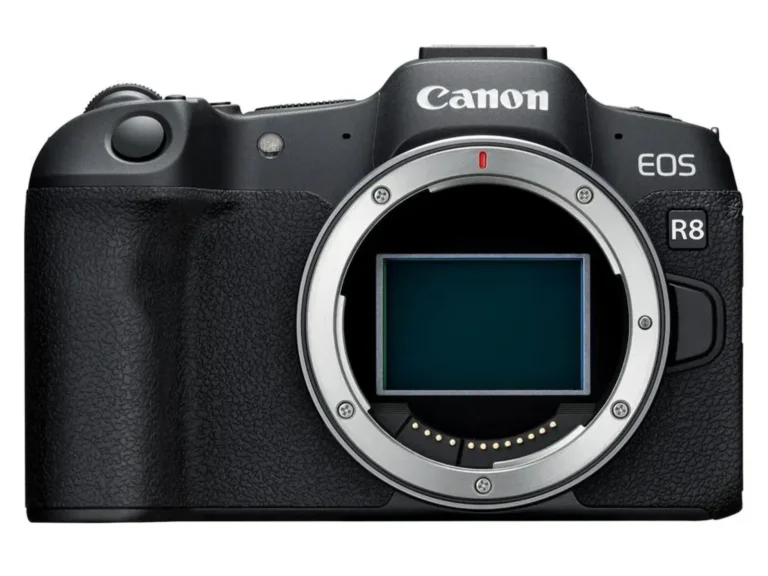
Canon R8
Canon EOS R (2018, 30 MP) and Canon EOS RP (2019, 26 MP) are Canon’s cheapest entry-level full-frame mirrorless cameras. They don’t have BSI sensors, lack IBIS and offer only lower-quality cropped 4K video recording. They are more capable alternatives compared to the A7 and A7 II, but they can never compete with the Sony A7 III or any other camera on this list.
Canon EOS R8 (2023) is Canon’s modern entry-level full-frame model and a major upgrade over the EOS R and RP. It’s essentially a more compact and more affordable version of the Canon EOS R6 Mark II, using the same 24 MP sensor and highly advanced autofocus system. Autofocus performance is stronger than that of any other camera on this list. The R8 offers oversampled 4K 60 fps recording without a crop, although rolling shutter is noticeable. It lacks IBIS, has no mechanical shutter and has only one card slot. It can shoot at up to 40 fps in 12-bit RAW with the electronic shutter (with noticeable rolling shutter distortion).
The R8 is an extremely capable camera, but similarly priced alternatives such as the Sony A7 III and Nikon Z5 II may offer a more well-rounded feature set depending on your needs.
SONY A7 II Price
Final Verdict
Sony A7 II was necessary upgrade over the original A7. It introduced IBIS, a more ergonomic body and upgraded the autofocus system, but the camera is now clearly outdated and cannot compete with newer models.
If you are committed to the Sony system, then a more modern Sony A7 III is a much better option. You can also find it for a good price on the used market since it’s been around since 2018.
If you are not yet committed to the Sony system, then similarly priced alternatives from other brands may offer more value, specifically the Canon EOS R8 or the Nikon Z5 II.
More Affordable APS-C Alternatives
If you are a beginner or don’t yet feel the need for full-frame, Sony also offers excellent cameras in its APS-C lineup (the a6000 series), particularly the a6100 and a6400, with the a6700 available at a higher price point.
Nikon Z50 and Z50 II are also excellent, more affordable APS-C alternatives. Pairing them with the two kit lenses – the 16-50mm and the 50-250mm – gives you a high-quality Nikon setup for a fraction of the price of any full-frame kit.